Newsletters


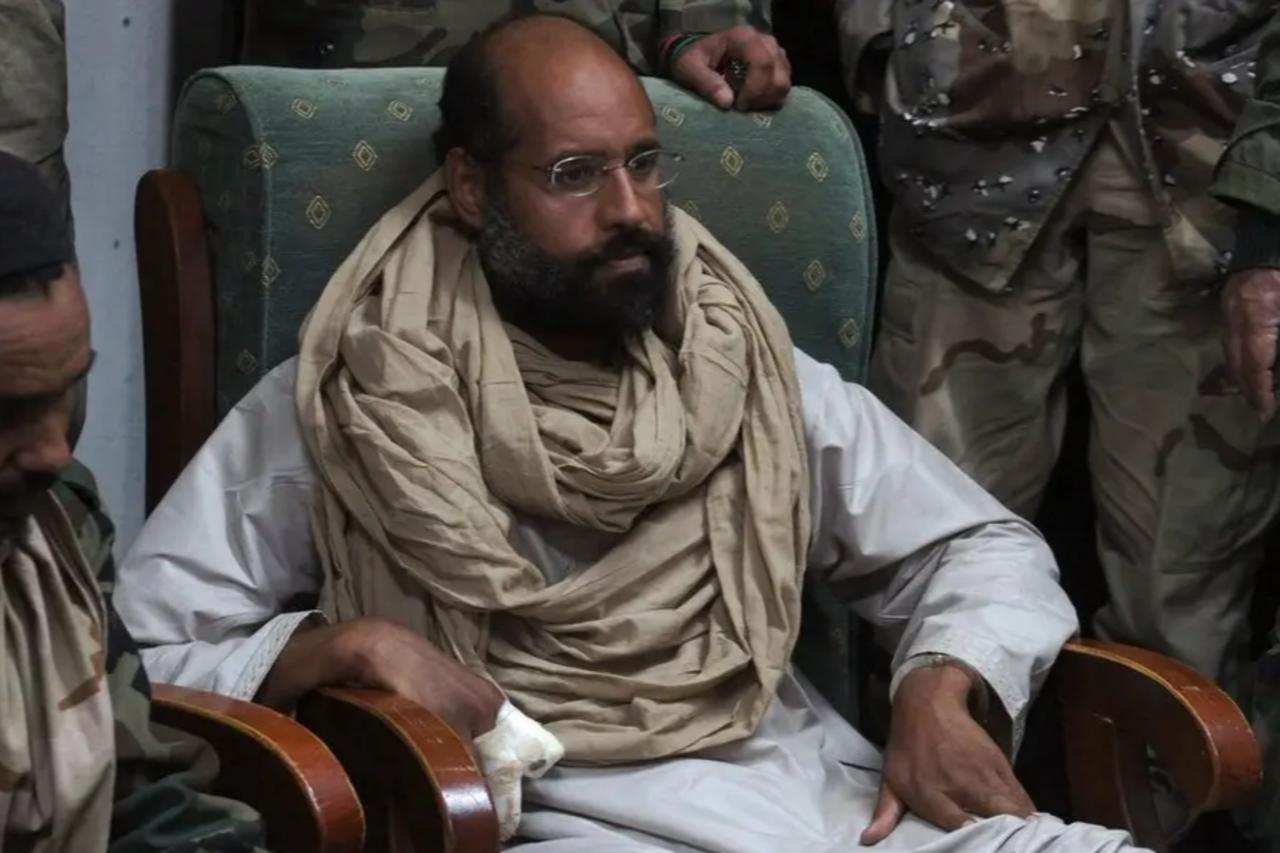


Saif al-Islam Gaddafi, son of former Libyan dictator Muammar Gaddafi, was allegedly killed in a clash with the 444th Brigade, a prominent Tripoli-based militia, according to reports circulating on February 3. The 444th Brigade has denied involvement in the alleged killing.
Abdullah Osman, , as an adviser and chief of cabinet to Saif al-Islam, reportedly confirmed the death following an armed confrontation with the militia, according to conflict zone journalist Levent Kemal. Major news organizations have not independently verified the reports.
The claims have sparked limited reaction on social media, with some users expressing concern about implications for Libya's volatile political landscape.
No information about the location or specific circumstances of the alleged confrontation has emerged. Libya has experienced recurrent militia violence in recent years, particularly in Tripoli, involving armed groups that control territory amid the country's divided government structure.
The 444th Brigade, led by Mahmoud Hamza, is aligned with the UN-recognized Government of National Unity under Prime Minister Abdul Hamid Dbeibah. The group was involved in a May 2025 clash linked to the killing of Stability Support Authority leader Abdelghani al-Kikli that left at least six dead in Tripoli.
Saif al-Islam Gaddafi, born around 1972, is the second son of Muammar Gaddafi, who ruled Libya from 1969 until his overthrow and death during the 2011 Arab Spring uprising. Educated at the London School of Economics, Saif al-Islam positioned himself as a reformist in his father's regime and was seen as a potential successor.
The International Criminal Court issued an arrest warrant for him in June 2011 on charges of crimes against humanity, including murder and persecution of civilians during efforts to suppress protests. Militias captured him in 2011 but released him in 2017 under an amnesty deal.
Since his release, Saif al-Islam has maneuvered for a political comeback from hiding, announcing a presidential run in 2021. Libya's repeatedly delayed elections have prevented any vote. Supporters view him as a potential unifying figure, while critics tie him to the former regime's abuses.


 Set as preferred source
 Set as preferred source


 2 min read