Newsletters


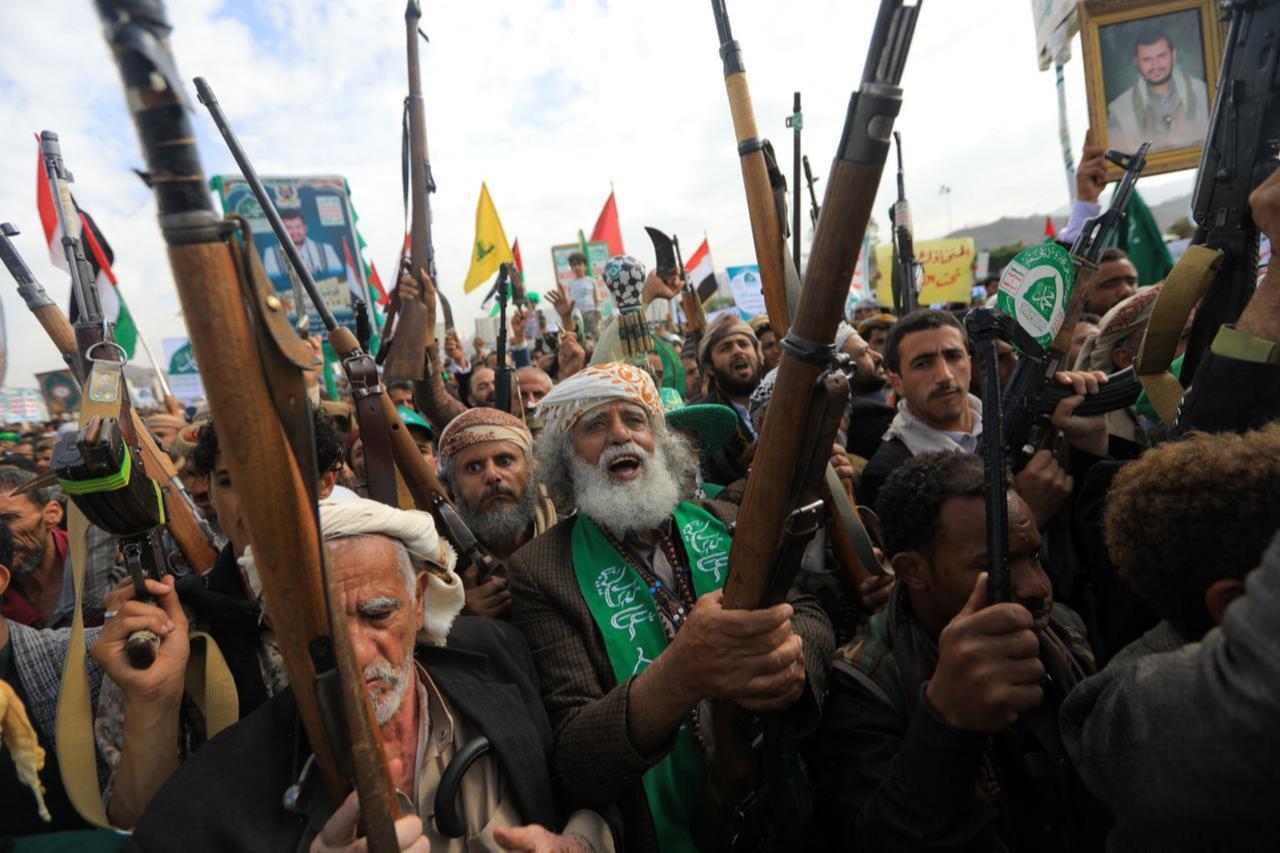


The Yemen government and Houthi militia have reached an agreement to exchange 2,900 prisoners and detainees in what would mark the largest such swap since the country's civil war erupted in 2014, officials announced following negotiations in the Omani capital.
The deal, brokered under the auspices of the United Nations and the International Committee of the Red Cross after 11 days of talks, will see 1,700 prisoners released from Houthi custody in exchange for 1,200 held by government forces. The exchange represents the tenth round of negotiations on prisoners, the missing, and detainees between the warring parties.
Yahya Mohammed Kazman, head of the Yemen government's negotiation team, disclosed the agreement through social media channels, confirming the total number of individuals to be freed. Among those set for release from Houthi detention is Mohammed Qahtan, a senior politician from the Islah Party who was seized on April 5, 2015, and had not been heard from since his capture.

The prisoner release will include seven Saudi Arabian nationals and 23 Sudanese citizens, according to a statement from the Houthis' Prisoners Committee. Both Saudi Arabia and Sudan have been involved in the Yemen conflict through the Arab Coalition that has supported government forces against the Iran-backed Houthi movement.
The exact number of prisoners held by each side remains unclear, though human rights organizations estimate approximately 20,000 prisoners and detainees remain in custody across Yemen. In 2018, during consultations in Stockholm, Sweden, government and Houthi delegations presented lists containing more than 15,000 prisoners and detainees.
Hans Grundberg, the UN Special Envoy for Yemen, characterized the agreement as being of "great humanitarian importance," noting it would help alleviate the suffering of prisoners and their families. He emphasized that implementing the accord would depend on continued cooperation between the parties and regional support, expressing hope the process would lay groundwork for future agreements.
Christine Cipolla, head of the ICRC delegation in Yemen, announced the organization's readiness to assist with the safe release, transport, and repatriation of the prisoners. She called on both the Yemen government and Houthis to "fulfill their commitments without delay" under the terms of the agreement.
The latest deal follows a prisoner swap in April 2023, when approximately 900 people were released following negotiations in Switzerland, also facilitated by the ICRC and UN. That exchange similarly included members of the Arab Coalition from Saudi Arabia and Sudan.
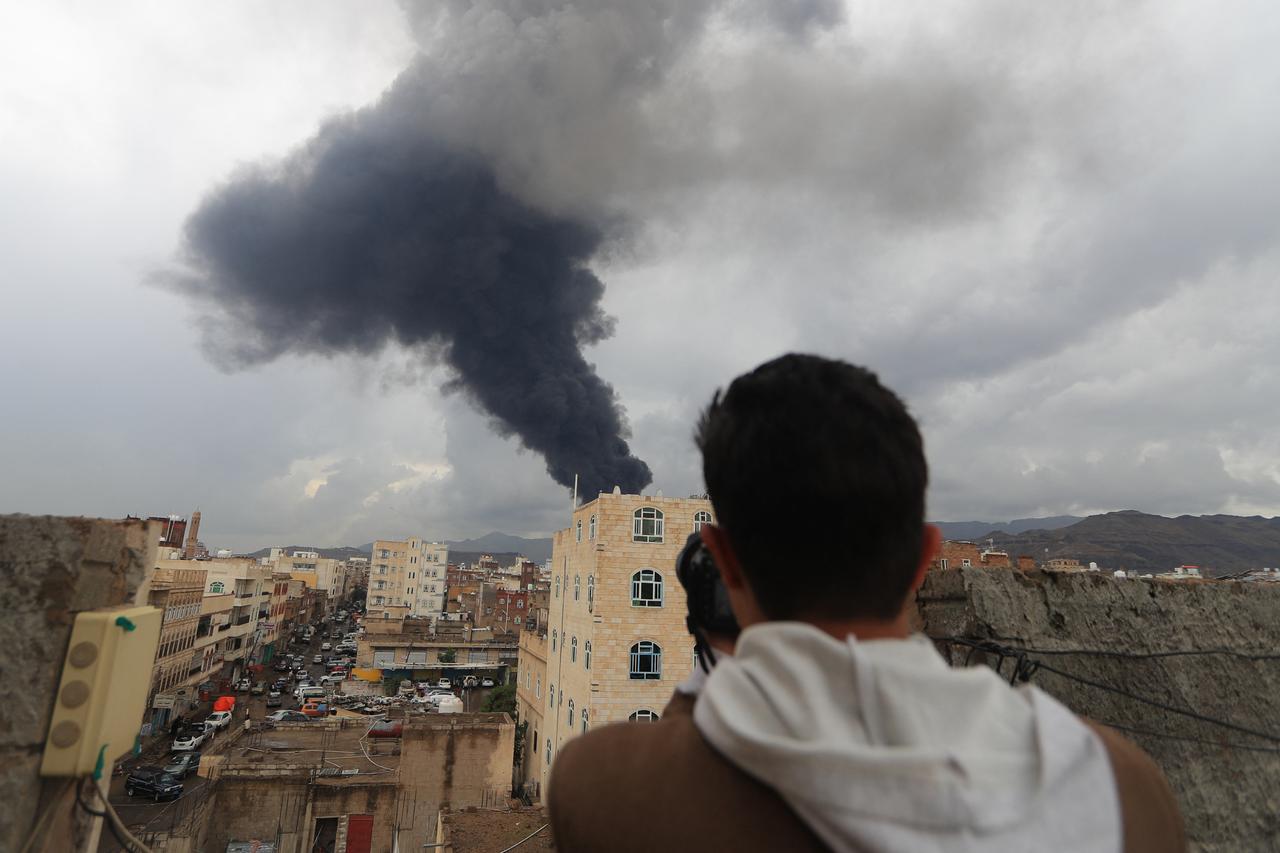
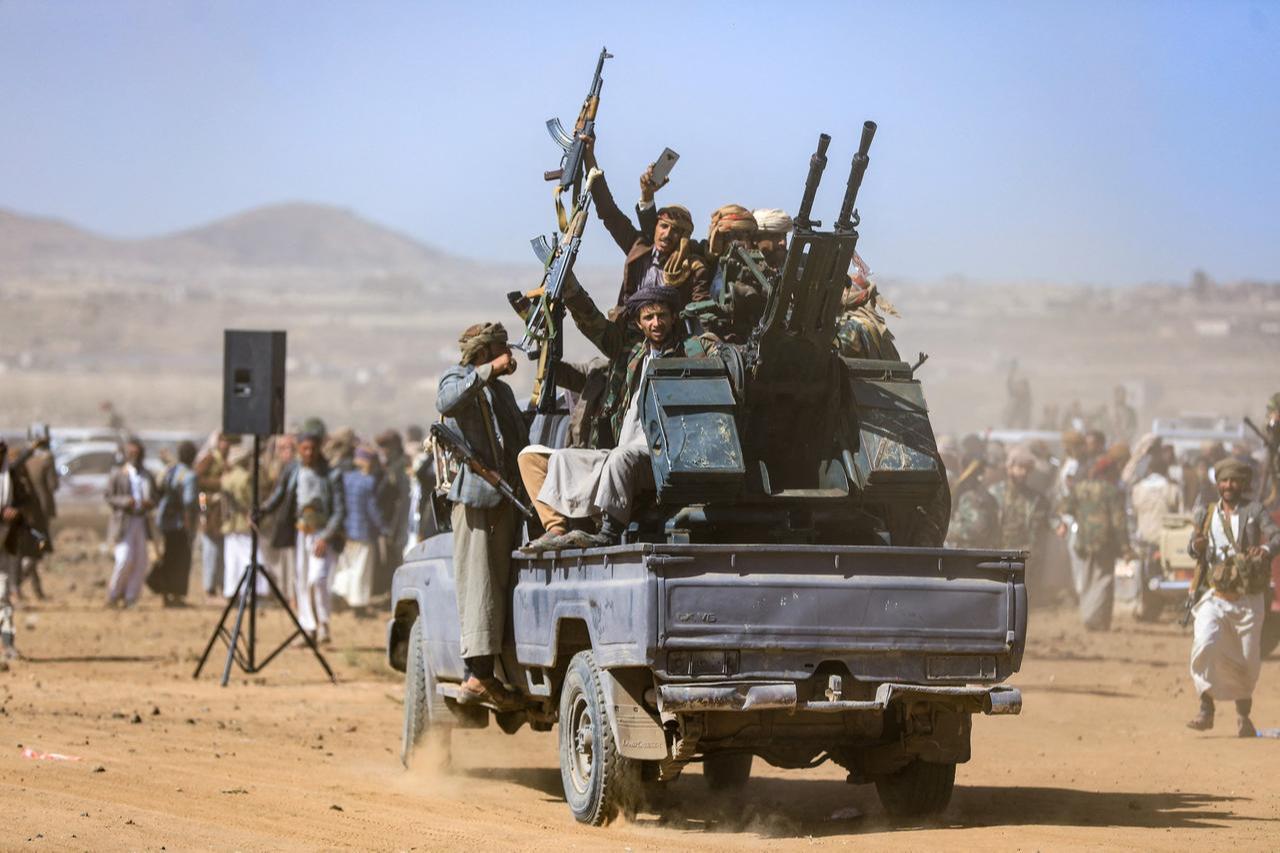
Yemen has experienced relative calm since April 2022 between government forces based in Aden and the Houthis, who have controlled the capital Sanaa and numerous other cities and towns since September 2014. However, the 11-year civil war continues without a permanent resolution, and recent security developments in southern Yemen have raised concerns about the country's potential fragmentation.
Oman's Foreign Ministry issued a statement expressing satisfaction with the agreement reached in Muscat, crediting the positive approach displayed by both parties during the negotiations for enabling the humanitarian accord.


 Set as preferred source
 Set as preferred source


 1 min read


 1 min read