Newsletters


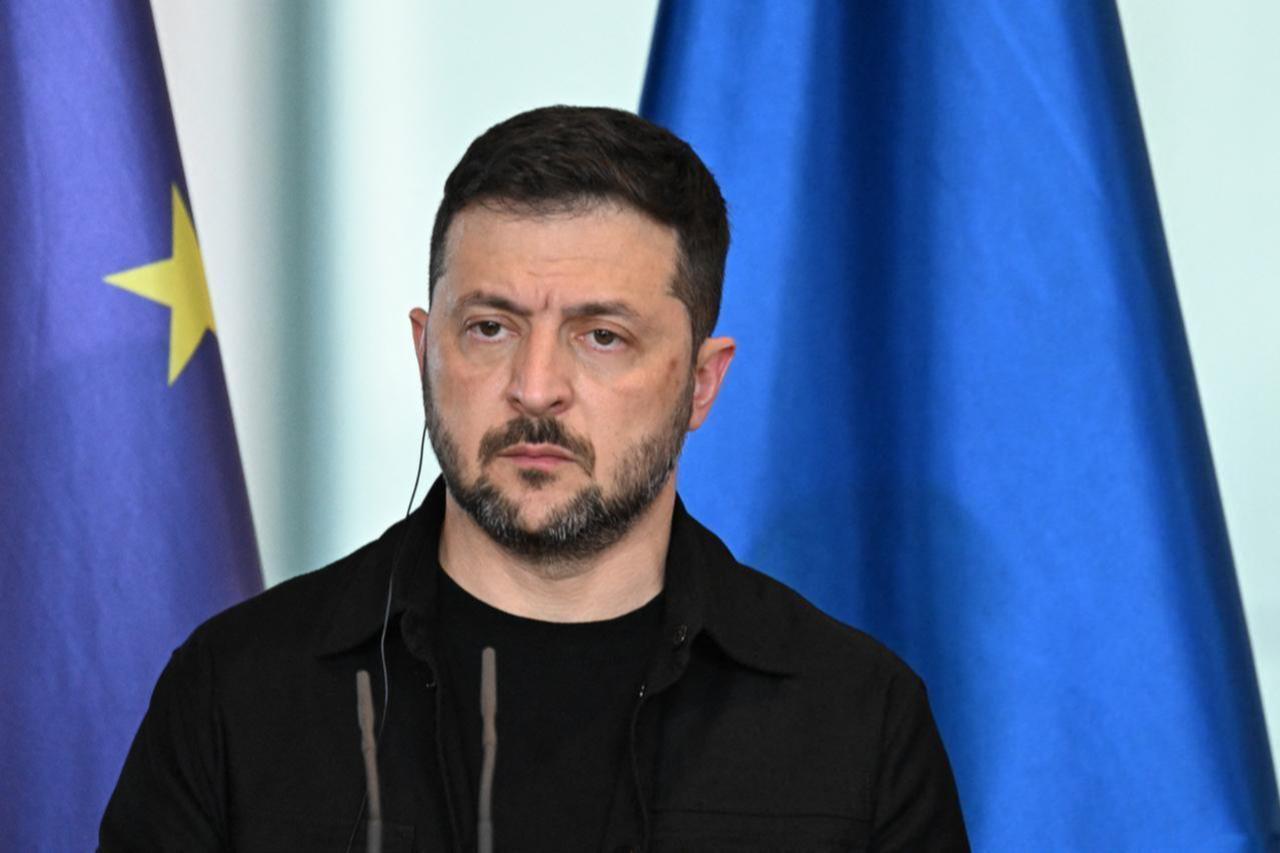


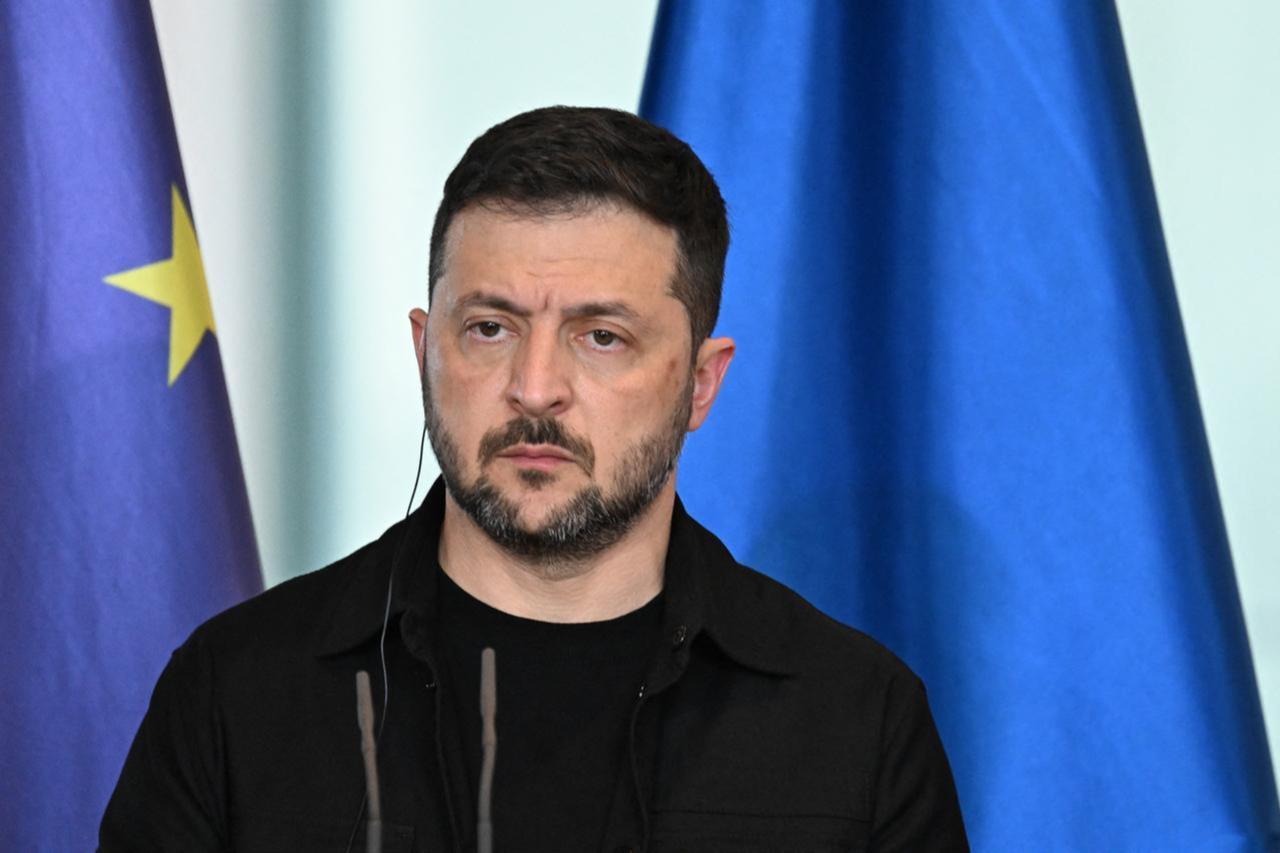
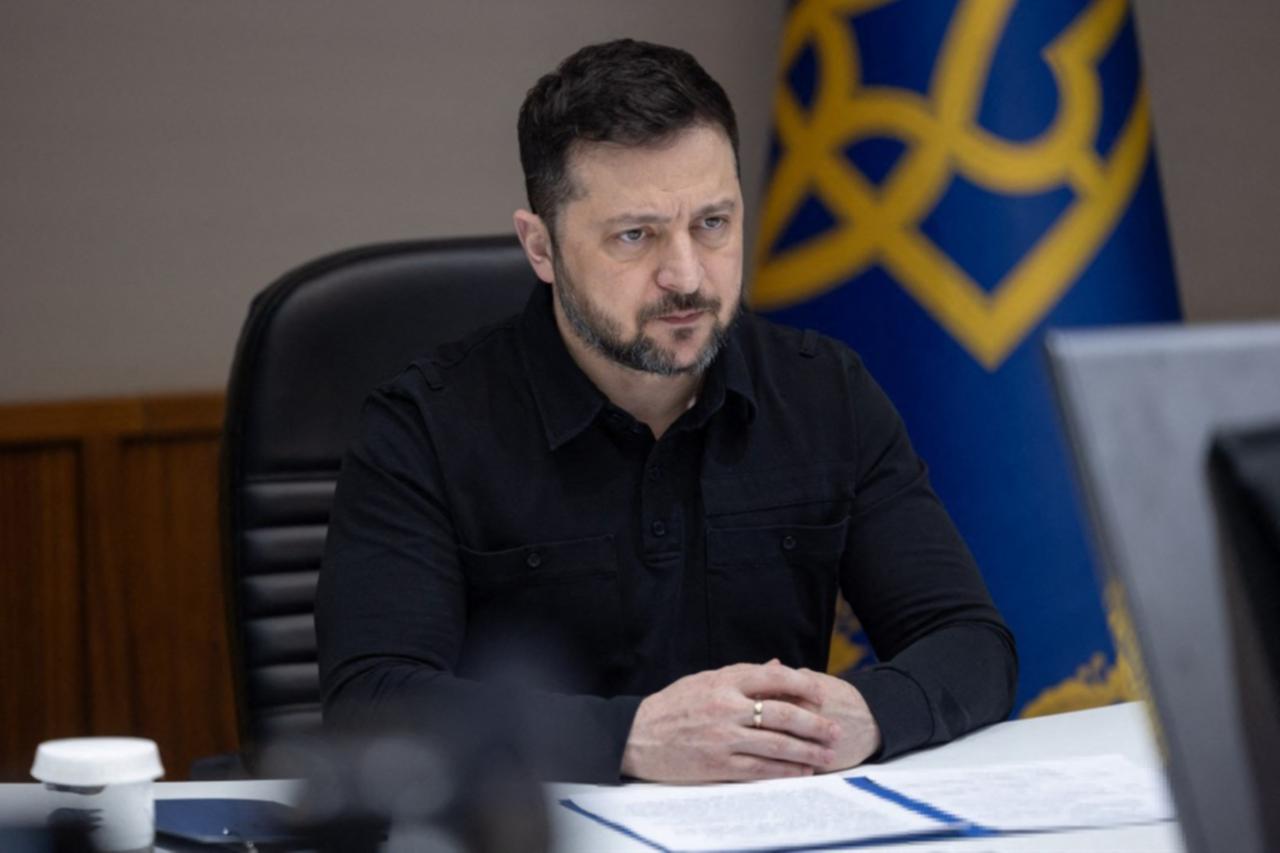
Ukrainian President Volodymyr Zelenskyy warned Saturday that a prolonged U.S.-Israeli war on Iran risks deepening Washington's distraction from Ukraine at a moment when Kyiv is already bracing for shrinking deliveries of Patriot air defense missiles, the weapons it considers most vital to its survival.
Speaking to the Associated Press in an exclusive interview in Istanbul, Zelenskyy said the compounding pressures of the Middle East conflict, now in its sixth week, were compounding existing shortfalls in Western military support. "We have to recognize that we are not the priority for today," he said. "That's why I am afraid a long war will give us less support."
The comments came as Russian forces pressed ahead with a spring offensive along the roughly 1,250-kilometer front line stretching across eastern and southern Ukraine, and as overnight drone strikes killed at least one person and wounded another in Nikopol, with a separate attack injuring three more in the port city of Odesa.
At the core of Zelenskyy's concern is a system Ukraine has never received in sufficient quantities. The Patriot missile defense system, manufactured by Raytheon, is considered among the most effective weapons available for intercepting Russian ballistic missiles, and Ukraine has no comparable alternative. Zelenskyy had been counting on European partners to help finance additional purchases, but the Iran war has strained those already limited supplies, diverted stockpiles and left Ukrainian cities more exposed.
If the Iran conflict does not end soon, he said, the aid package, which he described as already inadequate, "will be smaller and smaller day by day."
Beyond weapons supplies, Zelenskyy identified a second damaging consequence of the Middle East war: an economic windfall for Moscow. Iran's closure of the Strait of Hormuz has sent global oil prices surging, generating additional revenues for Russia, one of the world's leading crude exporters. Asian nations have been competing for Russian crude as an energy crisis mounts, and a U.S. temporary waiver on Russian oil sanctions, designed to ease supply shortages caused by the Iran conflict, has provided further relief to the Kremlin.
"Russia gets additional money because of this, so yes, they have benefits," Zelenskyy said.
Ukraine has responded by intensifying long-range drone strikes on Russian oil infrastructure. Russian officials said Sunday that a drone attack sparked a fire at a major refinery in the Nizhny Novgorod region, while a separate strike damaged a pipeline at the Baltic Sea port of Primorsk, a major oil export terminal. No casualties were reported in either attack.
Kyiv's broader strategy has long sought to make the war economically unsustainable for Moscow. Surging oil revenues directly undercut that approach.
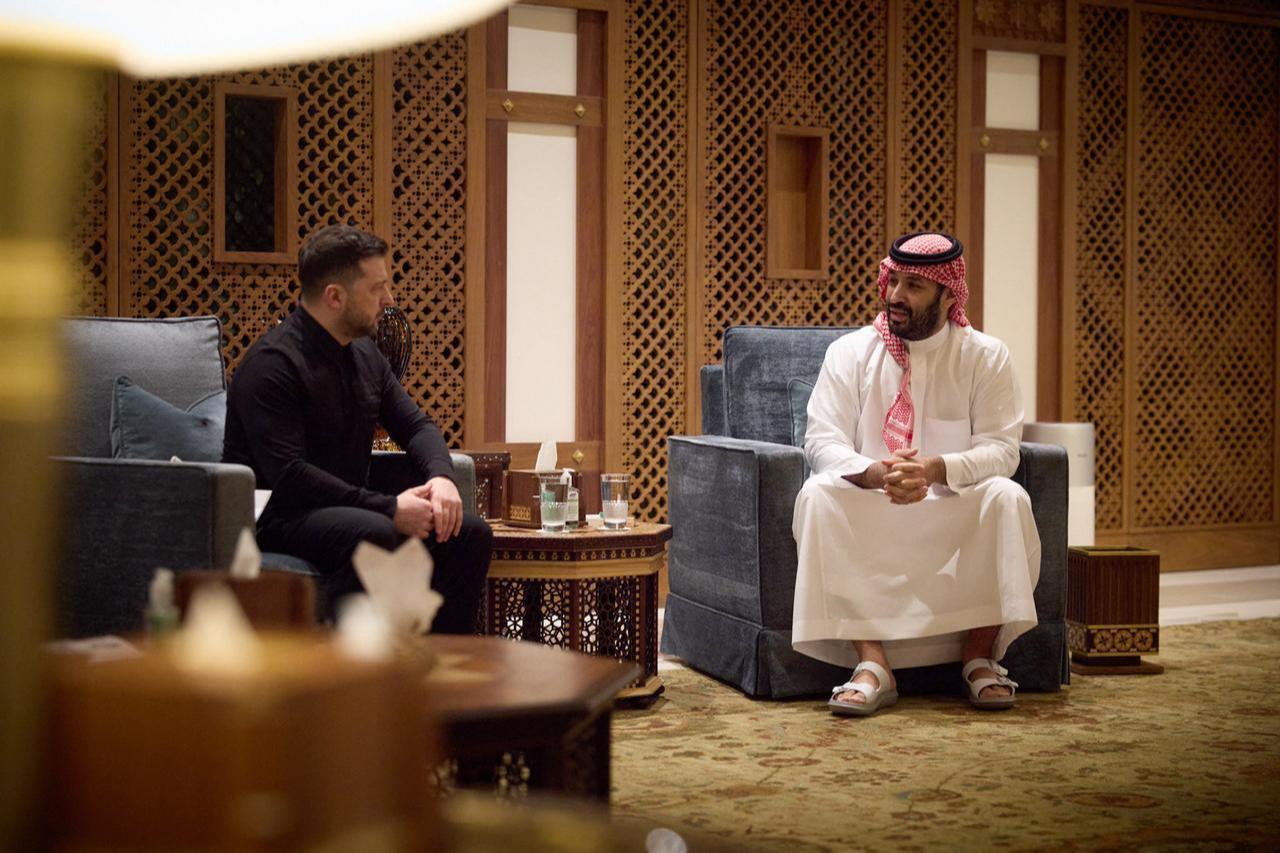

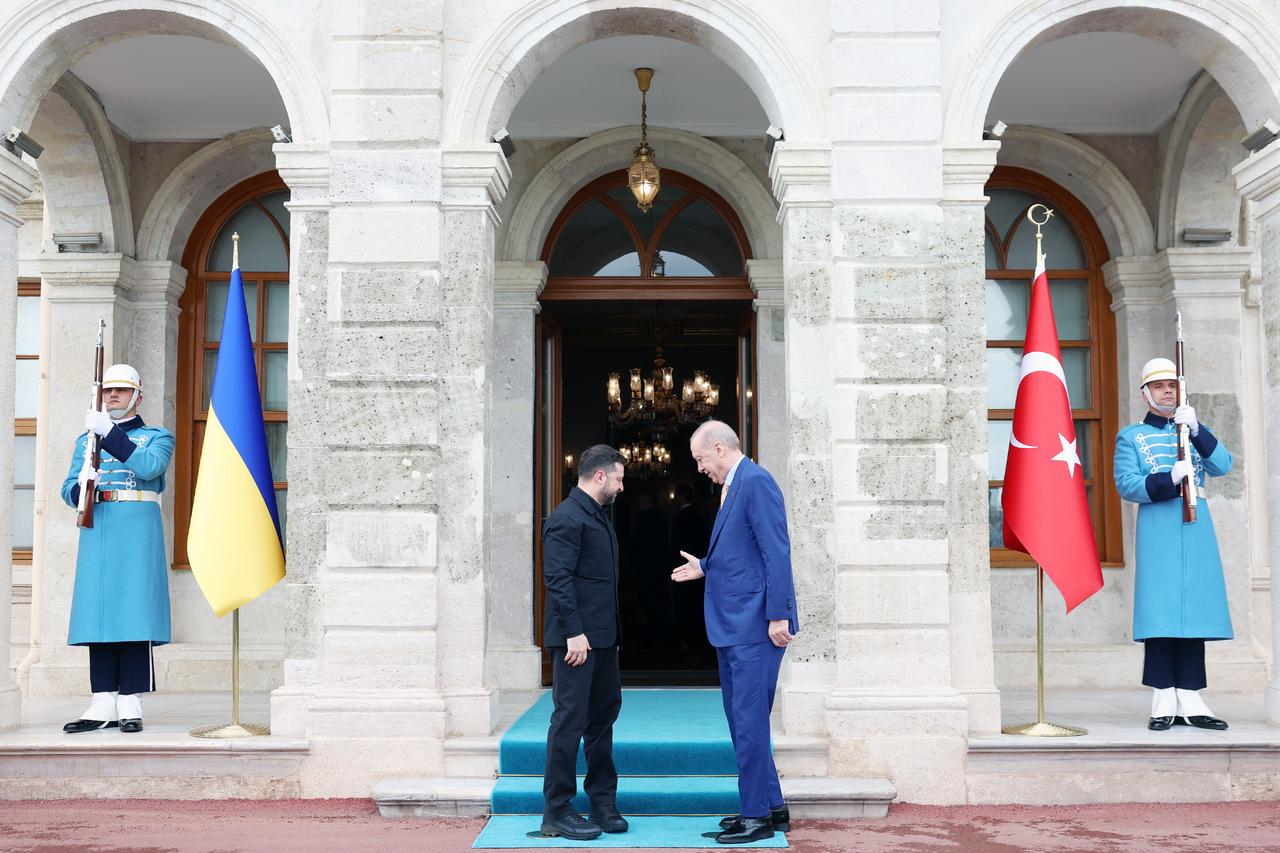
To keep Kyiv on the international agenda, Zelenskyy has moved to position Ukraine as an indispensable security partner. In late March he visited Gulf Arab states to promote Ukraine's accumulated experience countering Iranian-made Shahed drones, securing new defense cooperation agreements. On Saturday he made the same case in Istanbul during talks with President Recep Tayyip Erdogan, a day after the Turkish leader had spoken with Russian President Vladimir Putin.
Zelenskyy said Ukraine is prepared to share its drone interception technology, including low-cost interceptor drones and sea drones, with Gulf countries targeted by Iran. In return, he said, those countries could assist Ukraine with anti-ballistic missile capabilities.
Ukraine has also offered to help reopen the Strait of Hormuz, drawing on its experience securing maritime corridors in the Black Sea after Russia sought to blockade Ukrainian grain exports earlier in the war.
Following the Istanbul meeting, Zelenskyy and Turkish Foreign Minister Hakan Fidan traveled to Syria on an official visit Sunday, according to Syrian state news agency SANA. Zelenskyy said the Istanbul talks also covered the possibility of a leaders' summit in the city and that new defense agreements between Türkiye and Ukraine could be signed soon.
The latest U.S.-brokered talks between Moscow and Kyiv ended in February without a breakthrough. Zelenskyy accused Russia of deliberately prolonging negotiations while continuing its military campaign, and said Ukraine remains in contact with U.S. negotiators over potential terms, pressing for stronger security guarantees.
Gen. Oleksandr Syrskyi, commander-in-chief of Ukraine's armed forces, said Russian troops had in recent days attempted simultaneous breakthroughs at several strategic points along the front. Russia occupies roughly 20 percent of Ukraine, including the Crimean Peninsula it seized in 2014, but has been unable to capture major Ukrainian cities, making only incremental gains in rural areas.
On one point, Zelenskyy said he would not budge: any territorial compromise or cession of Ukrainian land would not be on the table.


 Set as preferred source
 Set as preferred source


 1 min read
 1 min read