Newsletters


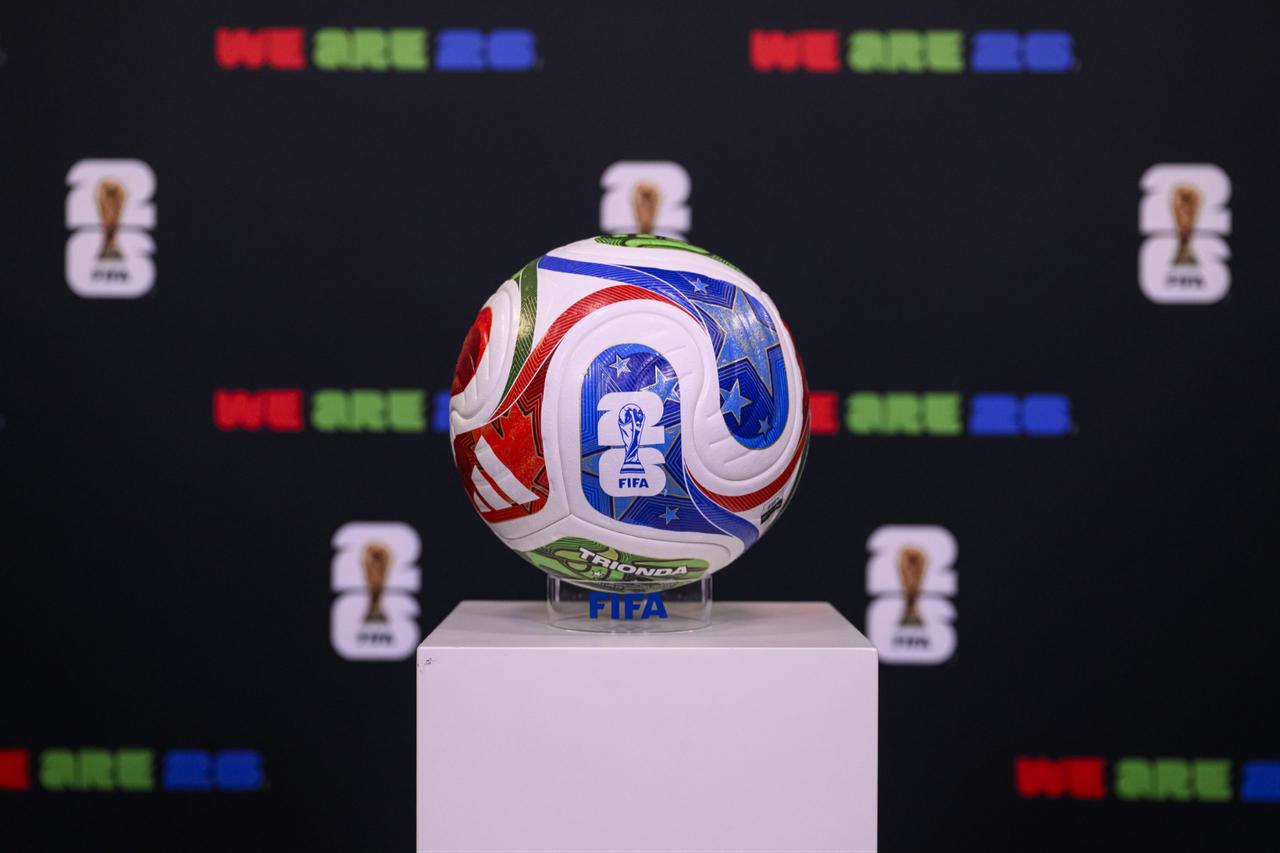


The official match ball of the 2026 FIFA World Cup, Trionda, will be charged before matches as its built-in motion sensor chip is designed to support refereeing decisions with real-time data.
The ball, created for the tournament jointly hosted by the United States, Canada and Mexico, stands out not only for its design but also for the advanced technology placed inside it. Its name, Trionda, means “three waves” in Spanish and reflects the first World Cup to be staged across three host countries.
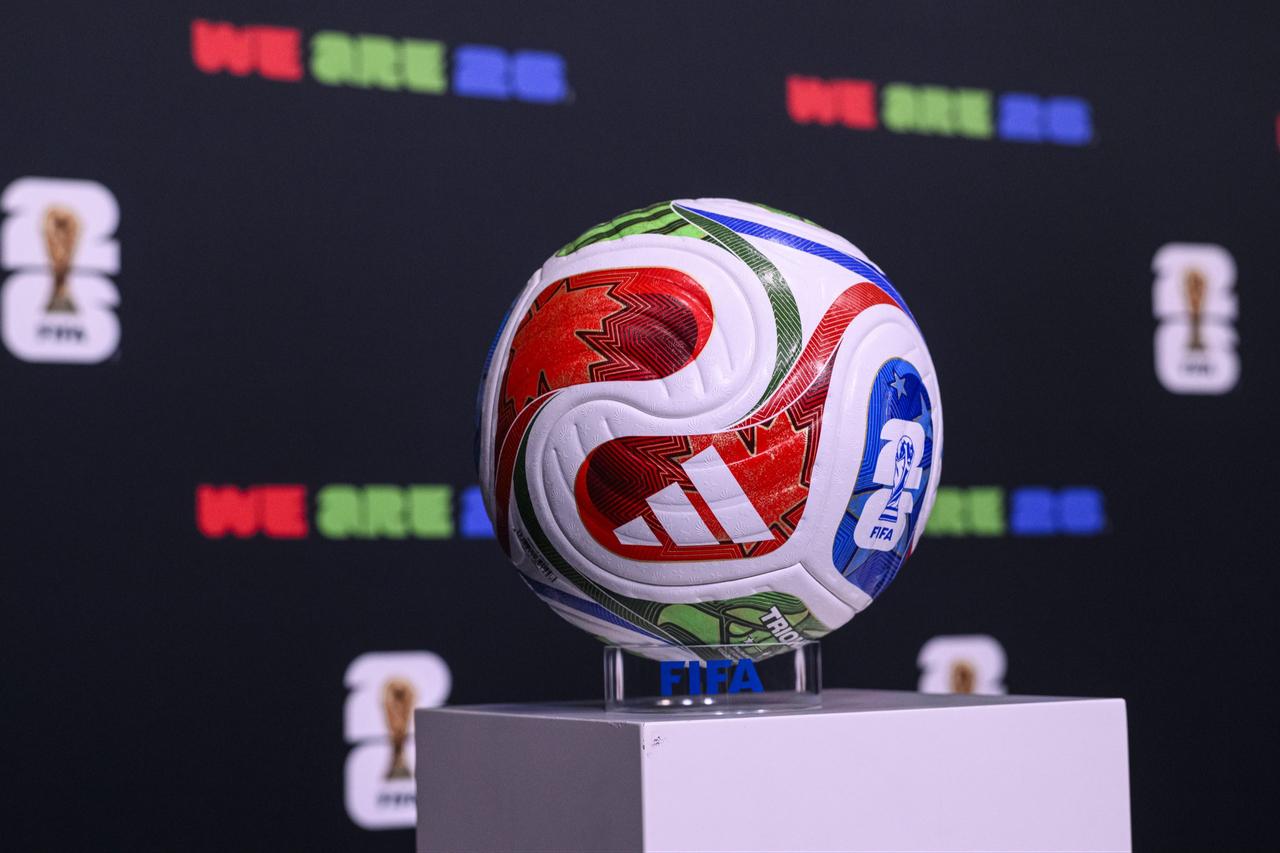

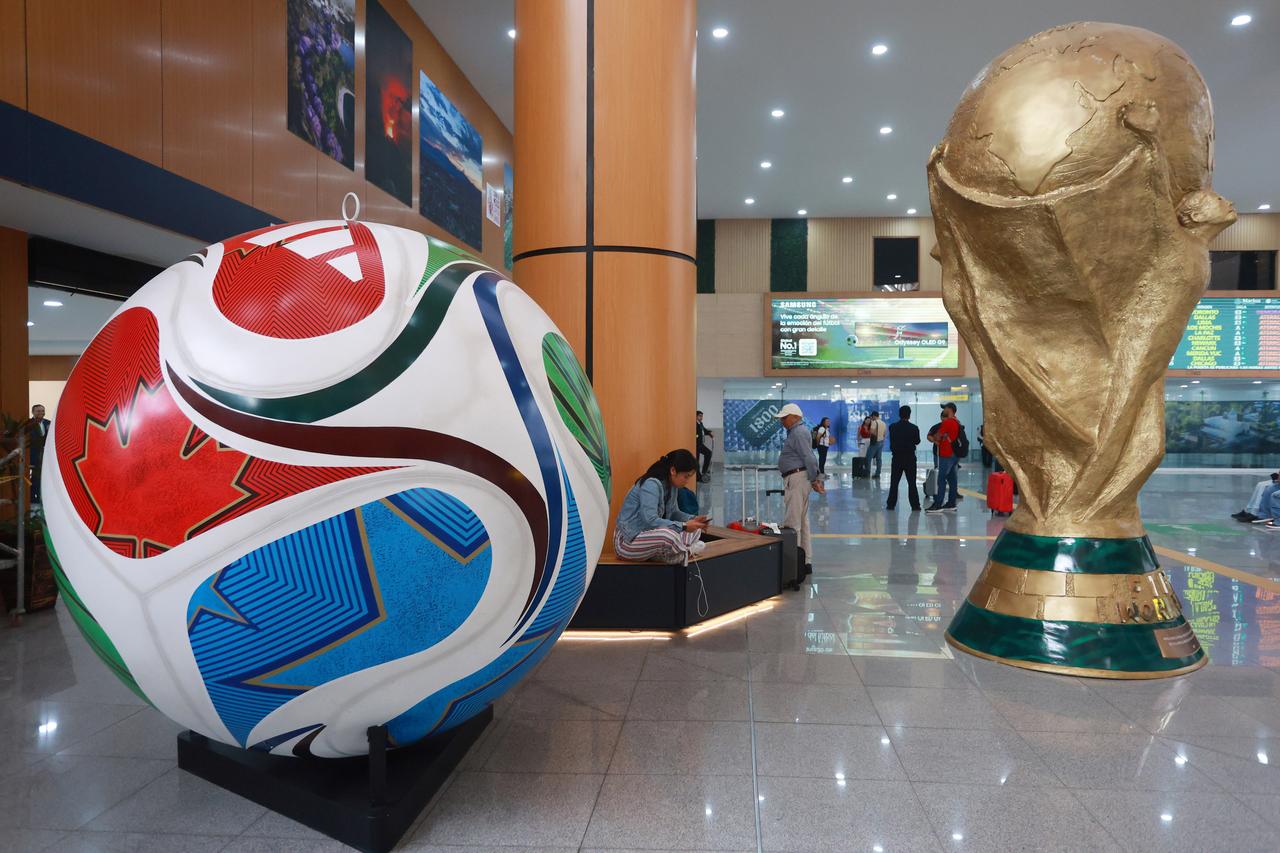
Trionda carries a red, green and blue color scheme in tribute to the three hosts of the 2026 tournament.
The ball also includes visual symbols representing each country. A maple leaf stands for Canada, an eagle represents Mexico, and a star refers to the United States.
Together, these details underline the shared hosting model of the tournament while giving the ball a distinct identity connected to North America.
According to FIFA, Trionda features several key performance upgrades. Its four-panel structure includes deep seams that help create balanced surface friction as the ball moves through the air, supporting flight stability during matches.
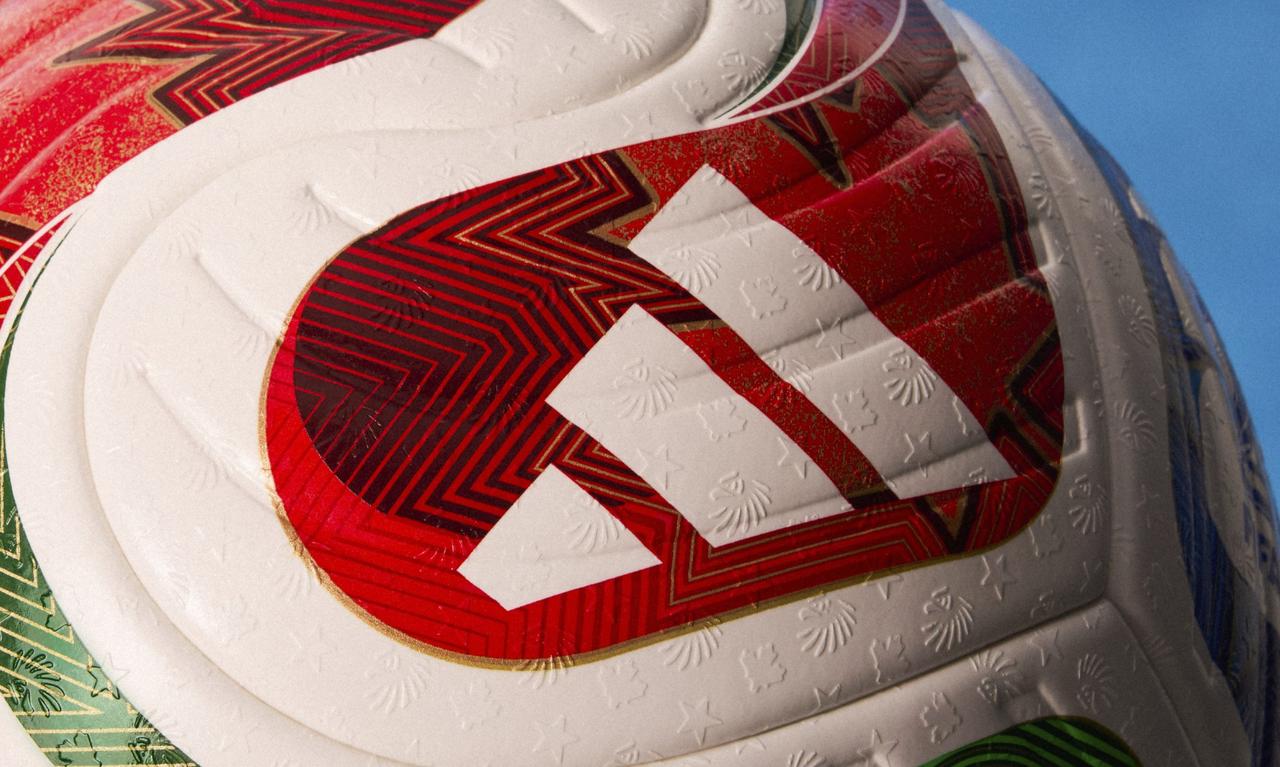
The ball also includes embossed icons that are visible only from close range. These details are designed to improve grip when players shoot, pass or dribble in wet or humid conditions.
Its most notable feature is a 500 Hz motion sensor chip, which provides information about every element of the ball’s movement. The technology sends precise real-time data to the video assistant referee system, widely known as VAR, which helps match officials review key incidents, including offside decisions.
Because of the motion sensor technology inside it, Trionda will be charged before each use.
The sensor-equipped ball can be used for about six hours on a full charge, allowing it to operate throughout match activity while continuing to send data to support refereeing decisions.


 Set as preferred source
 Set as preferred source


 2 min read