Newsletters


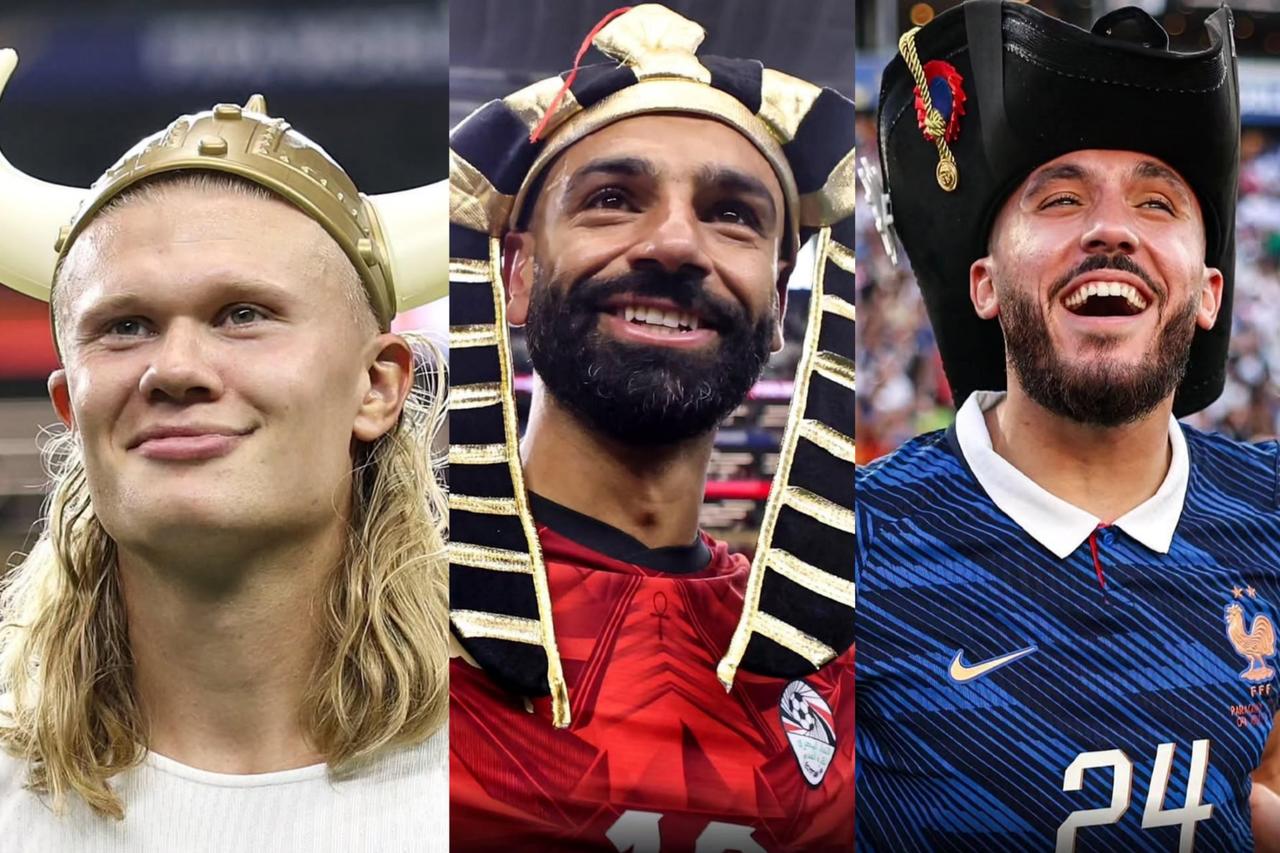


A string of post-match photos from the 2026 World Cup has put national symbolism in the spotlight, with Erling Haaland, Mohamed Salah and Rayan Cherki each celebrating major knockout-stage moments through culturally charged headwear.
Haaland appeared in a Viking-style helmet after Norway beat Ivory Coast 2-1 in the Round of 32, with reports describing the moment as part of a wider “Viking row” celebration involving the squad and supporters.
Salah’s pharaonic-style headpiece came after Egypt beat Australia 4-2 on penalties following a 1-1 draw, securing the country’s first World Cup knockout victory. Egypt captain Salah called the result “history,” saying his team had managed to write a new chapter on football’s biggest stage.
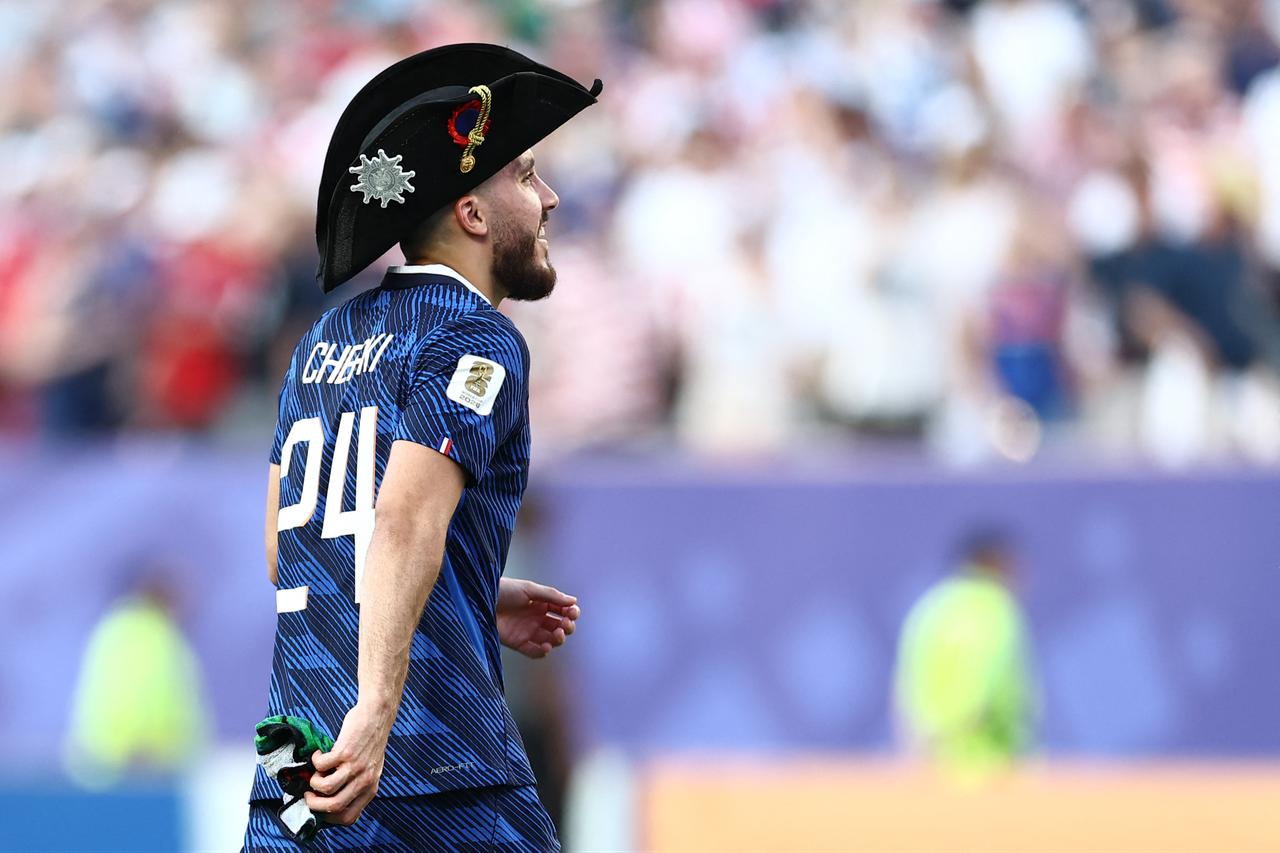

Rayan Cherki wore a Napoleon-style bicorne, a two-cornered hat associated with Napoleon Bonaparte, after France beat Paraguay 1-0 in the last 16. Cherki had come on as a late substitute before France moved into the quarter-finals through Kylian Mbappe’s second-half penalty.
The hat stood out because Napoleon is not only a historical figure in France but also a symbol of military power and empire.
French-language coverage noted that some fans saw the image as a playful post-match moment, while others questioned whether such a symbol carried political meaning on a football pitch.
Cherki himself added to the debate after the physical match, saying: “Today, we show those who want to go to war against us... that we are ready to go to war too.”
In all three cases, the headwear turned victory into a visual message.
Haaland’s Viking helmet tied Norway’s run to Norse heritage and fan unity, Salah’s pharaonic look pointed to Egypt’s ancient identity after a historic win, and Cherki’s bicorne linked France’s progress with one of the country’s most recognizable historical images.


 Set as preferred source
 Set as preferred source


 2 min read