Newsletters


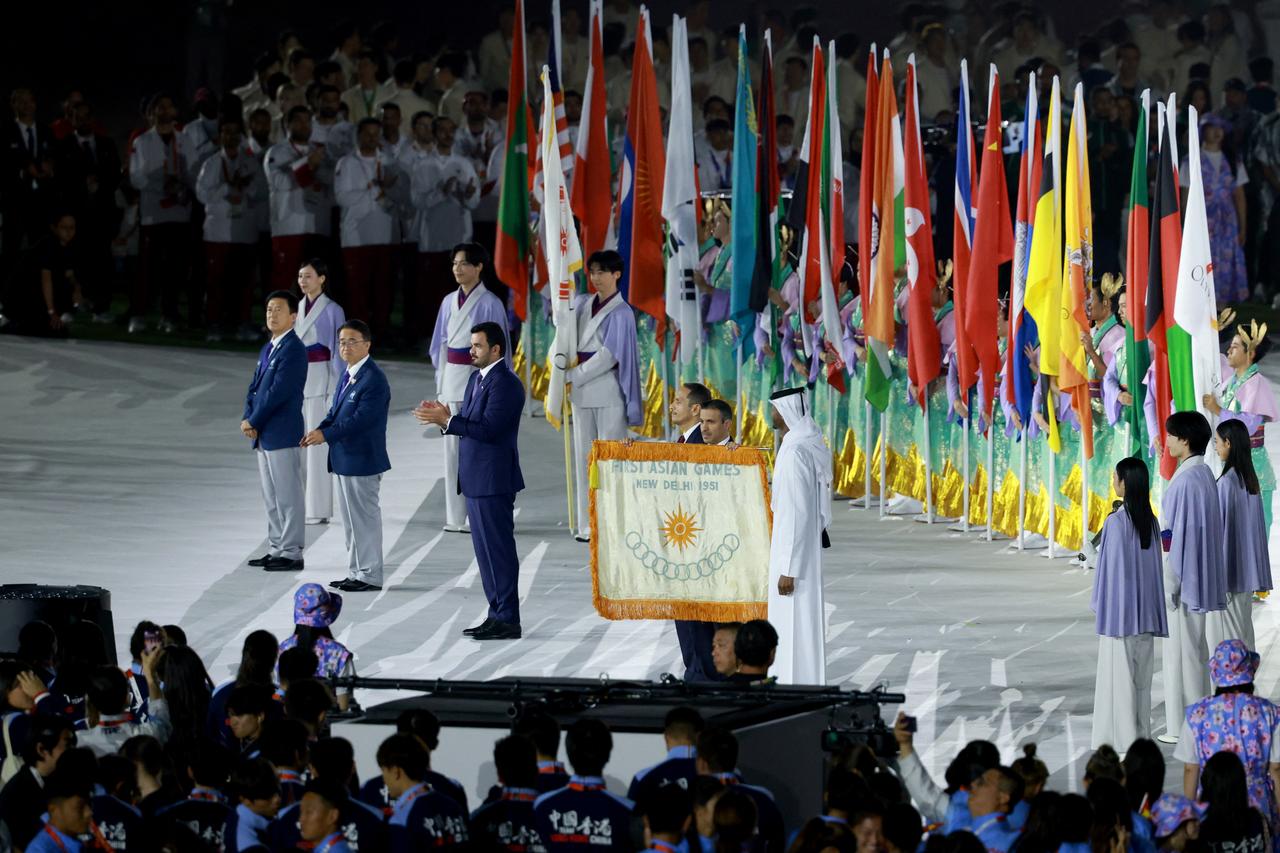


The 20th Asian Games closed Sunday in Nagoya, the capital of Aichi Prefecture in central Japan, with a 90-minute ceremony at Mizuho Park Athletic Stadium. Olympic Council of Asia (OCA) President Sheikh Joaan bin Hamad Al Thani declared the Games closed, and the OCA flag was handed to Doha, which hosts the 21st edition in 2030.
The Games began Sept. 19 and lasted 16 days. About 17,000 athletes and officials from 45 countries and regions competed across 43 sports. The OCA said over 350 records were broken, including more than 50 world records, which it described as a record for the Asian Games.
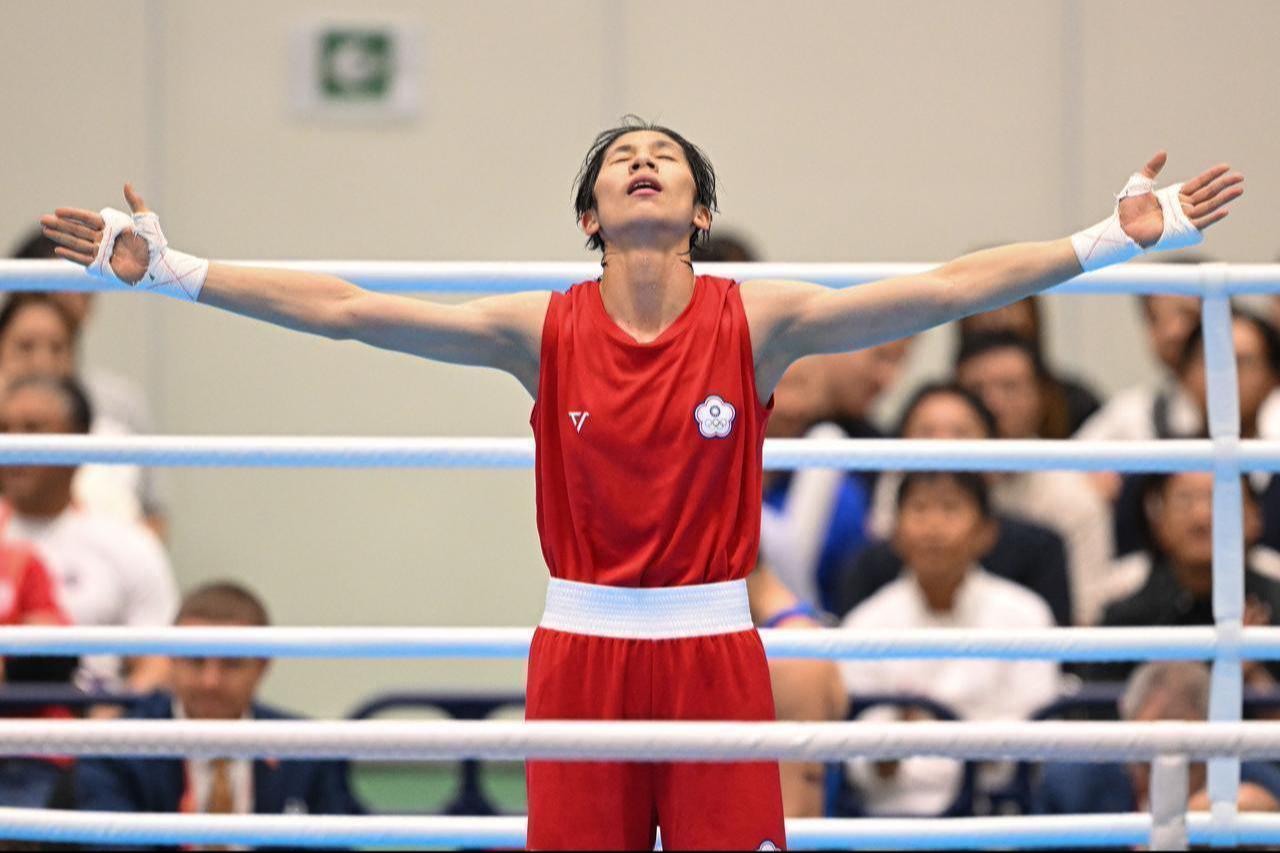

China finished first with 169 gold, 89 silver, and 83 bronze medals, a total of 341, and its best haul at an Asian Games outside its own territory.
Japan placed second with 83 gold, 95 silver and 91 bronze medals, a total of 269, and its highest gold count at the Games. The host sent its largest team ever, with 932 athletes.
South Korea took third place with 150 medals, including 39 golds. India finished fourth with 85 medals (21 gold, 27 silver, and 37 bronze), ahead of Uzbekistan on the number of silver medals after both won 21 golds.
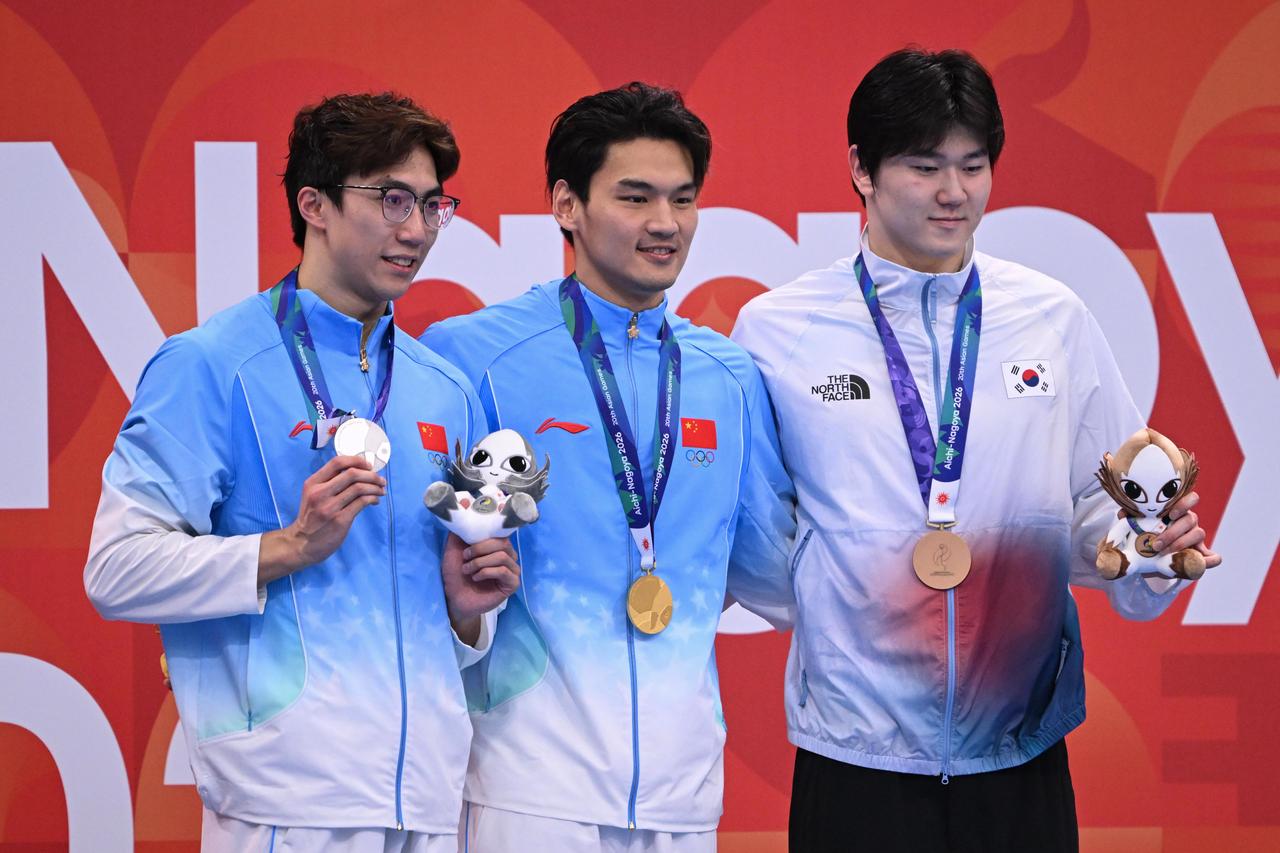
Chinese swimmer Yu Zidi, 13, won all three individual events she entered in the pool in Tokyo. She took the 200-meter butterfly on Sept. 20 in a Games record and the 200-meter individual medley on Sept. 21 in an Asian record of 2 minutes, 6.10 seconds.
That mark is 0.40 seconds off the world record of 2:05.70 held by Canada's Summer McIntosh. Yu completed the sweep in the 400-meter individual medley on Sept. 23 in a Games record of 4:28.56. She was named the women's most valuable player.
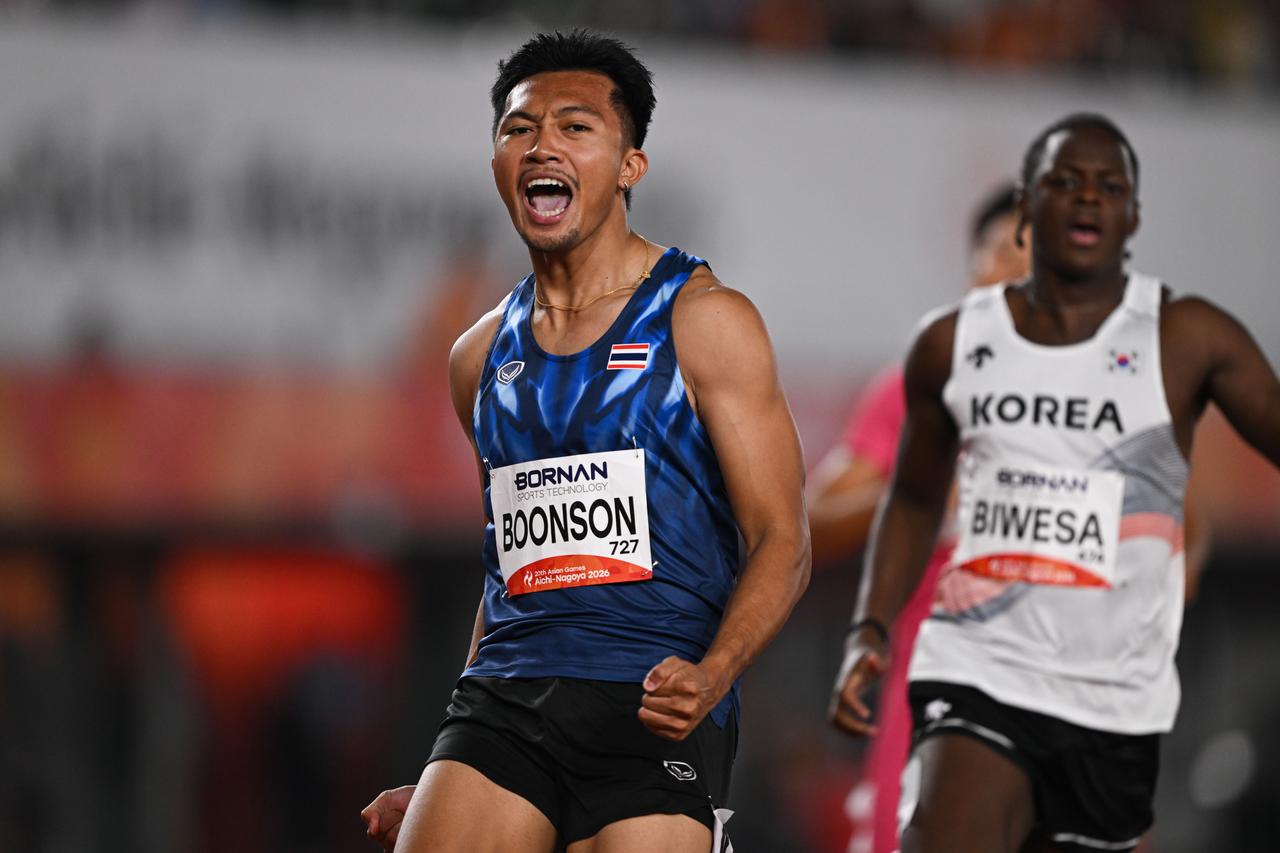
Thailand's Puripol Boonson, 20, won the men's 100-meter title on Sept. 25 in 9.90 seconds, a Games record. His semifinal time of 9.91 seconds had already beaten the 9.92 set by China's Su Bingtian at the 2018 Asian Games in Jakarta. Only Su has run faster among Asian sprinters. It was the first men's 100-meter gold for Thailand since 1978. Puripol was named the men's most valuable player.
 2 min read

Japan's Yuki Kurihara, 11, won the Puyo Puyo Champions puzzle title on Sept. 26 at Aichi Sky Expo in Tokoname, Aichi. It was Japan's first esports gold at the Asian Games.
The OCA confirmed that he is the youngest gold medalist in the history of the Games. Kurihara began playing at age 6 and obtained a professional license in April. Esports became a medal event at the previous edition in Hangzhou, China.
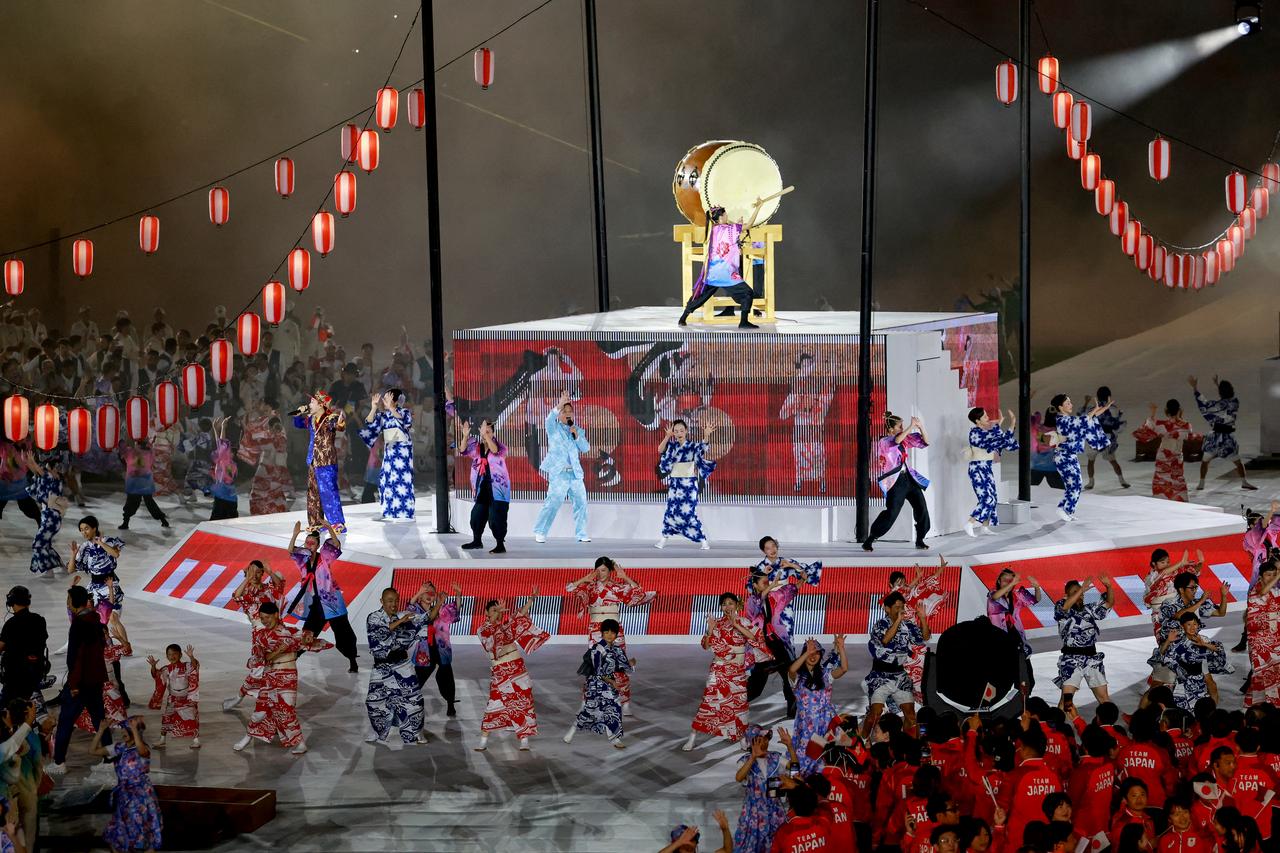
Organizers did not build a dedicated athletes' village to save money. Athletes and officials were housed in hotels, cruise ships and container-style cabins near Nagoya Port. South Korean delegates criticized the cabin beds, which measure 195 centimeters (6 feet, 5 inches) in length. Teams also reported missing room assignments and delayed buses.
Japanese Olympic Committee President Seiko Hashimoto said more people attended than organizers had expected. "We had more than we expected," she said. Several events, including the opening ceremony, took place before large numbers of empty seats.
Organizing committee president Hideaki Omura apologized Sunday for delays in accommodation check-ins and transport. The OCA acknowledged operational challenges but said the Games gave athletes the conditions to compete at their best.


 Set as preferred source
 Set as preferred source



 1 min read