Newsletters


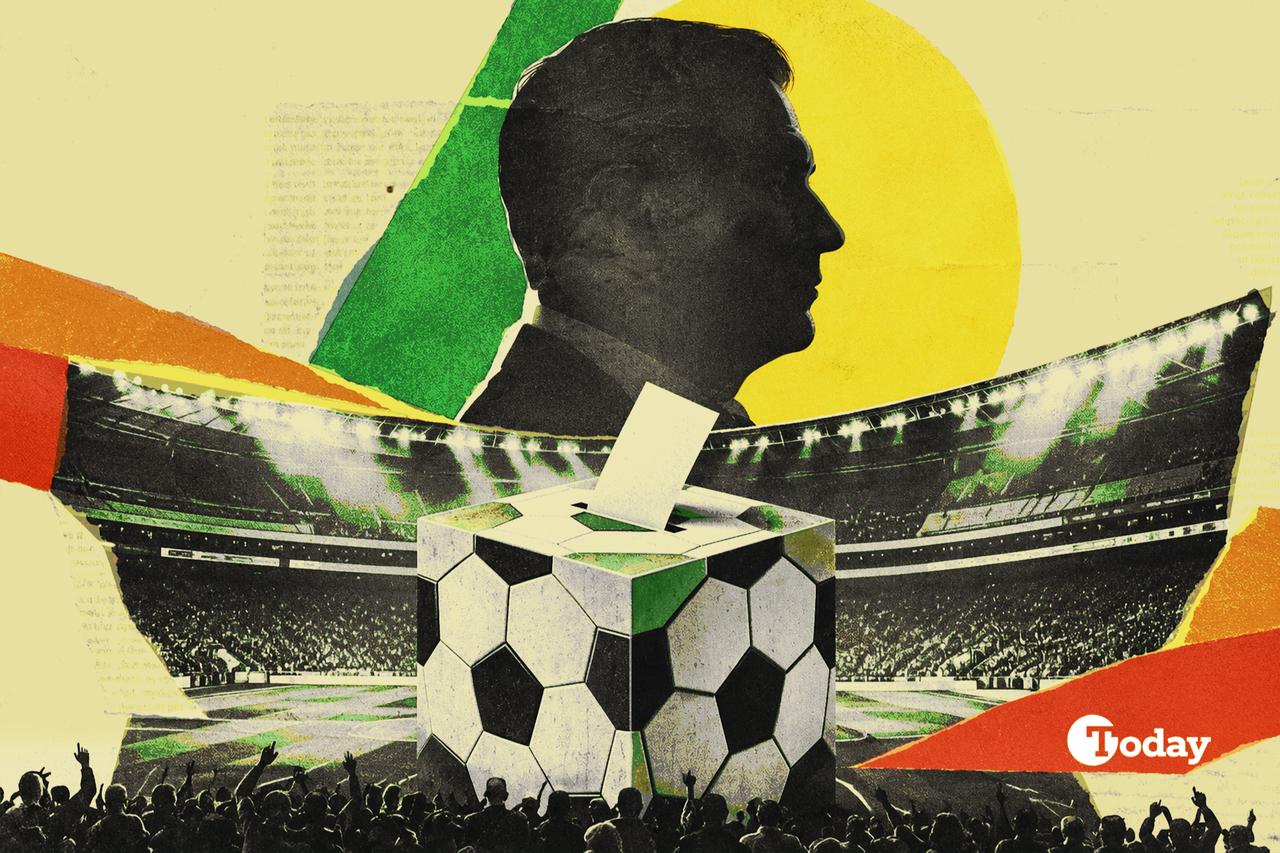


Every four years, once the World Cup is over, Brazil stages another great contest. The players are less gifted, the spectacle is rather uglier, and the prize is merely the presidency.
Lula da Silva has just won it, landing a knockout blow in the country's latest political championship. But Brazilians know the difference between a politician and a national hero. The men who really matter here are masters of balls, not ballots.
Across the world, famous athletes discover that sporting glory can be a passport to political power. In Brazil, the two have always been entangled. Pelé, the greatest footballer of them all, served as Minister of Sports without the inconvenience of an election. Had he stood, the three-time World Cup winner would have swept the field.
Romario and Bebeto swept away the world's best defenders when they led Brazil to the 1994 World Cup title. Both went on to have successful political careers.
Tiago Leme, a keen observer of the Selecao, knows how the Brazilian game is played. Like 213 million others of his compatriots, Leme gives politics some thought when the football stops.
"In Brazil, being famous is more important than actual proposals, and if a person is likeable, that’s even better," Leme muses.
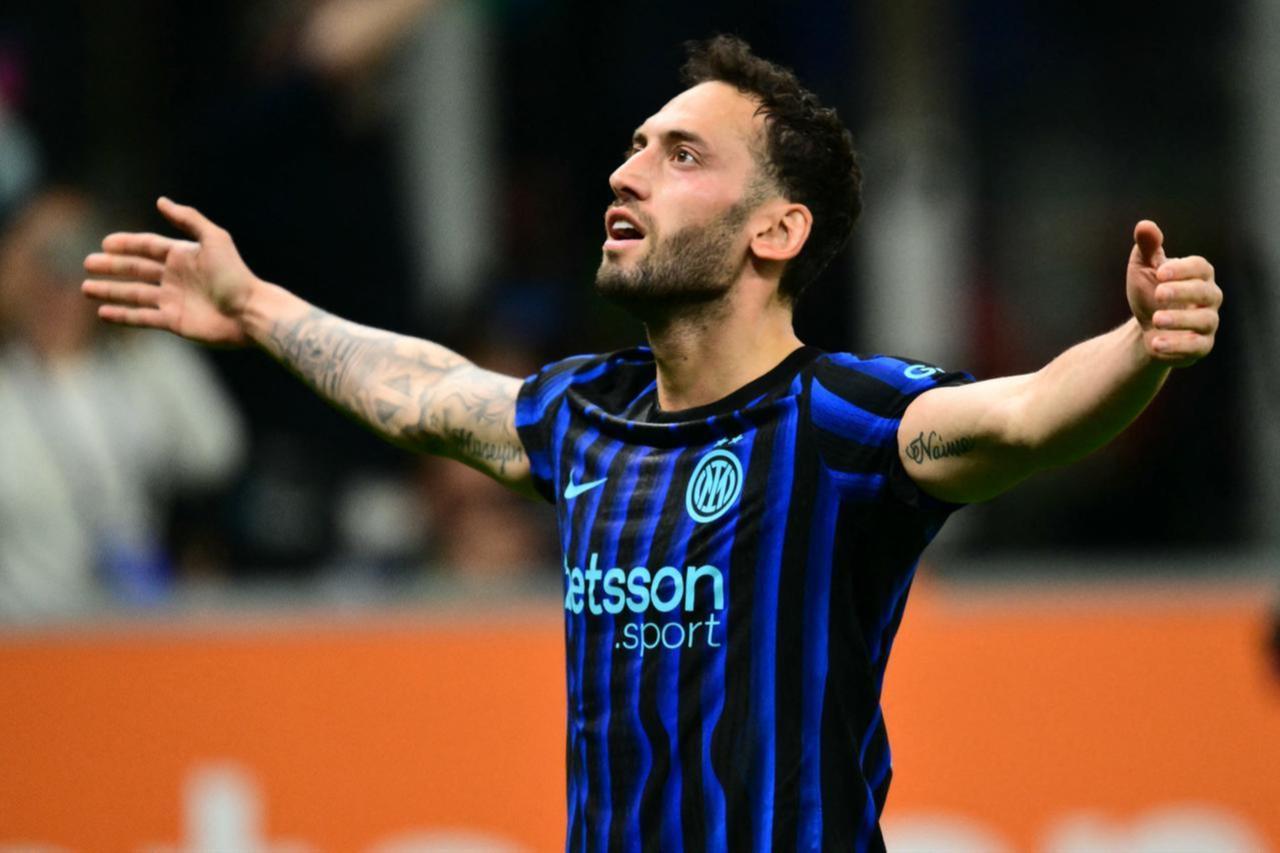
"If Neymar were for public office, maybe the reaction would be split, but everyone loves Ronaldinho Gaucho, who would have a great chance to become at least a senator, deputy or even more."
Ronaldinho, who won the 2002 World Cup with Brazil, was one of football’s great mavericks. Should he enter politics, he would join a long line of athletes who survived the brutality of professional sport only to volunteer for the greater lunacy of public office.
That lunacy has attracted five-time Olympic judo champion and national sporting icon Teddy Riner, who has just surprised the French political establishment by declaring himself a candidate to become the next president.
‘‘People will say ‘he’s never been in politics,'" Riner declared. ‘‘If refusing to bow my head and refusing chaos makes me crazy, then yes, I am completely crazy."
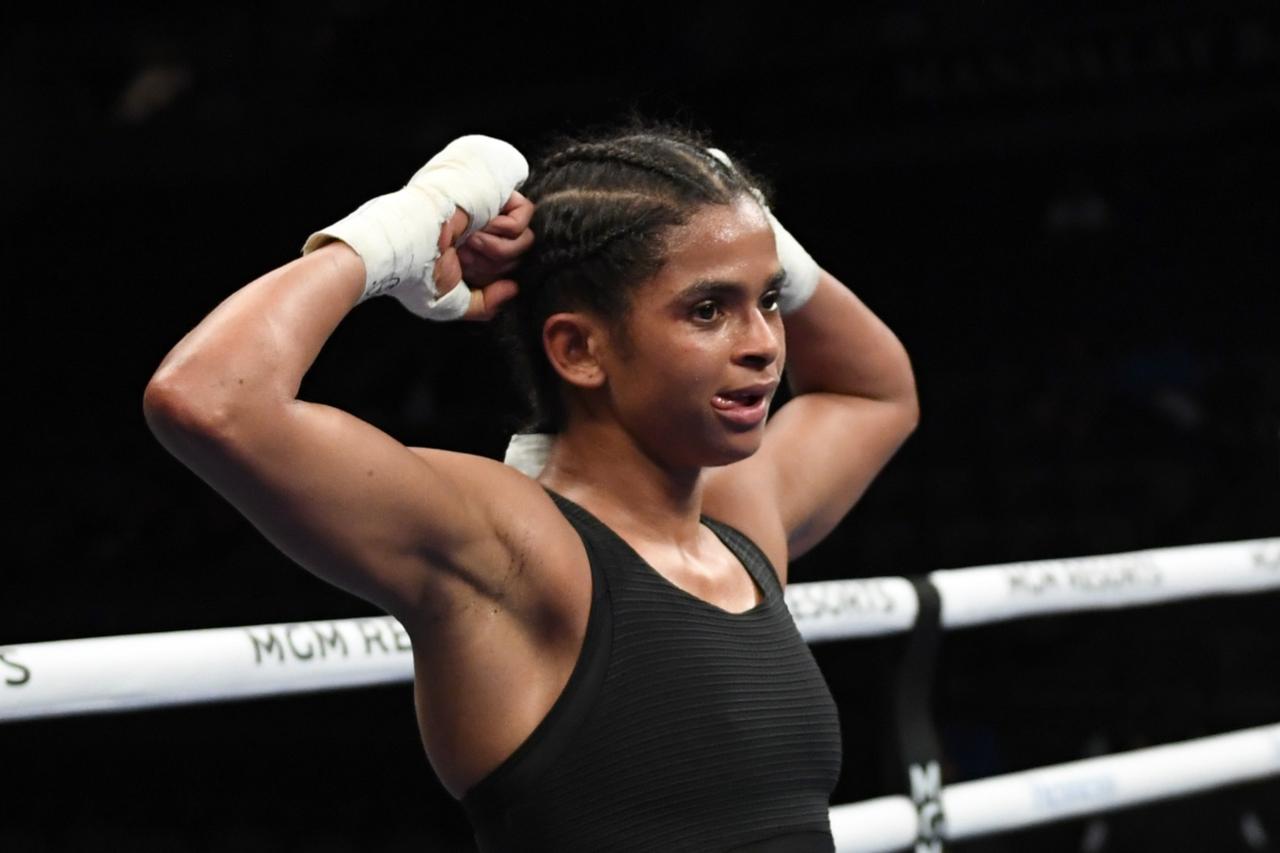
But Riner is not the first athlete to trade the podium for politics. Africa’s first football superstar, George Weah, was elected President of Liberia, serving until 2024. Boxer Manny Pacquiao wasn’t just the best pound-for-pound fighter of his generation—he also won 16 million Philippine votes in a successful Senate race. Cricket lovers remember Imran Khan as one of the great all-rounders before he was elected Prime Minister of Pakistan.
For over 12 years, former heavyweight boxing champion Vitali Klitschko has run Kyiv, a demanding assignment made infinitely more dangerous by Vladimir Putin, a judo black belt who has traded the discipline of the dojo for the indiscriminate violence of an invading army.
The man who started it all?
Former wrestler and U.S. Navy SEAL Jesse ‘The Body’ Ventura, who sensationally won the Minnesota governorship in 1999 to pave the way for an army of populist politicians who are now very much prize fighters at the ballot box.
And the bench is getting crowded.
Recent Portuguese presidential candidate Tim Vieira couldn’t conceal his desperation to ride on the coattails of superstar Cristiano Ronaldo, whom he would have immediately appointed to the Portuguese Council of State.
"He embodies discipline, leadership, and unconditional love for his country."
Politicians can only dream of this adoration.
Over in Serbia, tennis legend Novak Djokovic is not so much a record 24-time Grand Slam champion as a national savior. The Balkans are not a part of the world where politicians give up office easily, but former President Boris Tadic broke the template. ‘‘I would immediately let Djokovic be the president, and I can’t wait to hand over the job."
Tadic has since hung up his political racket, while his latest successor, Aleksandar Vucic, just lost a game, set and match to a bunch of leaderless students. Why not call Novak?
Such a move wouldn’t surprise Daniel Finkelstein, a man implanted in the curious nexus of politics and sports. A key adviser and close friend to former U.K. Prime Minister David Cameron, Finkelstein now combines a seat in the House of Lords with a directorship of Premier League giants Chelsea.
"There is a feeling in politics that if you are accomplished at something, it makes you easier to respect. Sporting achievement is an objective measure of accomplishment."
There’s psychology at play here. Politicians and footballers, Finkelstein has learnt, share key qualities: ruthlessness, self-discipline, high intelligence and a will to win.
Sports stars’ political prospects are boosted by attributes that elected officials crave. Instant name recognition. A ready-made fan base. Mind-boggling social media numbers. Proof positive of spilling blood for a nation. And, crucially, a quality rarely associated with politicians: integrity.
A 2026 Ronald Reagan Presidential Foundation poll found that 63% of Americans believe sports have a positive impact on a person’s integrity. That figure for politics is just 28%.
So, what could go wrong? Quite a lot, actually. Khan swatted away some of the greatest bowlers the world has ever seen. But after an assassination attempt, he had no reply to the judge who sent him to prison for 31 years on corruption charges. Khan currently languishes in the maximum-security Adiala prison in Rawalpindi, which is about as far from taking tea and scones at the famed Lord’s Pavilion as one could imagine.
Weah was famed for his jaw-dropping goals for Monaco, Paris Saint-Germain and A.C. Milan. But Liberian voters have short memories when stomachs go unfed and never gave him a second term.
Athletes must understand a key difference between these two worlds. Unlike politics, sports have things called rules. That same 2026 survey concluded that two-thirds of Americans think athletes should congratulate opponents after losing, while a minority believe the same applies to politicians.
Forming part of that minority is Flavio Bolsonaro, Da Silva’s beaten rival in Brazil.
After losing October’s election, he promptly declared the results invalid and hopped on a flight to Florida to avoid money laundering charges. Perhaps he was getting tactical advice from his father, Jair, still under house arrest for plotting a coup against Da Silva.
Hmm… have the Bolsonaros rewritten football history, too, handing Brazil Spain’s World Cup?
Aspiring athletes take note:
The political transfer window is wide open. Winning is easy. Surviving the victory lap is another sport.


 Set as preferred source
 Set as preferred source


 1 min read