Newsletters




All 41 member associations of CONCACAF have formally rejected FIFA's proposal to open the commercial operations of the World Cup to private equity investment, the confederation said Thursday, deepening a governance dispute that has drawn criticism from football bodies and politicians around the world.
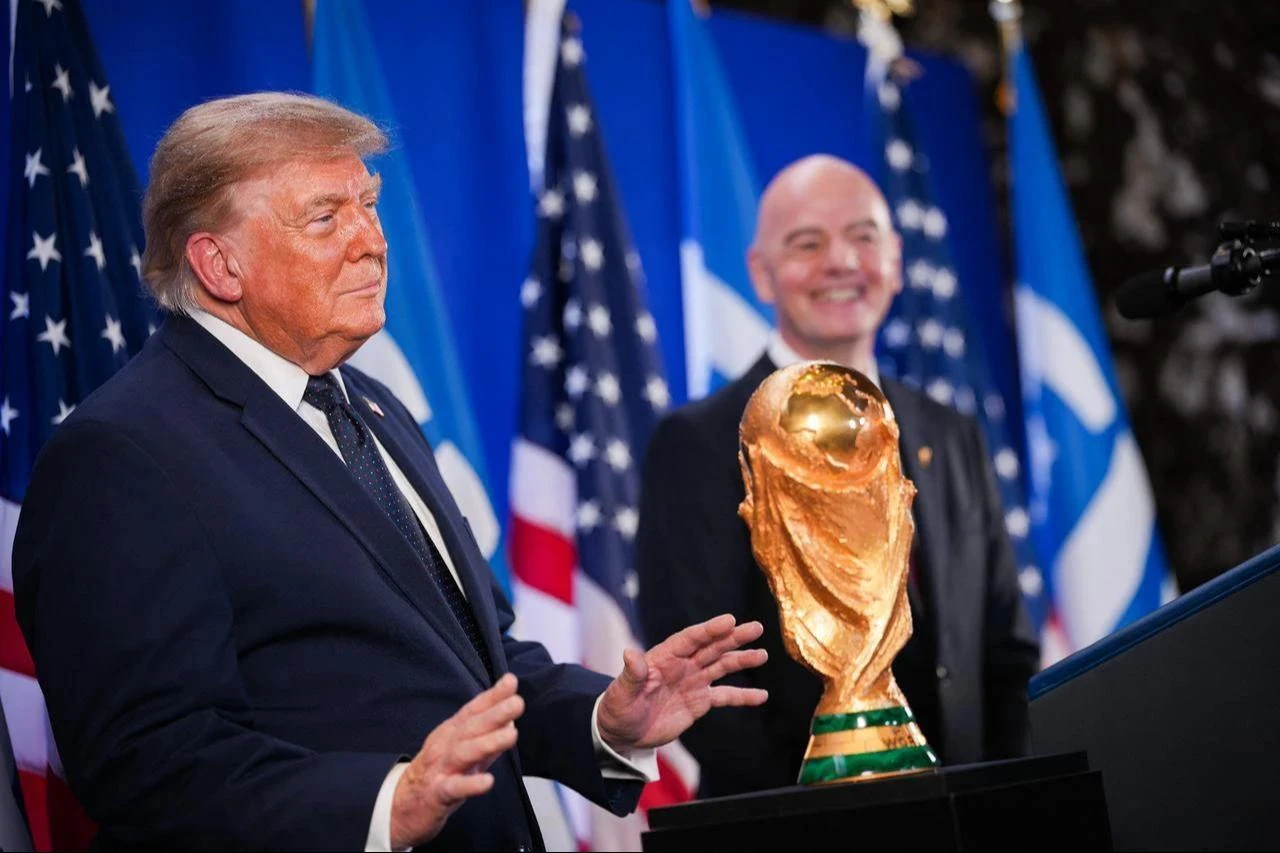
The rejection, announced following a meeting of CONCACAF presidents, represents a significant rebuke to FIFA president Gianni Infantino, who had argued the plan would "turbocharge the development of the game globally" by raising as much as $4.2 billion. But the confederation stopped short of joining UEFA's threat to boycott future FIFA competitions if the governing body presses ahead.

In a statement, CONCACAF cited procedural failures as the central reason for its opposition, pointing to "the lack of due process surrounding the proposal, the artificially short deadline imposed, and the absence of any review or approval by the relevant FIFA governance bodies."
The confederation also questioned the basic rationale for bringing in outside capital at all, noting that the need for private equity funding had not been established following what it described as "the most profitable FIFA World Cup in history." The statement called for "greater transparency and proper governance" in how FIFA conducts its affairs.
Earlier this week, FIFA unveiled plans to create a commercial subsidiary that would manage its flagship events, including the World Cup and the Club World Cup, and would be open to minority investment from private equity. Infantino framed the initiative as a vehicle for accelerating football development globally, but the proposal was met almost immediately with pushback from across the sport.
UEFA was among the first to escalate its opposition, threatening to pull its member nations from future FIFA competitions, a step that would put the viability of any World Cup at risk. The backlash extended beyond football institutions to include political figures in several countries.
Rather than accepting outside investment, CONCACAF said its members would press FIFA to examine how its existing financial reserves, which the confederation described as "vast," could be redirected toward football development programs across the region. The confederation also called on Infantino to ensure that any future proposal "follows the proper governance processes via staff and FIFA Council, in accordance with the FIFA Statutes."
CONCACAF represents Central America, the Caribbean and North America, and counts among its 41 associations the three co-hosts of the recently concluded 2026 World Cup: the United States, Mexico and Canada. U.S. Soccer signaled its alignment with the decision on social media, writing that it "stands with CONCACAF and its members."
In closing, CONCACAF framed the dispute in terms of ownership and identity, saying its actions reaffirm that "football's future, and its greatest asset, must remain in the hands of our football family."


 Set as preferred source
 Set as preferred source


 1 min read
 1 min read