Newsletters


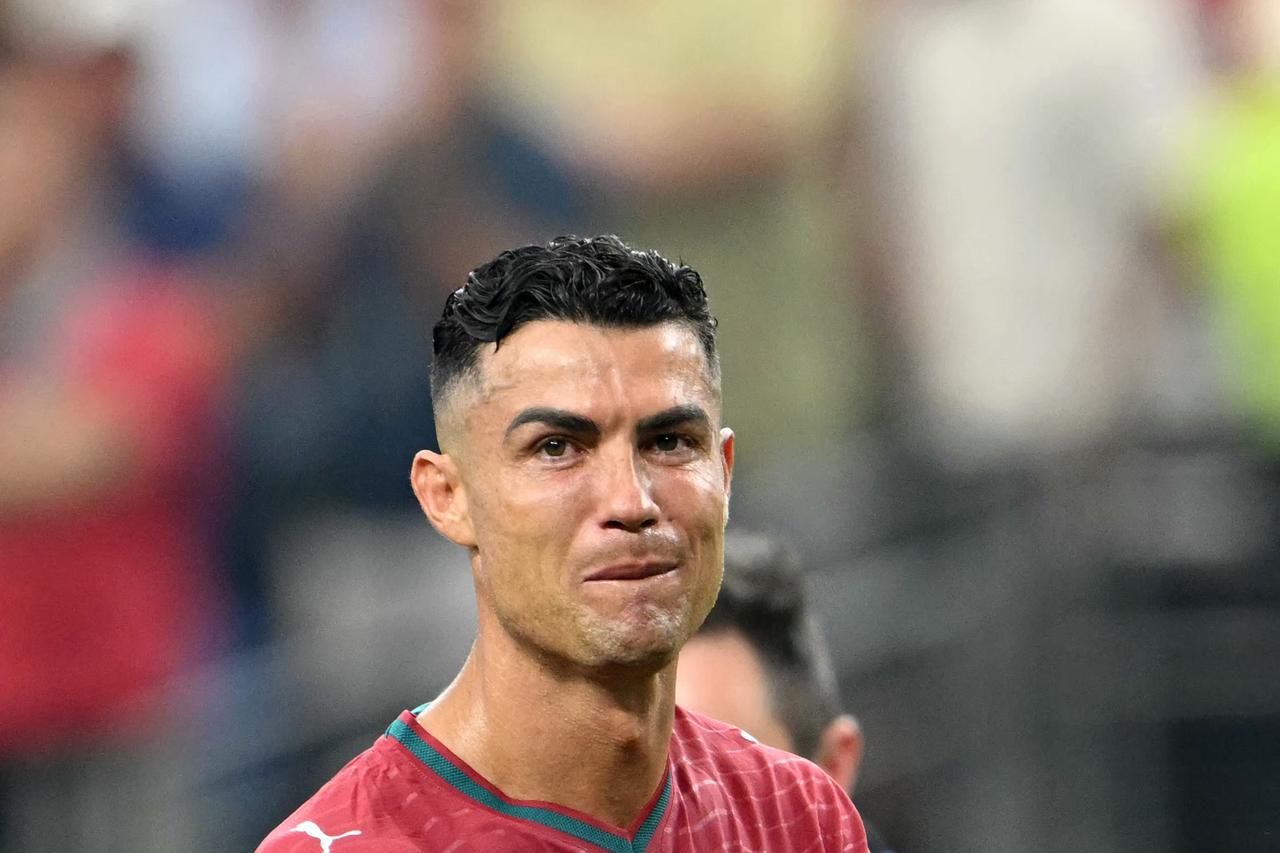


In the past two decades, Cristiano Ronaldo has defined excellence in football for millions of football fans.
He broke records that once seemed untouchable, collected trophies across Europe's biggest leagues, built one of the largest personal brands in sports history, and became the first footballer to reach billionaire status through his career.
Millions copied his "Siuuu!" celebration, while generations grew up watching him push the limits of what seemed physically possible.
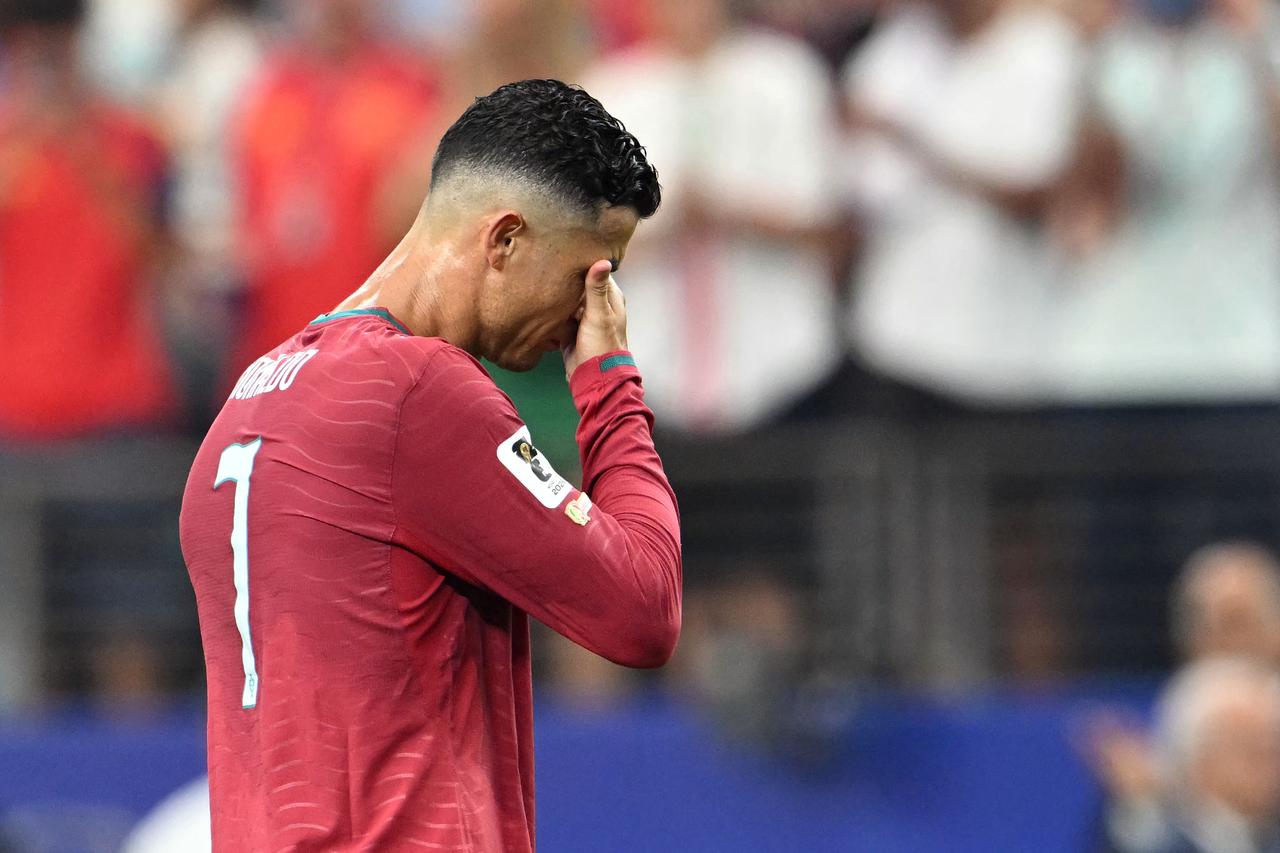
Yet when Portugal's World Cup journey came to an end with a 1-0 defeat to Spain, one image overshadowed every statistic and accolade: Ronaldo walking off the field in tears after the final World Cup match of his career.
For the player who conquered nearly everything football had to offer, the sport's biggest prize remained just beyond reach.
Long before he became one of the world's most recognizable athletes, Cristiano Ronaldo dos Santos Aveiro was a skinny boy growing up in the working-class neighborhood of Santo Antonio on Portugal's Atlantic island of Madeira.
Life was far from glamorous. His father worked as a municipal gardener and part-time kit man, while his mother cleaned houses and cooked to help support the family. Money was scarce, and Ronaldo later spoke openly about sharing a bedroom with his siblings and growing up in difficult circumstances.
Football quickly became his escape.
His extraordinary talent stood out from an early age, and at just 12 years old he left his family behind to join Sporting Lisbon's academy nearly 1,000 kilometers (621.37 miles) away in Lisbon.
Homesickness was constant, but so was his determination.
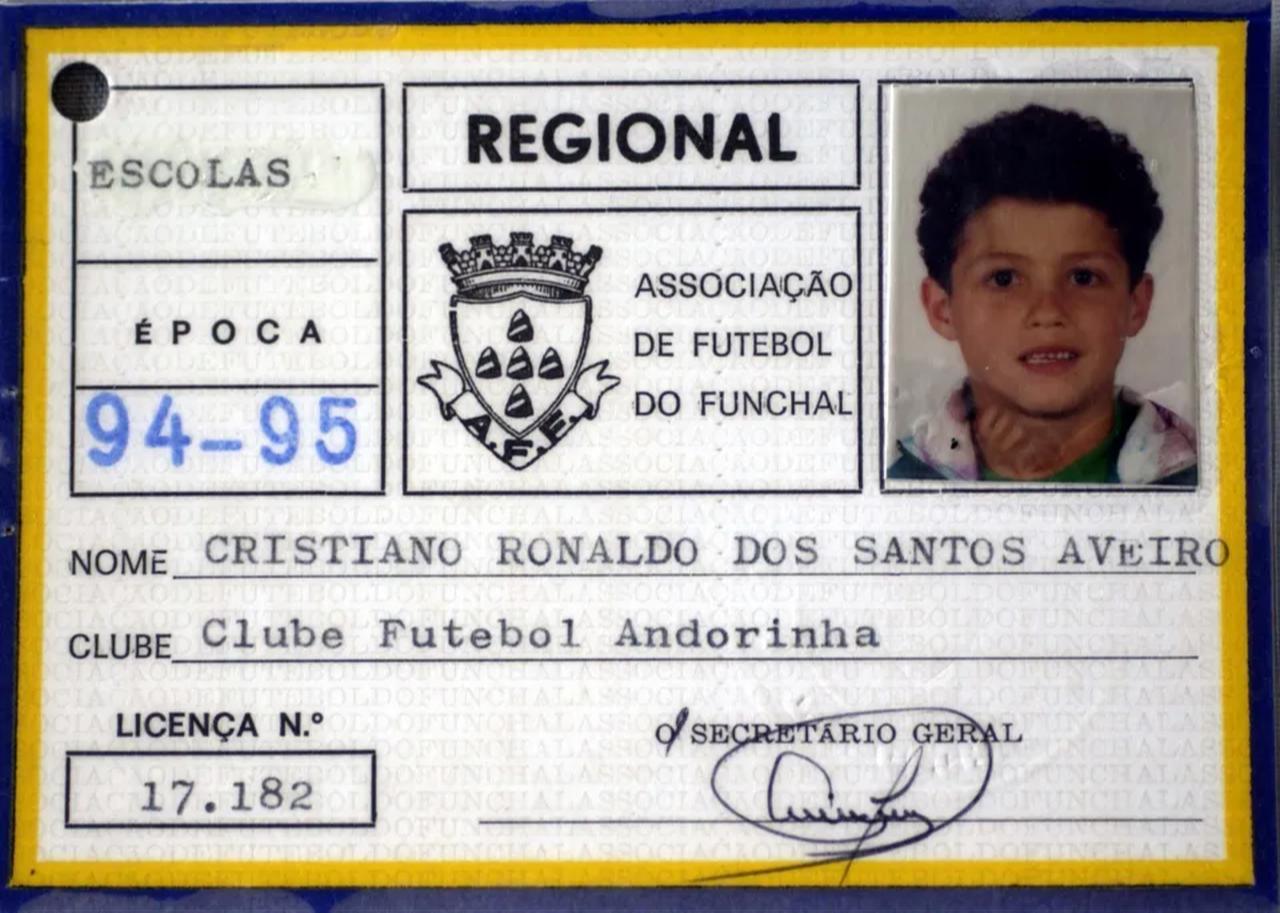

At Sporting, talent alone wasn't enough. Coaches admired his speed and technical ability but challenged him to become stronger, faster and more disciplined. Ronaldo embraced every criticism.
He spent countless extra hours training after teammates had gone home, refining every aspect of his game. That relentless work ethic would become his defining characteristic throughout his career until everything changed in 2003.
During a friendly between Sporting Lisbon and Manchester United, the 18-year-old dazzled Sir Alex Ferguson's team so completely that several United players urged their manager to sign him immediately.
Ferguson listened and within days, Ronaldo became a Manchester United player.
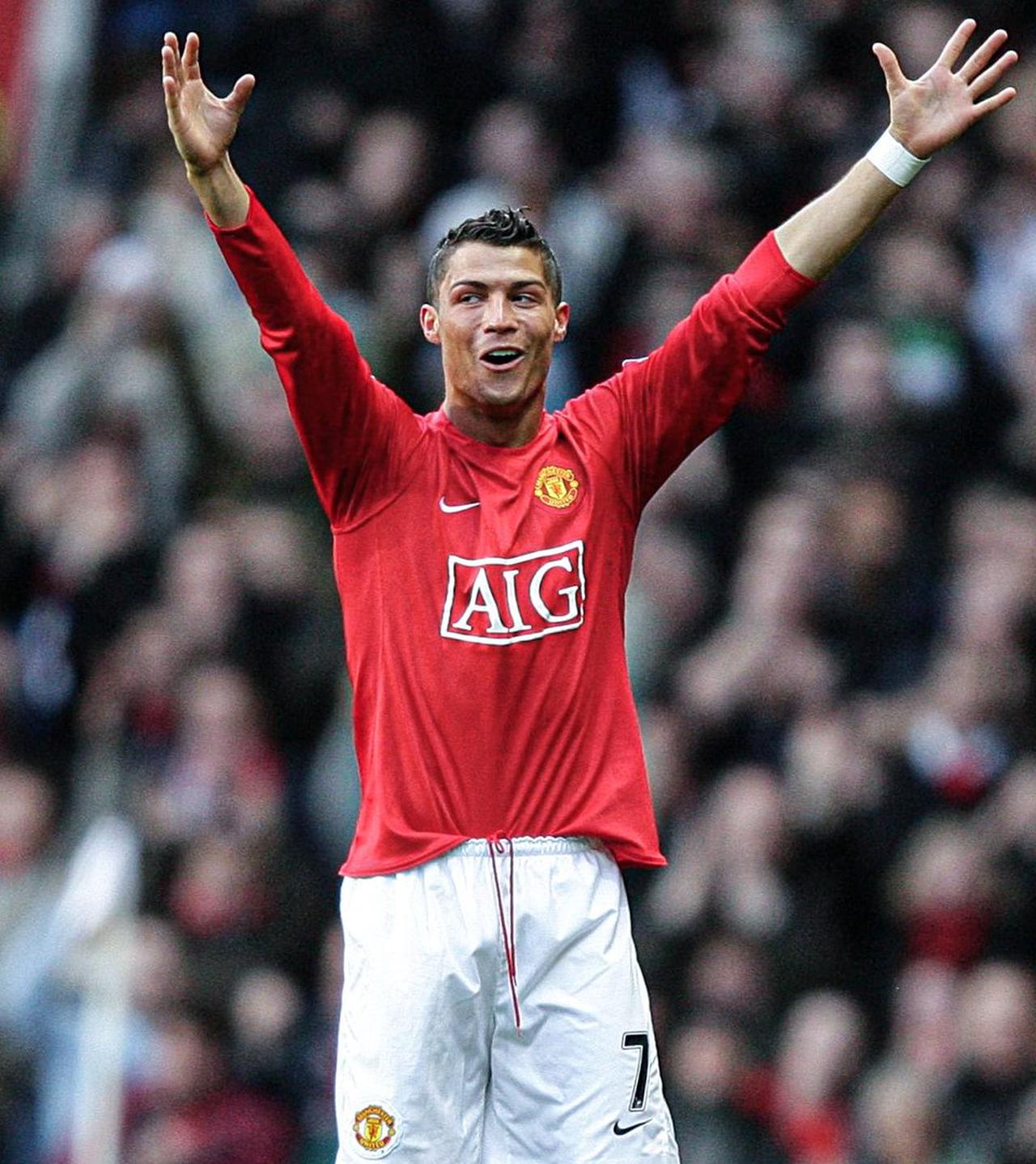
England transformed Ronaldo from an exciting teenager into one of football's elite. Under Ferguson's guidance, he evolved into a complete forward—combining explosive pace, dazzling dribbling, aerial dominance and an unmatched eye for goal.
During six seasons at Manchester United, he won three Premier League titles, the UEFA Champions League and his first Ballon d'Or. But his greatest chapter was still to come.
In 2009, Ronaldo joined Real Madrid in what was then the most expensive transfer in football history. It was there that he cemented his place among the greatest players ever to play the game.
Over nine unforgettable seasons, Ronaldo scored an astonishing 450 goals in 438 matches, becoming Real Madrid's all-time leading scorer.
He lifted four more Champions League trophies, won four Ballon d'Or awards while wearing the famous white shirt, and built one of football's greatest rivalries with Lionel Messi. Week after week, Ronaldo turned impossible goals into routine moments.
Rather than fading as he aged, Ronaldo adapted. He moved from explosive winger to clinical striker, extending his career through relentless fitness, strict discipline and an obsession with improvement.
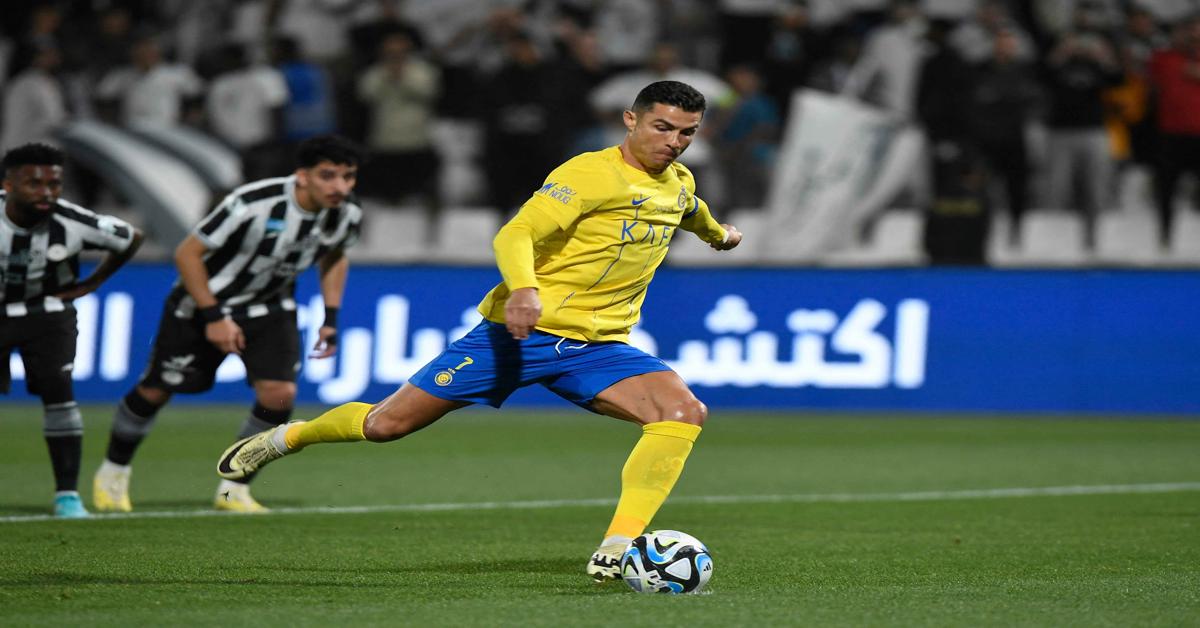
His journey later took him to Juventus, back to Manchester United, and eventually to Saudi Arabia's Al Nassr, where he became the face of the country's rapidly growing football ambitions.
Away from the pitch, Ronaldo's influence became just as extraordinary.
He built a global business empire spanning fashion, hotels, fitness, fragrances and digital media, becoming football's first billionaire and the most-followed athlete on social media. His success stretched beyond football.
For many years, critics argued that Ronaldo's international career lacked one defining achievement. He answered them in 2016.
Against all odds, Portugal won the UEFA European Championship, the country's first major international trophy. Ronaldo, forced off injured early in the final, spent much of the match coaching from the sidelines before lifting the trophy as captain.
Three years later, Portugal also claimed the inaugural UEFA Nations League.
By then, Ronaldo had become the leading scorer in the history of men's international football, adding yet another seemingly unreachable record to his resume.
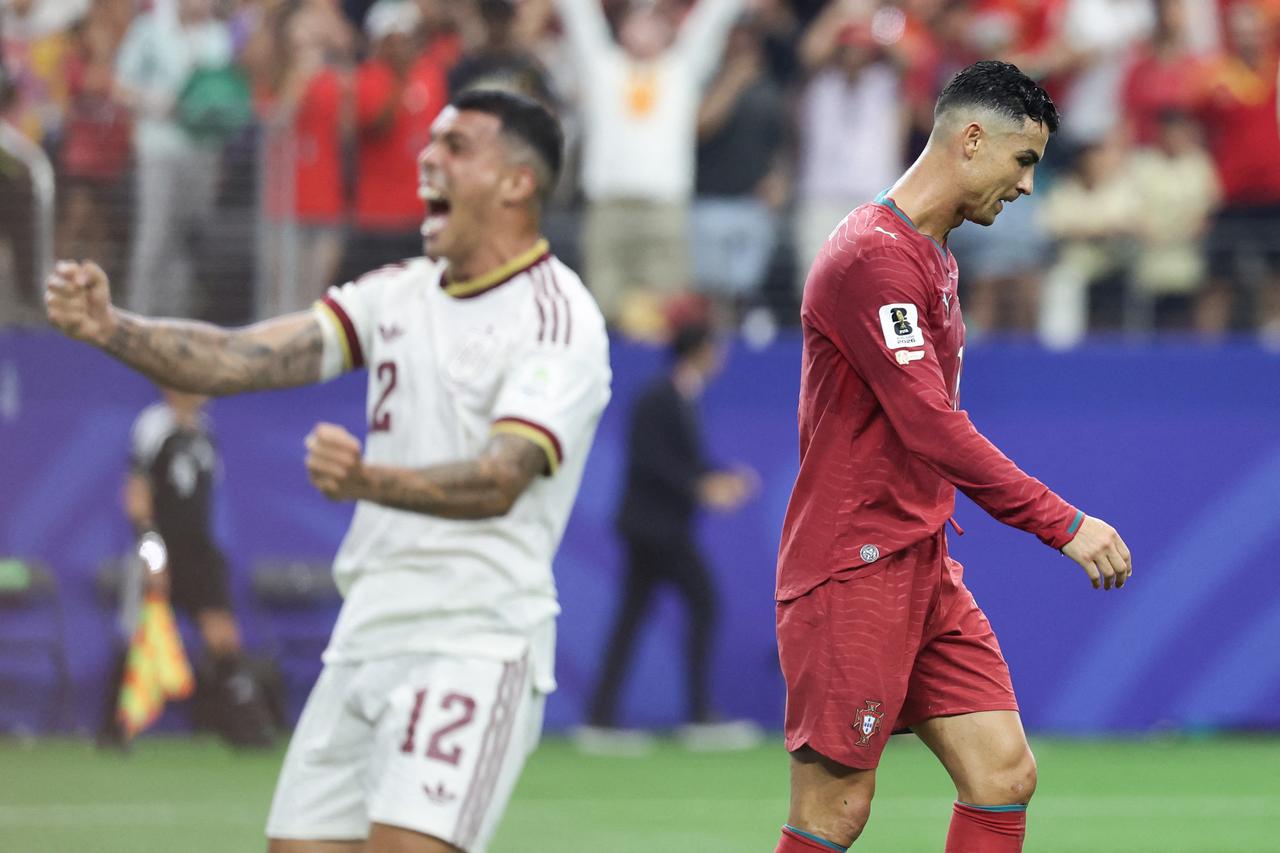
Despite all his accomplishments, one dream remained unfinished. The FIFA World Cup.
Ronaldo played in six World Cups across more than two decades, carrying Portugal's hopes each time and becoming the first player to score in six different editions of the FIFA World Cup. His finest campaign came when Portugal reached the semifinals in 2006, but the trophy always slipped away.
His final opportunity came in North America.
At 41 years old, Ronaldo scored three goals during the tournament and became the oldest player ever to score multiple goals in a single World Cup. Yet Portugal's journey ended in the Round of 16 with a 1-0 defeat to Spain. As the final whistle blew, Ronaldo walked away from the pitch alone.
"That's football. Sometimes you win, sometimes you lose," he said after the match.
He also insisted he was leaving "with a clear conscience," adding that winning the European Championship with Portugal in 2016 meant as much to him personally as lifting the World Cup.


 Set as preferred source
 Set as preferred source


 1 min read
 1 min read