Newsletters


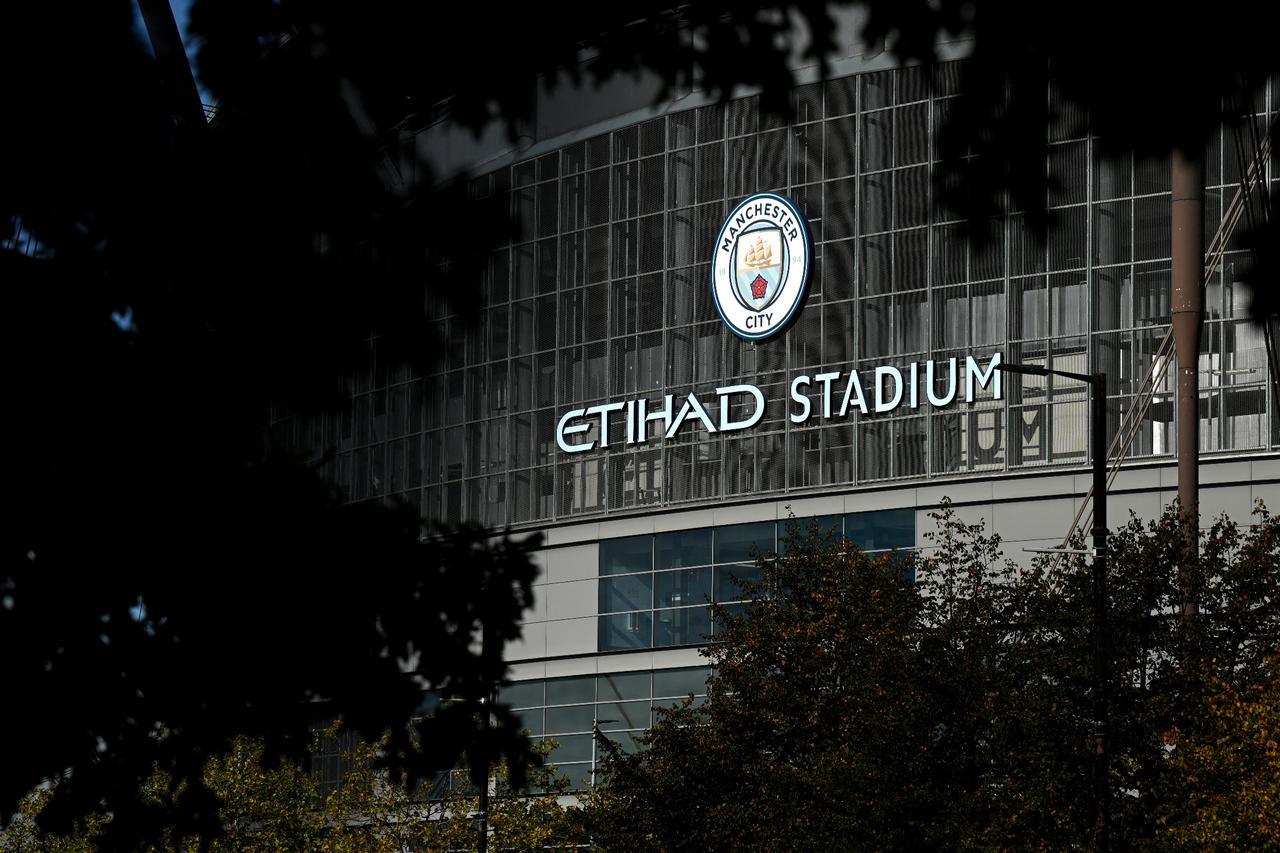


The Premier League announced that an independent commission found Manchester City guilty on more than 100 charges of breaking financial rules.
Agence France-Presse (AFP) reported that the club is accused of artificially inflating revenues and reducing reported costs by more than £900 million ($1.2 billion) between 2009 and 2018.
No sanction has been announced. The city could face point deductions, a fine, or expulsion from the Premier League. The club insists it has done nothing wrong.
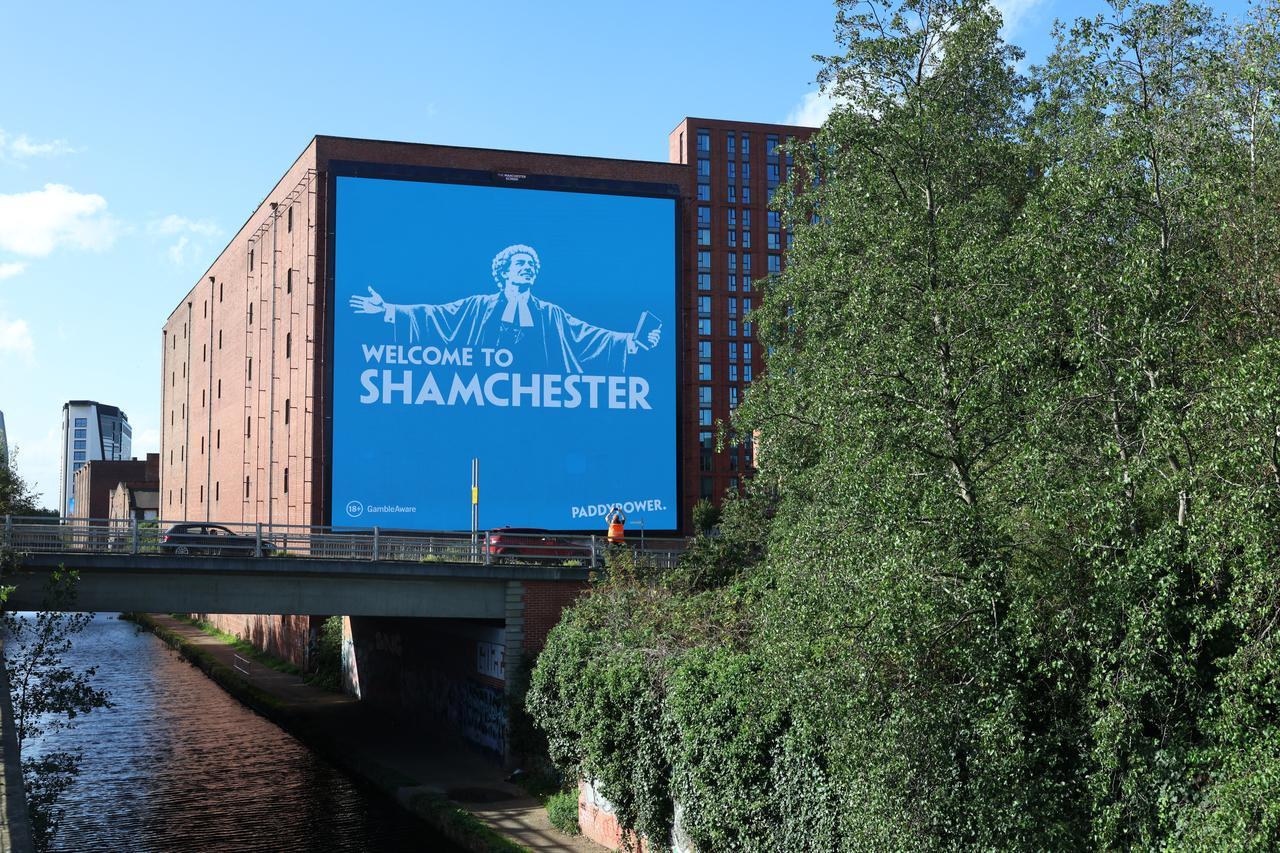
The charges have reopened debate over the club’s role in reviving east Manchester, a district in the northwest English city of Manchester.
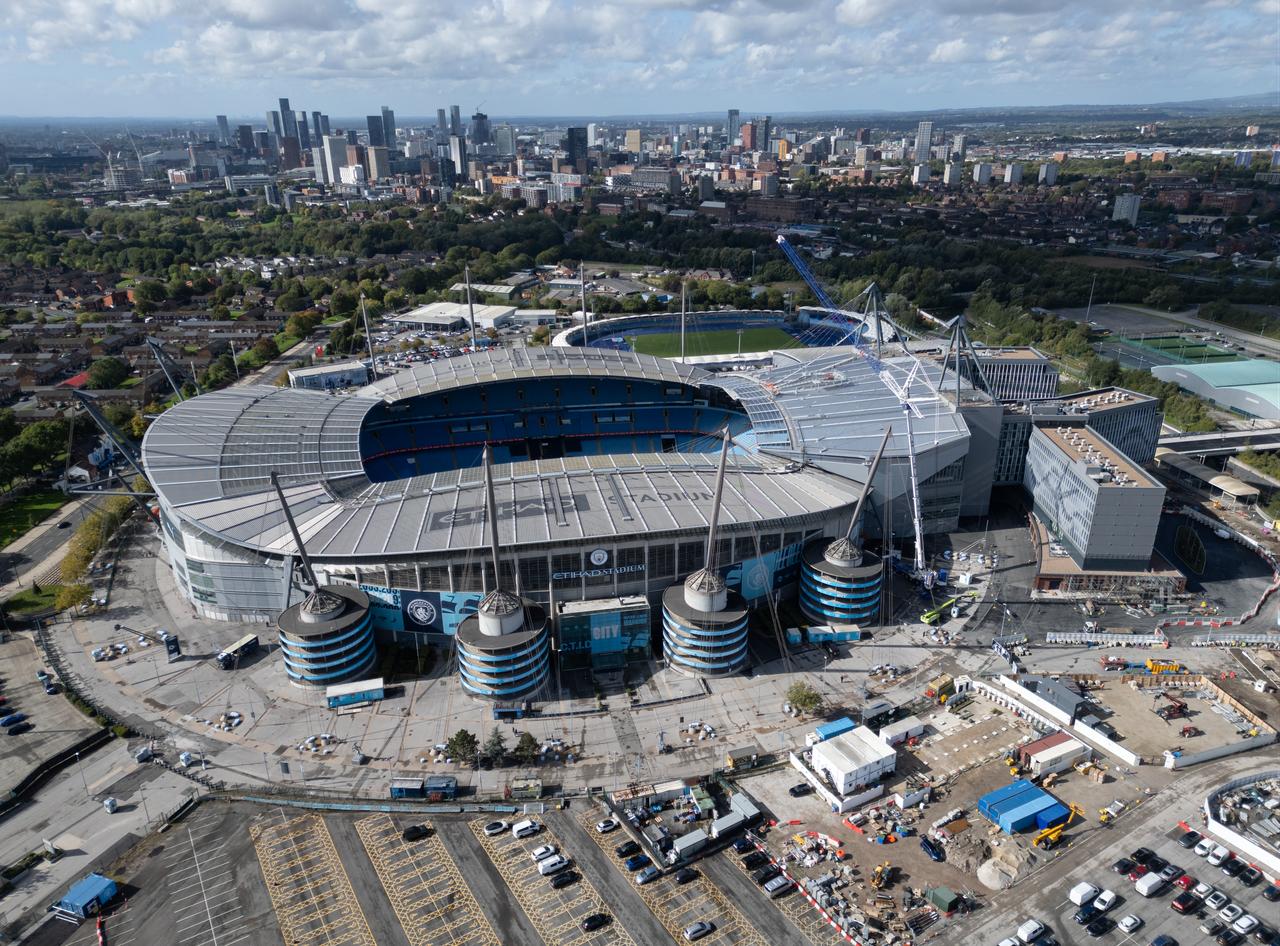

Since Abu Dhabi investors took over the club in 2008, the area between the Etihad Stadium and the city center has become a symbol of the city’s revival.
In neighborhoods such as Ancoats and New Islington, red-brick warehouses remain reminders of the industrial past, but many disused mills and factories have given way to apartment blocks, cafes and co-working spaces.
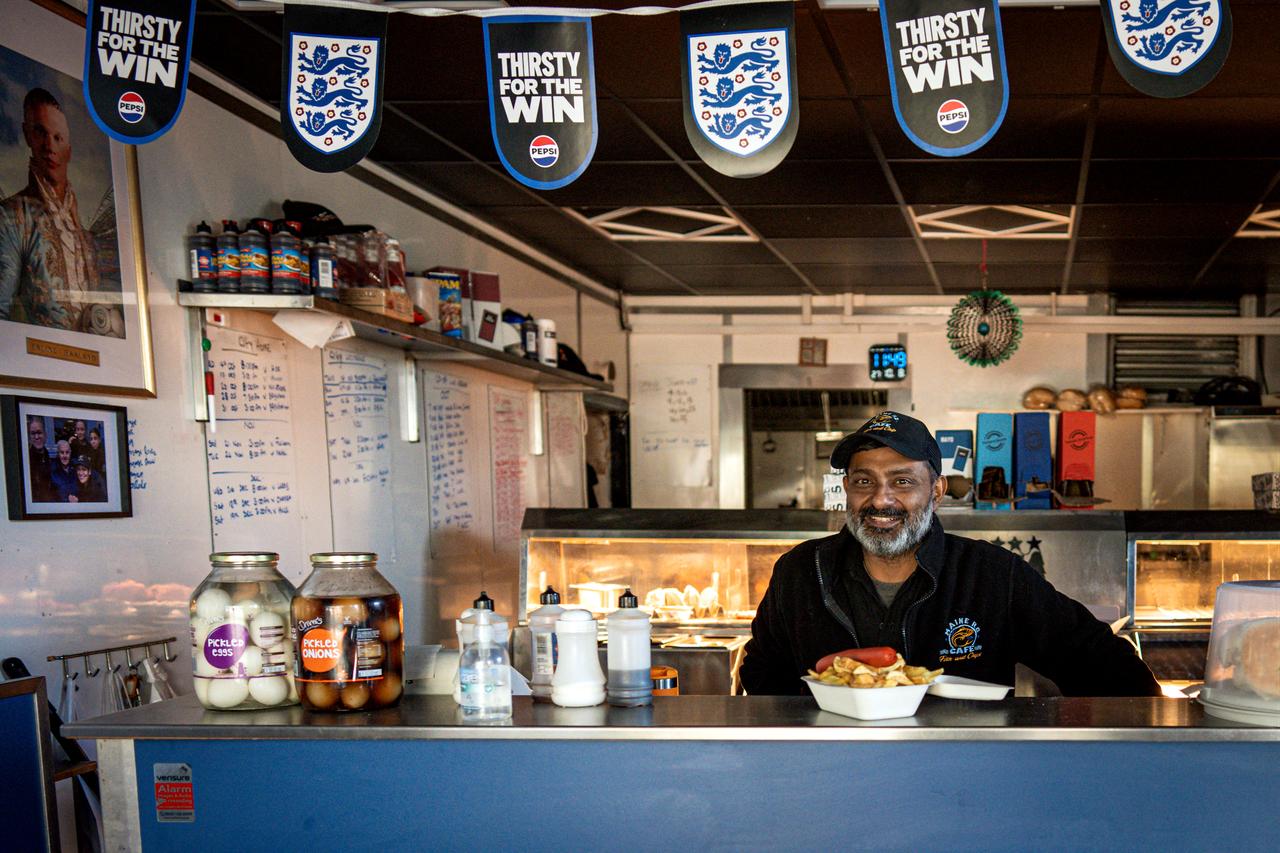
Sailish Parekh, who runs a fish-and-chip shop near the stadium, said the area was “very deprived” with high unemployment before the club moved there.
Manchester City “has not only just been a football club for the area. It’s a bit of a savior, to be honest,” he told AFP.
Simon Martin, a 44-year-old software engineer who lives in Ancoats, said a cab driver once told him he would have hesitated to pick him up when crime was rife.
Martin now describes a “really nice community,” although rising rents have pushed out some lower-income residents.
The changes reflect the influence of City and its owner, Abu Dhabi United Group (ADUG), controlled by Sheikh Mansour bin Zayed al-Nahyan, a member of the United Arab Emirates royal family.
The group has also invested in property, building homes and commercial space on council-owned land leased under favorable terms.
The partnership centers on Manchester Life, a property company ADUG and the city council jointly created in 2014.
It has drawn criticism over transparency and profit distribution, and a 2024 University of Sheffield study argued it mainly allowed ADUG to lock in rising land values.
The council rejects the criticism, saying it secured “the best overall deal” when investors were scarce after the 2007-2008 global financial crisis.
According to the council, the partnership delivered about 1,500 homes and nearly 2,800 square meters (30,100 square feet) of commercial space.
Subrahmaniam Krishnan-Harihara, head of research at the Greater Manchester Chamber of Commerce, said football is one of the city’s defining assets. “This is our Eiffel Tower. I think without football, the brand value would not be this big,” he told AFP.
According to consultancy EY, Premier League-related activity generates about £1.6 billion annually across Greater Manchester and draws about 1.7 million overseas visitors each year.
Club officials say they have invested more than £700 million in the Etihad Campus area since 2008, including a velodrome and the Co-op Arena concert venue.
Georgina Blakeley, a professor at the University of Huddersfield, said the Abu Dhabi investors were “key,” pointing to the impact of the 2007-2008 crash. “Austerity hit cities like Manchester particularly hard,” she said.
The Manchester Life project became part of the so-called “Manchester model,” an urban development strategy backed by Andy Burnham, Greater Manchester mayor from 2017 to 2026 and now UK prime minister, according to AFP.
Burnham recently said he would be “really concerned” if the Emirati owners walked away over the charges. His office later said, “There can’t be any suggestion that anyone is above the rules.”
Krishnan-Harihara said he believes any sanctions are unlikely to cause lasting damage to the local economy.
“The foreign direct investment pool is actually widespread because there are other countries, other sectors which are also attracting investment,” he said.
Parekh agreed, arguing that Manchester is now “quite a lot” more than “the two football clubs.”


 Set as preferred source
 Set as preferred source


 4 min read