Sign in
 Newsletters


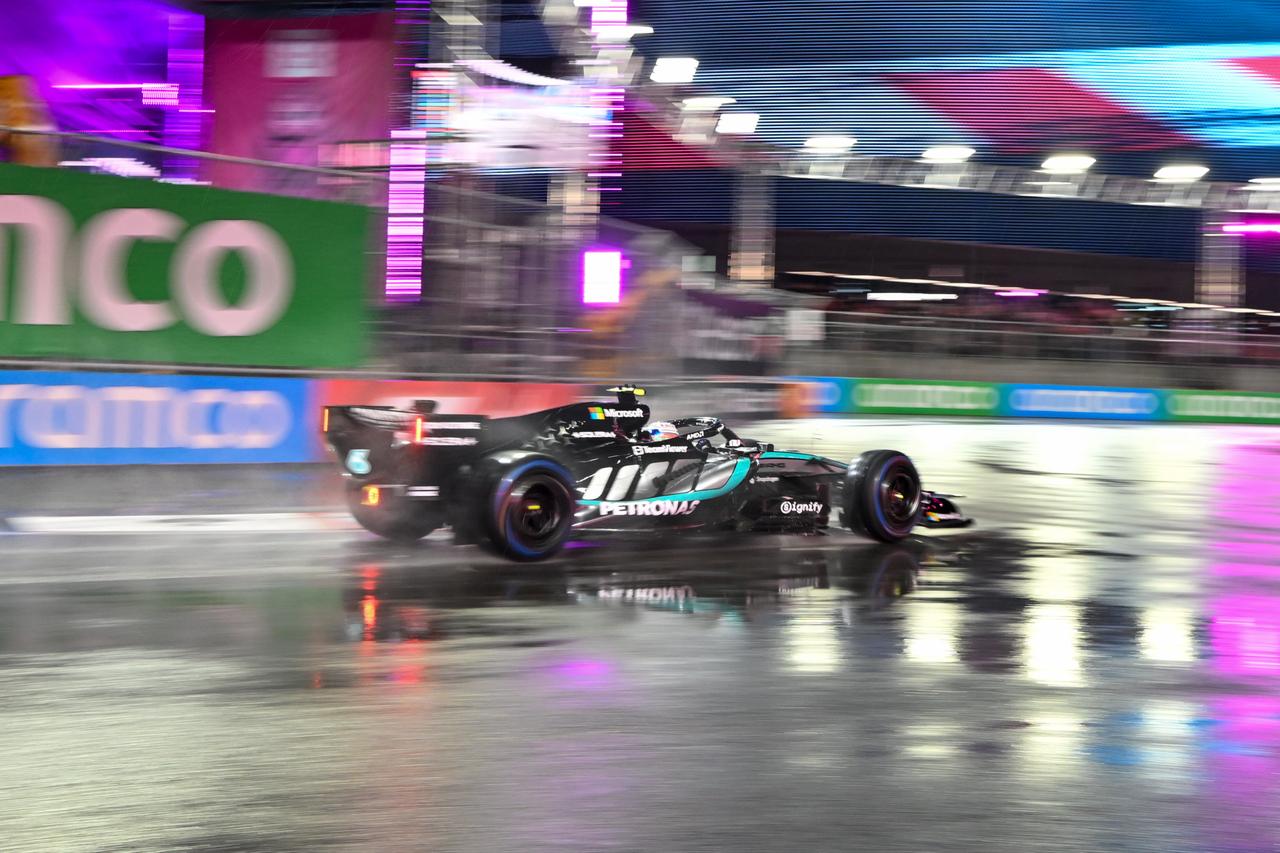


Formula One teams, engine manufacturers and officials have reached an agreement in principle on V8 turbo hybrid engines set to replace the current power units in 2030, with a significant cut in electric power.
McLaren CEO Zak Brown confirmed the deal at a team press conference at the Las Vegas Grand Prix on Thursday, BBC Sport reported.
The plans, first reported by BBC Sport last month, call for 2.1-liter V8 turbo engines with a smaller electric element than the current system. Some details are still being worked out, but the core rules have been agreed.
“I think everyone is very, very excited,” Brown said, adding that the focus was now on finalizing the details. He also praised the International Automobile Federation (FIA) and Formula One for their wider work on the sport.
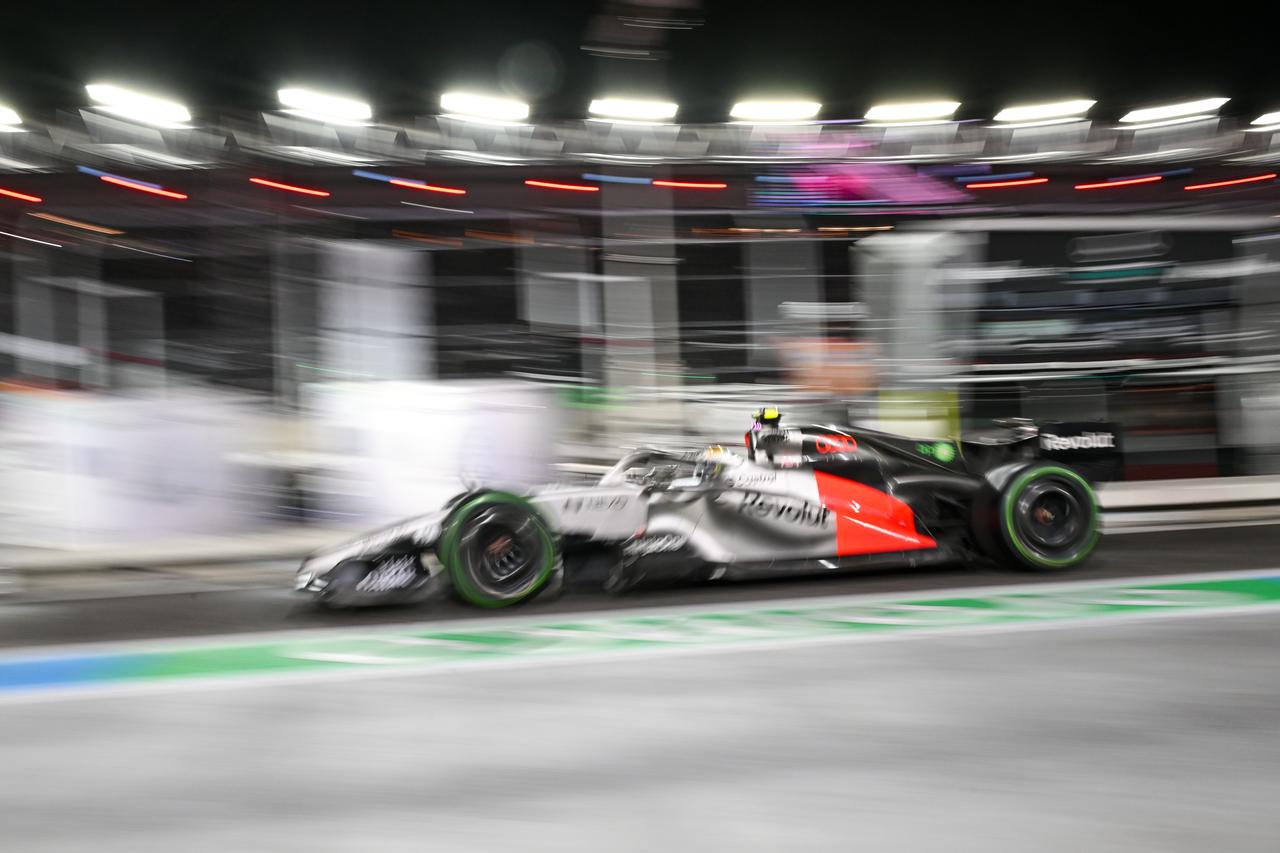

The electric part of the new engines will have a maximum output of 200 kilowatts (kW), well below the 350 kW used this season. Only half will be available at all times, with the other 100 kW reserved for overtake mode.
A key aim is to end the energy shortages drivers have criticized this season, which they said stood in the way of pure racing. Total output, however, is expected to stay close to current levels.
The combustion engine is expected to produce about 780 horsepower, while the electric element adds roughly 270 horsepower. That brings total output to 1,050 horsepower in overtake mode and just over 900 horsepower in standard running.
Alpine executive director Flavio Briatore said the deal was essentially done, though not yet signed, and called the switch to V8s in 2030 the right direction.
“We need an engine with a lot of noise, and a simple engine,” Briatore said, adding that F1 needed to race with one.
According to BBC Sport, the rules reflect a compromise between the manufacturers’ demands and FIA President Mohammed Ben Sulayem’s push for naturally aspirated engines without turbo or electric components.
The turbo and electric components were kept to reduce fuel consumption, so the loud sound of the V8s raced from 2006 to 2013 will not return. The new engines are expected to sound similar to the current units.
The 2.1-liter size was chosen to keep development costs down, since it adds two cylinders to the current 1.6-liter V6 engines.
More fuel, lighter power units
Cars are expected to start races with about 110-120 kilograms (243-265 pounds) of fuel, up from about 100 kilograms now.
Power units will also face a 150-kilogram weight limit, about 30 kilograms less than current engines.


 Set as preferred source
 Set as preferred source



 2 min read