Newsletters


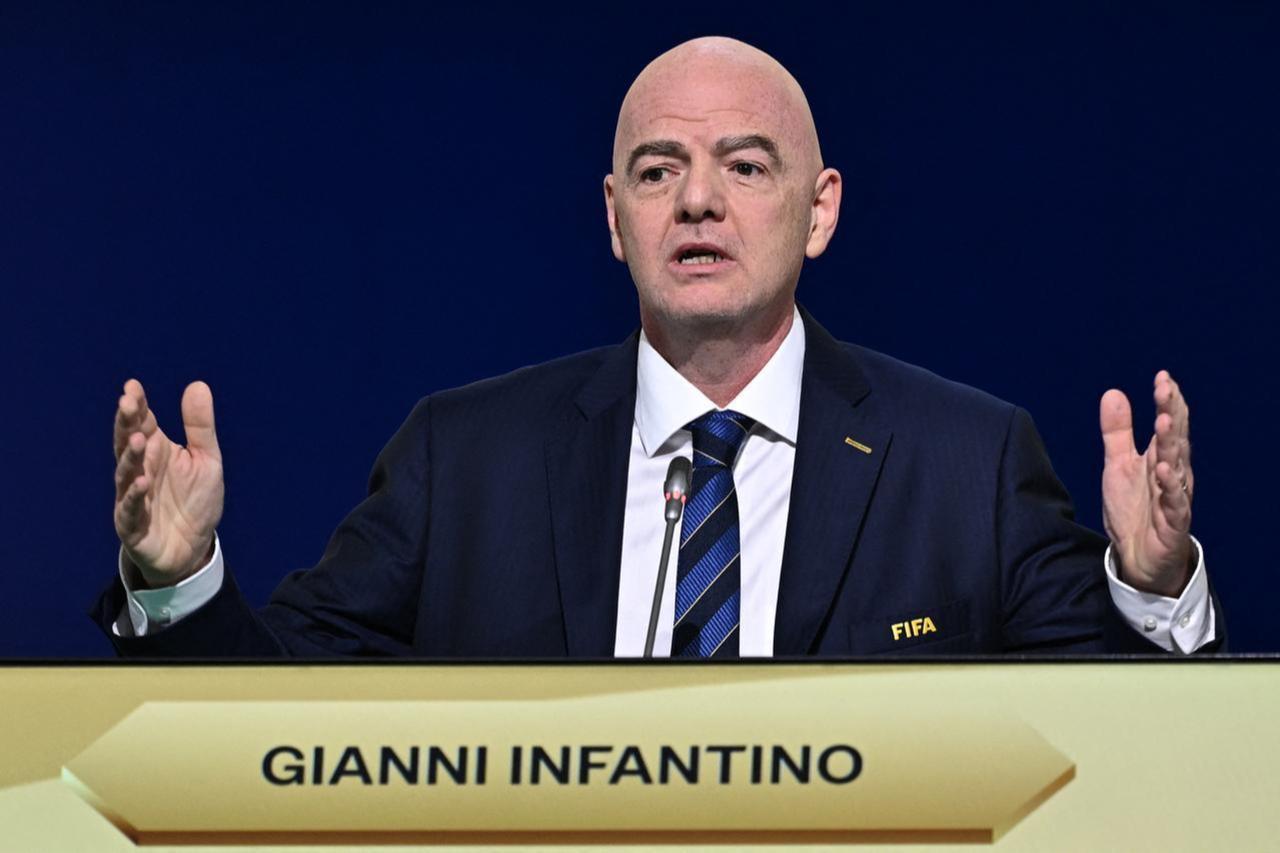


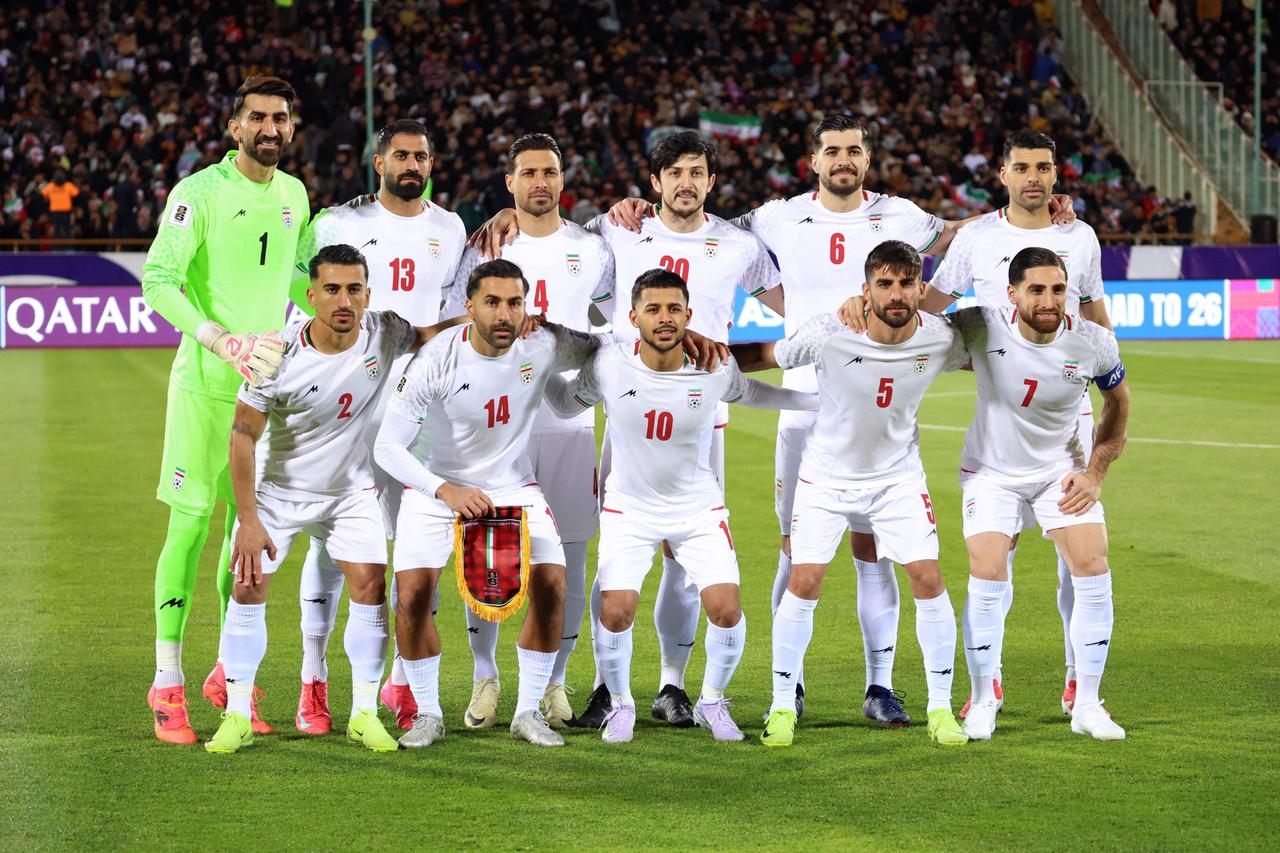
FIFA president Gianni Infantino has given his clearest guarantee yet that Iran will participate in this summer's World Cup, insisting the team will play its group-stage matches in the United States, even as a diplomatic row over visa denials and geopolitical tensions cast a shadow over the country's involvement in the tournament.
Speaking at the FIFA Congress in Vancouver on Thursday, Infantino opened his address by moving swiftly to quell speculation about Iran's status. "Let me start at the outset by confirming straight away, for those who maybe want to say something else or write something else, that of course Iran will be participating at the FIFA World Cup 2026," the Swiss official said, to applause from assembled delegates. "And of course, Iran will play in the United States of America."
Iran is scheduled to open their campaign against New Zealand in Los Angeles on June 15. Should Iran and the United States both finish as runners-up in their respective groups, the two nations could meet in the round of 32, a prospect that has already drawn political commentary.
US President Donald Trump previously said it would be "inappropriate" for Iran to compete, citing concerns for their "life and safety."
Infantino framed the decision in terms of football's unifying mission. "There are enough problems around the world," he said. "There are enough people who try to divide all over the world. If nobody tries to unite, what will happen to our world?"
The reassurance came after a significant diplomatic incident involving Iran's football delegation in the days leading up to the congress. Iranian officials, including Football Federation President Mehdi Taj, were denied entry to Canada after landing at Toronto's Pearson Airport, Iranian media reported Wednesday. The delegation had been expected to attend the FIFA congress in Vancouver, which Canada is co-hosting alongside the United States and Mexico.
Iran's football association was the only one of FIFA's 211 member associations not represented at Thursday's congress. It is understood that two delegates who had been granted visas by Canadian authorities ultimately chose not to attend after another member of their group was refused entry.
Iranian officials described the entry refusal as an insult. Canadian Foreign Minister Anita Anand acknowledged the situation may have been unintentional, noting that Taj had been issued a temporary permit to attend the conference, but said the matter fell under the jurisdiction of Immigration Minister Lena Diab.
"It was unintentional, but I'll leave it to the minister to indicate," Anand said.


 Set as preferred source
 Set as preferred source


 1 min read
 1 min read