Newsletters


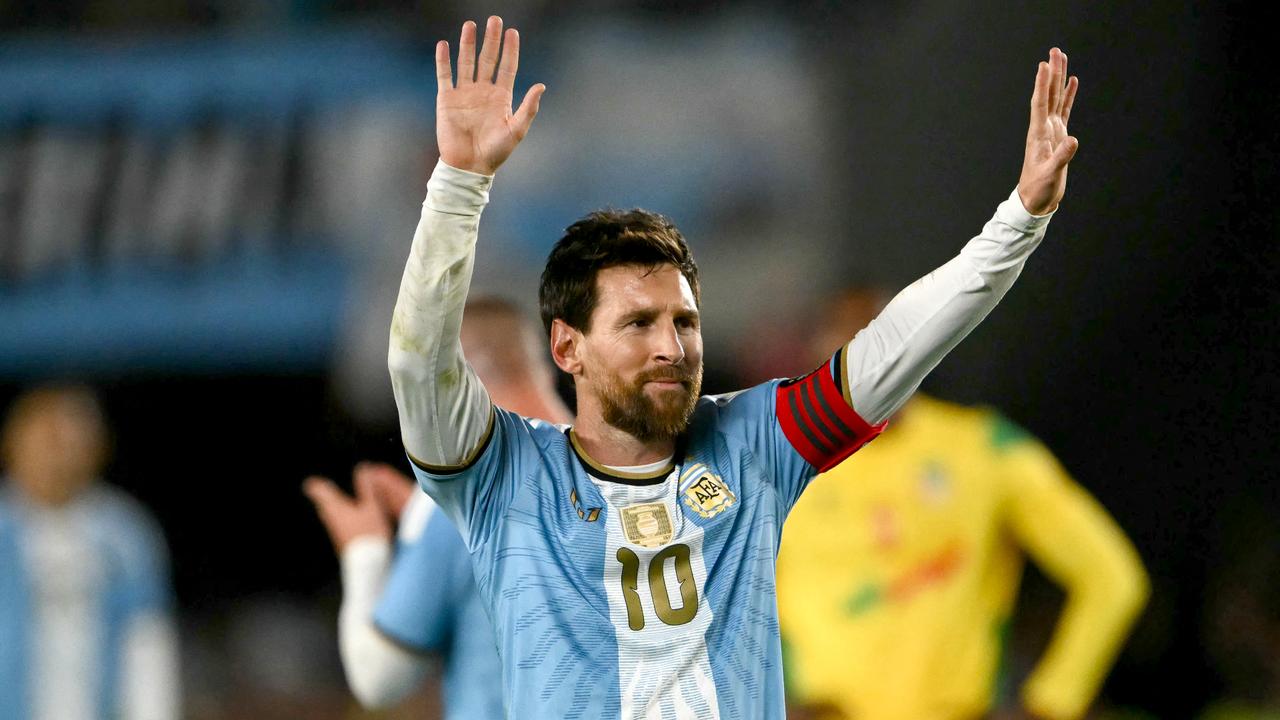
Once little known in his homeland, Lionel Messi went from a difficult debut and repeated final defeats to becoming Argentina's World Cup-winning captain and record scorer
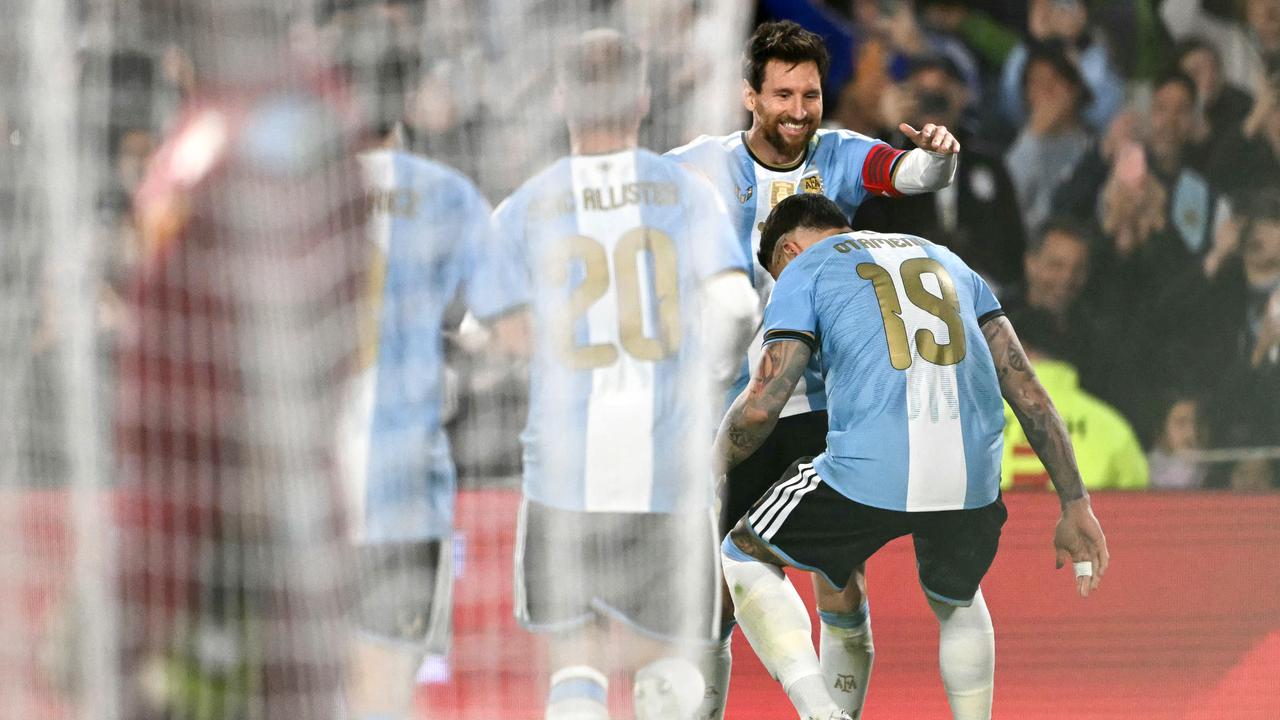
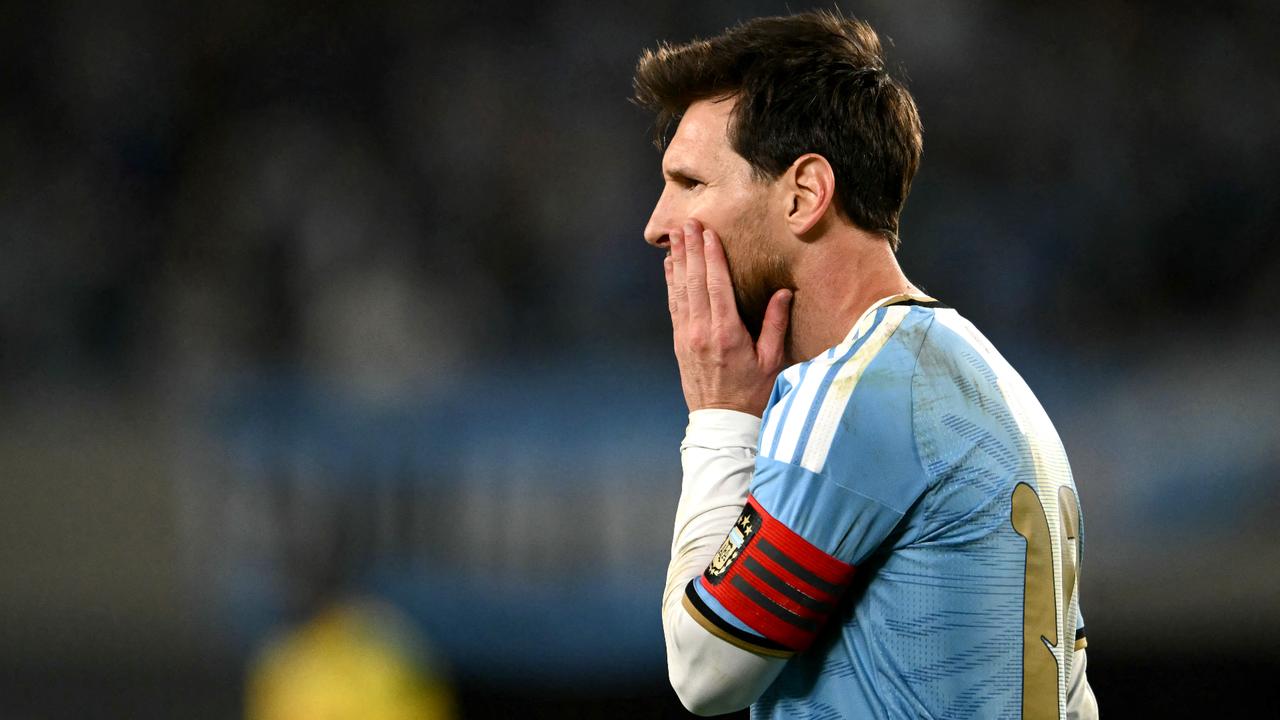
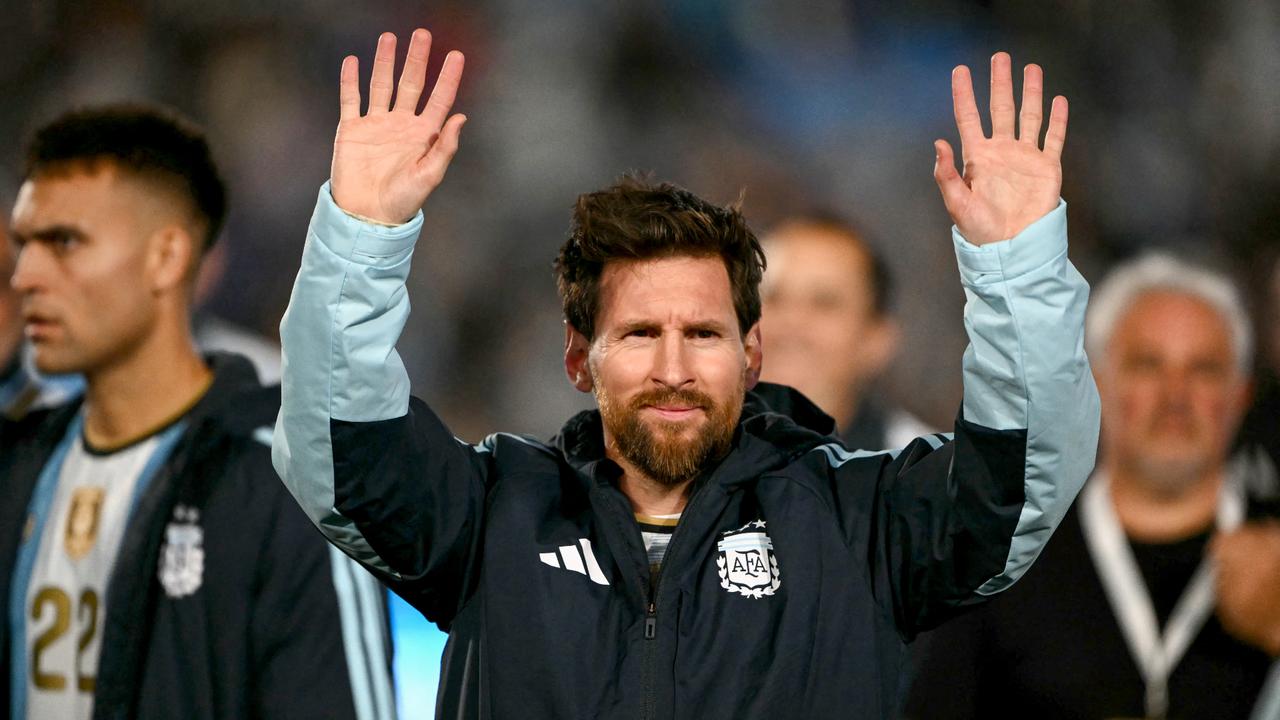
Messi brought down the curtain on a 21-year international career in Buenos Aires, making his final appearance for Argentina against Benin after announcing his retirement following the 2026 World Cup final defeat to Spain.
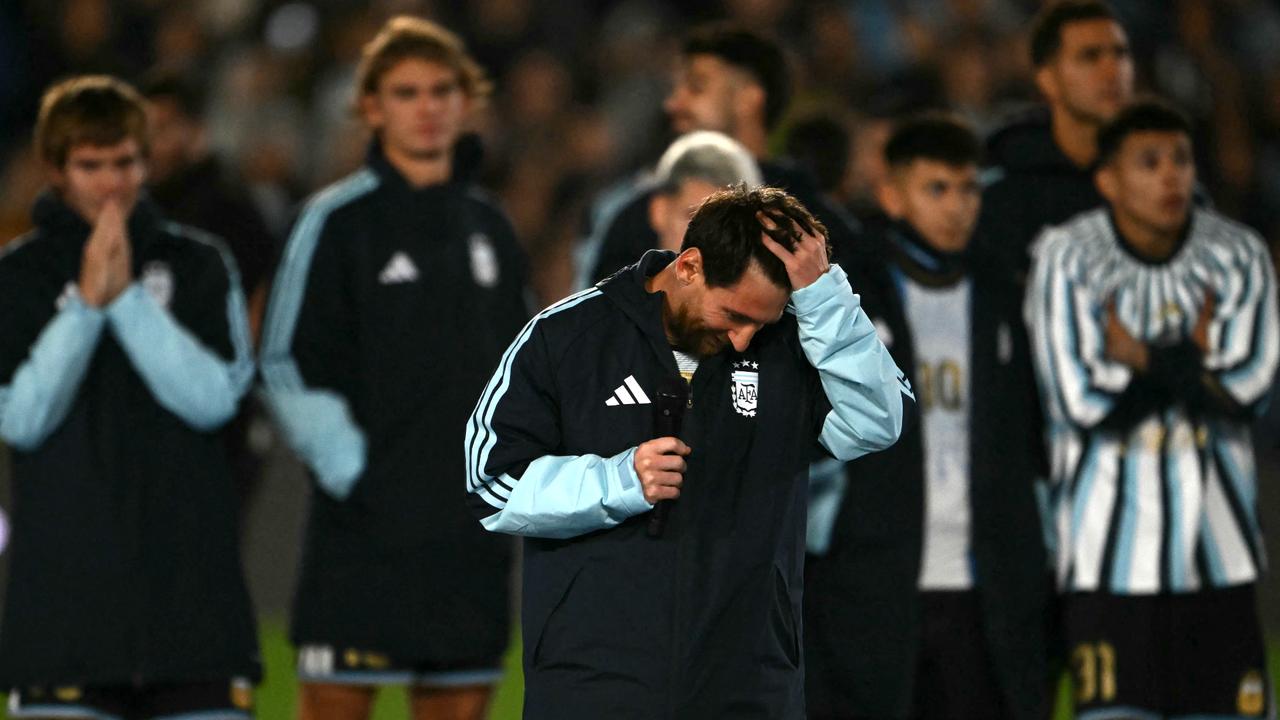
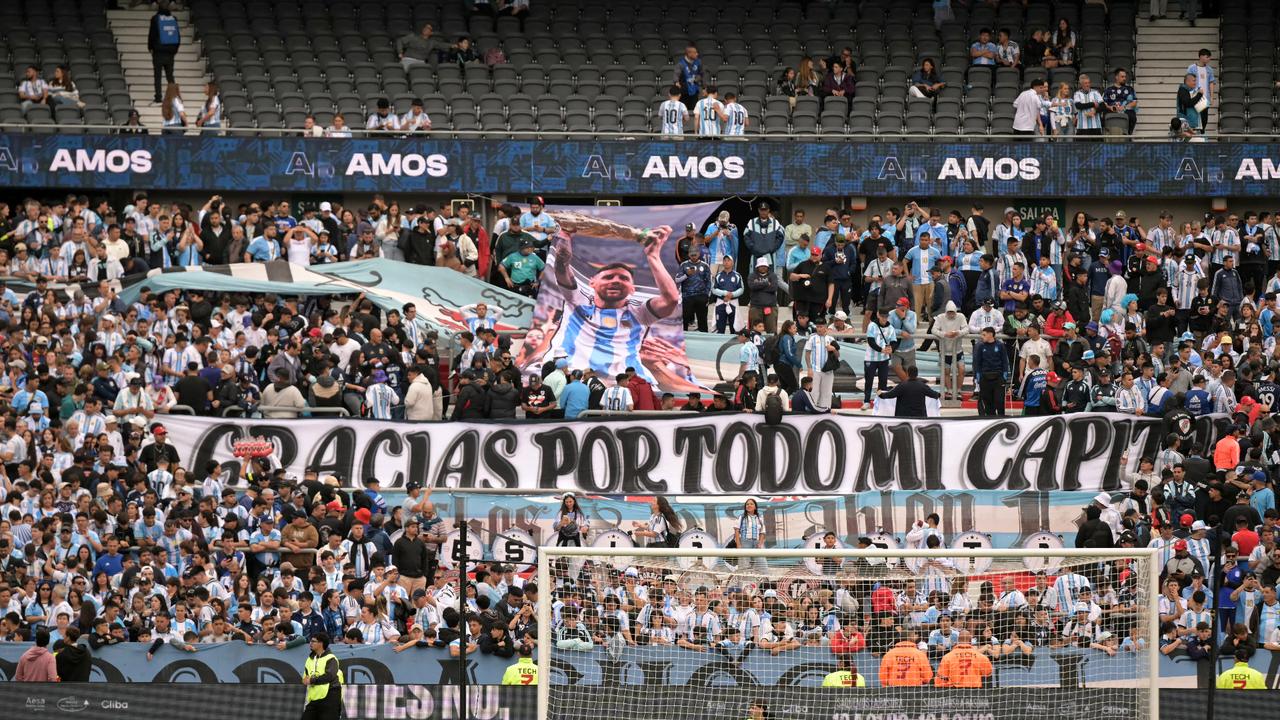
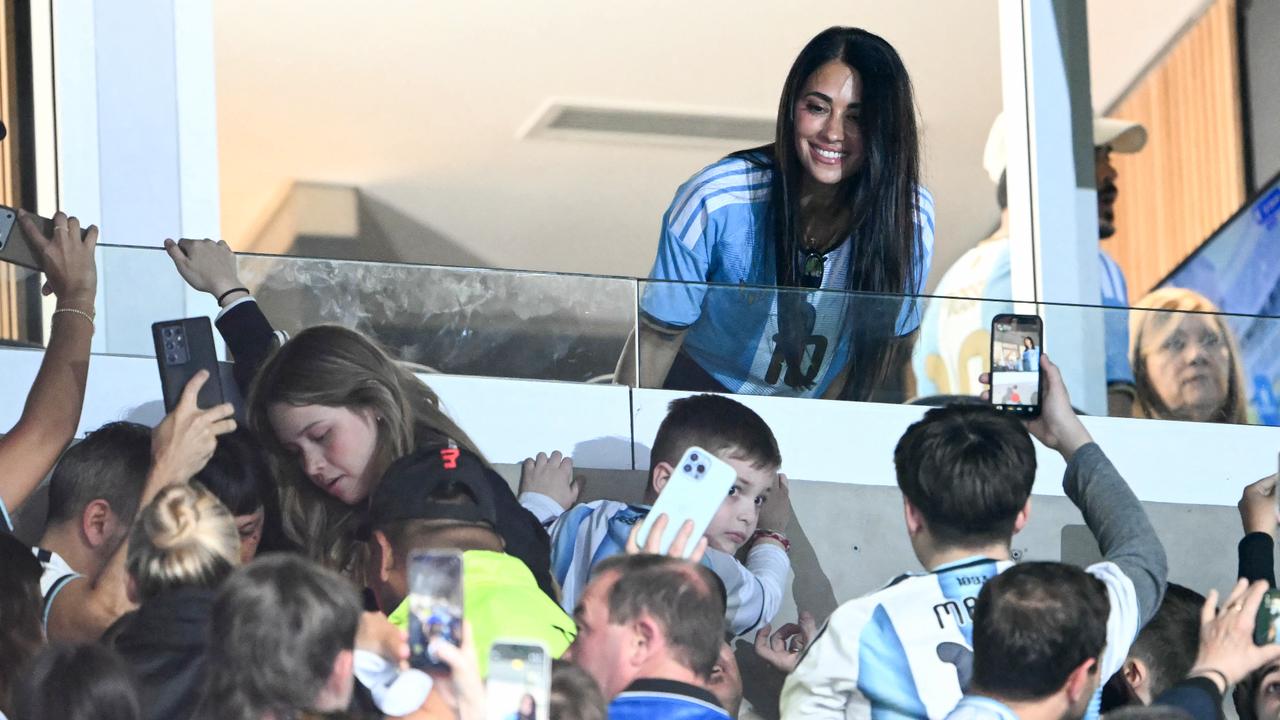
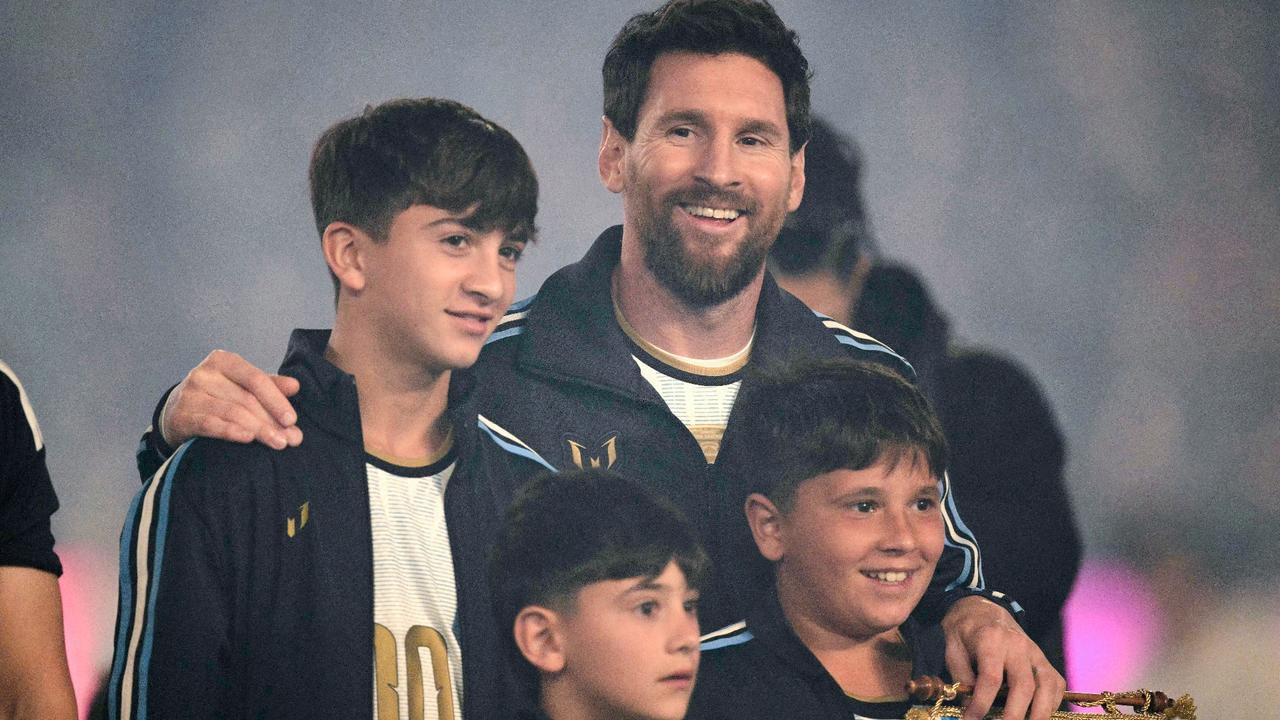
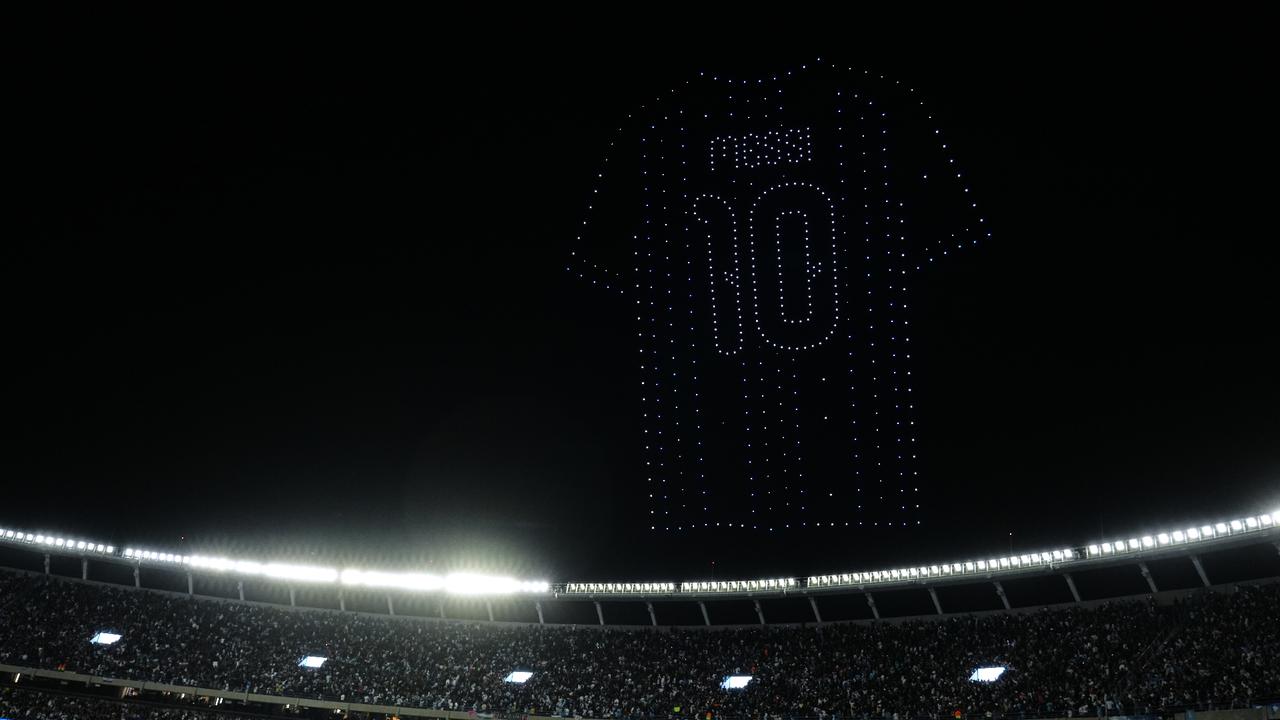
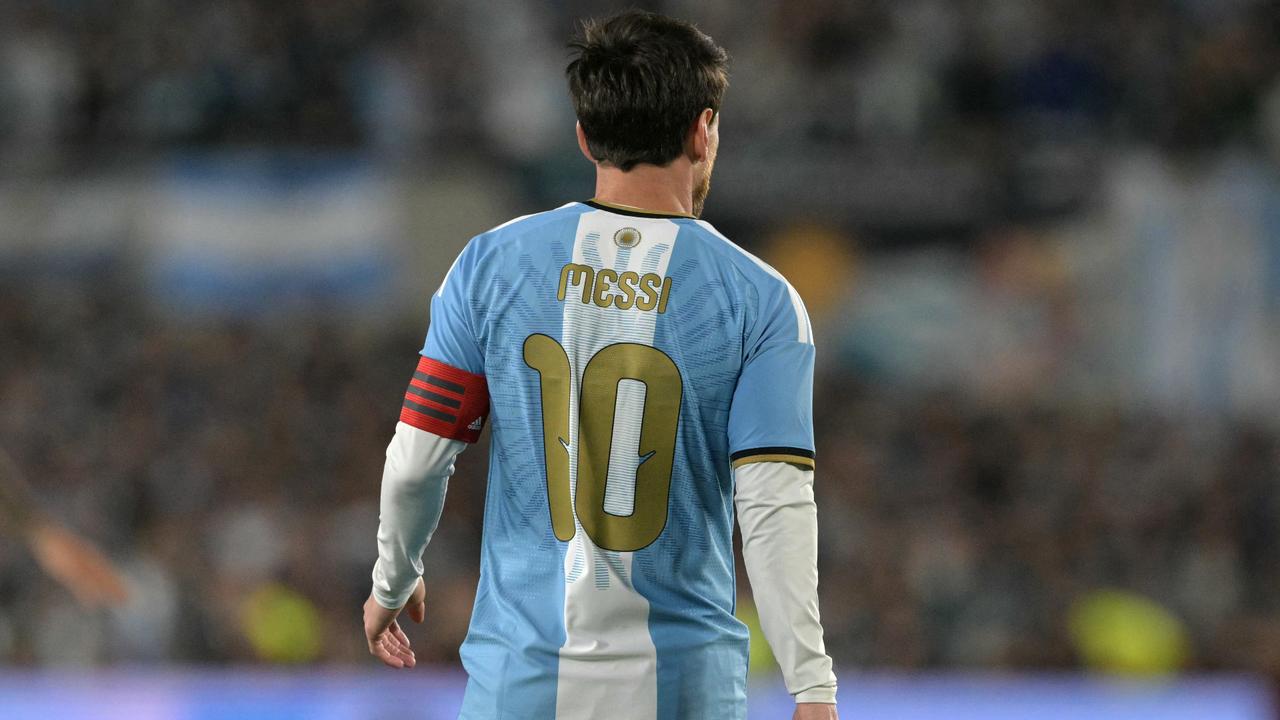
The 39-year-old returned to the Monumental Stadium for one last appearance in Argentina's sky-blue and white shirt after the Argentine Football Association arranged a farewell match for its long-time captain.
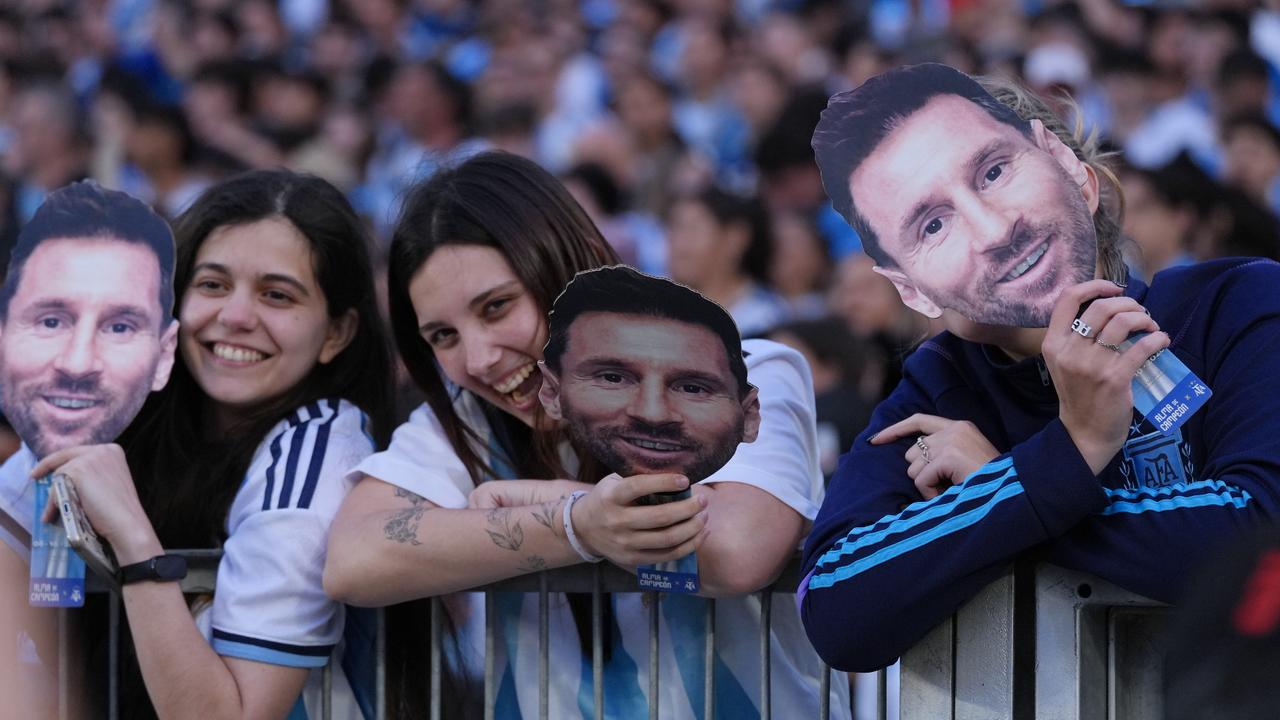
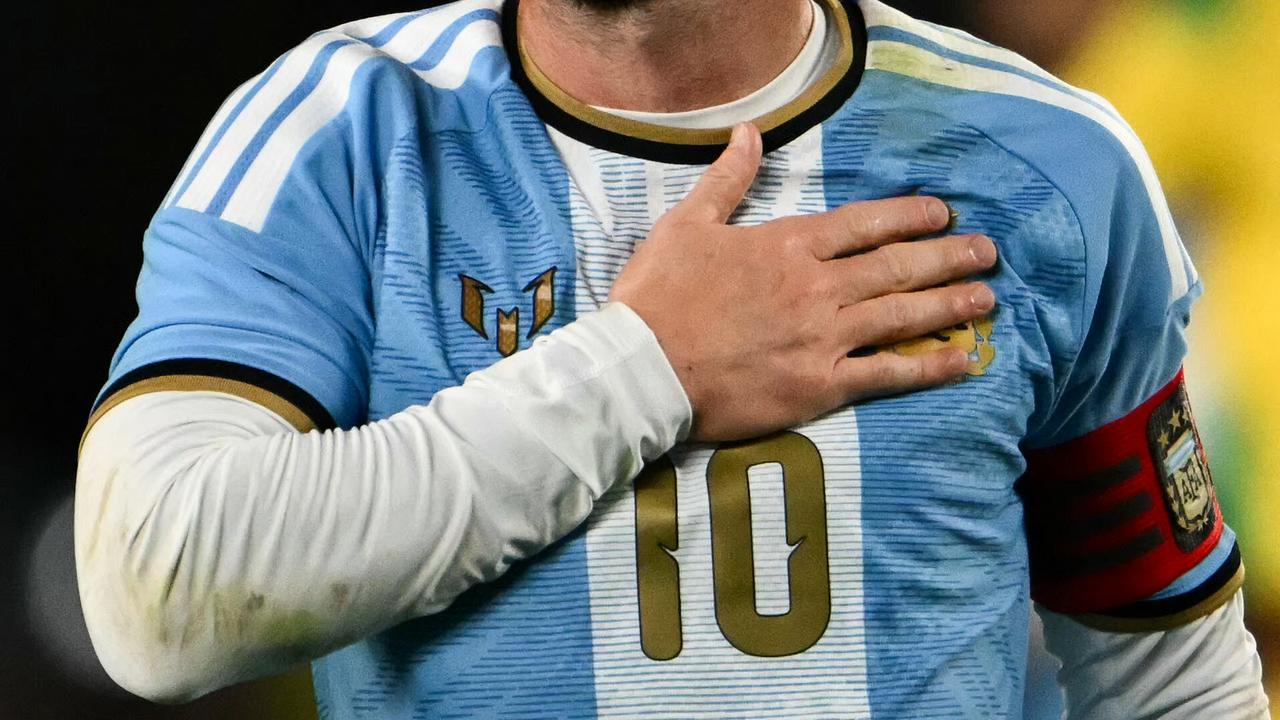
Messi entered the occasion as Argentina's record appearance-maker and leading scorer, with 207 caps and 125 goals, having won the World Cup, two Copa America titles and the Finalissima.
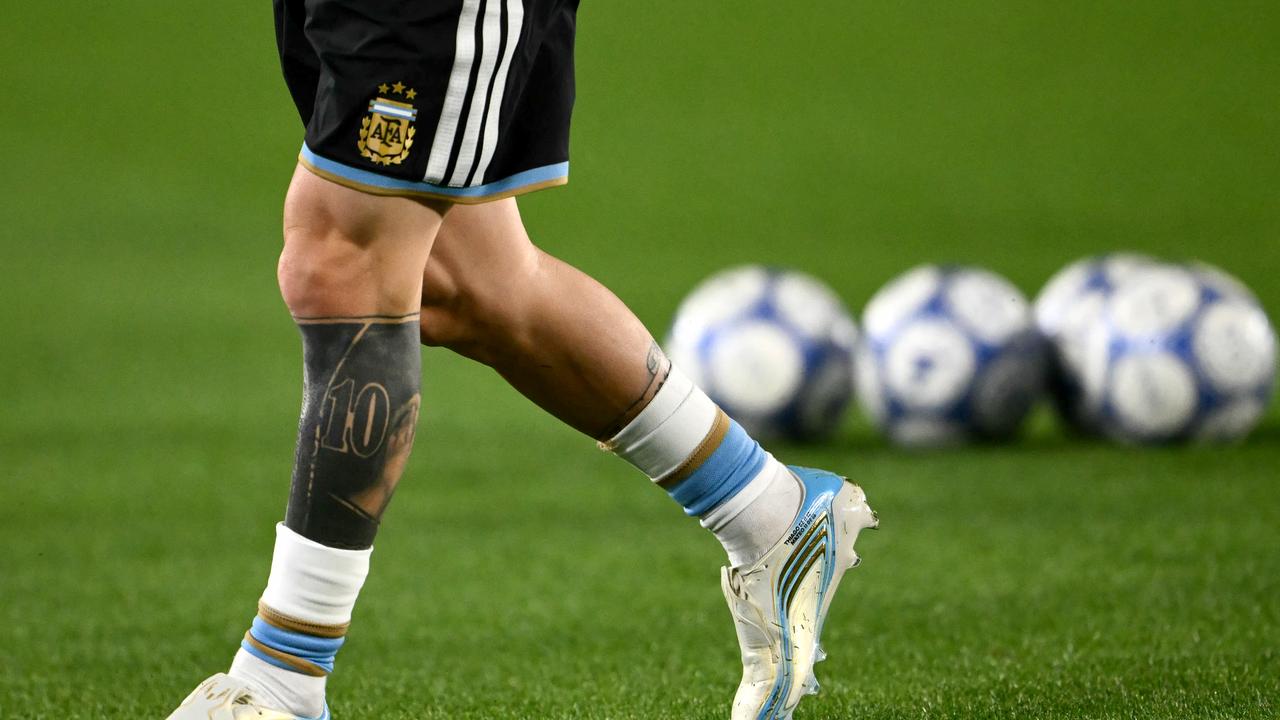
Yet his relationship with the national team began far away from Buenos Aires, at a time when the future captain was still developing in Spain and remained relatively unknown across much of Argentina.
Messi grew up in Rosario and played for Newell's Old Boys before moving with his family to Spain at 13 and joining Barcelona's youth system.
While his reputation began to grow rapidly in Barcelona, his name remained unfamiliar to many in Argentina outside Rosario and a relatively small circle of football officials and scouts.
That began to change around 2003, when Argentina officials started paying closer attention to the teenager.
Claudio Vivas, assistant to then-national team coach Marcelo Bielsa, showed Bielsa footage of Messi, and the coach was reportedly so struck by his speed that he initially believed the video had been accelerated.
With Spain also interested in the young player, the Argentine Football Association began looking for Messi and his family.
Argentina eventually arranged an Under-20 friendly against Paraguay in Buenos Aires on June 29, 2004, giving Messi the opportunity to make his choice clear.
He came off the bench and scored twice on his Argentina Under-20 debut.
A year later, Messi became one of the country's most prominent young players by leading Argentina to the 2005 Under-20 World Cup title in the Netherlands, scoring six goals and winning both the Golden Boot as the tournament's leading scorer and the award for its best player.
Messi's senior international career began in far more difficult circumstances.
On Aug. 17, 2005, he came on as a substitute against Hungary in Budapest but lasted less than a minute before being sent off following an altercation with Vilmos Vanczak.
Less than a year later, however, Messi made his first World Cup appearance in Germany. At 18, he scored against Serbia and Montenegro and became Argentina's youngest World Cup scorer at the time.
Argentina eventually went out to Germany on penalties in the quarterfinals, beginning a long period in which Messi's national team career repeatedly fell short of the success he was enjoying at club level.
That frustration deepened in 2007, when Argentina lost 3-0 to Brazil in the Copa America final.
At the 2010 World Cup in South Africa, with Diego Maradona coaching the national team, Messi played in all five matches but did not score before Germany knocked Argentina out with a 4-0 quarterfinal victory.
Another setback followed when Argentina hosted the 2011 Copa America. The team went out to eventual champions Uruguay on penalties in the quarterfinals after a 1-1 draw, while Messi again finished the tournament without a goal.
The pressure surrounding Messi reached another level at the 2014 World Cup in Brazil.
As captain, he led Argentina to the final at the Maracana, where Germany won 1-0 after extra time. Messi was awarded the Golden Ball as the tournament's best player, although the defeat meant the World Cup remained out of reach.
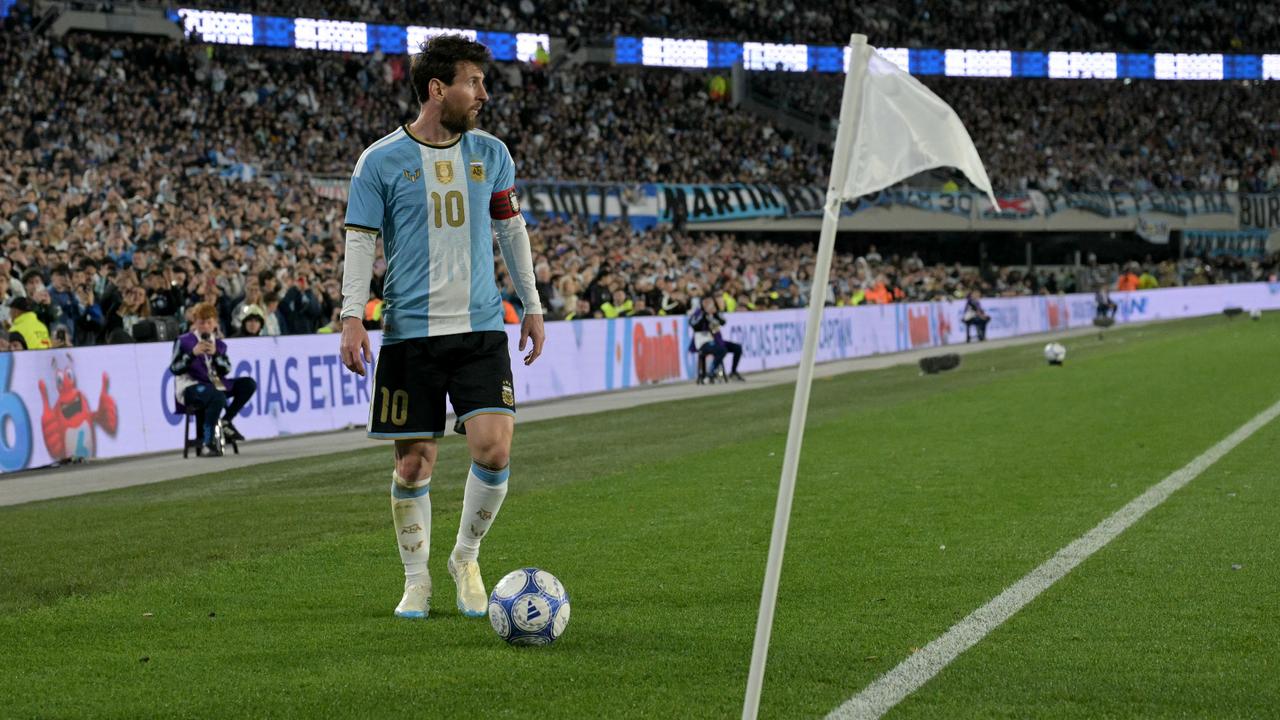
A year later, Chile beat Argentina on penalties in the 2015 Copa America final in Santiago, handing Messi another major final defeat.
Argentina then lost to Chile on penalties again in the 2016 Copa America final.
Messi missed his attempt in the shootout and announced afterward that he was retiring from international football, bringing years of frustration and criticism to a dramatic breaking point.
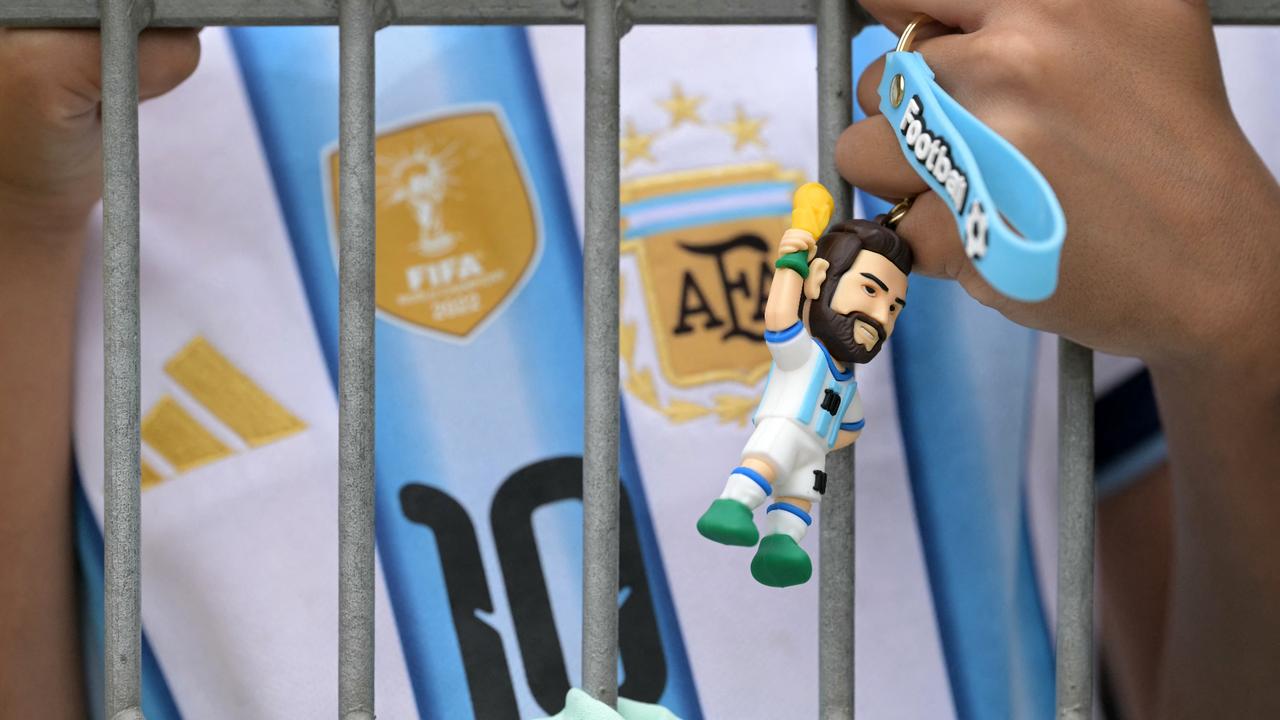
However, the retirement lasted only weeks.
After talks with new Argentina coach Edgardo Bauza, Messi returned to the national team, citing his attachment to Argentina and the national team shirt.
His comeback opened up the final phase of his international career, during which years of disappointment would eventually give way to major titles.
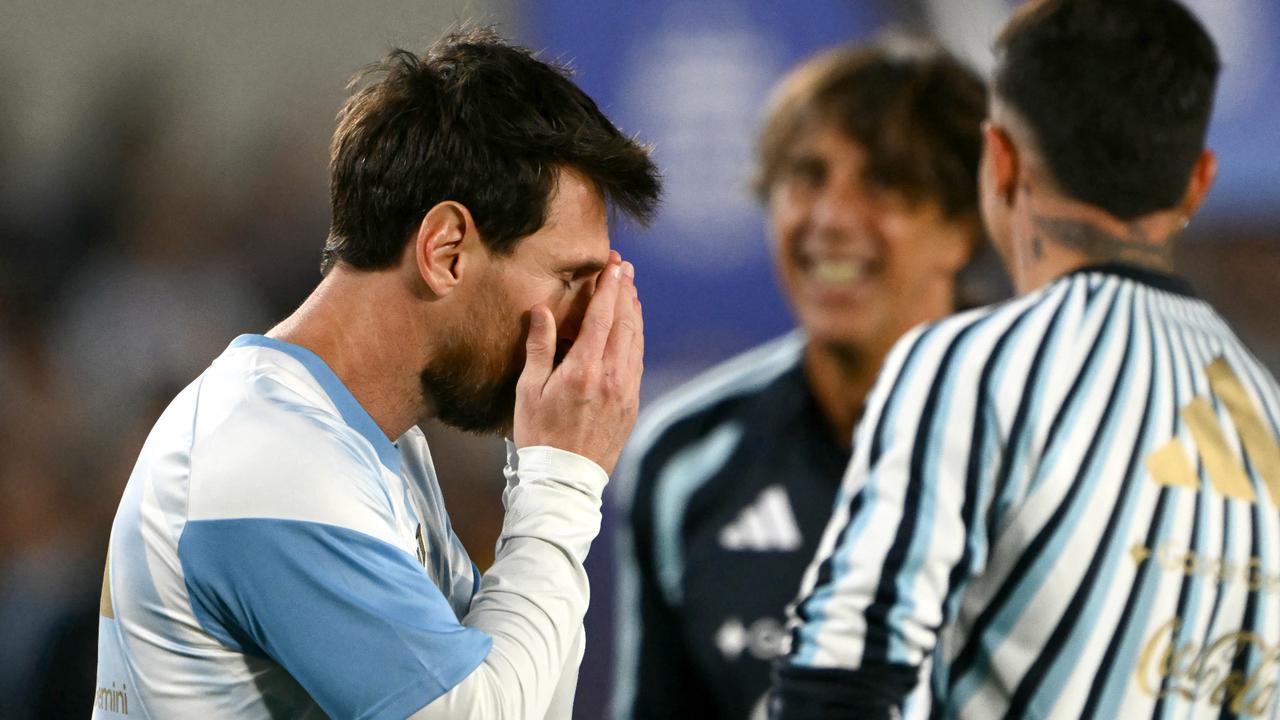
Messi finally won his first major senior international trophy in 2021 when Argentina beat Brazil 1-0 at the Maracana to win the Copa America.
The victory ended one of the longest-running debates surrounding his international career, but the World Cup remained the defining prize still missing from his record.
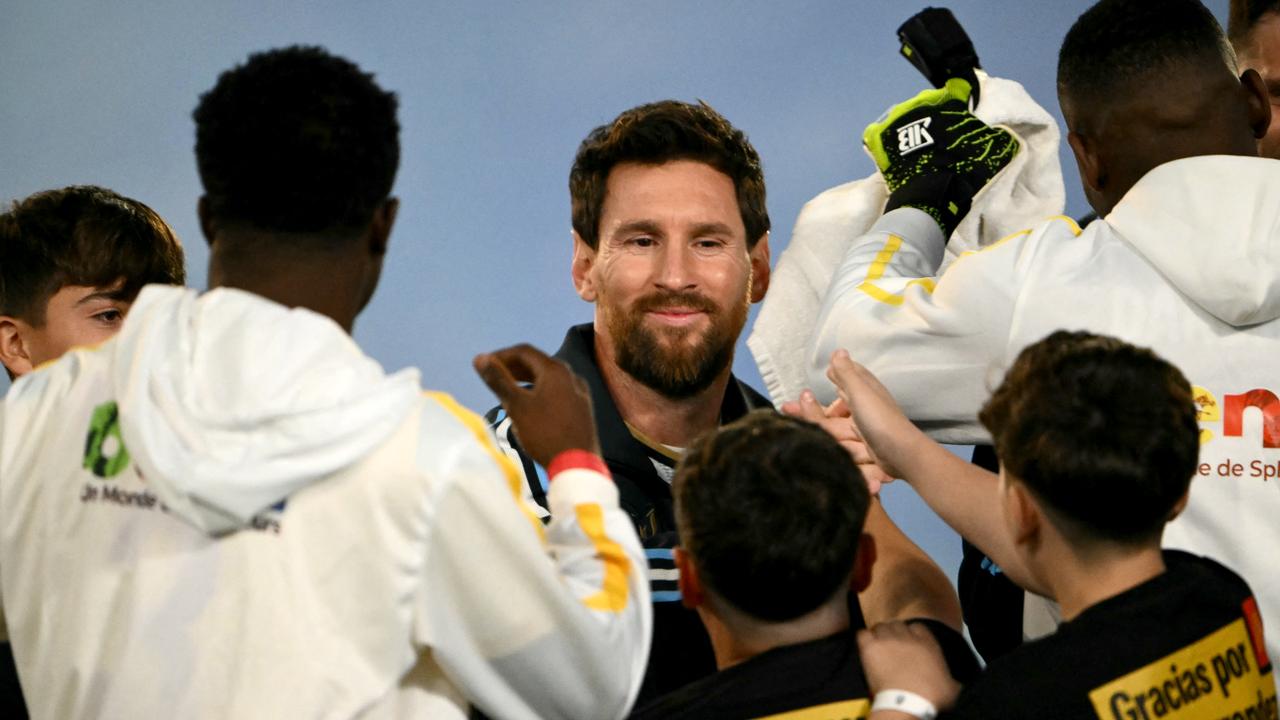
That changed on Dec. 18, 2022.
Argentina and France drew 3-3 in the World Cup final in Qatar before Argentina won on penalties. Messi scored twice during the match and also converted his penalty in the shootout.
At 35, he became a world champion.
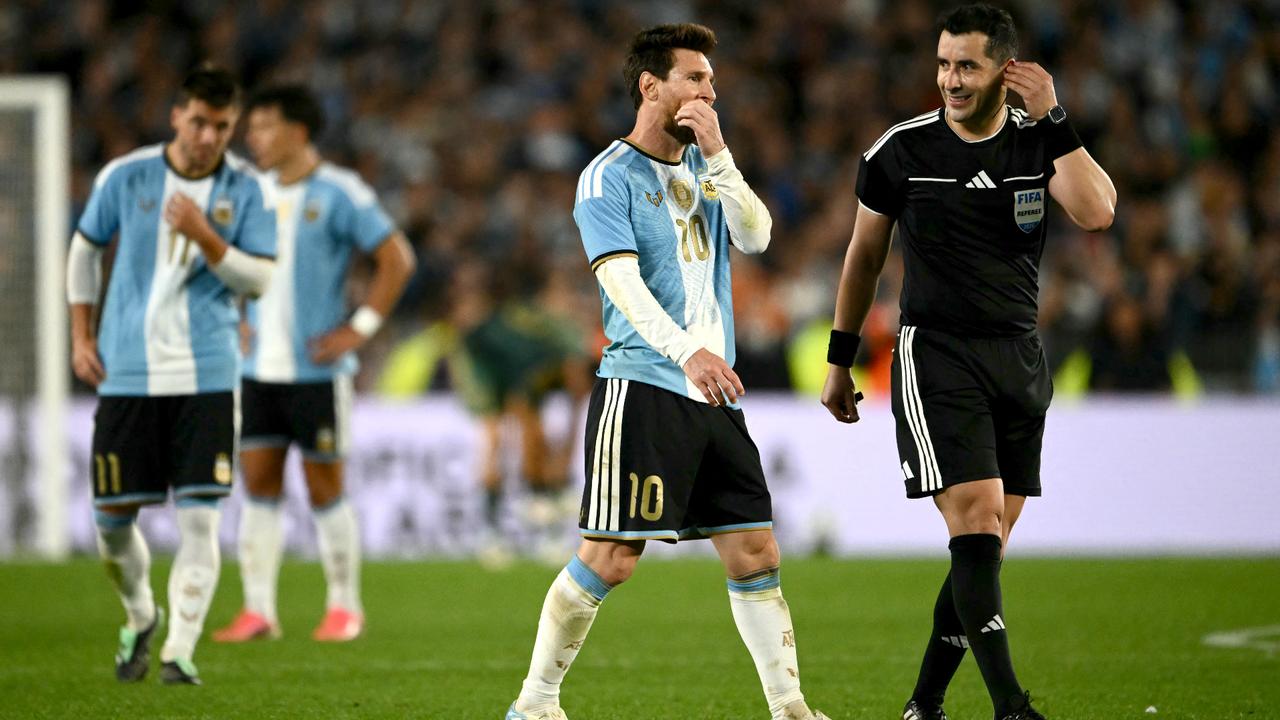
Argentina then added another Copa America title in 2024, beating Colombia 1-0 after extra time in Miami and giving Messi a second consecutive continental championship alongside the World Cup.
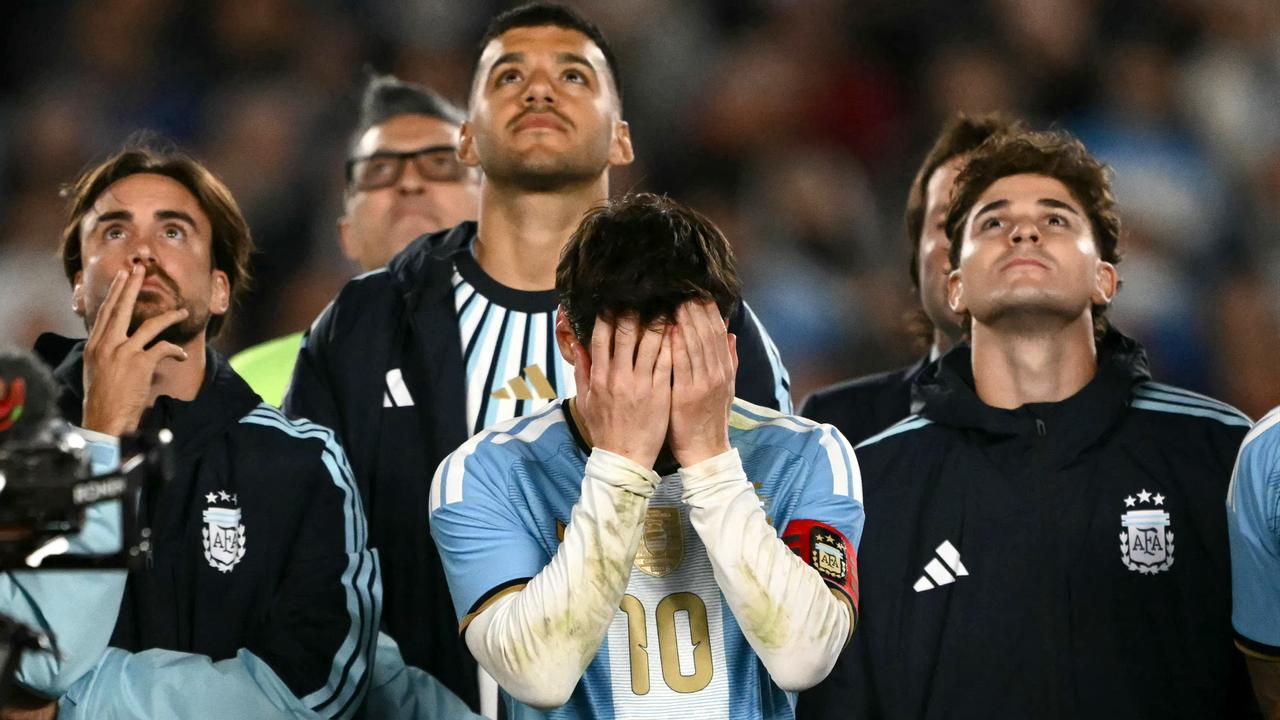
Messi's sixth World Cup ended on July 19, 2026, when Argentina faced Spain in the final in New Jersey.
Spain won 1-0 after extra time, denying Messi the chance to close out his World Cup career with a second consecutive title.
On Aug. 31, Messi announced his retirement from international football, saying the decision hurt but that he had given everything he could to Argentina and believed the time had come for younger players to take their opportunity.
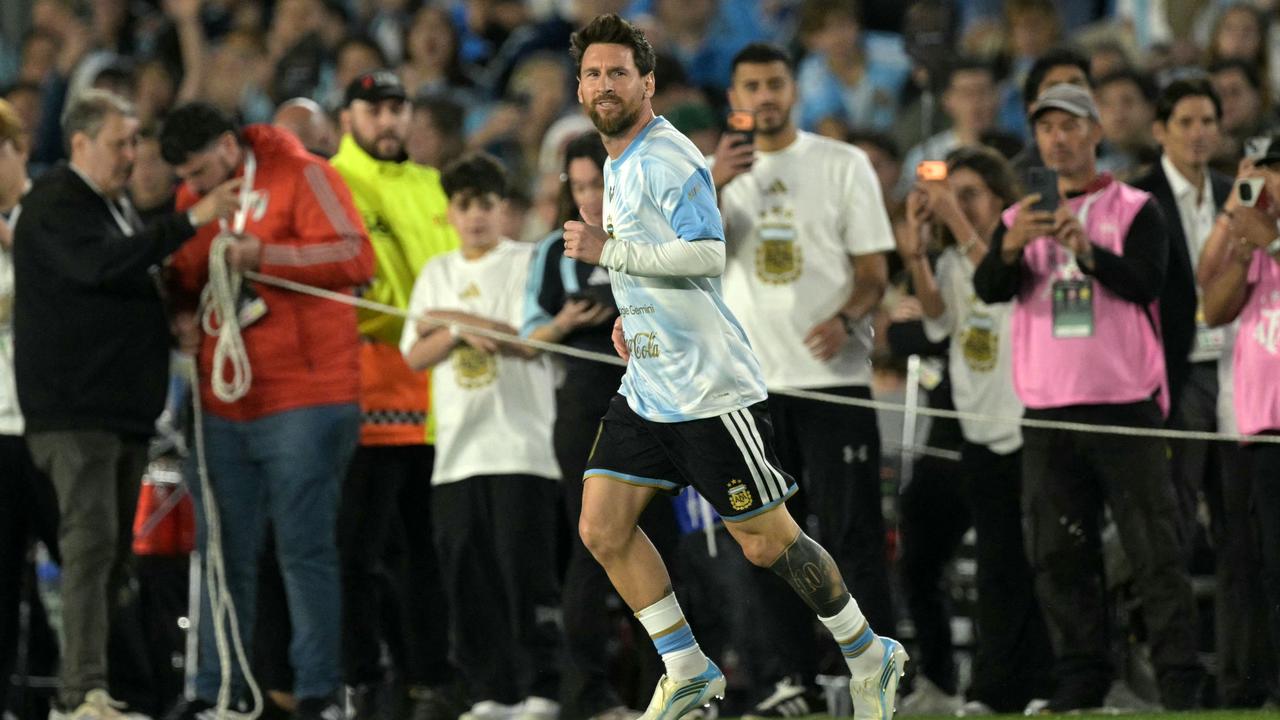
The Argentine Football Association later invited him back for one final appearance, with President Claudio Tapia saying the captain deserved to say goodbye in Argentina.
That farewell came against Benin at the Monumental, more than two decades after Argentina first went looking for the young player developing in Barcelona.
Messi leaves the national team with 207 appearances and 125 goals, along with a World Cup, two Copa America titles and a Finalissima, closing a career that moved from relative anonymity and repeated disappointment to Argentina's biggest international honors.


 Set as preferred source

 2 min read