Newsletters


Türkiye has built a global volleyball identity through long-term investments in youth development, strong club programs, and a high-performing national team. Experts say this rise can be sustained, but only with broader structural expansion.
Türkiye’s rise in women’s volleyball is rooted in early-age training models and consistent investment in youth development. Since the early 2000s, major clubs such as Eczacibasi, Vakifbank, and Fenerbahce have established volleyball academies that not only identify talent but also support young athletes with structured, science-based training programs.
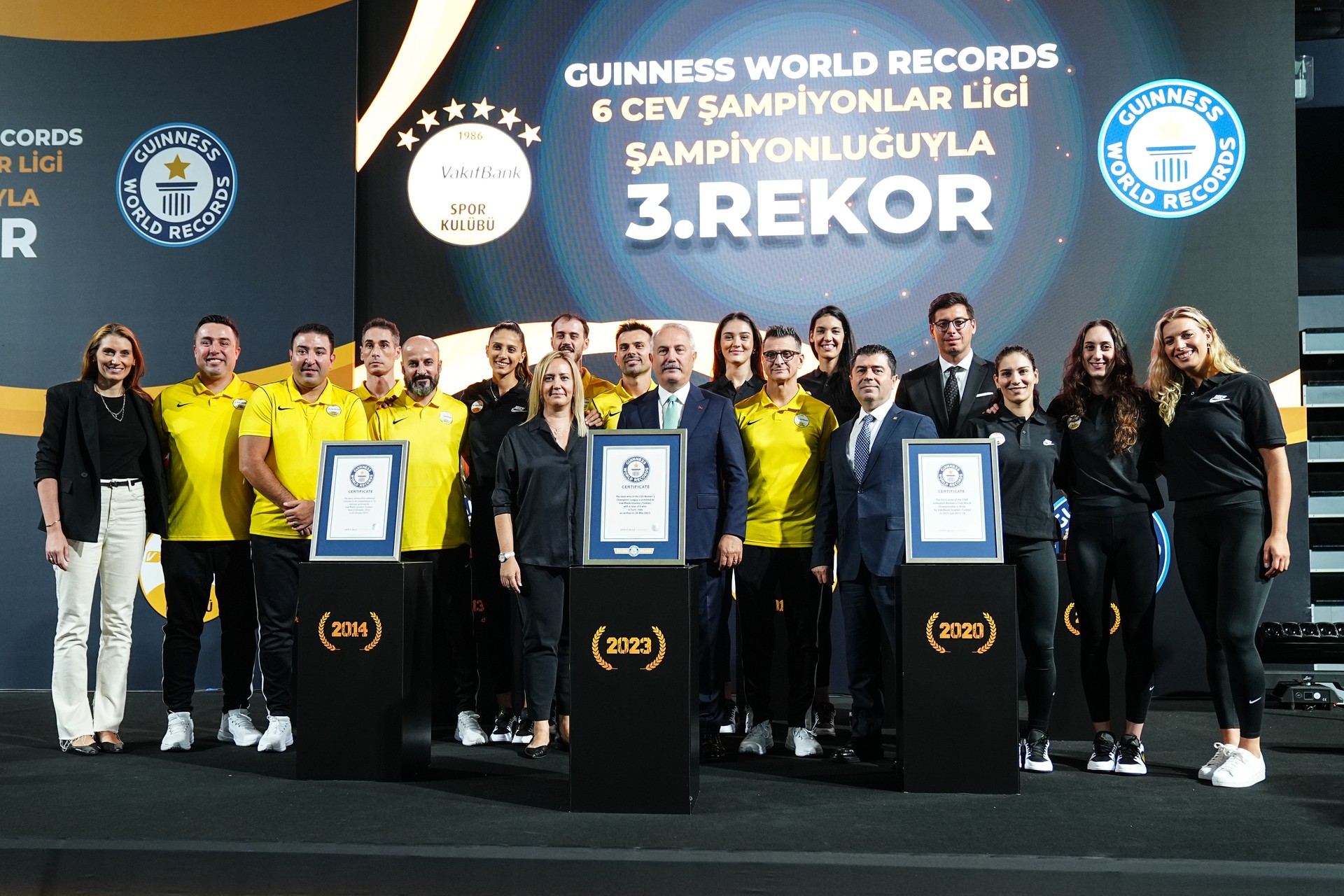
International achievements by Turkish clubs strengthened the country’s growing brand value. Vakifbank’s European Volleyball Confederation (CEV) Champions League titles and Eczacibasi’s victories in the International Volleyball Federation (FIVB) women’s club world championship demonstrated that Turkish clubs have long competed at the highest level of the sport.
These results made the Turkish League an attractive destination for foreign stars, elevating the level of competition and creating an environment where local talent could progress faster.
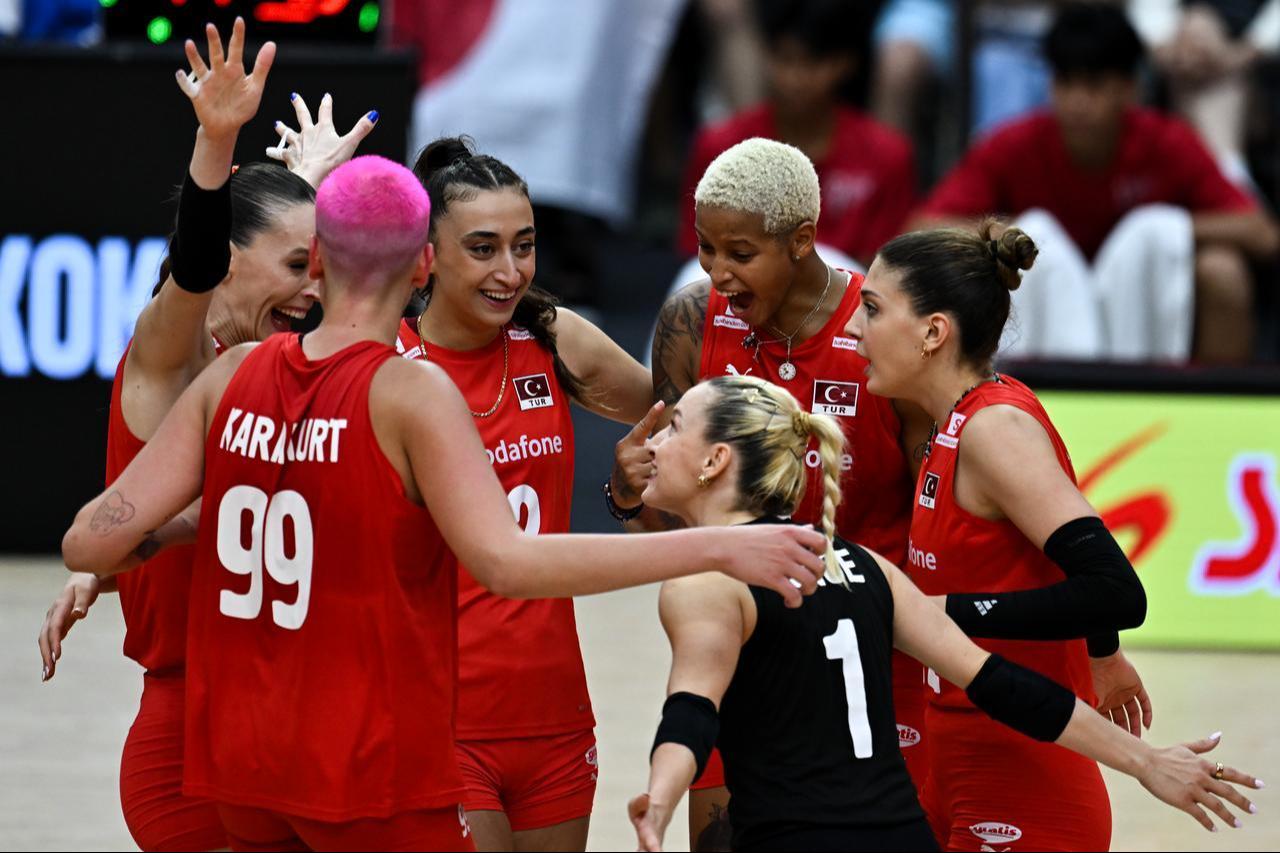

Türkiye’s national women’s volleyball team has surged in prominence largely due to generational harmony, roster stability, and a coaching staff that has remained consistent. A core group that has played together for years strengthened its tactical discipline and built the mental resilience required for top-tier international competition.
Melissa Vargas’ world-leading performances, Ebrar Karakurt’s attacking variety, Zehra Günes's blocking presence, and young setter Elif Sahin’s fast-paced play have helped Türkiye establish balance on both offense and defense.
The national teams is no longer viewed as a promising contender but as a genuine title candidate in major tournaments. The combination of physical capacity, skill level and international experience has firmly established Türkiye as one of the sport’s leading nations.
Experts emphasize that Türkiye’s volleyball brand can remain strong only if the country strengthens and expands its existing structure. While major Istanbul-based clubs offer strong youth systems, broadening development programs across Anatolia is critical for enlarging the athlete pool.
The Turkish Volleyball Federation (TVF) has increased regional development camps and coaching programs in recent years, marking an important step forward. Still, long-term investment, enhanced sports science support and comprehensive mental training programs are necessary for sustaining elite-level performance. Health management, nutrition plans, and Professional mentoring must also meet European standards to extend athletes career longevity.
Türkiye has climbed to the top tier of world volleyball at both club and national levels. Preserving this momentum will depend on expanding its volleyball ecosystem and ensuring equal opportunities for the next generation. Strategic decisions made in the coming years will determine Türkiye’s long-term position in global women’s volleyball.
 1 min read


 Set as preferred source
 Set as preferred source



 1 min read