Newsletters


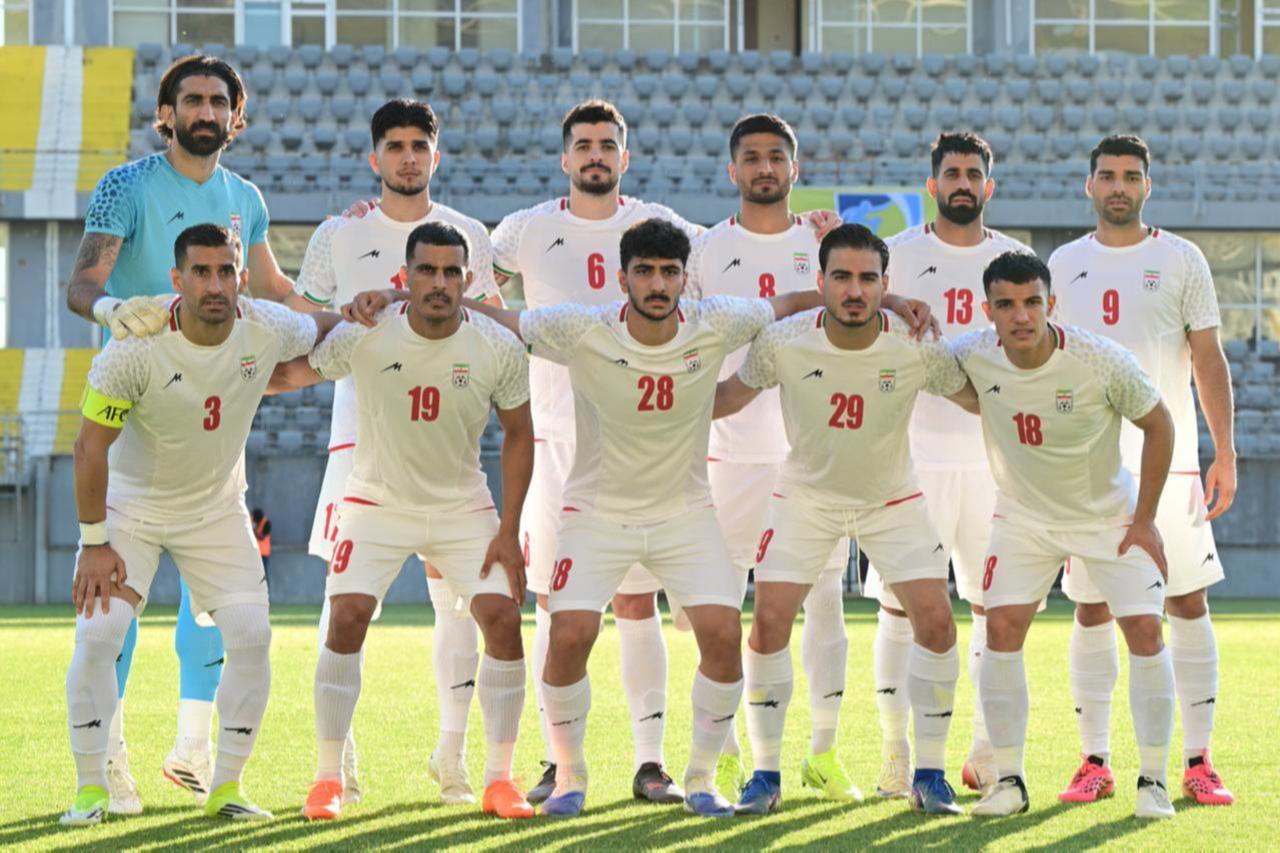


Iran's World Cup football squad departed Türkiye for its base camp in Mexico on Saturday under extraordinary conditions: the team's ambassador to Mexico said the players would be required to enter and leave the United States on match days only, barred from extended stays on American soil, as a bitter dispute over visas erupted just days before the tournament's opening.
Ambassador Abolfazl Pasandideh, who has been navigating the crisis from Mexico City, confirmed that despite players finally receiving US entry clearance overnight Friday, the de facto arrangement restricts Iran to crossing the border from Tijuana on the day of each fixture and returning to Mexico afterward.
Washington had never formally stated it would not allow the team to remain on US territory, Pasandideh said, "but through its actions, it has shown that Iranians have no place there."
The statement captured what has become one of the most diplomatically fraught participation disputes in World Cup history.
Iran's players are based in Tijuana, a border city in northwestern Mexico directly across from San Diego, precisely because months of visa delays and a festering war between the United States and Iran made an American training base untenable.
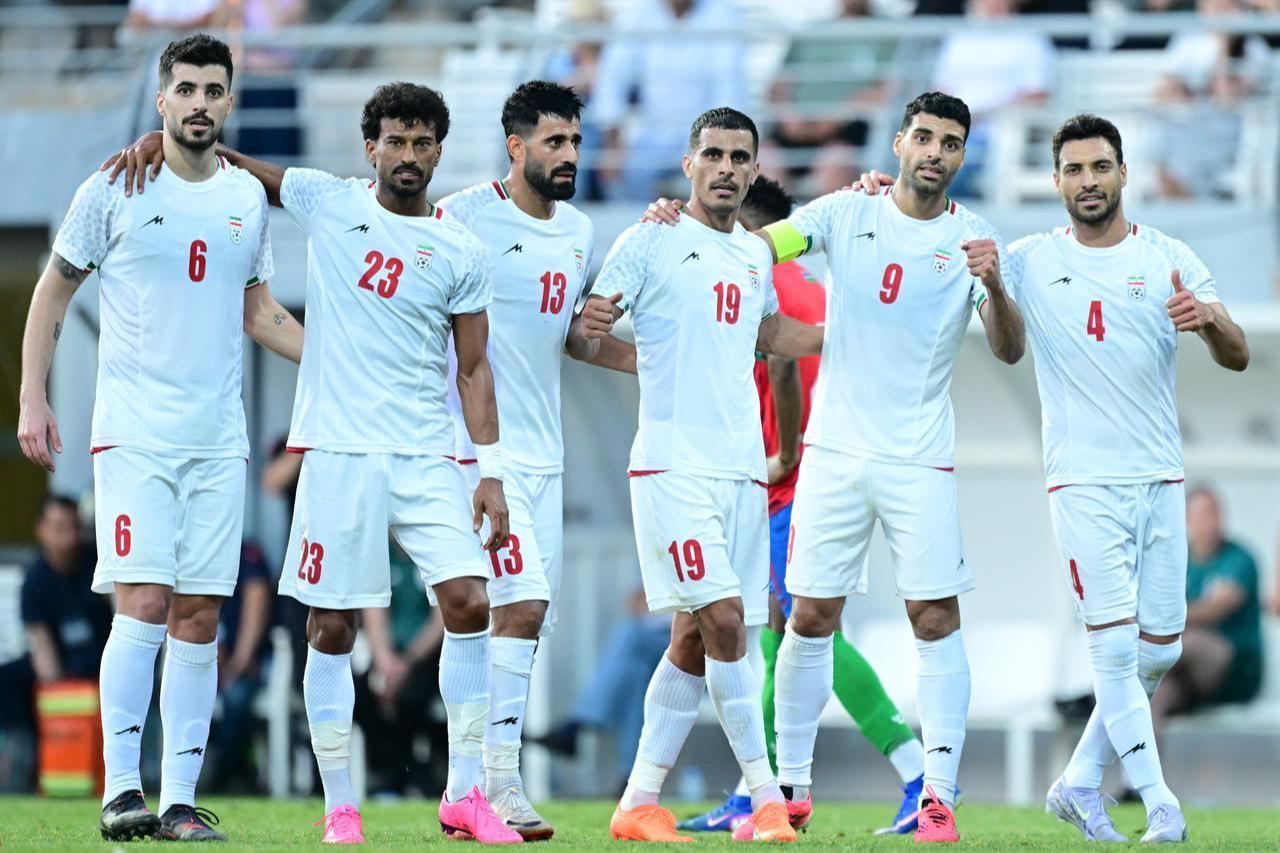

Players received their US visas late on Friday, confirmed by US Ambassador to Türkiye Tom Barrack in a social media post praising his embassy staff in Ankara for "processing visas for Iran's national football team."
Iran's embassy in Türkiye fired back the same day, saying Barrack's self-congratulation omitted the central fact: that visas were denied to a "large portion of the managerial and executive staff, technical advisers, and others who are an integral part of any national football team."
Iranian state media reported that those without US visas included football federation chief Mehdi Taj, Media Director Mohsen Motamedkia, federation secretary-general Hedayat Mombini, and Director Mehdi Kharati, among others.
In all, at least 14 backroom staff and officials were reported to lack clearance, according to Iranian state television.
One US official told the Associated Press that a third US official suggested some applicants had been rejected for requesting visas "under false pretenses."
Secretary of State Marco Rubio had set the terms publicly earlier this week, telling a Senate Foreign Relations Committee hearing that Washington would not permit individuals with ties to the Islamic Revolutionary Guard Corps to join the delegation. "
What we're not going to allow is for them to embed in their delegation a bunch of people that we know have nothing to do with athletics," Rubio said. Taj, a former IRGC commander, was previously denied entry for the World Cup draw in Washington last December.
Iran's Football Federation condemned the partial denials as "a non-sporting and completely political decision" that "contradicts international sports laws," and said it would pursue the matter through FIFA, which it called obligated to "follow up and finalise" visas for all staff urgently needed by the team. FIFA did not immediately respond.
The team had originally selected a sports complex in Tucson, Arizona, as its World Cup base but relocated to Tijuana's Centro Xoloitzcuintle after visa complications and security concerns following the US-Israel war on Iran, which began February 28 with strikes that killed Iran's supreme leader.
An April 8 ceasefire was declared, though renewed strikes by both sides have strained it significantly.
From Tijuana, the plan is for the squad to cross into the US by land on match days, play in Los Angeles or Seattle, and return to Mexico, avoiding the extended American presence that a full base camp would have required.
Pasandideh, who described navigating a nine-hour time difference with Tehran while orchestrating the last-minute camp relocation from Arizona, said the situation has denied the team a fair preparation.
"Sport and the World Cup were created to bring nations closer together. But we are not witnessing that right now," he said. "We aren't participating in the World Cup on equal terms."
Even so, the ambassador framed Iran's willingness to compete as a political signal.
"Iran's participation in the World Cup, even on the soil of what is seen as its enemy, shows that Iran seeks peace," Pasandideh said at the Iranian Embassy in Mexico City, speaking through a Spanish interpreter.
 1 min read
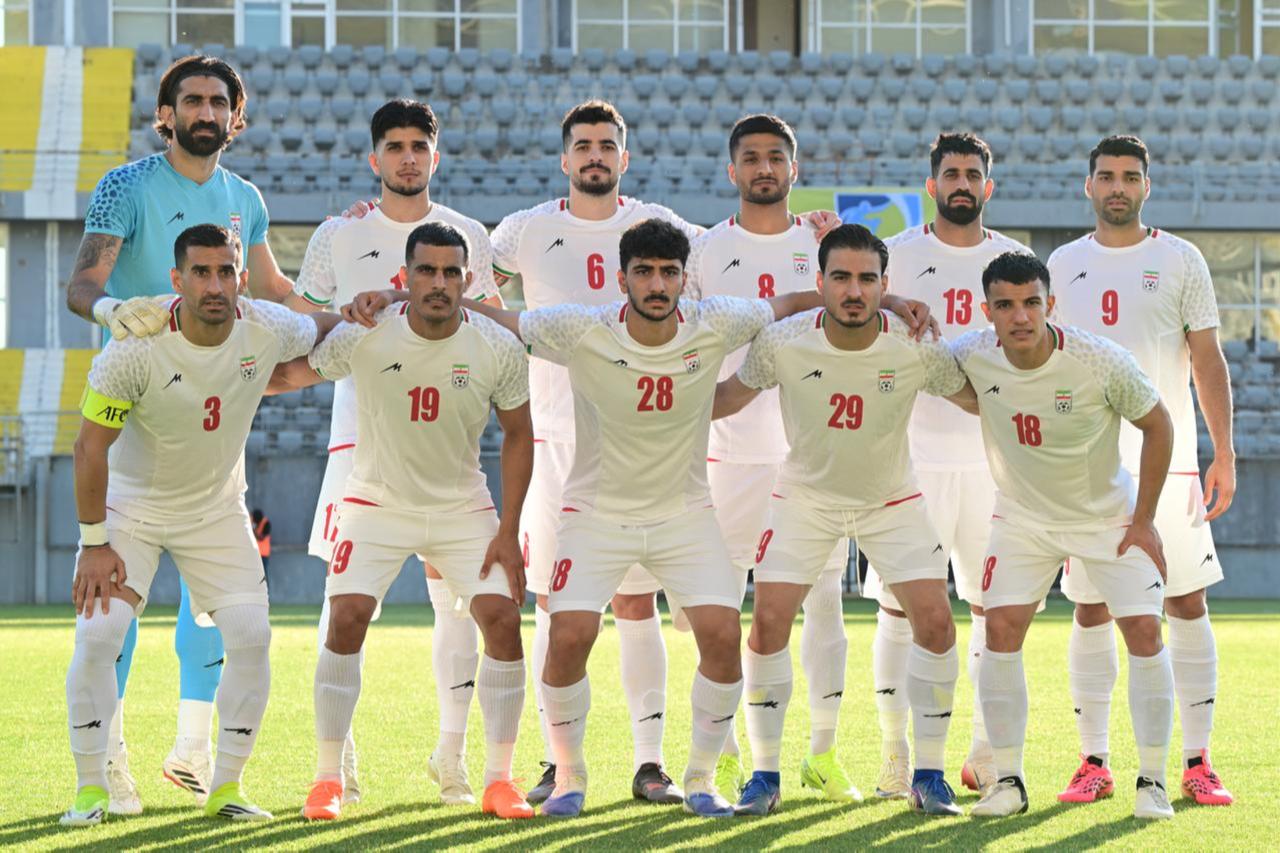
Iran, making its seventh World Cup appearance and fourth consecutive, play all three Group G matches in the US. They face New Zealand on June 15 and Belgium on June 21, both at SoFi Stadium in Inglewood, California, before closing out the group stage against Egypt in Seattle on June 26.
The federation had earlier demanded multiple-entry US visas for the squad since, as federation president Mehdi Taj put it, the team "would have to leave and re-enter the US many times."
Iran's players, dressed in blue blazers over white T-shirts, left their hotel in Antalya on Saturday afternoon and boarded a flight with a stopover in Spain before continuing to Tijuana, where they are scheduled to arrive Sunday morning.
Staff members who were denied US visas will travel to Mexico with the team while attempts to secure their clearance continue. The team beat Mali 2-0 in its final warm-up match on Thursday, having earlier defeated Gambia 3-1.
The 2026 FIFA World Cup, co-hosted by the United States, Mexico and Canada, opens June 11 and runs through July 19.


 Set as preferred source
 Set as preferred source


 1 min read