

 Newsletters


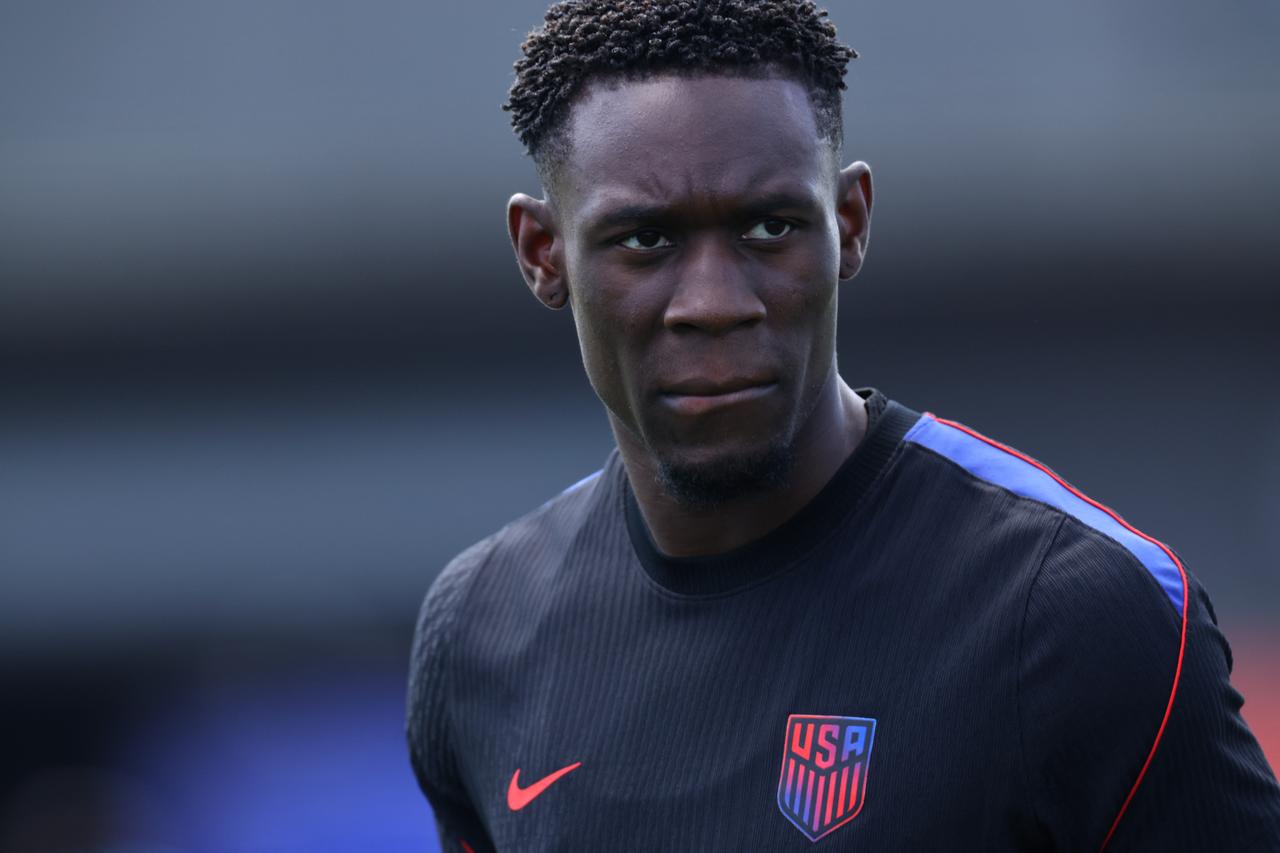


U.S. President Donald Trump thanked FIFA on Sunday after the organization suspended the automatic one-match ban imposed on United States striker Folarin Balogun, clearing the 25-year-old to play in the Round of 16 match against Belgium in Seattle.
"Thank you to FIFA for doing what was right, and reversing a great injustice," Trump wrote on his Truth Social platform following the announcement.
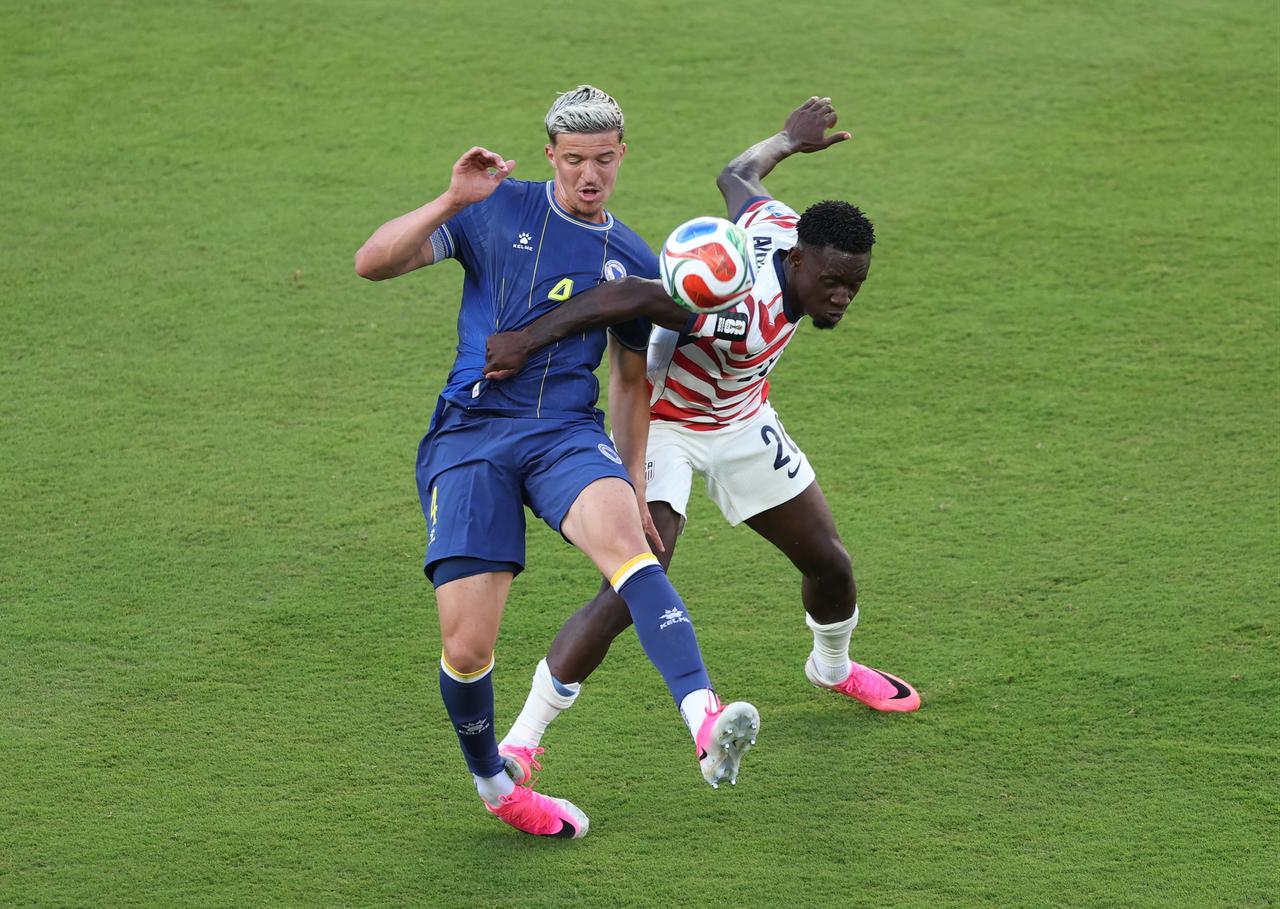

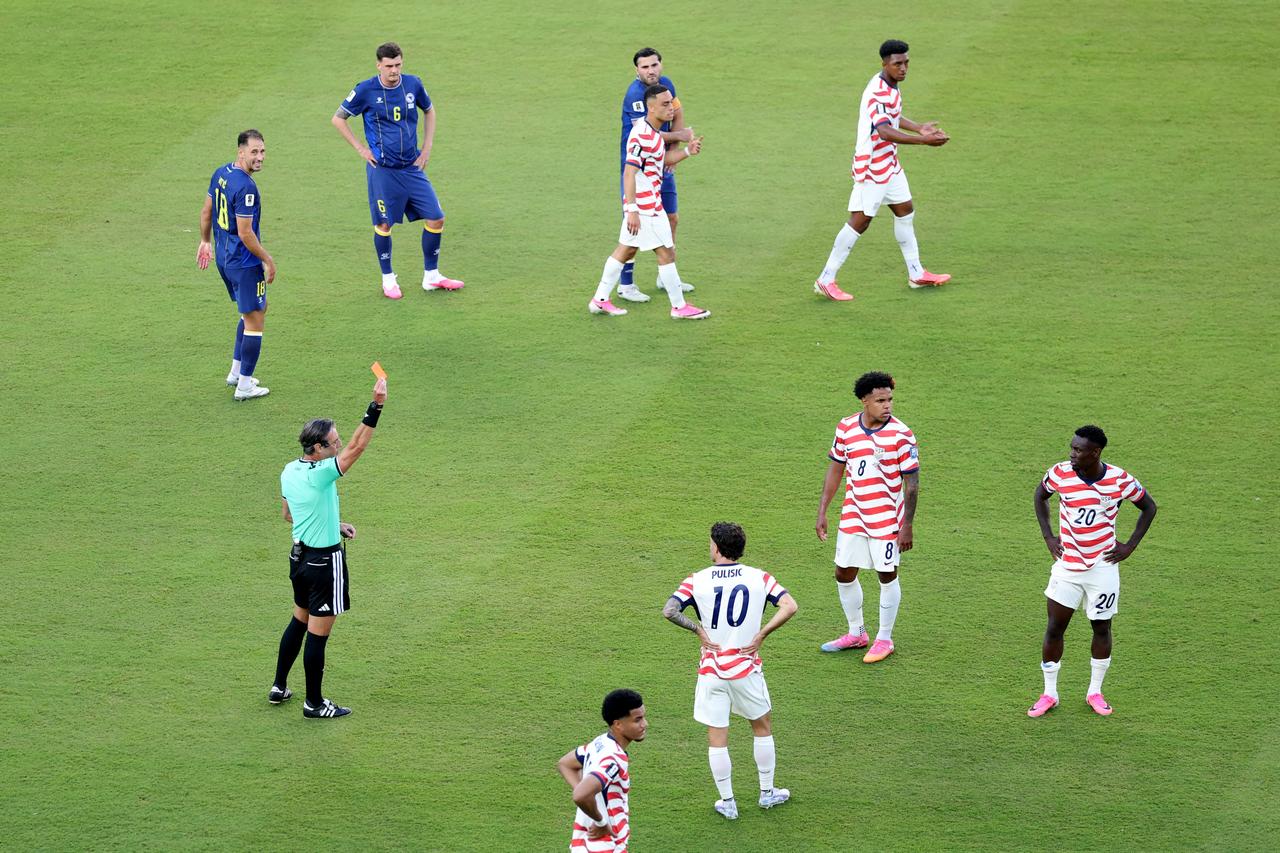
Balogun was sent off in the 64th minute of the United States' 2-0 win over Bosnia and Herzegovina on July 1, after his foot came down on the ankle of Bosnian defender Tarik Muharemovic while both players challenged for the ball. The call followed a video review.
Balogun has scored three goals in three starts at the tournament as the U.S. seeks its first World Cup quarterfinal appearance since 2002.
The Americans last met Belgium at the World Cup in the 2014 Round of 16, when Belgium won 2-1 after extra time despite a 16-save performance from U.S. goalkeeper Tim Howard.
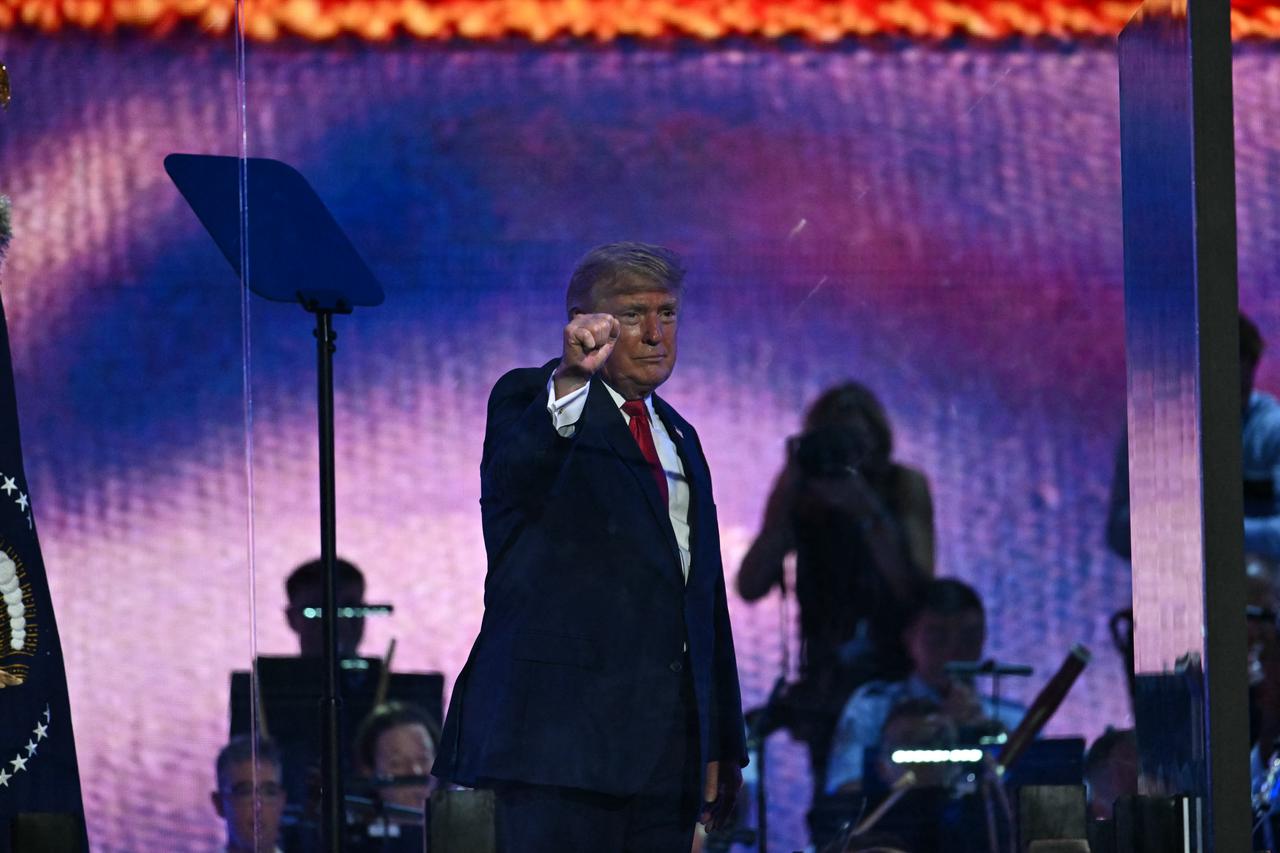
The New York Times reported, citing three people familiar with the matter, that Trump called FIFA President Gianni Infantino on Wednesday to ask him to review Balogun's suspension.
ABC later confirmed the call. A U.S. official told Axios that Trump wanted to understand why Balogun had received the red card and one-match ban, and that Washington had “provided additional evidence” during what the official called an independent board's appeals process.
Media outlets reported that Commerce Secretary Howard Lutnick held behind-the-scenes discussions with FIFA over the ban. Senior administration officials, including Lutnick and White House World Cup task force director Andrew Giuliani, reportedly engaged lawyers to help U.S. Soccer explore an appeal, despite FIFA rules against such appeals.
A three-page memo reviewed by reporters argued that FIFA's disciplinary regulations were vague enough to create grounds for a challenge and suggested invoking the rights of the United States as a nation.
Trump and Infantino have a longstanding public rapport. FIFA awarded Trump its inaugural "FIFA Peace Prize" in December, and Trump is expected to take part in the trophy presentation at the World Cup final on July 19.
U.S. Secretary of State Marco Rubio had criticized the red card on Thursday, telling reporters the team had been "treated unfairly" and that he wished an appeals process existed.
FIFA said in a statement Sunday that "the implementation of the automatic match suspension for U.S.A. player Folarin Balogun is suspended for a probationary period of one (1) year," citing Article 27 of its disciplinary code.
The article allows FIFA's judicial body to fully or partially suspend a disciplinary measure, instead placing the sanctioned player on probation.
If Balogun commits "another infringement of a similar nature and gravity" during that period, the suspension would be enforced.
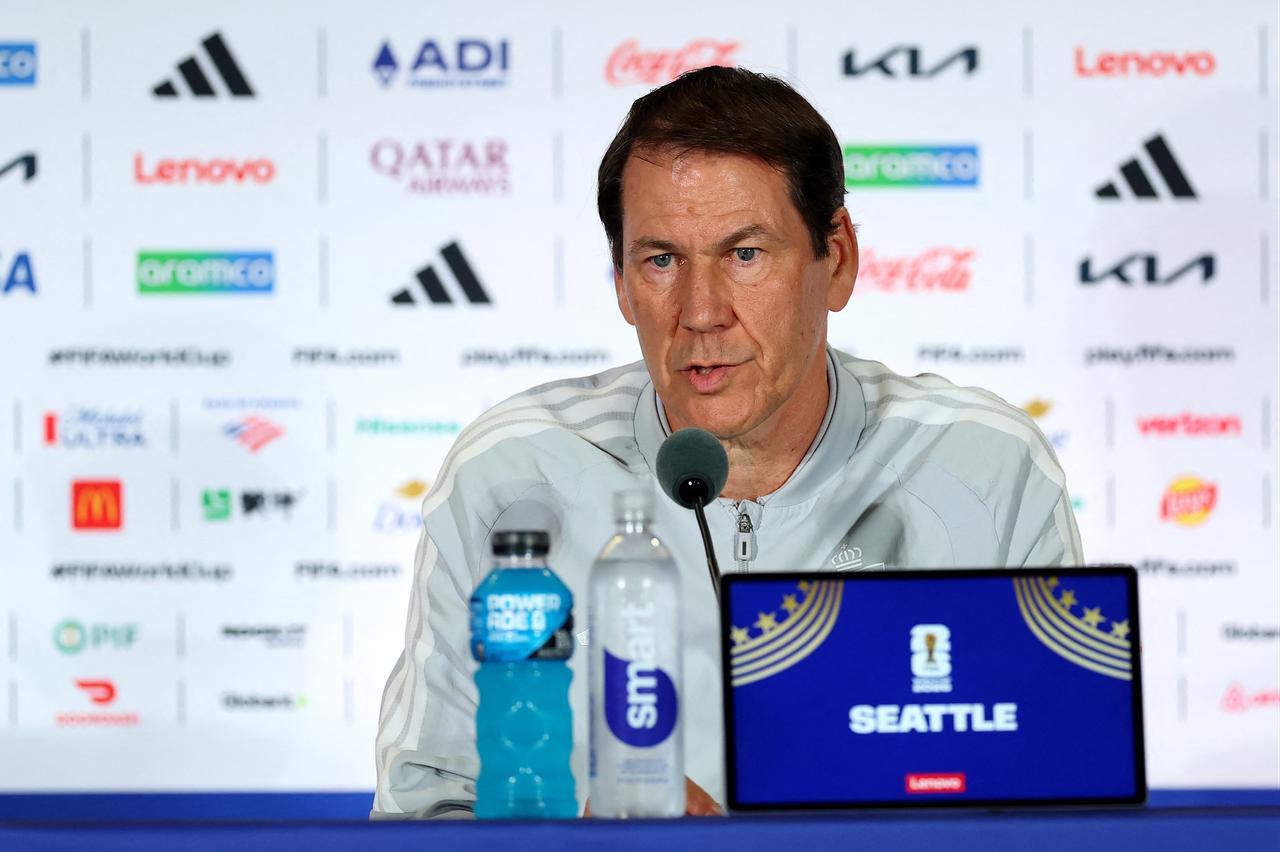
The Royal Belgian Football Association (RBFA) said it was "astonished" by the decision.
The federation argued that Article 66.4 of FIFA's disciplinary code and Article 10.5 of the FIFA World Cup 2026 Competition Regulations both state that a red card automatically results in a one-match ban, and said this had also been reaffirmed in FIFA World Cup 2026 Circular No. 16, distributed to all participating associations on May 12. "The RBFA is investigating all potential options," the federation said.
"Belgium head coach Rudi Garcia compared the ruling to an April Fools' Day joke. "I didn't know that July 5 was equal to April 1 (April Fools' Day) at FIFA," Garcia said at a news conference.
U.S. head coach Mauricio Pochettino, asked whether he supported political figures allegedly lobbying FIFA over specific rulings, said he preferred to keep the two separate.
"No, we cannot mix that," adding that the decision came from FIFA based on evidence and calling it "very good for football" that unfair calls could be reversed.
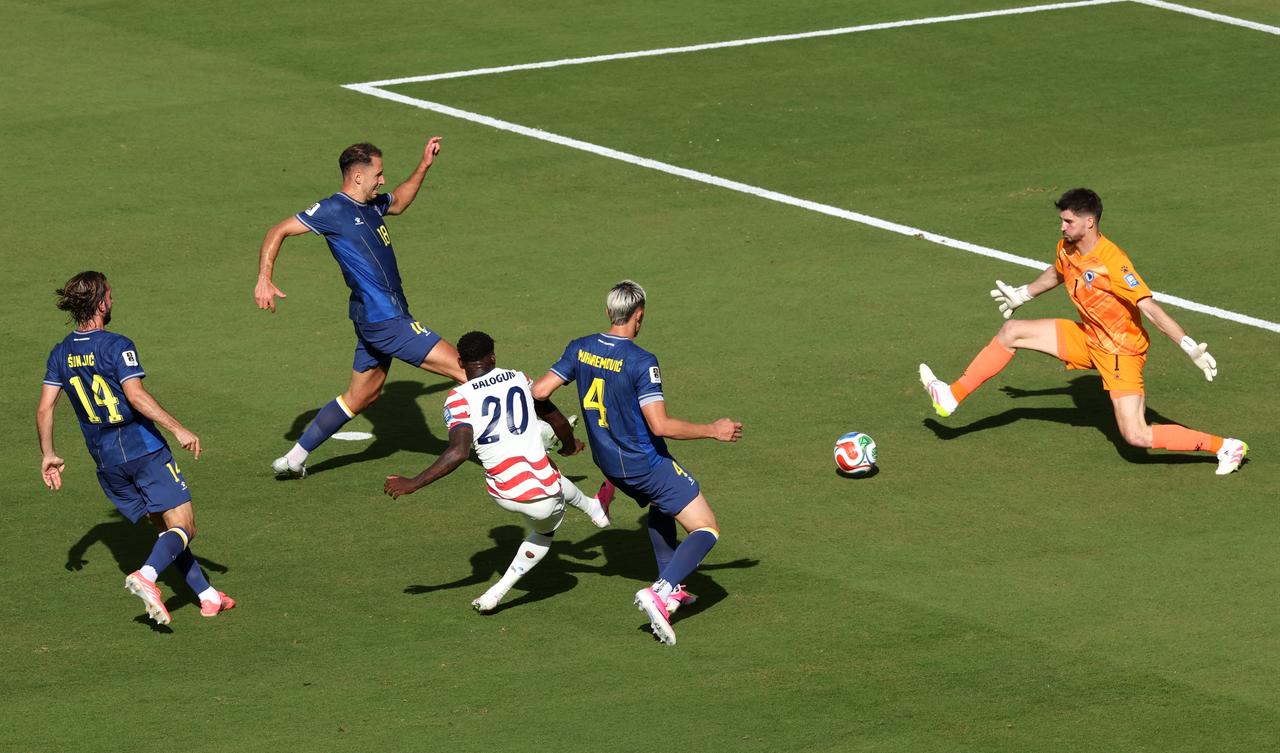
FIFA's decision marks the first time since 1962 that a player sent off at a World Cup has been cleared to play in the following match.
That year, Brazilian forward Garrincha was allowed to play in the final after intervention by the Brazilian government; he had been sent off in the semifinals, and officials, including future president Tancredo Neves, petitioned FIFA on his behalf.
FIFA had previously used Article 27 to defer parts of a ban for Cristiano Ronaldo after a red card against the Republic of Ireland, and had similarly deferred one-match bans for Argentina's Nicolas Otamendi and Ecuador's Moises Caicedo following red cards in World Cup qualifiers.
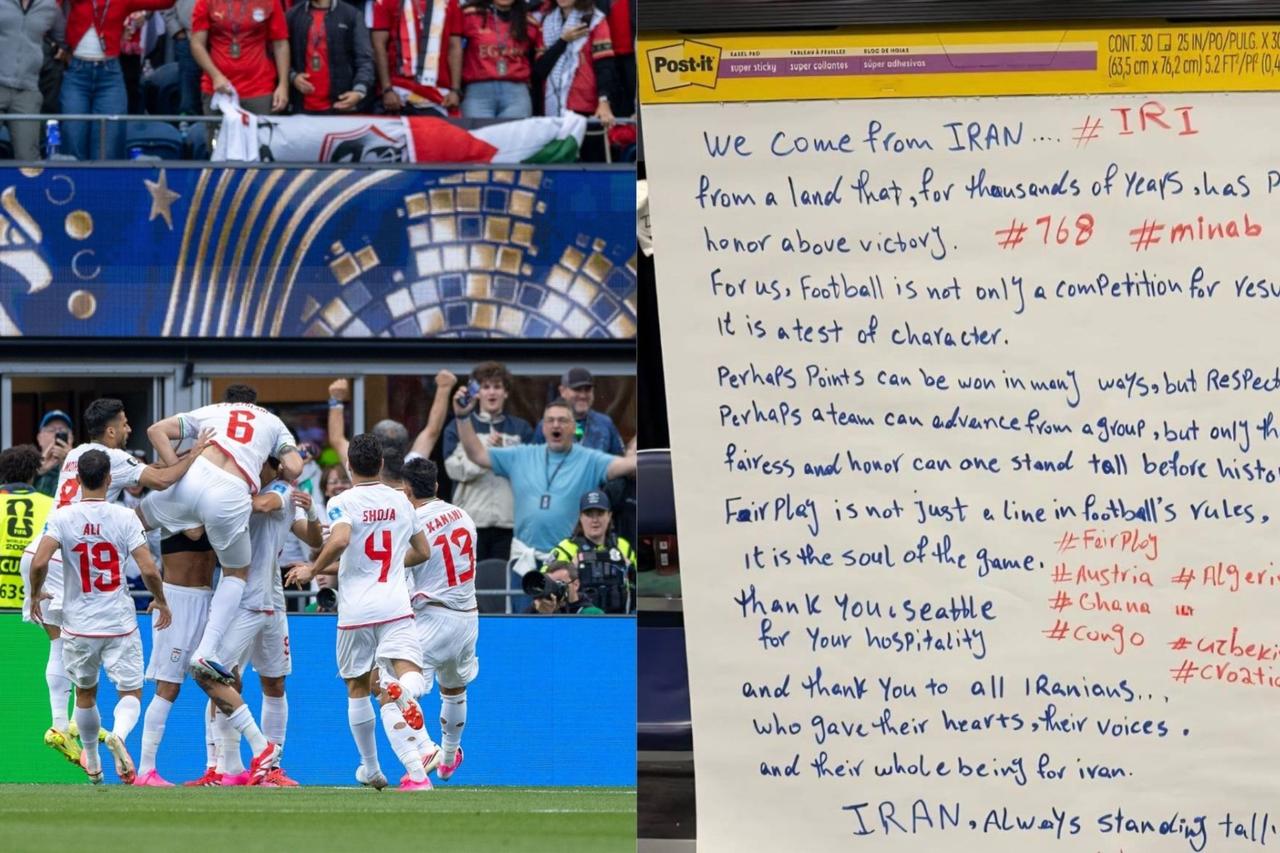
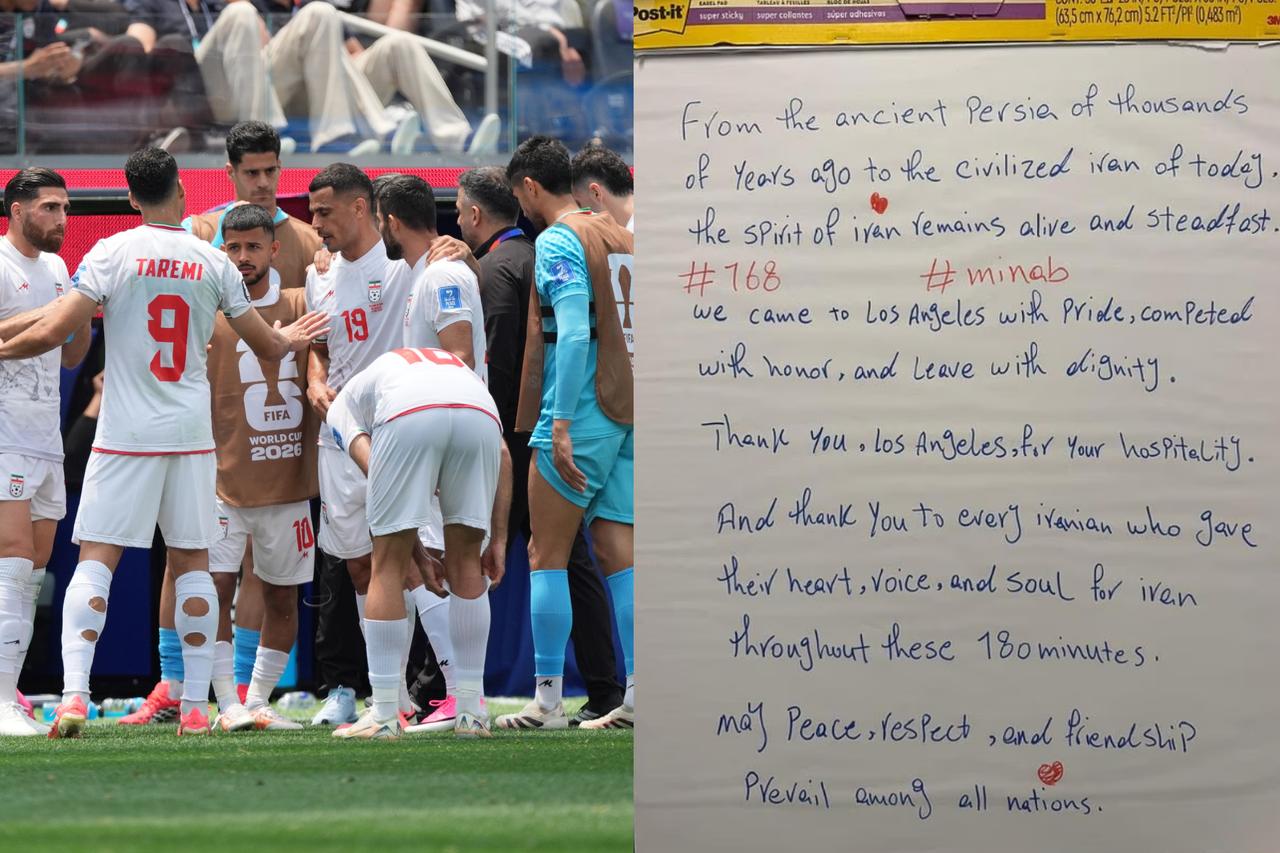
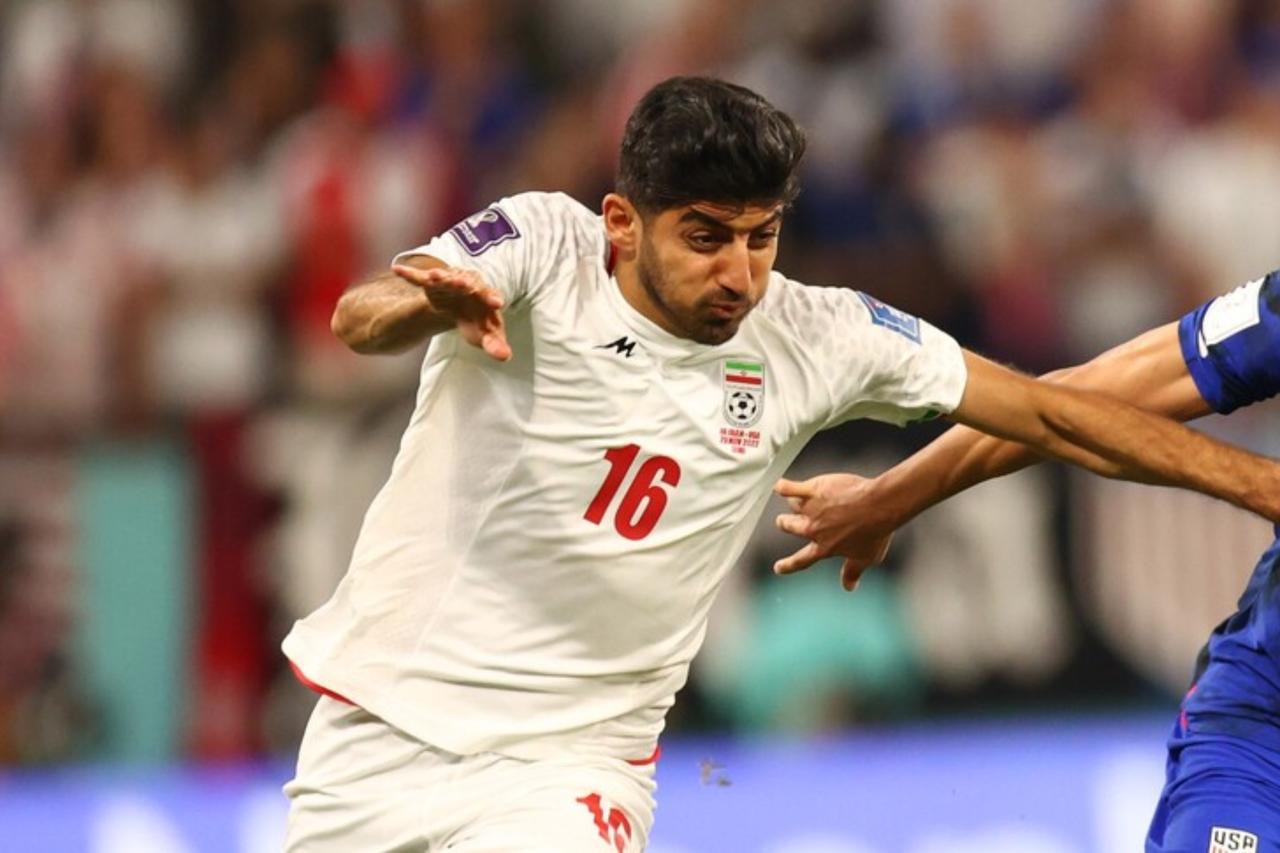
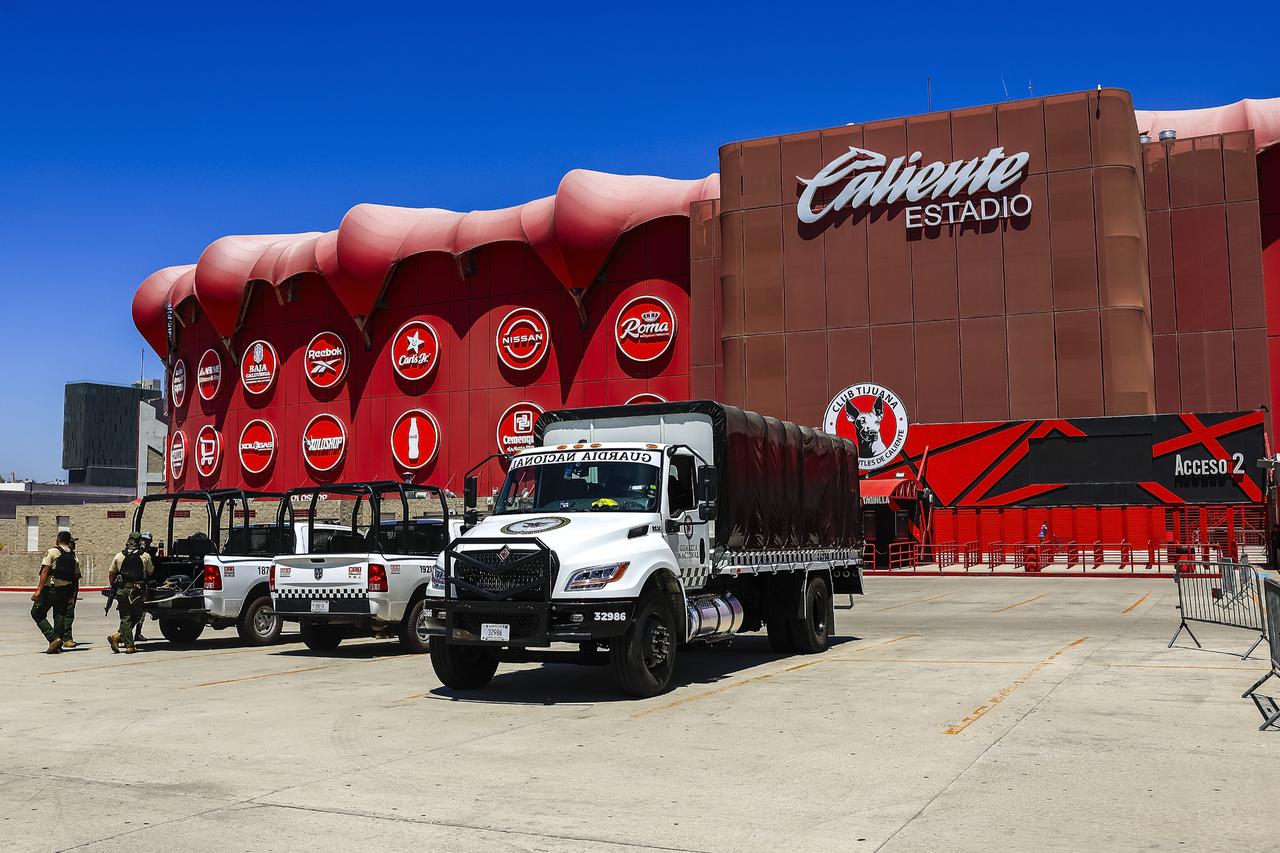
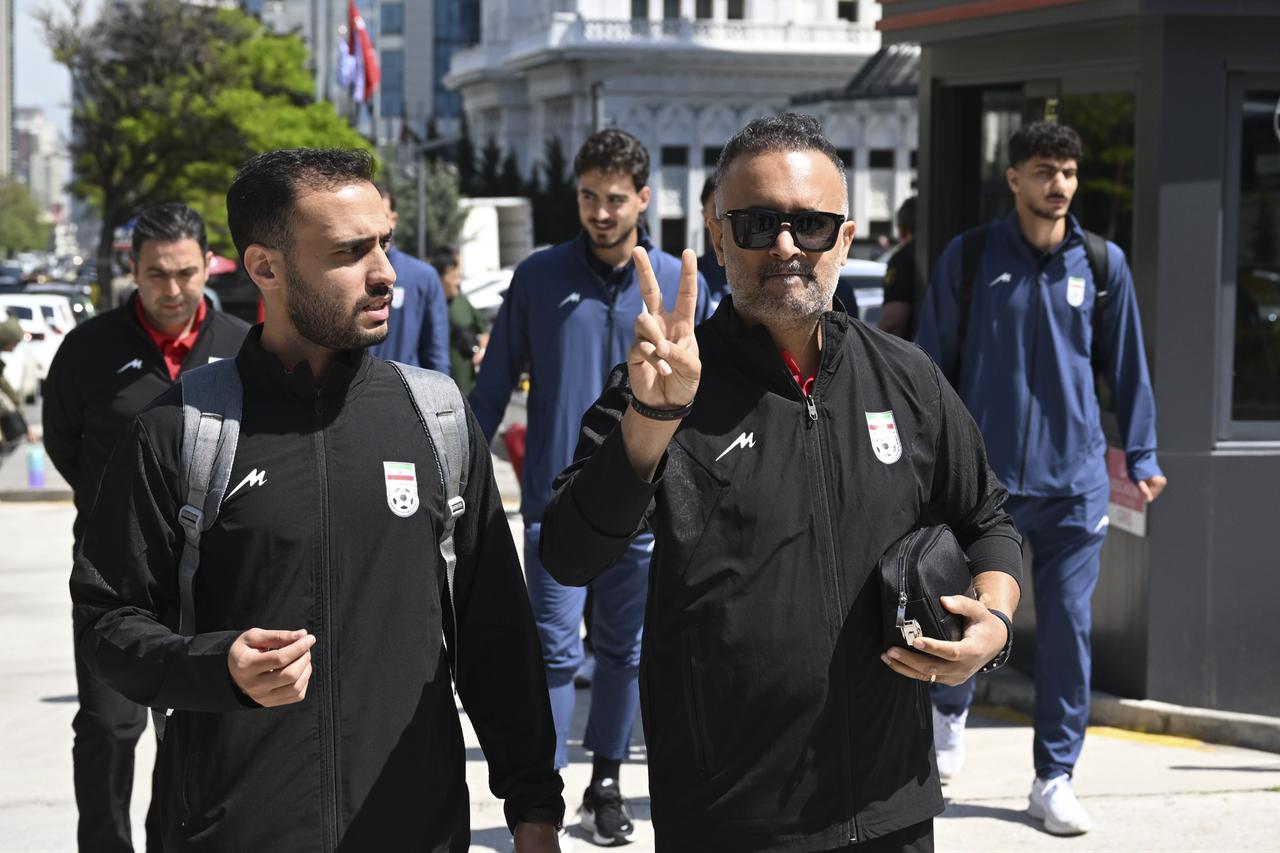
The ruling has drawn additional scrutiny over FIFA's handling of teams during the tournament, with Iranian players required to stay in Mexico and limited in the time they could spend in the United States amid ongoing tensions between the two countries.
Norway's football federation president has separately joined an ethics complaint against Infantino, alleging he breached FIFA's political neutrality statutes after awarding Trump the peace prize.
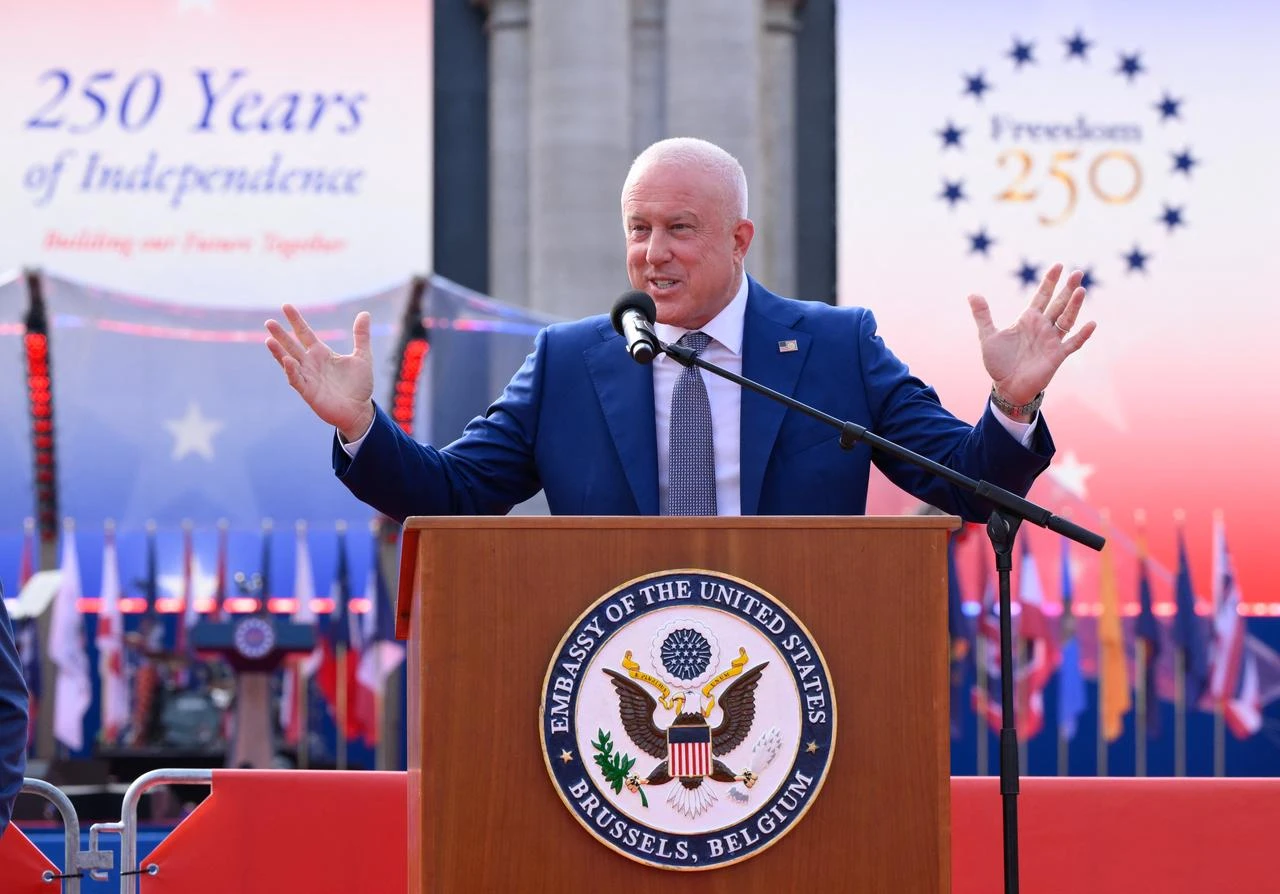
Bill White, the U.S. ambassador to Belgium, said in a post on X that the red card shown to Folarin Balogun was seen by "most football fans" as unnecessary, and defended FIFA's decision to suspend the automatic ban, Anadolu Agency (AA) reported.
Addressing allegations that Trump had influenced FIFA's ruling, White said, "President (Donald) Trump never interferes in FIFA's internal affairs.
"President Trump only thanked FIFA after the fact." He argued that important decisions should be reviewed to ensure fairness in matches, and said he had congratulated FIFA over the decision, according to AA.
The U.S., which beat Bosnia and Herzegovina 2-0, is set to face Belgium in the Round of 16 in the early hours of Tuesday, Istanbul time.


 Set as preferred source
 Set as preferred source


 1 min read
 1 min read


