Newsletters


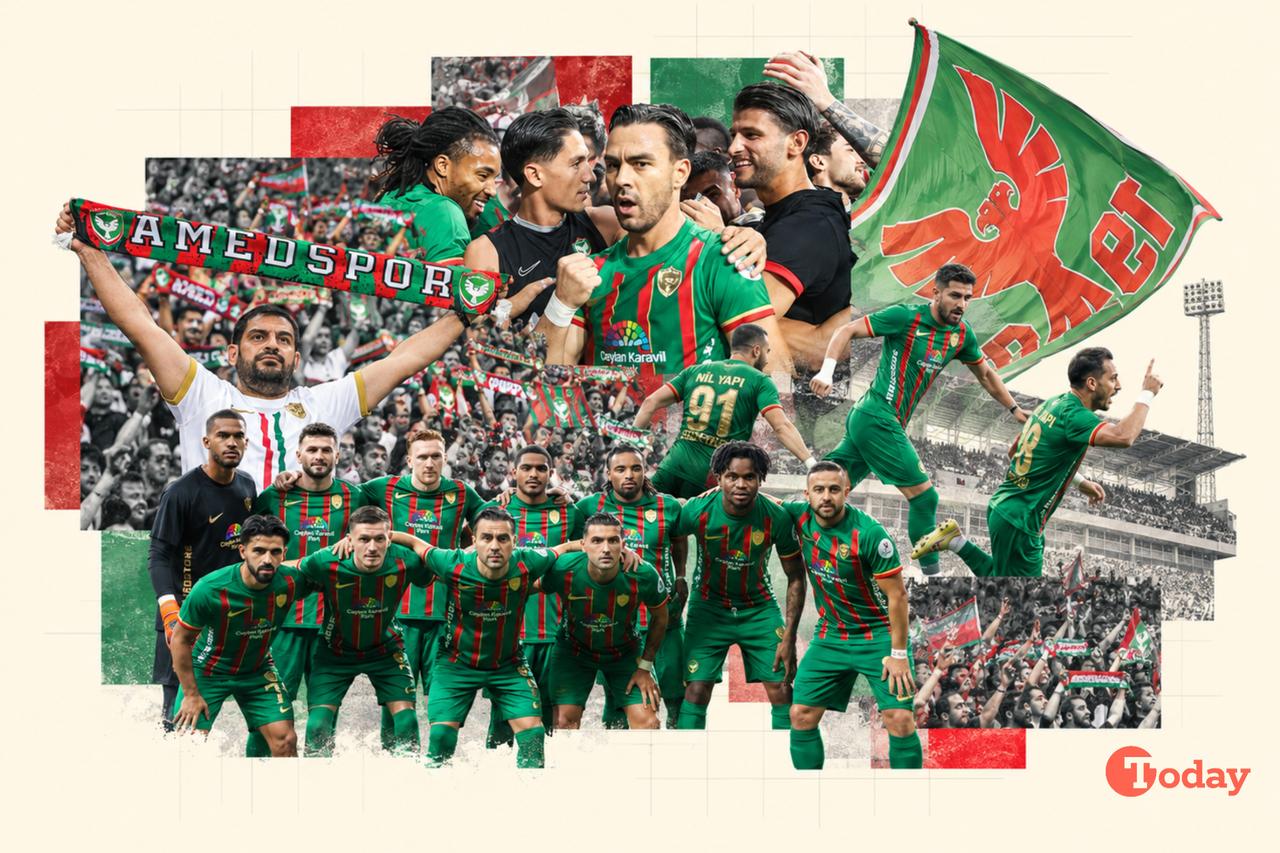


A newly promoted club went into Türkiye's international break looking down on Galatasaray, Fenerbahce and Besiktas from the top of the Super Lig.
That club is Amedspor.
In their first season in Türkiye's top flight, the Diyarbakir side signed off before the break by beating Besiktas 3-2 in front of a packed home crowd, moving onto 13 points and taking first place on goal difference ahead of Galatasaray.
Six games into the season, Amedspor had already won four times. More strikingly, they had turned Diyarbakir into a fortress, winning all four of their home matches, including victories over Trabzonspor, Istanbul Basaksehir and, most recently, Besiktas.
Yet the league table tells only half of the story.
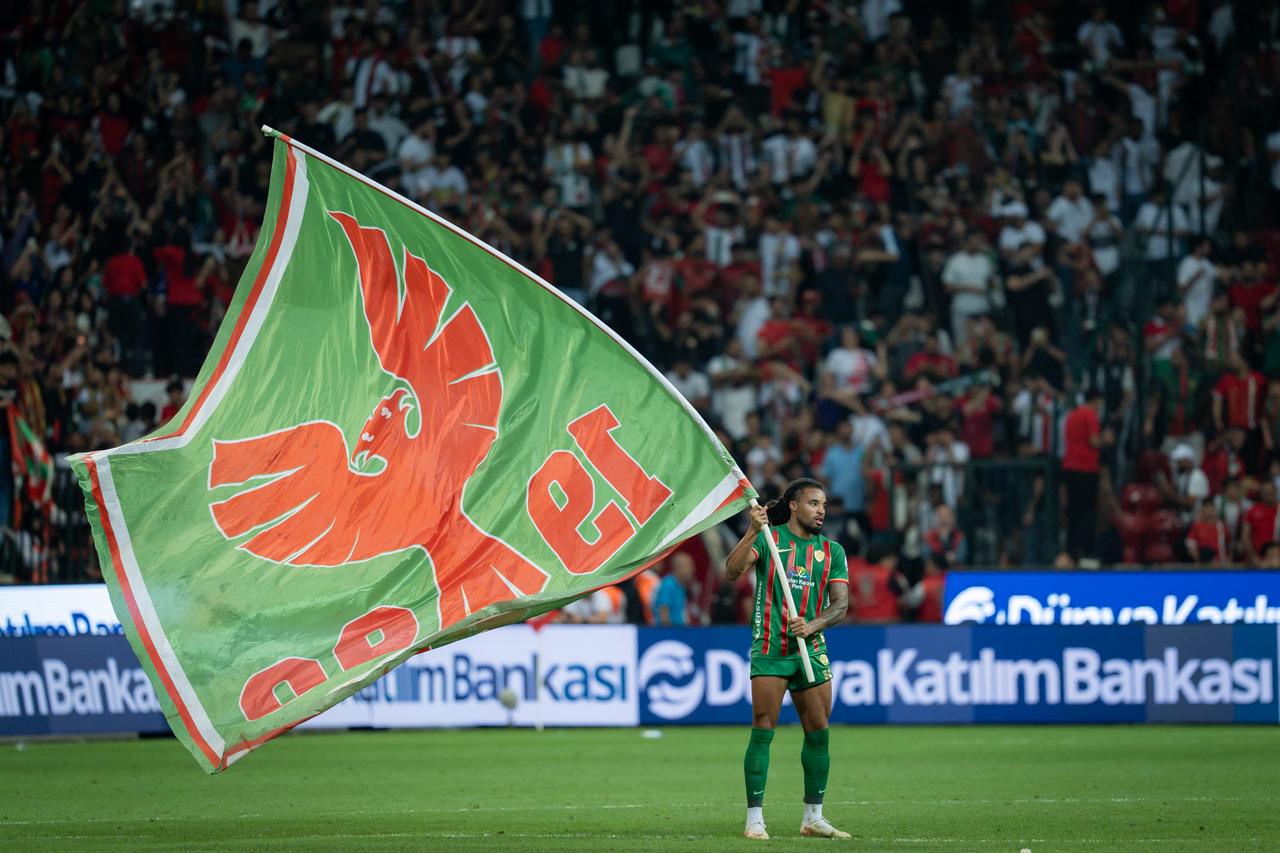

When the final whistle went against Besiktas, celebrations did not stop at the gates of Diyarbakir Stadium. The result also underlined the financial imbalance surrounding the fixture. Figures cited in the accounts around the match valued Besiktas' squad at approximately €270 million, around 10 times the roughly €27 million valuation attached to Amedspor.
On the pitch, however, that gap disappeared.
They rolled into streets, markets and public spaces across the city, while images of supporters celebrating also circulated among Kurdish communities beyond Türkiye.
For a club whose name, supporters and identity have long carried meanings extending beyond football, entering the international break as the leader of the Super Lig turned an already unlikely sporting rise into something considerably larger.
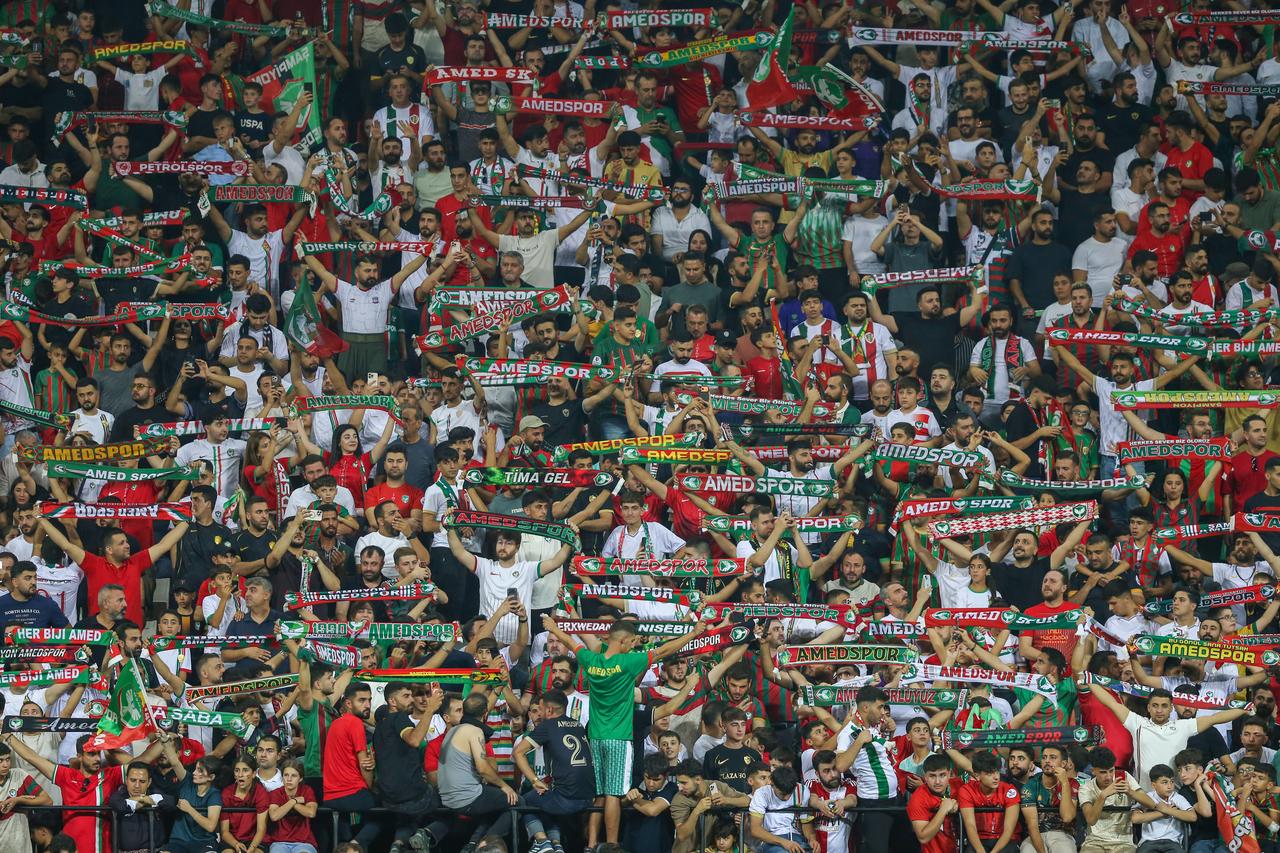
The noise inside the stadium carried another layer.
Supporter groups including Barikat, Direnis, Azadi and UltrAmed kept up chants throughout the match, while Kurdish expressions and references to Diyarbakir repeatedly rang around the ground.
One of the most prominent was:
"Kine em? Kurd in em!"
The phrase means: "Who are we? We are Kurds."
Another large display carried the Kurdish words "Em hatin"—"We have arrived."
For supporters who attach cultural and social meaning to Amedspor, those messages made the night about considerably more than moving three points up the table.
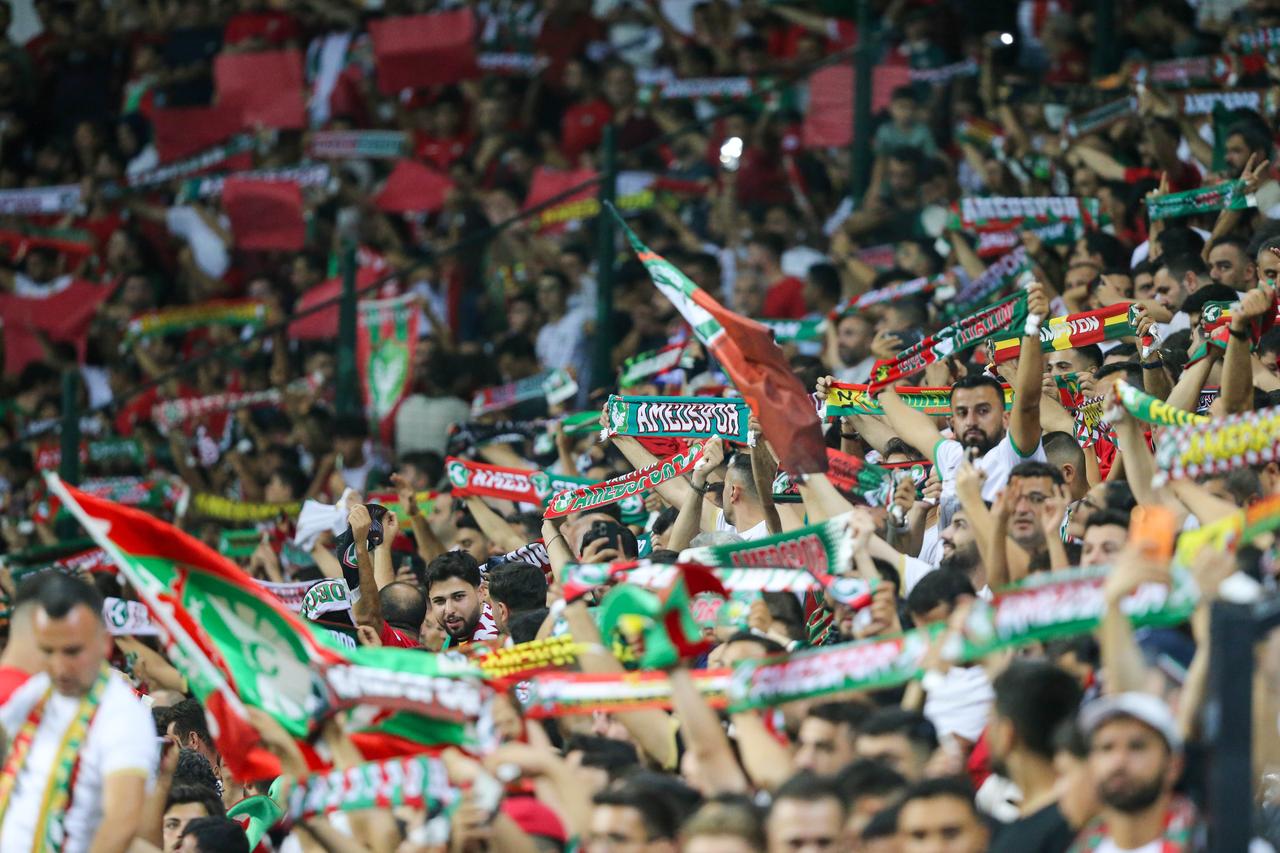
The name "Amed" itself has become closely tied to Kurdish usage of Diyarbakir, and the club has for years found itself at the center of debates involving identity, representation and belonging.
As a result, the stands have developed into a space where ordinary football rituals, goals, refereeing decisions, victories and defeats, regularly overlap with expressions of Kurdish identity.
One eyewitness account of the Besiktas match described thousands of supporters reacting almost like a single body, rising simultaneously, shouting together and turning individual reactions into a collective experience.
The same account suggested that this helps explain why the intensity surrounding Amedspor cannot be understood through football alone.
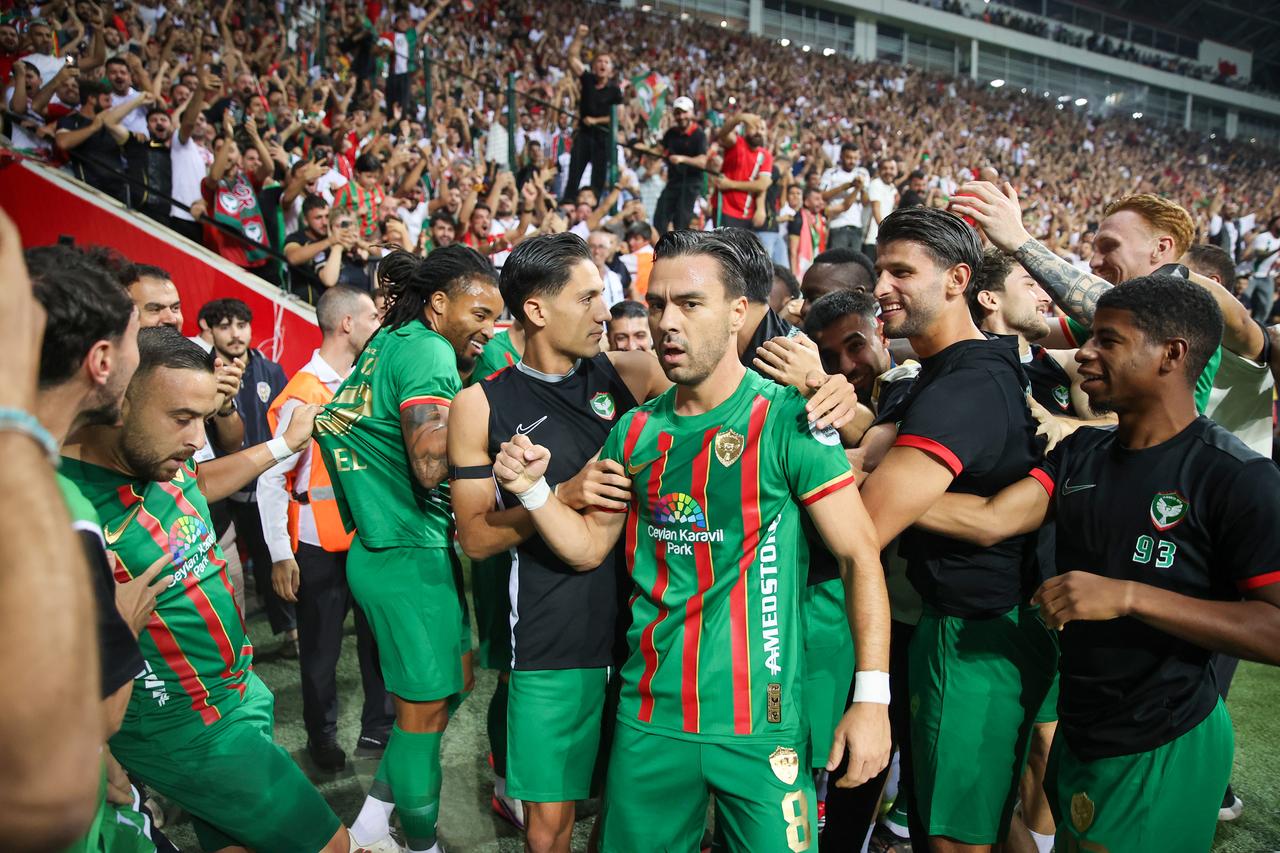
The final whistle did not end the night.
Supporters remained inside the stadium, waving flags and embracing, before the celebration began spreading outside.
Across Diyarbakir, people gathered in streets and public spaces and joined traditional group dances. The accounts described people ranging from children and young supporters to women and elderly residents taking part.
Before the match, elderly women wearing traditional Kurdish clothing had been seen offering prayers, while religious figures locally known as "melle" recited the Quran in mosques and open areas.
Large-scale celebrations were also reported in cities including Istanbul, Izmir, Van, Mardin, Sirnak and Hakkari. Afterward, images shared on social media showed celebrations and reactions among Kurdish communities not only in Türkiye but also in Iraq, Iran, Syria and elsewhere.
For some observers, those scenes highlighted one of the more unusual dimensions of Amedspor's rise: the club can provide a shared emotional space for Kurdish communities whose political and social outlooks do not necessarily align.
That does not make Amedspor a representative of every Kurdish community or political position.
What the celebrations showed instead was that the same football result could bring very different groups into the same moment of excitement.
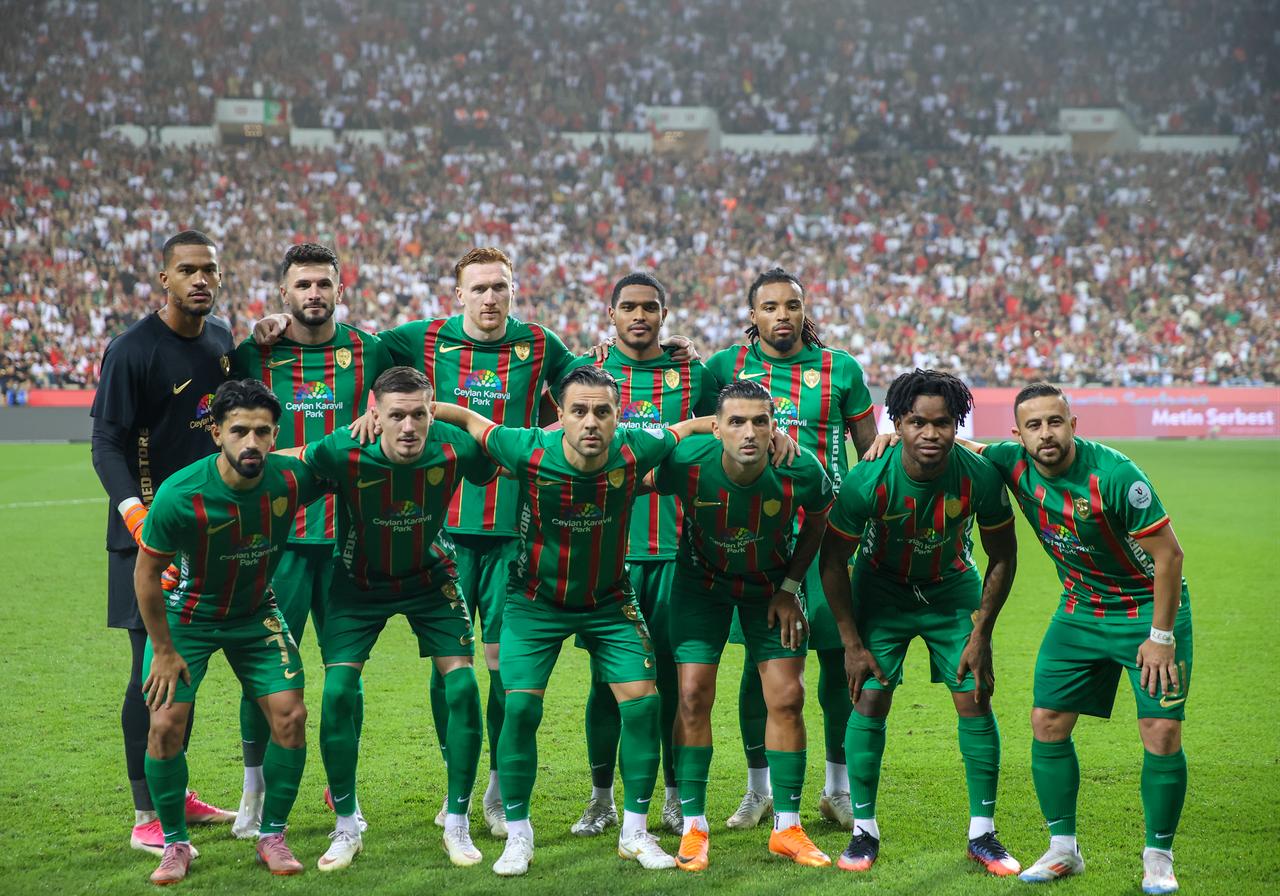
That relationship also makes Amedspor difficult to place inside the normal boundaries of Turkish football.
The club remains, first and foremost, a football team competing for points in the Super Lig. Yet the reaction around it has repeatedly shown that its supporters, opponents and observers can attach meanings to Amedspor that stretch beyond sport.
One account from the Besiktas match argued that strong reactions directed at the identity associated with Amedspor can actually deepen the sense of attachment among its supporters.
It is at that point that football and politics become difficult to separate completely.
The same account, however, also warned against placing the entire weight of the Kurdish question and decades of conflict onto one football club.
For the players, the immediate task is far simpler.
They have matches to win.
And so far, they have been winning enough of them to sit above every traditional powerhouse in Türkiye.


 Set as preferred source
 Set as preferred source


 3 min read