Newsletters


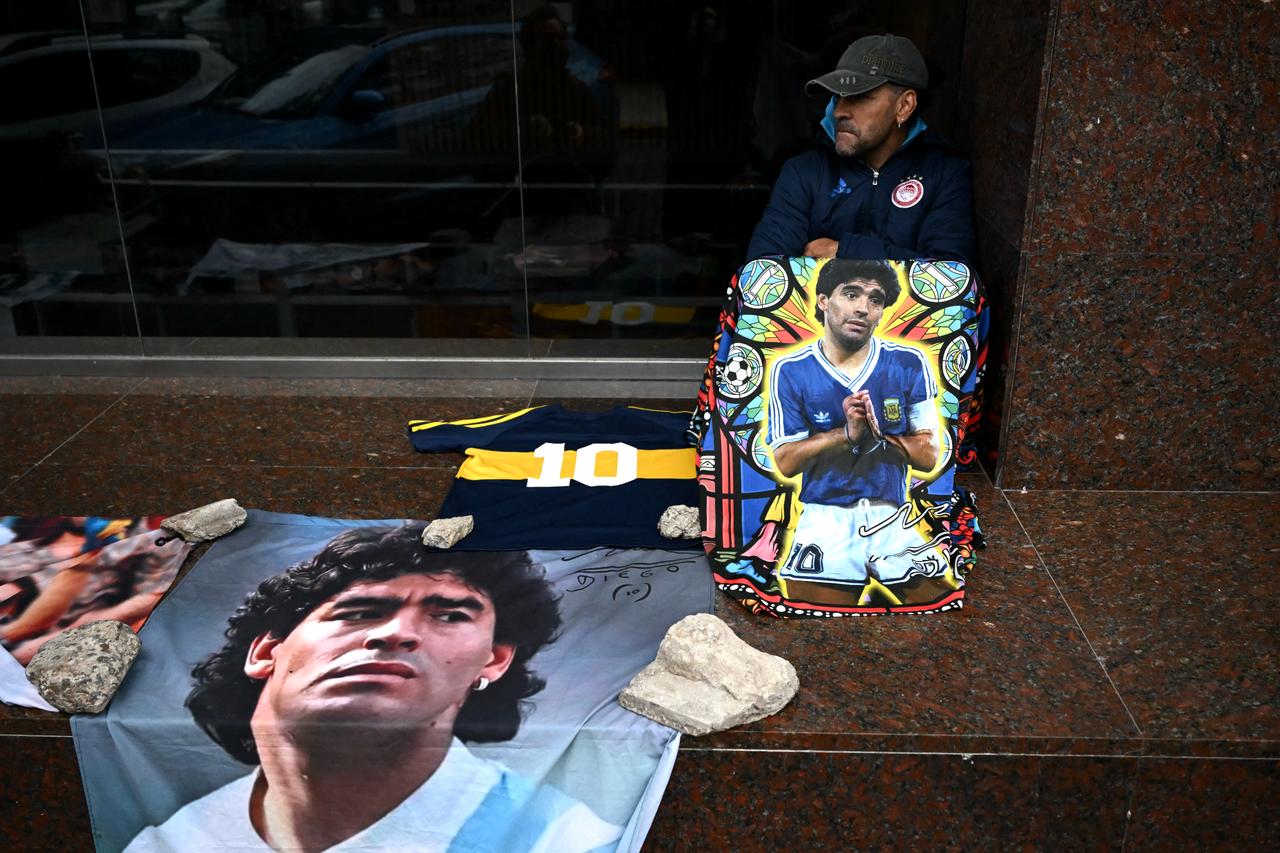


A court will deliver its verdict on Dec. 22 in the trial over the 2020 death of Argentine football star Diego Maradona, the court announced Thursday after six months of hearings, according to Agence France-Presse (AFP).
The trial of seven health care professionals accused of negligence in Maradona’s death concluded Thursday with brief statements from his daughter and some of the defendants.
“I hope my father receives the justice he deserves ... like anyone else,” said Dalma Maradona, her voice breaking.
Leopoldo Luque, a neurosurgeon, Maradona’s primary doctor and the main defendant, told the court: “I am innocent.”
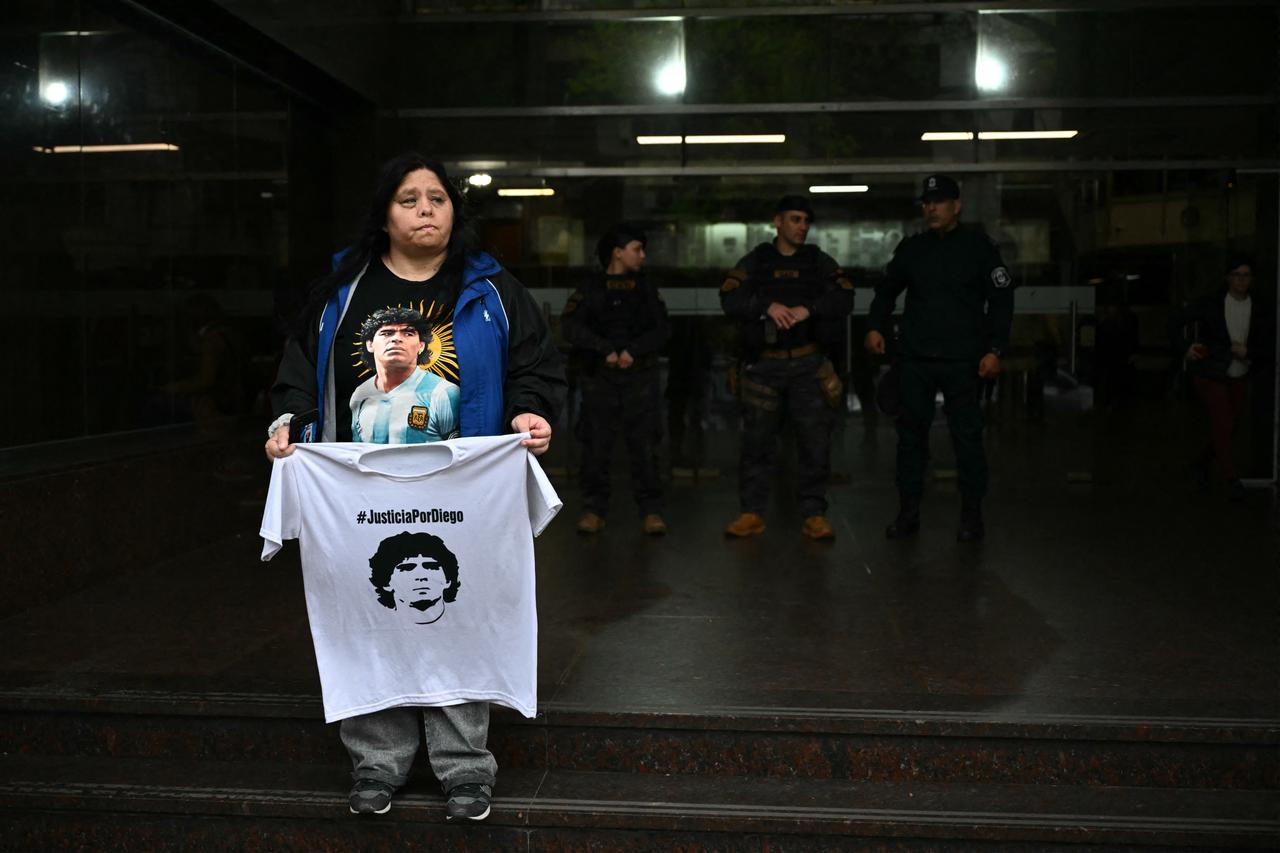

Maradona died at age 60 from heart failure coupled with pulmonary edema. He had a history of substance abuse and was found dead in his bed on Nov. 25, 2020.
He was at a residence in Tigre, north of Buenos Aires, rented for his convalescence following minor neurosurgery. His death prompted national mourning during the COVID-19 pandemic. Maradona captained Argentina to the 1986 FIFA World Cup title.
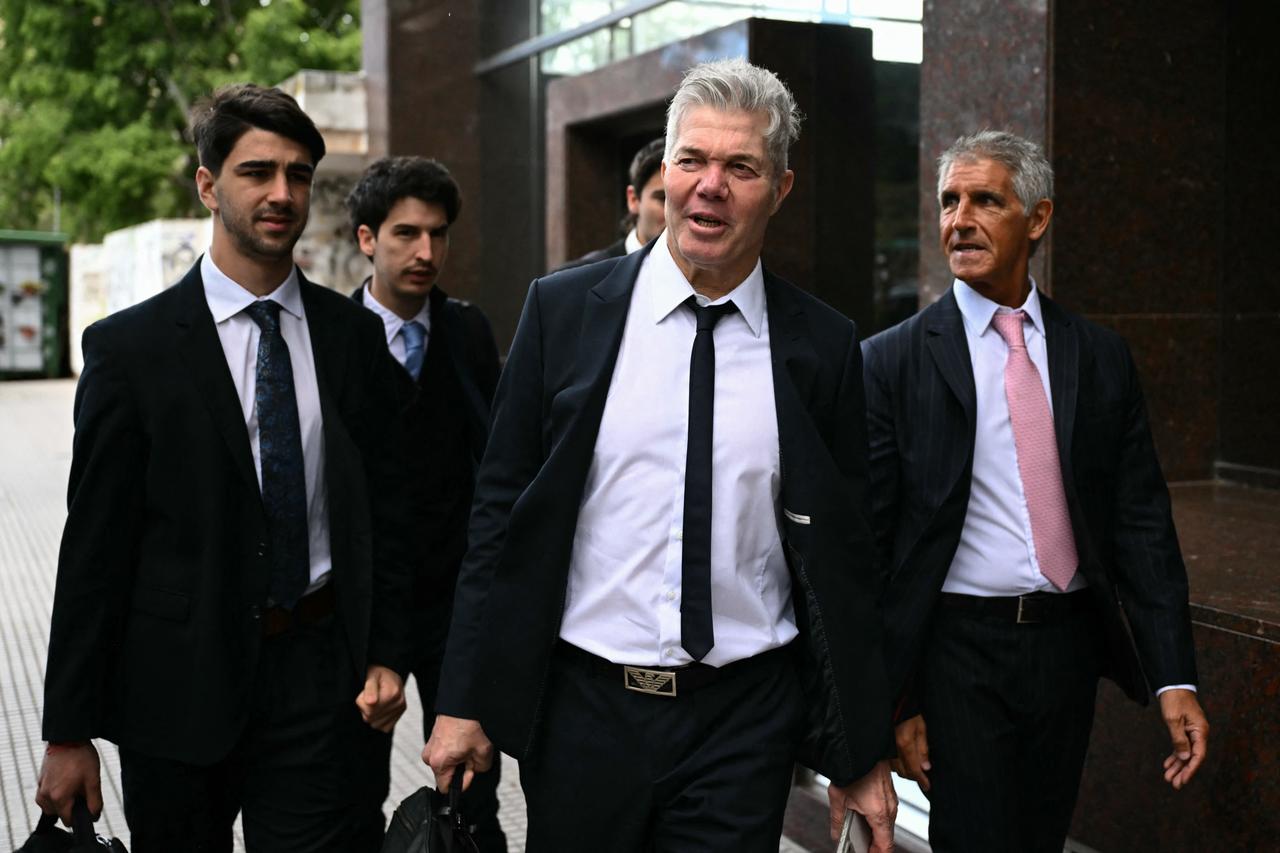
The trial began in April and included testimony from more than 70 witnesses. Prosecutors requested prison sentences ranging from four to 12 years for six of the seven defendants. Prosecutors sought the heaviest sentence, 12 years, for Luque.
In closing arguments Wednesday, Luque’s defense attorneys rejected the prosecution’s argument that Maradona’s death was foreseeable. They described their client as a “scapegoat.”
AFP reported that Luque was by far the most combative defendant, speaking several times when he felt implicated. His legal team played audio recordings, presented scientific articles and showed a video of Maradona’s autopsy, which angered the footballer’s daughters.
“It’s easy to attack me because I’m the one who had the most contact with Maradona,” Luque said in court, adding that “the only one who would defend me would be Diego.” He also said: “I cared deeply for him, I loved him, he was my idol and my friend.”
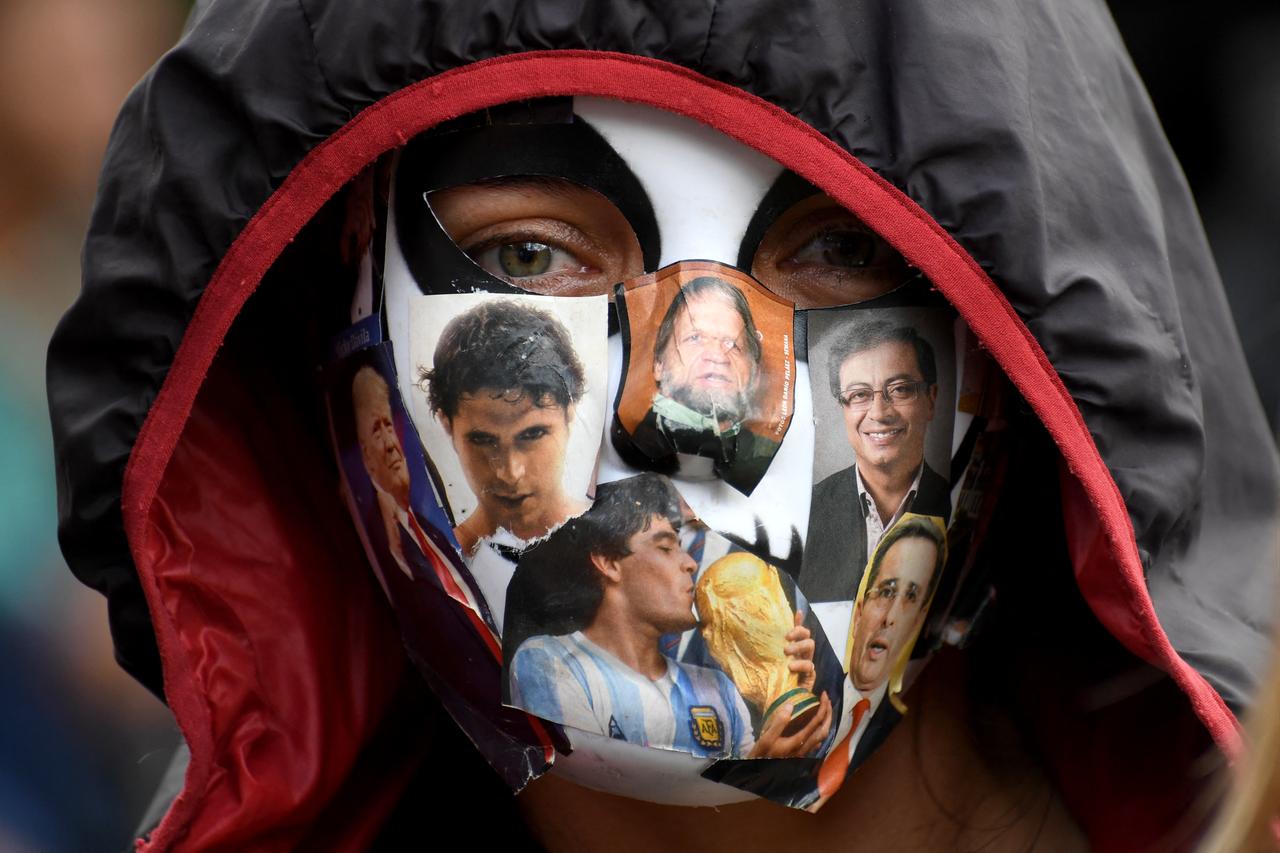
The case has revolved around whether the doctors’ decision to let Maradona convalesce at home instead of in a hospital was negligent.
Prosecutors pointed to the near-total absence of medical equipment, such as a hospital bed, defibrillator or quickly available ambulance, as evidence of what they presented as the defendants’ dereliction of duty.
Several medical experts testified that Maradona’s caretakers failed to react to key warning signs in the lead-up to his death. He was suffering from edema, tachycardia and difficulty breathing.
The court has not yet ruled on the charges.


 Set as preferred source
 Set as preferred source


 2 min read