Newsletters




Moises Caicedo’s very first trophy was a small, golden plastic cup borrowed from a neighbor. It was meant to give the local kids a taste of victory in his working-class Ecuadorian neighborhood.
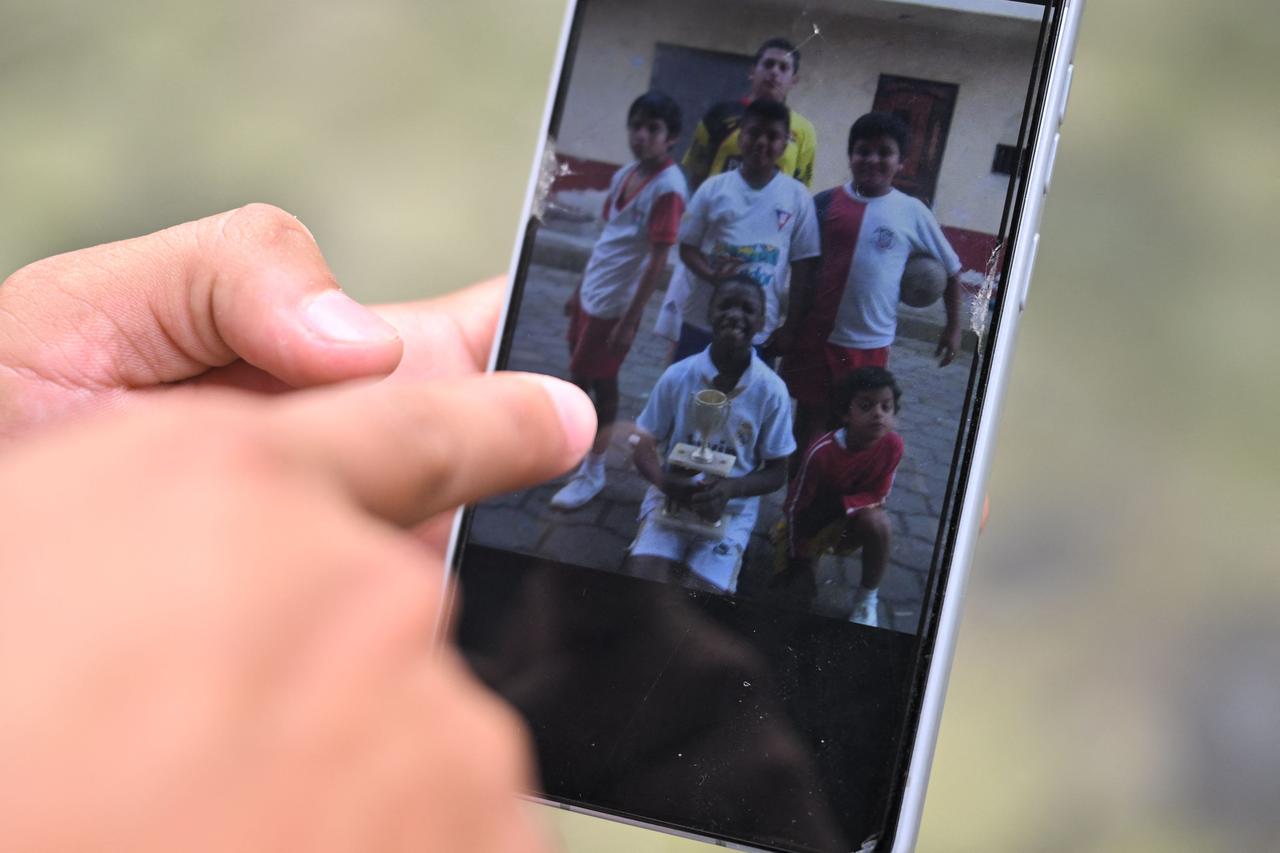
A photograph capturing those childhood tournaments is still a treasured possession of Jeremy Cedeno, a close friend of the 24-year-old Chelsea defensive midfielder who is now preparing to head to his second World Cup this summer.
It shows a beaming Caicedo kneeling with five young teammates, clutching a small winner's cup. The trophy came from a local tournament in Mujer Trabajadora, a working-class neighborhood in central Ecuador.
"There wasn't even a referee," Cedeno told AFP. "Oh my, the tackles were fierce!"
Caicedo wore that same smile on his face as he lifted the Club World Cup trophy with the Blues in the United States in July 2025. He had tied the Ecuadorian flag around his waist.
"We're incredibly proud," said Cedeno, a 24-year-old paramedic, "because he's from here, from the neighborhood, where he used to play barefoot."

Caicedo's transfer from Brighton to Chelsea, for a reported £115 million ($147 million), set a record for English football in 2023. He appeared 50 times for Chelsea this season, scoring five goals.
Caicedo, the youngest of 10 children, used to sell flowers in a cemetery to help his family. He is the most expensive player in the Ecuadorian national team, for whom he made his debut aged 18 and has already racked up 60 caps, scoring three goals.
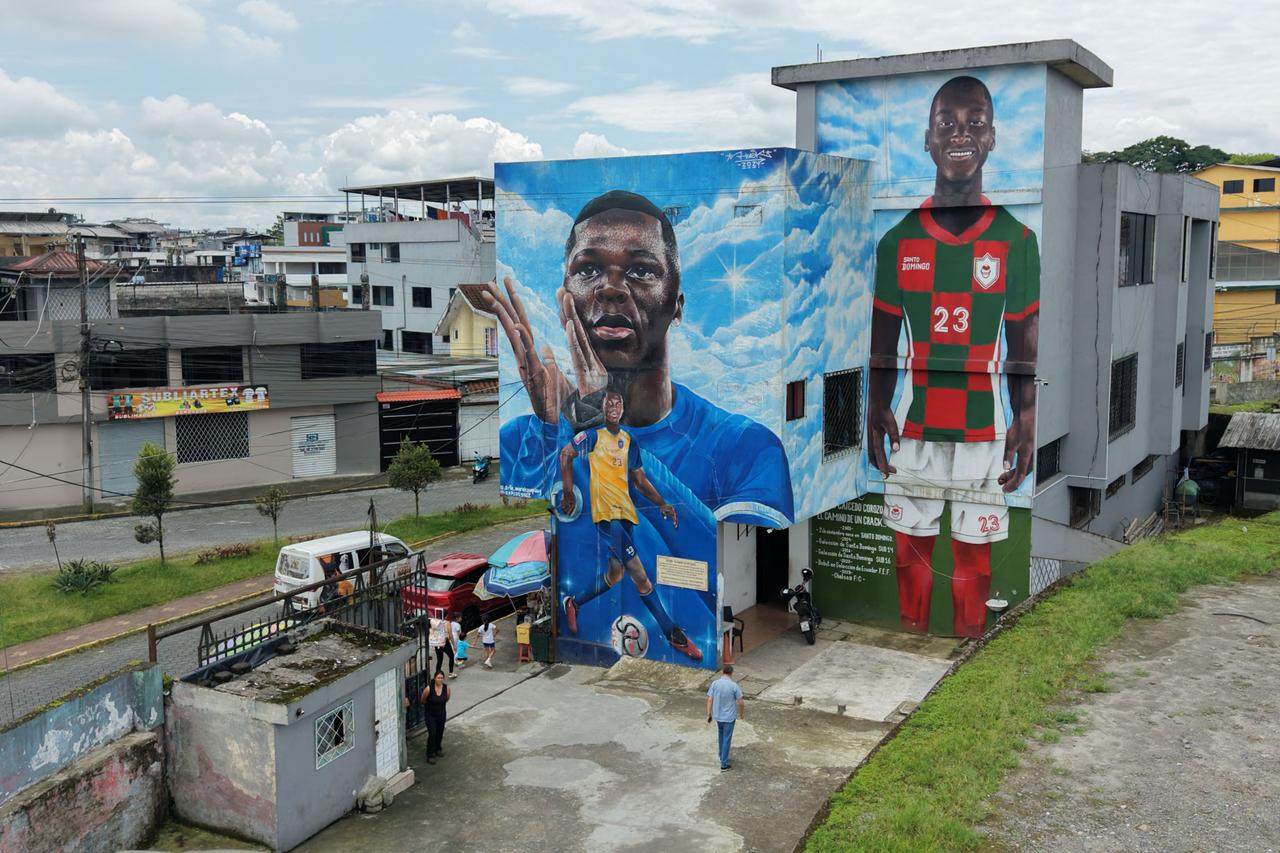
In his hometown of Santo Domingo, Caicedo's face appears on murals, shirts and even on the shin guards of children who dream of following in his footsteps. Nine-year-old Julian Hidalgo is one of those.
The young boy, who says he admires Caicedo's intelligence and speed, is coached by the same trainer, Ivan Guerra.
"We remind them that Caicedo started out at this football school, that the pitch was mud, stones and sand, sometimes with shards of glass," Guerra, 58, told AFP. "We teach the kids to work hard if they want to make their dreams come true."
He recalls seeing Caicedo play on the street with friends, the financial struggles in organizing matches, and how Caicedo helped him park cars in the city's party district to earn a few coins for the club.
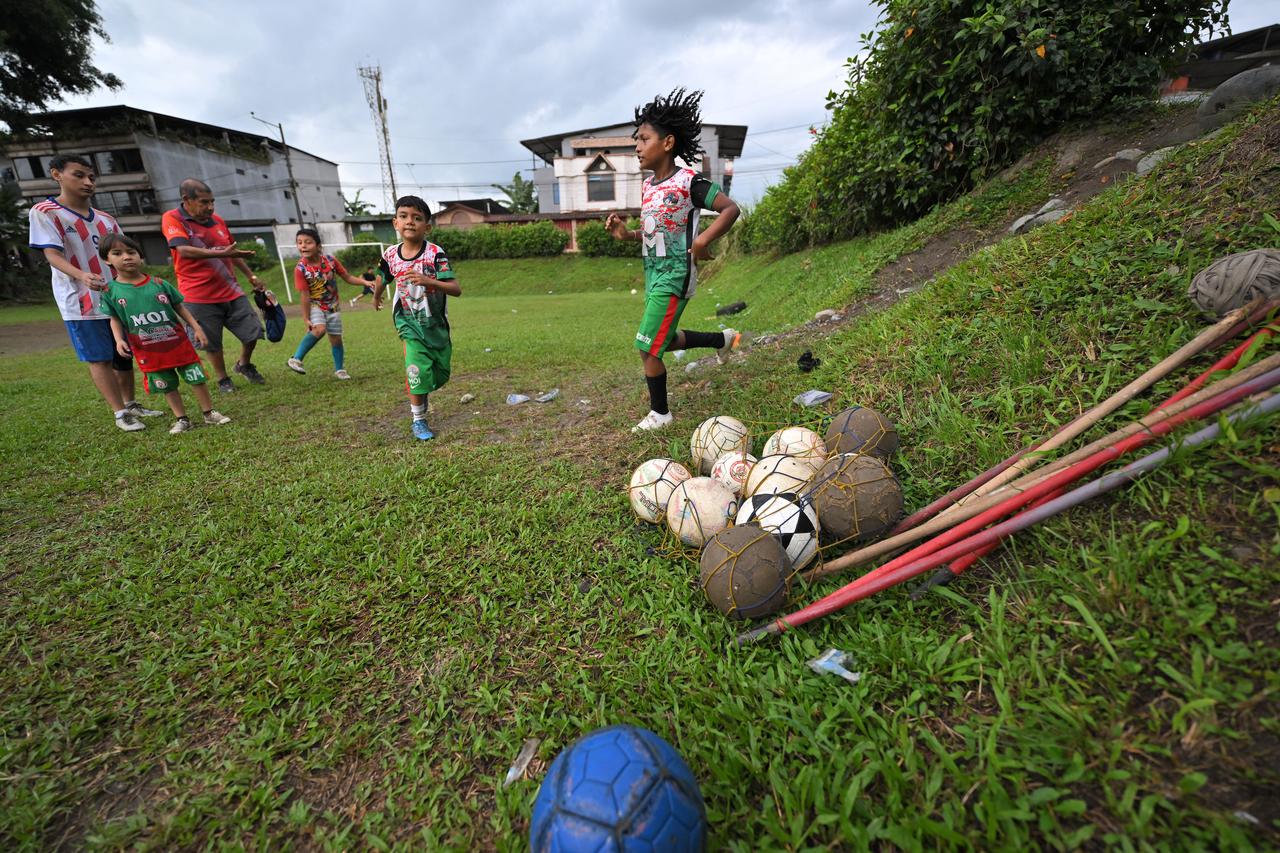
Darwin Castillo coached Caicedo as a teenager at the Jaipadida Club. He remembers a shy boy, in some ways "just another kid" but who already stood out for his fierce determination and exceptional physique.
"Moises's discipline comes from his upbringing at home ... a very poor family who prayed before eating," he says.
Caicedo was awarded a medal for sporting merit last year by the Ecuadorian National Assembly.
"Ever since I was a little boy, I've always wanted to become a professional footballer, while remaining the same humble lad who doesn't forget where he comes from," he said at the presentation.
Castillo said the player has kept his word.
He has "a sense of belonging" and is still making up for things he could not do during his childhood due to a lack of money, Castillo explains.
Caicedo spends his holidays in Ecuador, where he goes to the beach, riding the Ferris wheel and kicks a ball around with his former coaches and friends, becoming, for a moment, that little boy who used to lift plastic trophies.


 Set as preferred source
 Set as preferred source


 1 min read