Newsletters


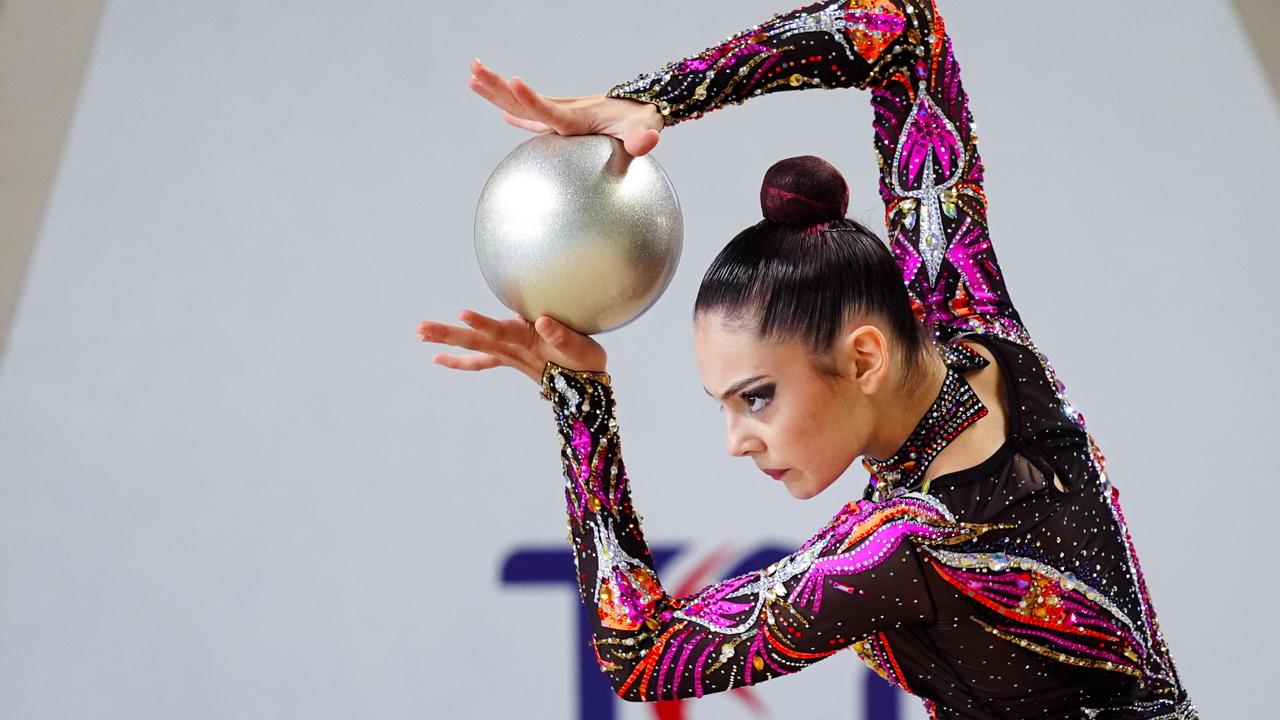
Rhythmic gymnasts from across Türkiye gather in Ankara, the country's capital for the Rhythmic Gymnastics Stars, Juniors and Seniors Turkish Championship on Monday. Organized by the Turkish Gymnastics Federation, the event brings three age categories together on a single competition floor.
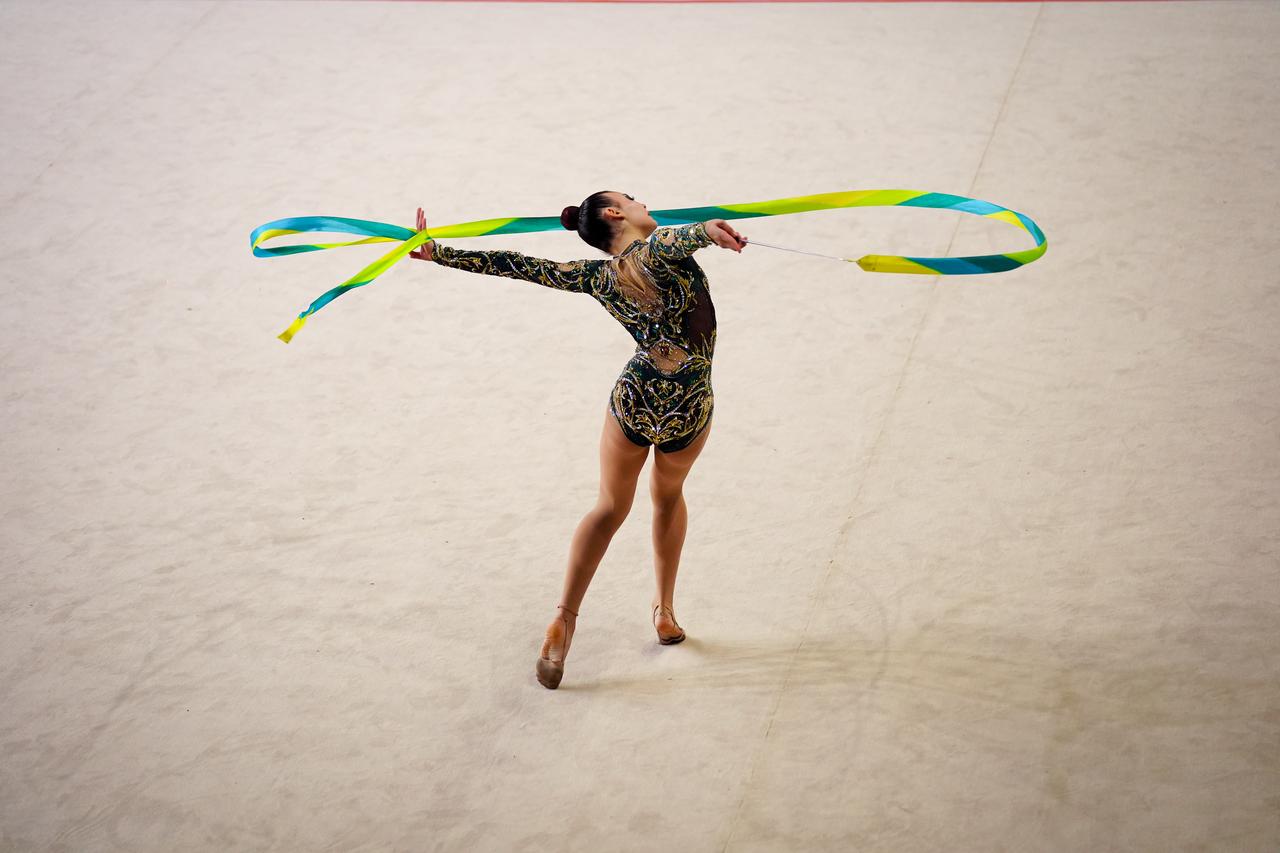
The competition day begins with athletes arriving at the venue and settling into the space before the floor opens. Coaches check equipment and go over final details with their athletes, while officials prepare the scoring area.
The atmosphere shifts gradually from a quiet morning into the focus of competition, as the first names are called toward the floor.
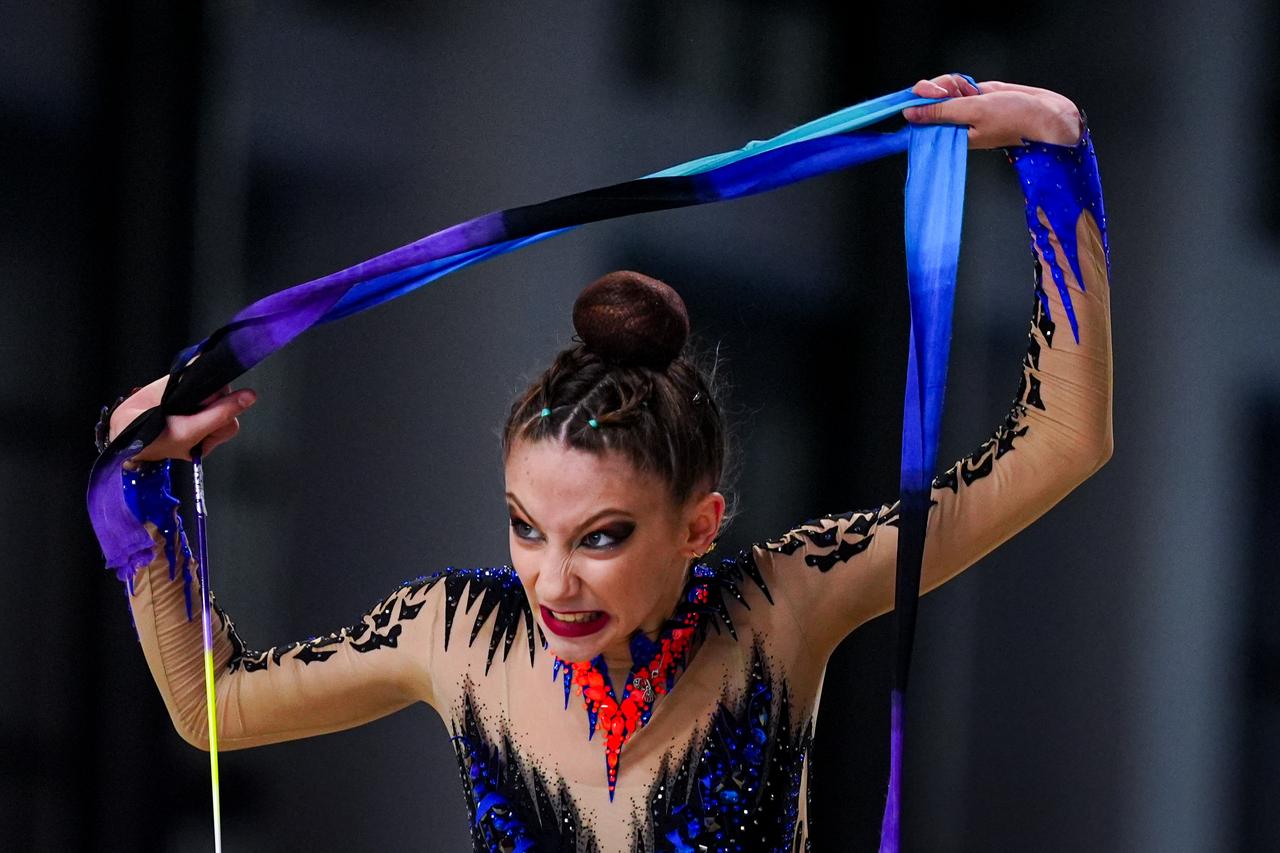
Warm-ups fill the practice area as competitors stretch and rehearse transitions before their turn.
Rhythmic gymnastics blends dance, balance and apparatus handling into a single routine, and the minutes before competition are spent fine-tuning timing rather than technique, since most of the physical preparation is already behind each athlete by this stage.
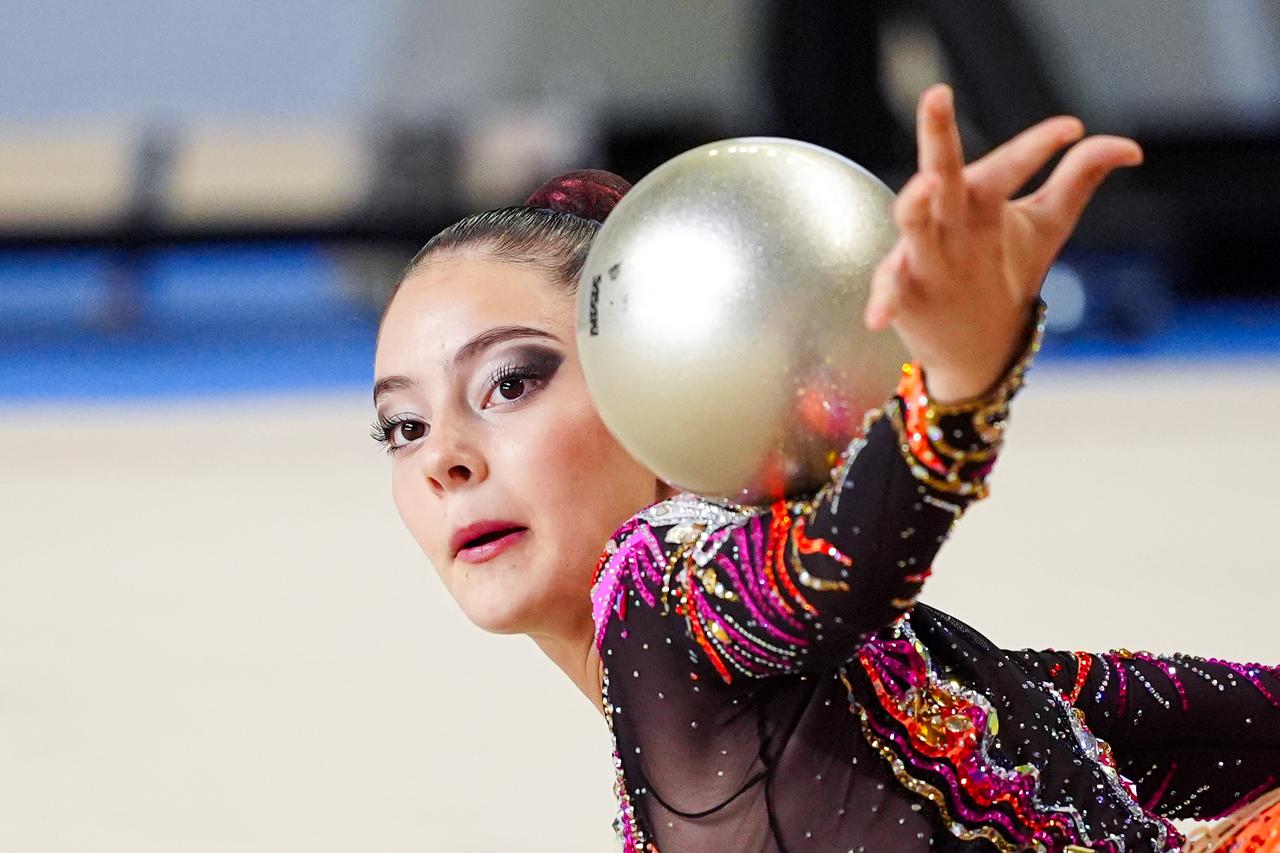
Once the floor opens, athletes take turns performing with hoop, ball, clubs, ribbon or rope, the five apparatus used in the sport.
Each item calls for distinct handling, from the sweeping arcs of the ribbon to the sharp throws and catches required with clubs, and the choice of apparatus shapes the character of every routine performed.
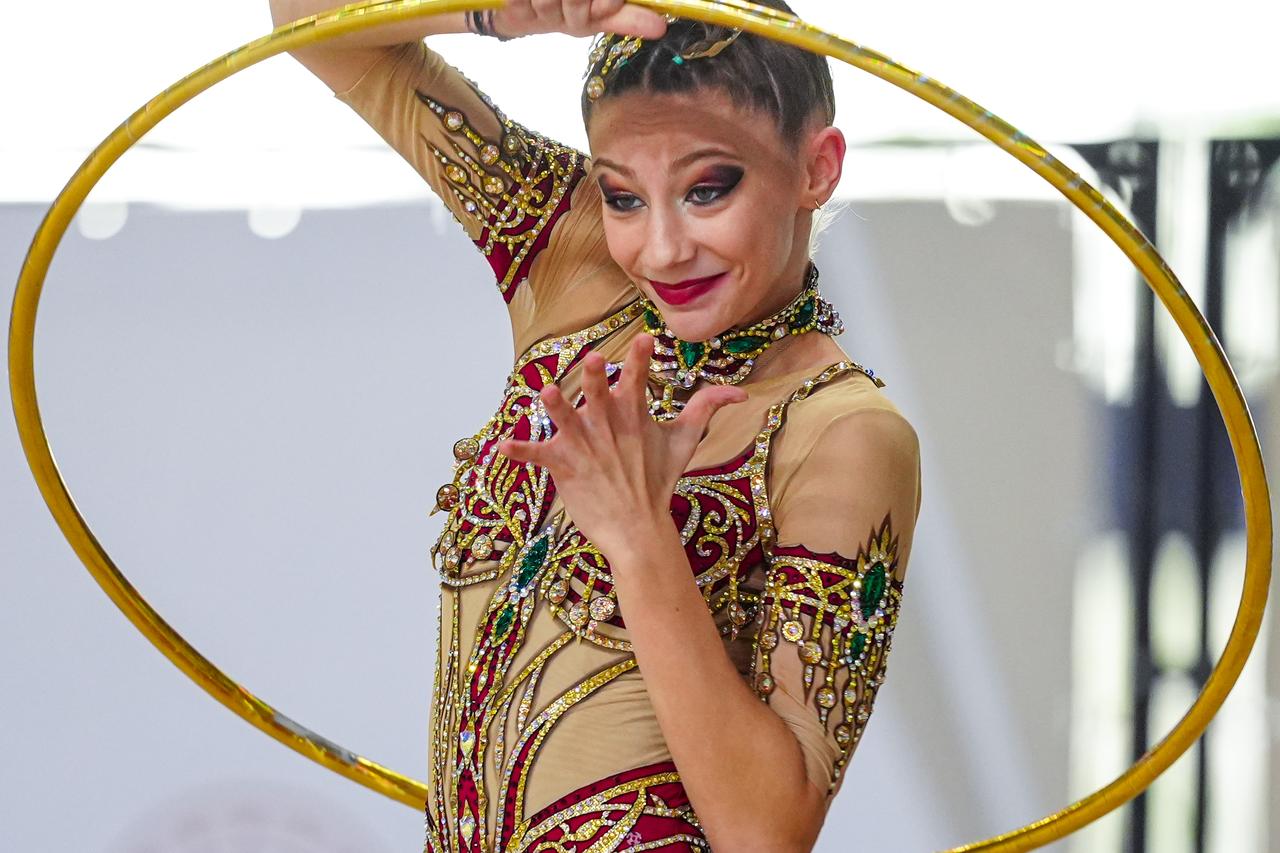
The Stars, Juniors and Seniors categories each compete separately, with athletes judged only against others in their own group.
Routines combine jumps, pivots, balances and continuous apparatus work, set to music that dictates the pace of every movement across the floor.
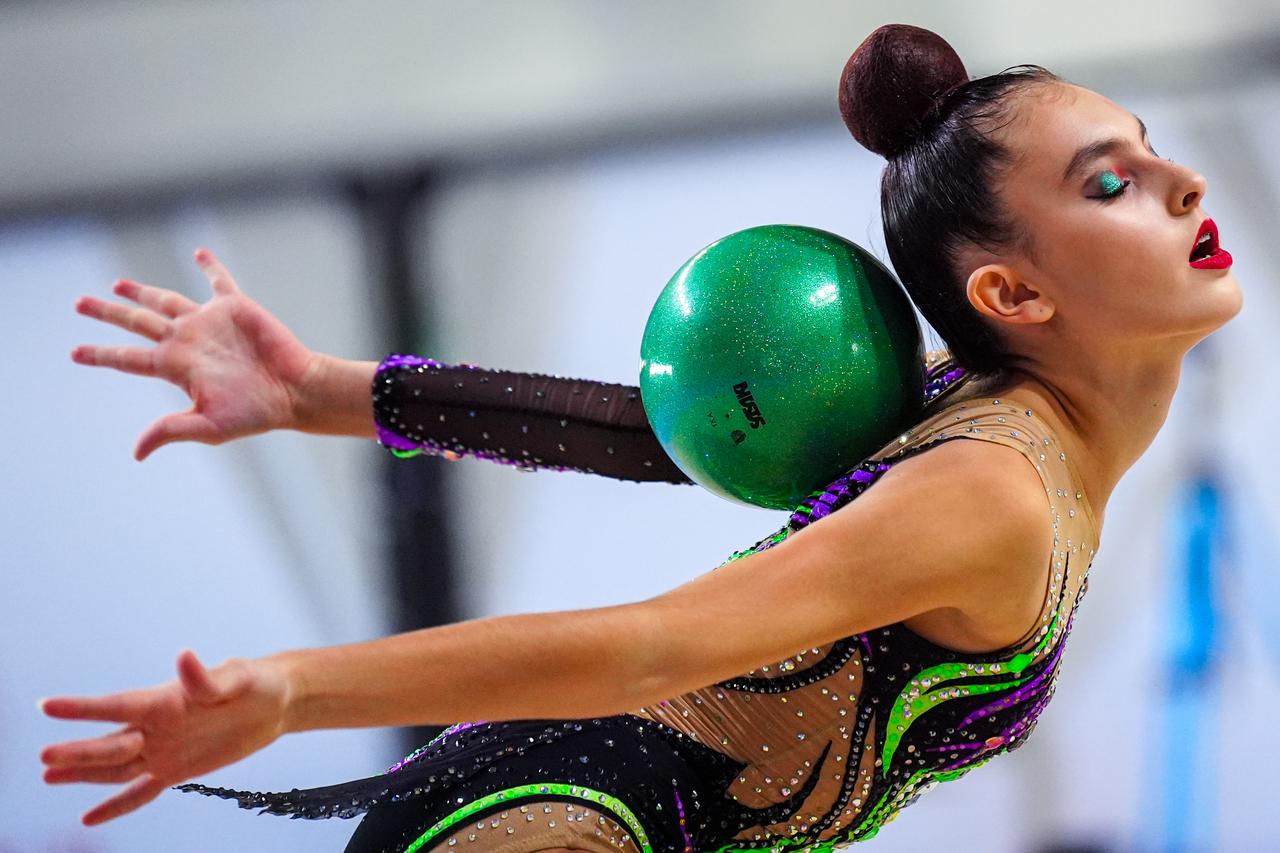
Each routine runs for a short, tightly timed span, leaving little margin for hesitation.
Athletes are expected to show technical precision alongside artistic expression, and a routine that looks effortless typically represents years of repetition condensed into a single uninterrupted performance in front of the judging panel.
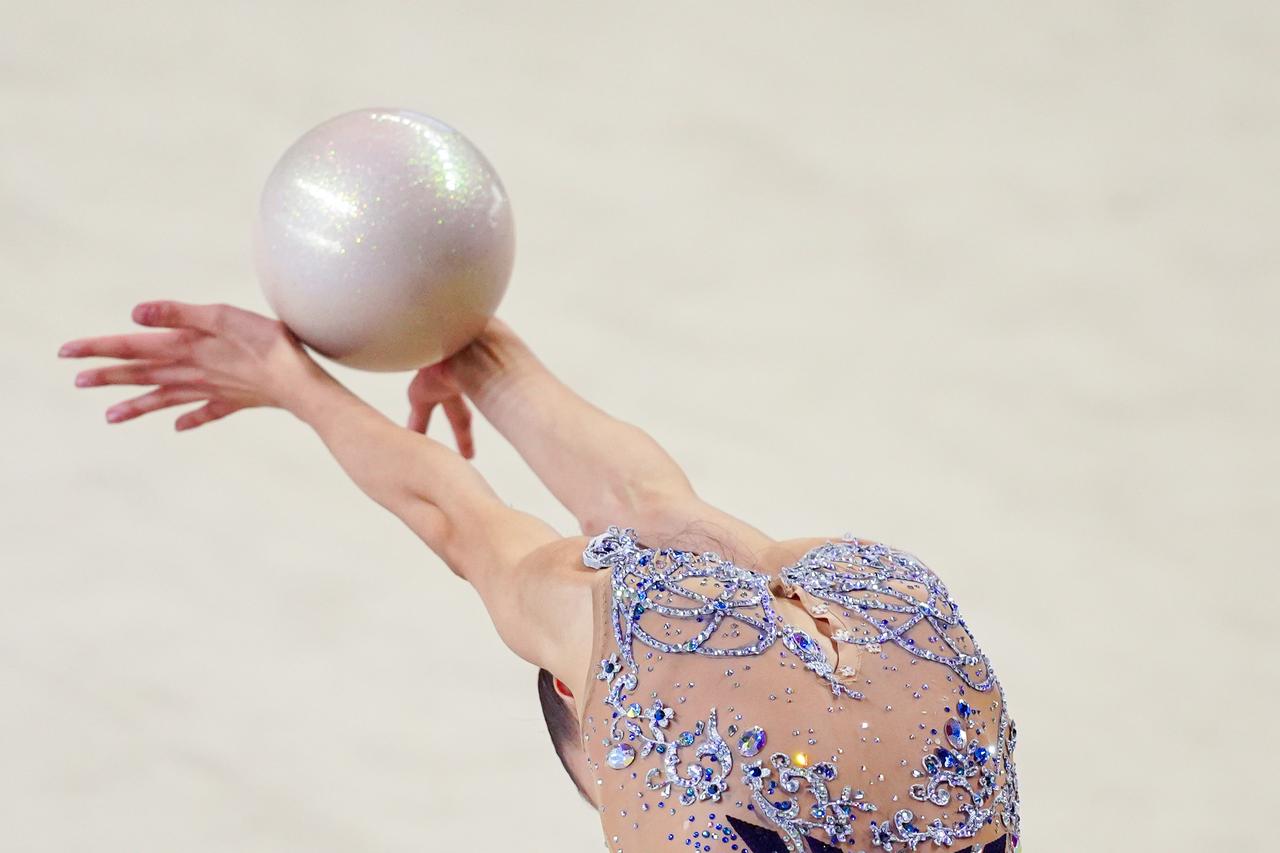
Judges score each performance on difficulty and execution, and those marks combine into a total that decides the ranking within each age category.
A dropped apparatus, a missed catch or a lost step can shift the standings, which keeps the outcome uncertain until the last routine of the group has been scored.
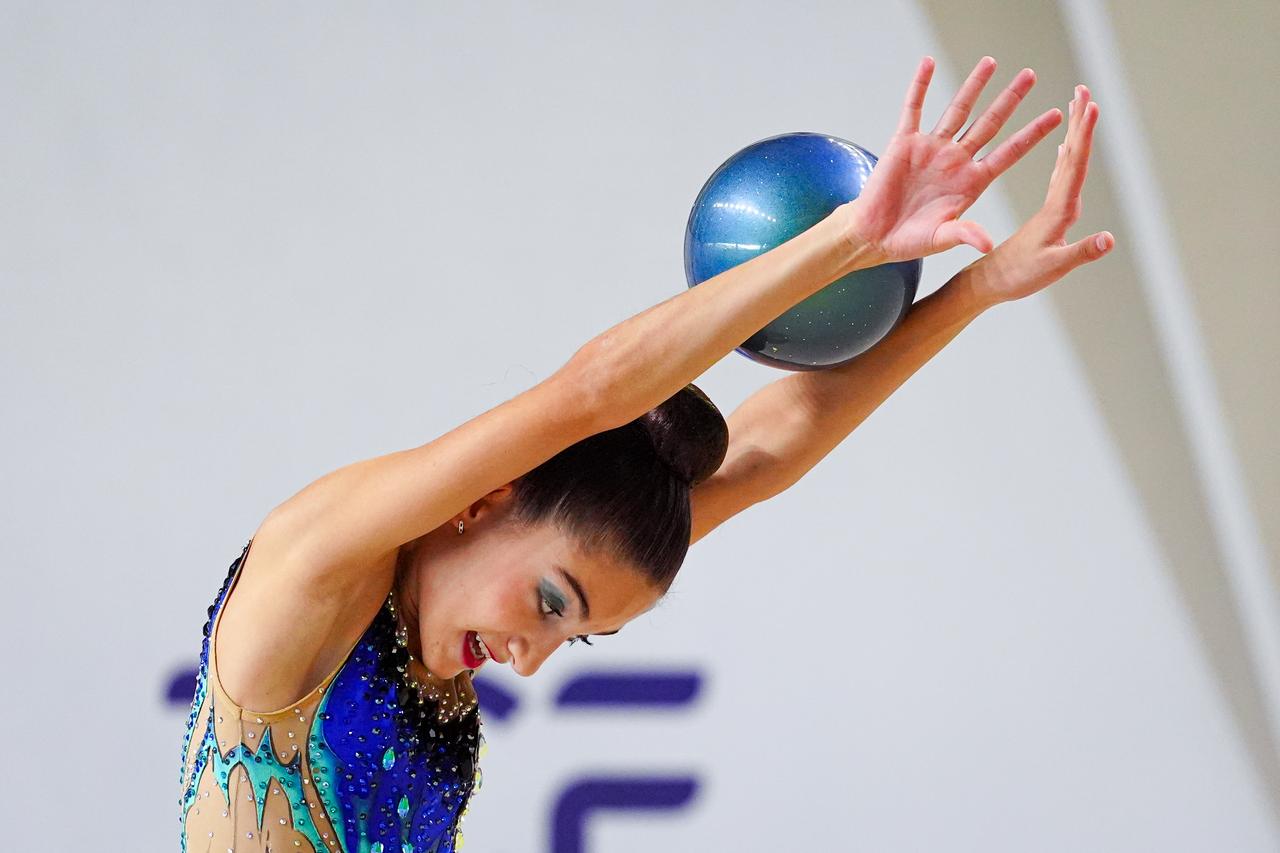
As the final routines are completed, scores are tallied and rankings begin to take shape for each of the three categories.
Athletes step off the floor and wait alongside coaches and teammates while officials confirm the results of the day's competition.
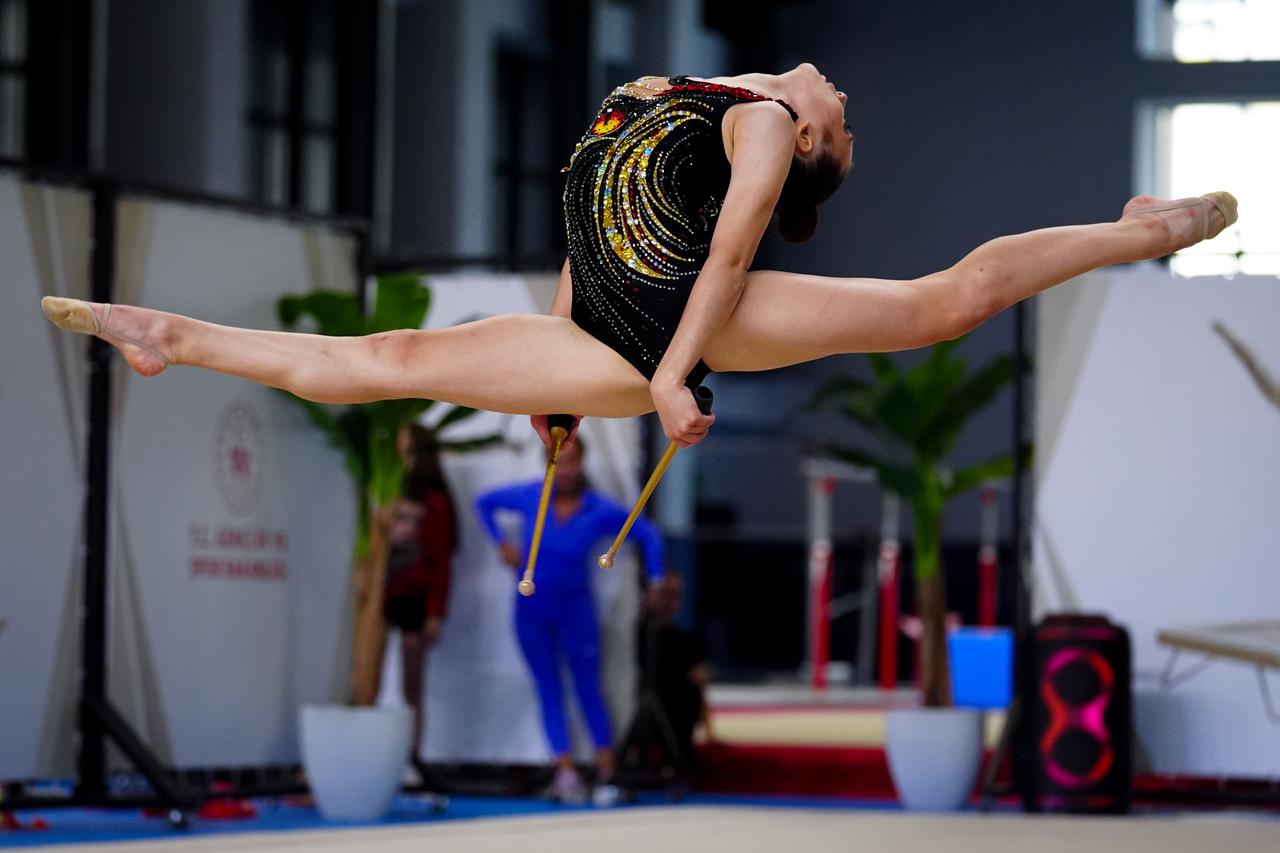
The championship closes with medals presented to the top-placed athletes in each age category.
The ceremony brings together competitors from the Stars, Juniors and Seniors groups, marking the end of a day that unfolded on a single floor.


 Set as preferred source

 1 min read