

 Newsletters


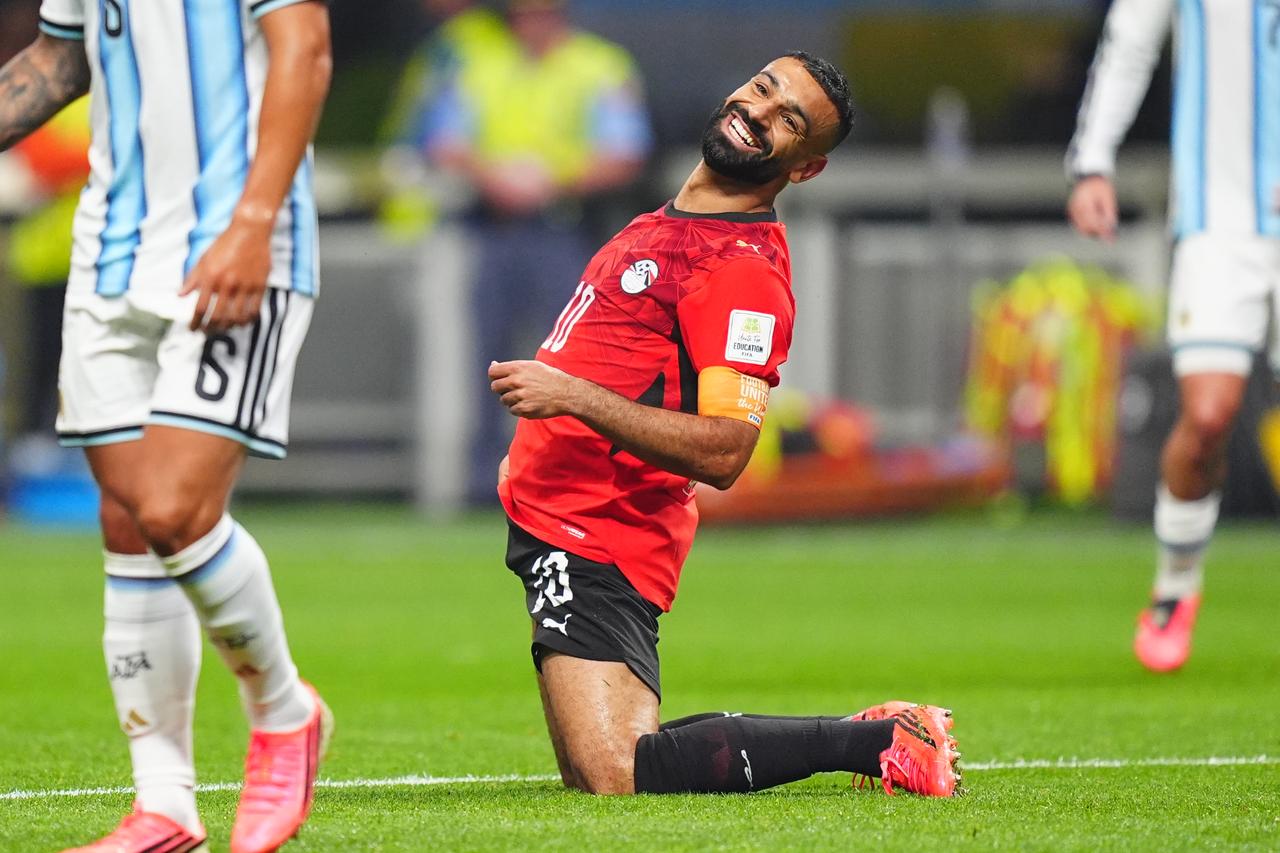


When the final whistle blew and Egypt’s recent tournament run ended in heartbreak, the digital world did what it always does: it looked for a single focal point. Within minutes, "Salah" was trending globally.
For critics, it was an occasion to dissect a captain's international trophy cabinet. For millions of others, it was a moment of profound empathy for a man who carries the emotional weight of 110 million people every time he laces up his boots.
But behind the trending name is a story that goes far beyond one match, a story that explains why Salah's name carries so much weight.
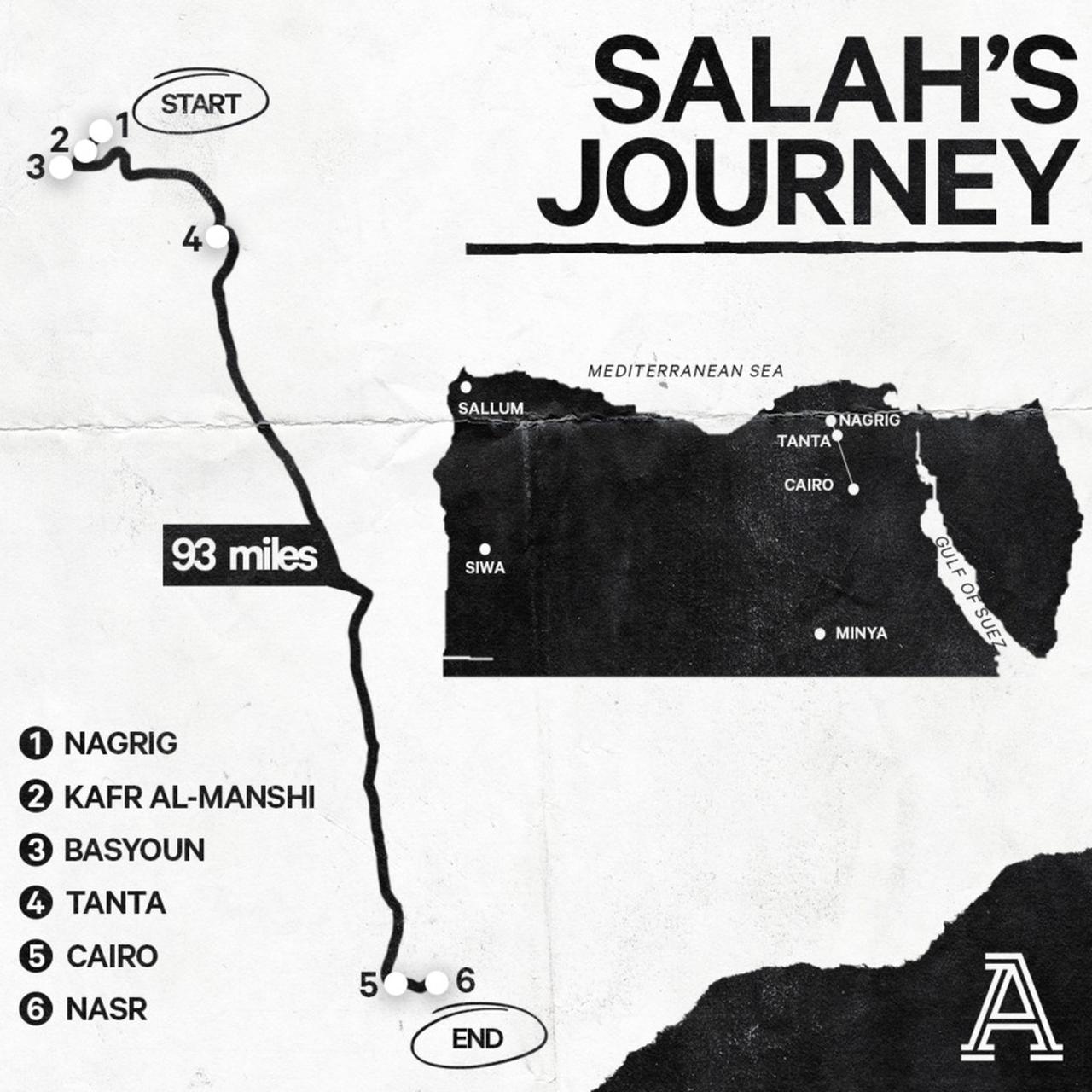
Long before the bright lights of Anfield and the iconic “Egyptian King” chant, there was Nagrig, a small agricultural village in Egypt’s Gharbia Governorate. It was there that Mohamed Salah's dream began on modest pitches where a teenage boy chased a future that seemed almost impossible.
When he signed for youth club El Mokawloon in Cairo, the logistical reality was brutal. To make it to training, the 14-year-old Salah had to leave school early, change five different buses, and travel four to five hours each way, five days a week, for years. He would arrive home past midnight, only to repeat the grueling cycle hours later.

Salah’s entry into European football with Swiss club Basel caught the eye of the world, leading to a dream move to Chelsea in 2014.
Then came the wall.
Under Jose Mourinho, a young, raw Salah found himself frozen out on the bench, labeled by pundits as too slight, too wasteful, and unsuited for the physical demands of the Premier League.
Most young players break under that level of public rejection. Salah simply pivoted.
He moved to Italy, first on loan to Fiorentina, then on a permanent switch to AS Roma. In Serie A, Salah underwent a tactical and physical transformation.
He evolved from a frantic, pace-reliant winger into an intelligent, hyper-focused inside forward. He learned how to shield the ball, read space, and finish with lethal composure.
When Liverpool paid £34 million ($46 million) to bring Salah back to England in 2017, the signing was met with widespread skepticism. Critics called him a "Chelsea reject" who couldn't handle the English game.
What followed was arguably the greatest debut season in Premier League history.
Salah shattered the single-season scoring record with 32 goals, sweeping the PFA Player of the Year awards and guiding Liverpool to a Champions League final.
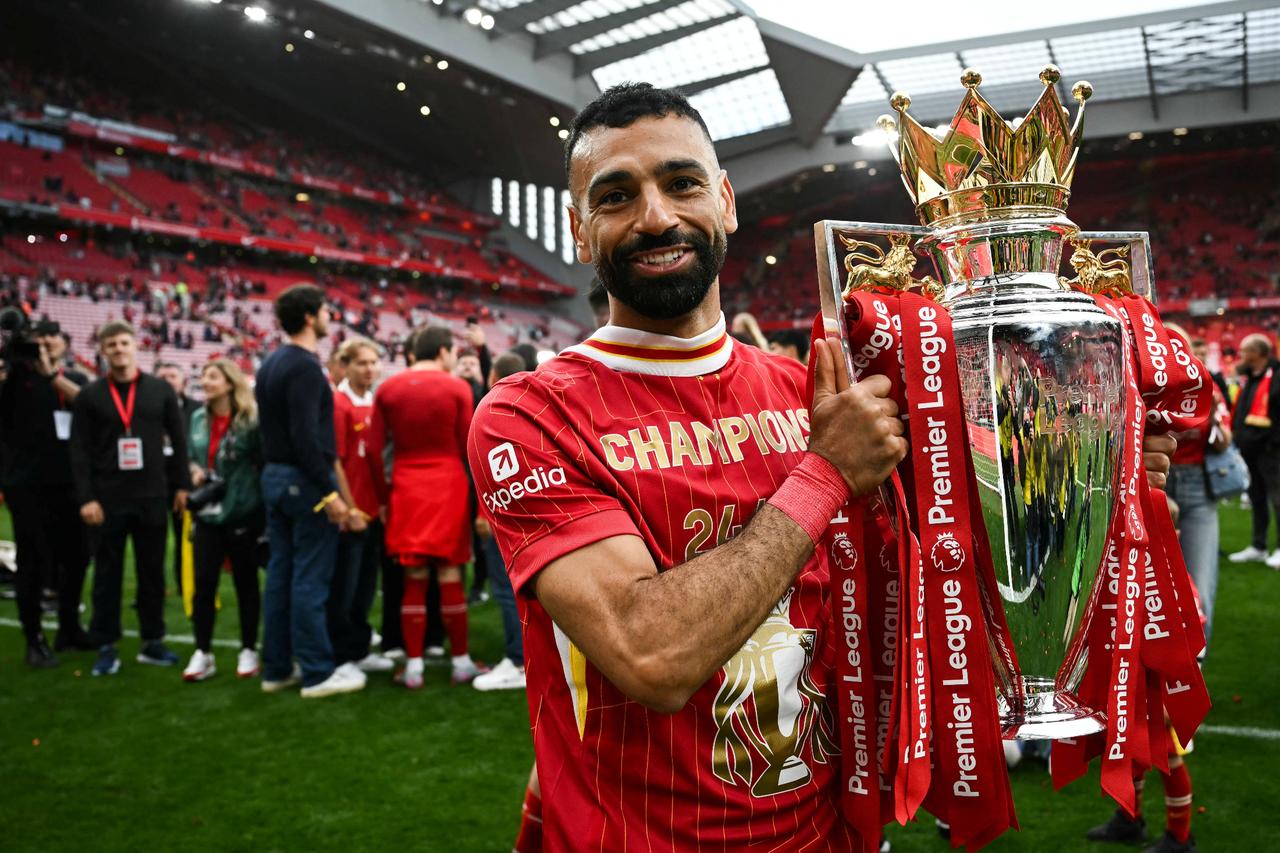
Over the next several seasons, he became the catalyst for a Liverpool golden era, capturing the UEFA Champions League, the FIFA Club World Cup, and a historic, drought-ending Premier League title in 2020.
Year after year, his relentless consistency placed him squarely in the Ballon d'Or conversation, cementing his status as the greatest African and Arab player to ever grace the league.
While his statistics are staggering, Salah's true legacy lies in his cultural impact. In an era often marred by social division, he became an accidental diplomat.
A famous study by Stanford University tracked a profound shift in the city of Liverpool following his arrival, noting a 16% drop in local hate crimes and a massive reduction in anti-Muslim tweets.
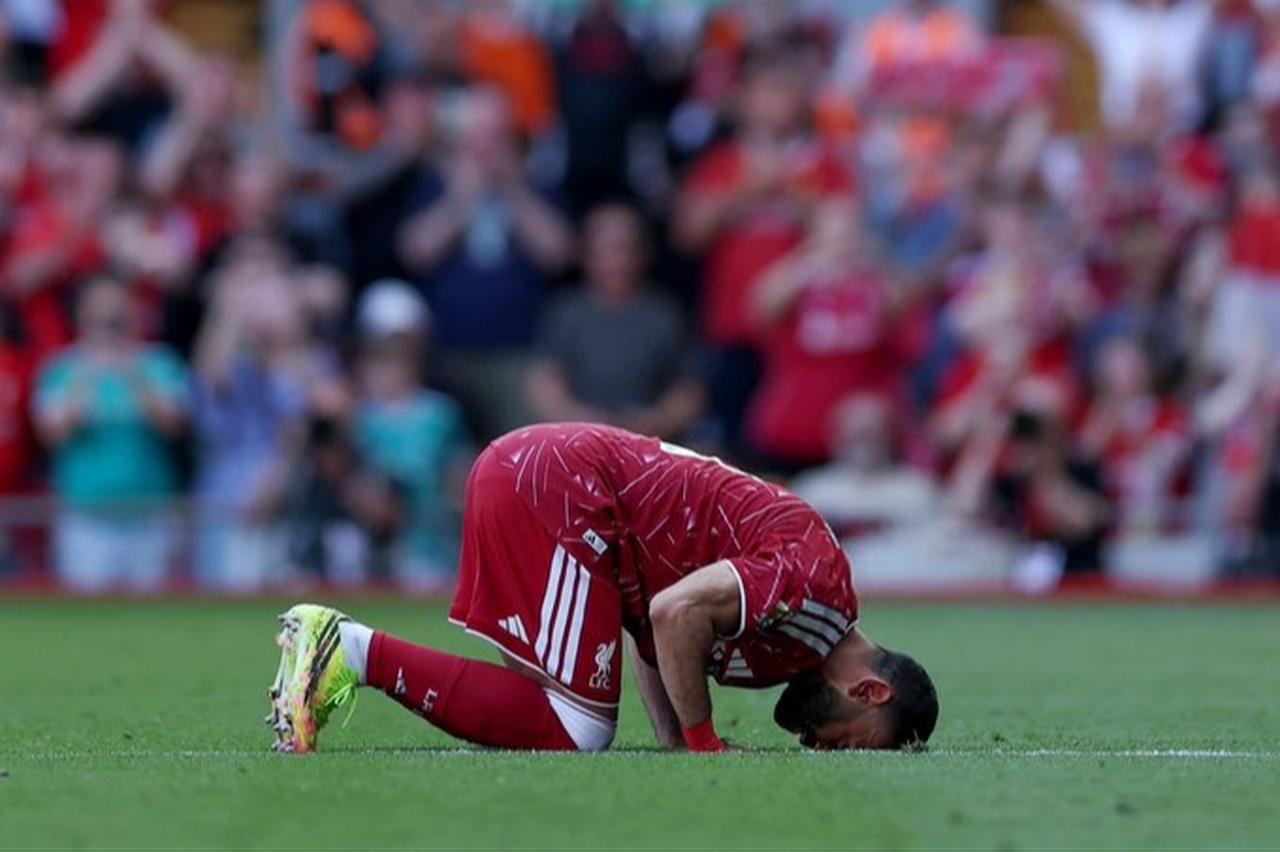
His brilliant, joyful smile, his devout celebration of prostrating on the pitch after scoring, and his accessible charisma humanized a culture for millions of Western fans. He didn't just change the scoreboards; he changed the social fabric of a city.
The central tragedy of Salah’s career remains his relationship with the international stage.
He has dragged Egypt to a World Cup and to multiple continental finals, often falling at the very last agonizing hurdle. Because he is a footballing deity at home, every tournament exit feels like a national crisis, and the criticism can be fierce.
But a biography is judged by the entire book, not its final page. The trending hashtags will fade, and in history, Salah will remain as the boy from Nagrig who rode five buses a day to conquer the world, inspiring an entire generation of Arab and African youth.


 Set as preferred source
 Set as preferred source


 1 min read
 1 min read


