Newsletters


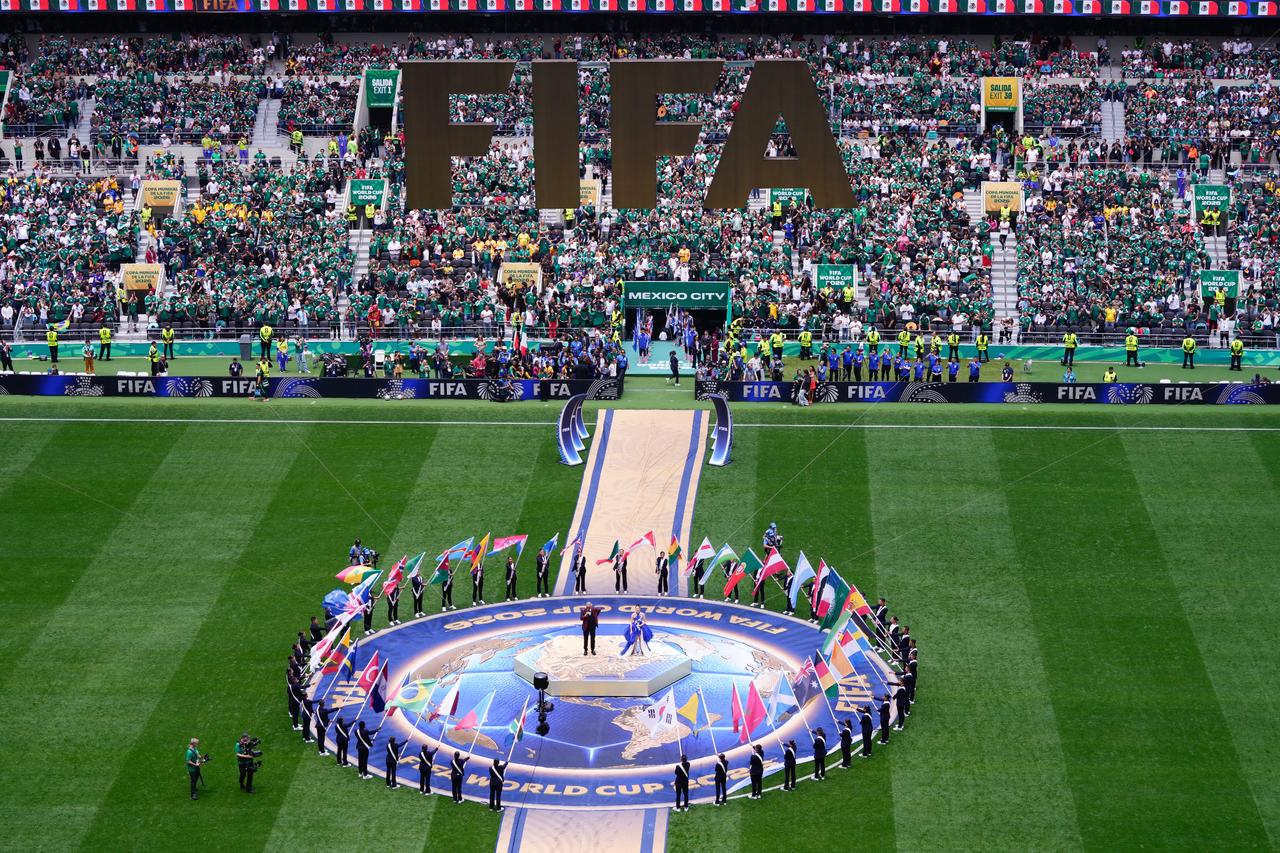


The opening round of the 2026 FIFA World Cup in the United States, Canada, and Mexico was full of memorable moments.
Lionel Messi set new records in Kansas City, a small island nation surprised European champions Spain, stadiums were full even with high ticket prices, and heat and hydration became bigger factors in the matches.
The first round has mostly been about the sport's biggest stars. Kylian Mbappe, Lionel Messi, Erling Haaland, Harry Kane, and Luis Diaz have all stood out.
The tournament is averaging 3.12 goals per game, the highest ever at a World Cup, easing worries that the expanded format lacks excitement.
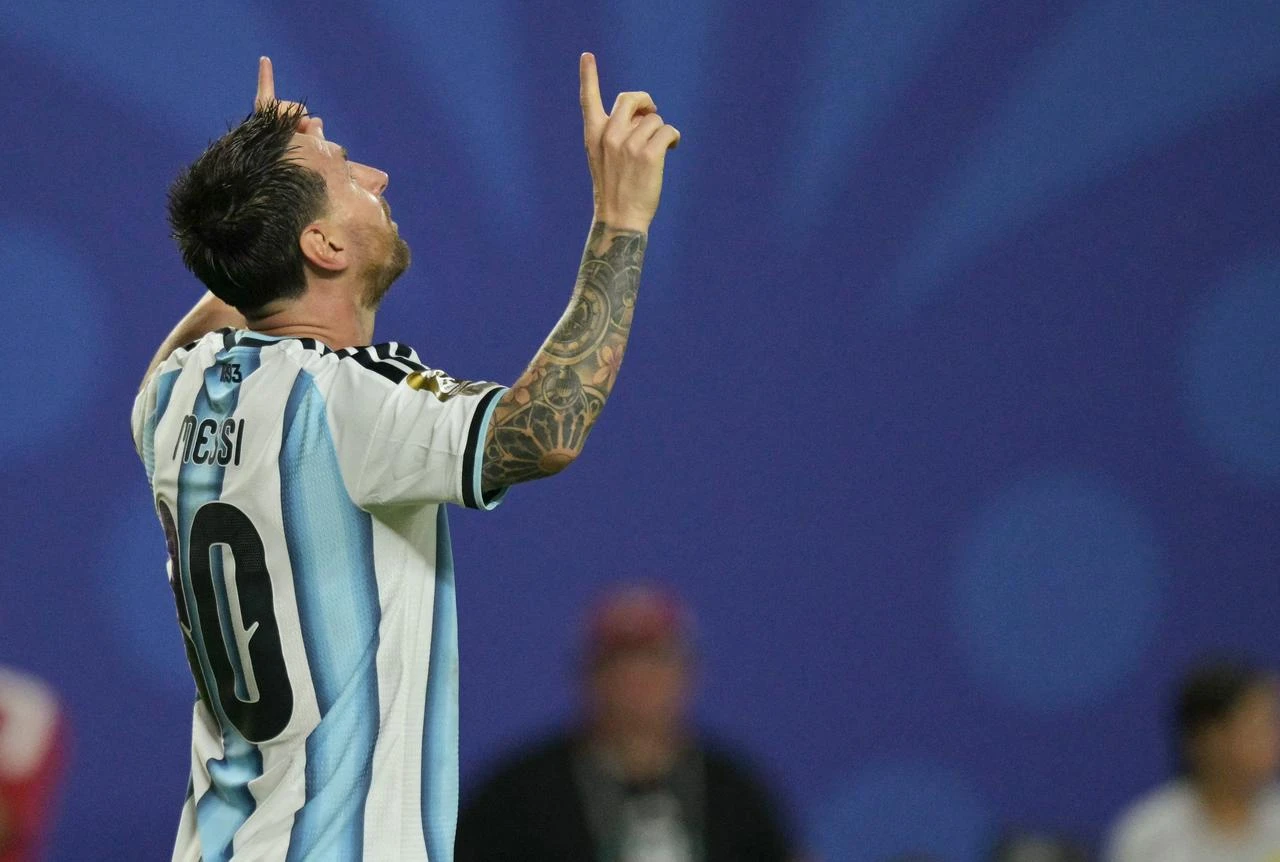

Lionel Messi gave fans one of the tournament's first big moments by scoring a hat-trick against Algeria in Kansas City. This brought his World Cup goal total to 16, tying Germany's Miroslav Klose for the most in history. France's Kylian Mbappe is two goals behind after scoring twice against Senegal.
The Argentina captain, who is nearly 39 years old, scored two strong goals before finishing his hat-trick with a close-range shot. He also matched Cristiano Ronaldo by playing in six World Cups, breaking the old record of five held by Germany's Lothar Matthaus.
Messi downplayed the importance of his achievement. "In the end, it's just a statistic and nothing more," he said. He will have a chance to break the record outright when Argentina faces Austria.
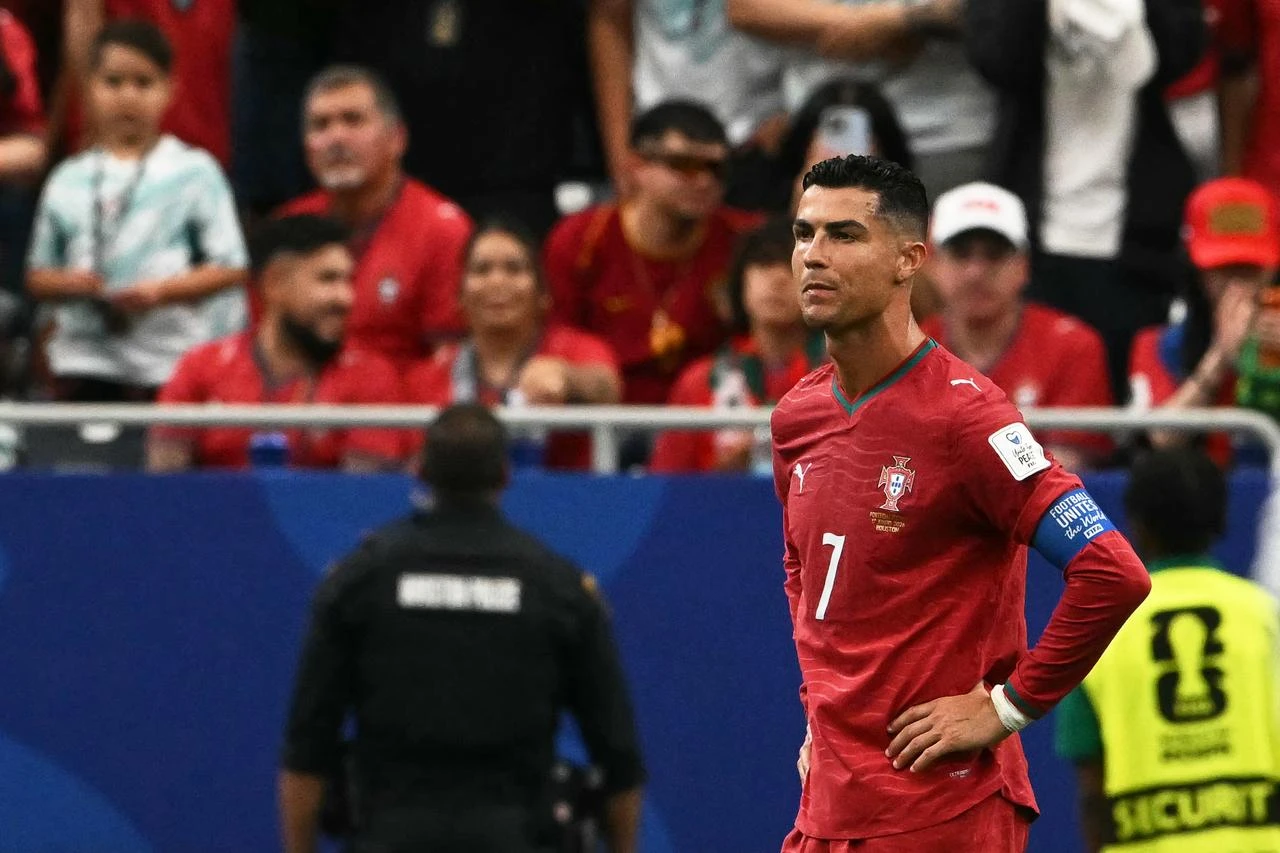
Cristiano Ronaldo had a different experience in Portugal's first match against the Democratic Republic of Congo in Houston. Portugal only managed a 1-1 draw, and the 41-year-old was not very involved, with just 25 touches, his lowest in a full match at a major tournament for Portugal.
Ronaldo has now played 10 straight games at major tournaments without scoring. He is still close to reaching 1,000 career goals for club and country, but he did not get there in Houston. Portugal coach Roberto Martinez now has a tough choice about Ronaldo's role for the rest of the tournament.
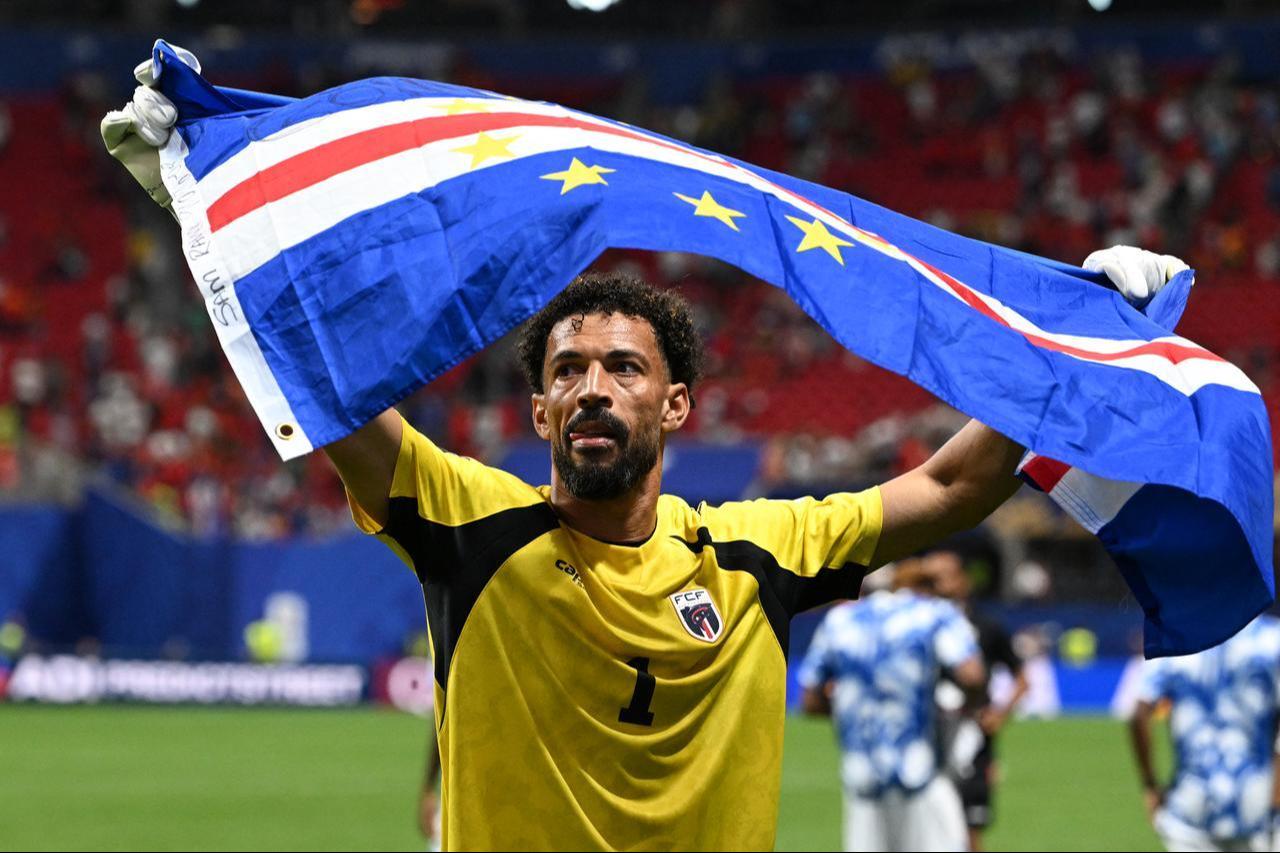
Cape Verde pulled off the most surprising result of the opening round by holding European champions Spain to a 0-0 draw in Atlanta. The island nation, with just over 500,000 people, was making its World Cup debut. Their 40-year-old goalkeeper Vozinha played a key role, stopping Spain, who were expected to win easily.
Photos of Vozinha in tears, hugged by his teammates at the final whistle, became some of the most memorable of the round. His Instagram followers jumped from 50,000 before the match to nearly 13 million after, passing both NFL star Patrick Mahomes and NBA player Victor Wembanyama.
This result also pushed back against critics of the new 48-team format, like UEFA President Aleksander Ceferin, who said it would lead to 'completely uninteresting' matches.
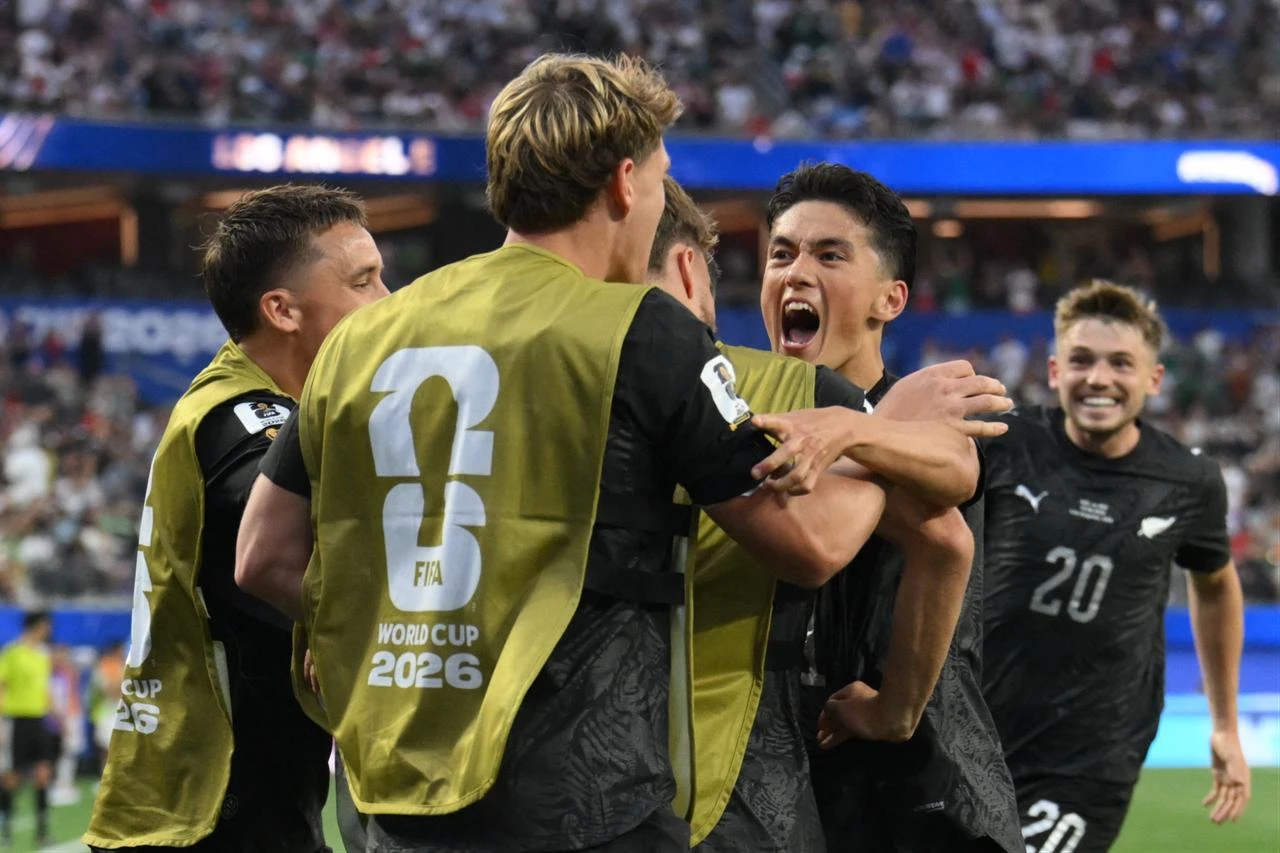
Cape Verde was not the only team to stand out. New Zealand led Iran twice in a 2-2 draw, Jordan challenged Austria before losing 3-1, and Curacao was tied 1-1 with Germany for 17 minutes before losing 7-1.
None of these teams is seen as a favorite, but the first round showed they are more than just participants.
Weather conditions in the host countries have become a big story. In the first 13 games where European teams played teams from other continents, only five European teams won: Germany, Scotland, France, Norway, and Austria. Favorites like Spain, Türkiye, Switzerland, Belgium, and Portugal did not win their first matches.
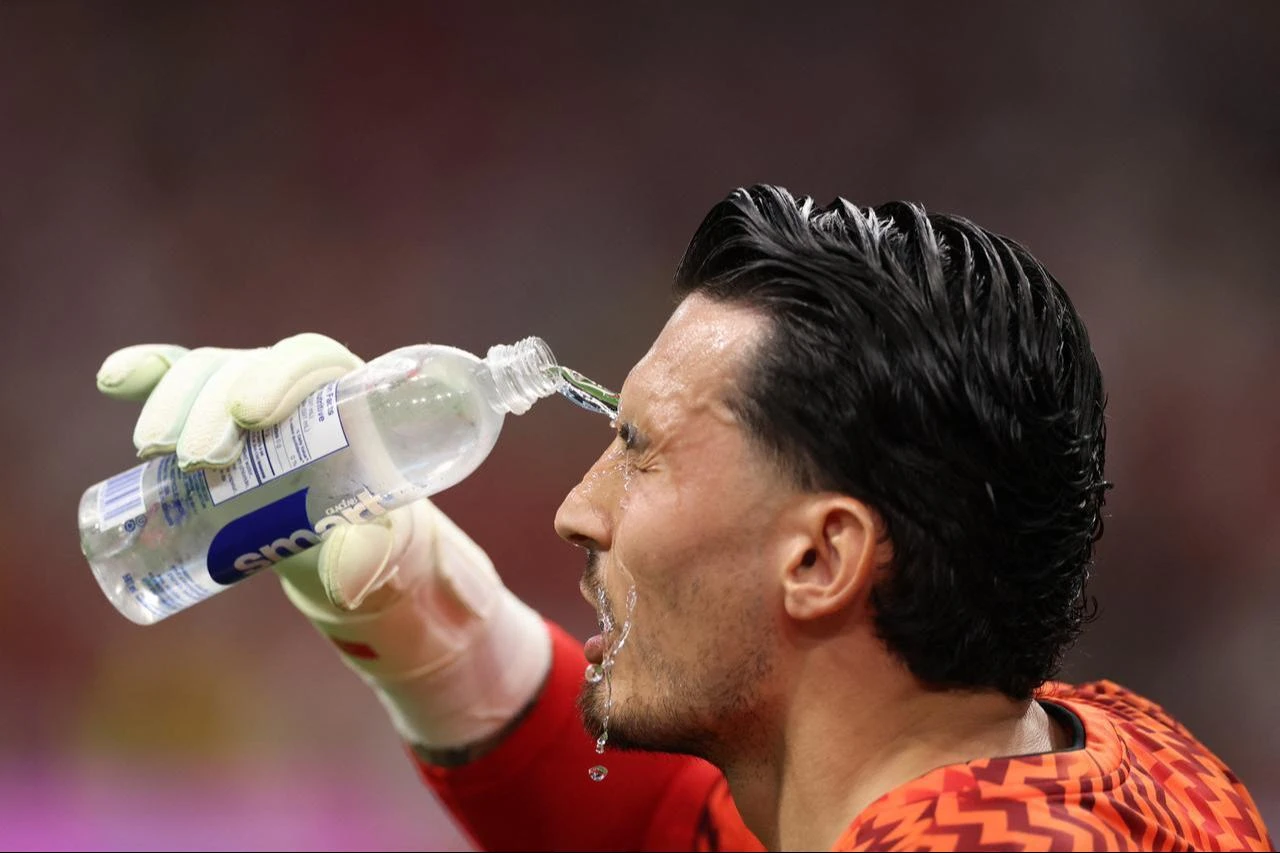
A report from the CIES Football Observatory found that players run about 1 kilometer less in 35-degree heat than in 15-degree heat. Several matches have been played in these hot conditions, and the impact has been clear.
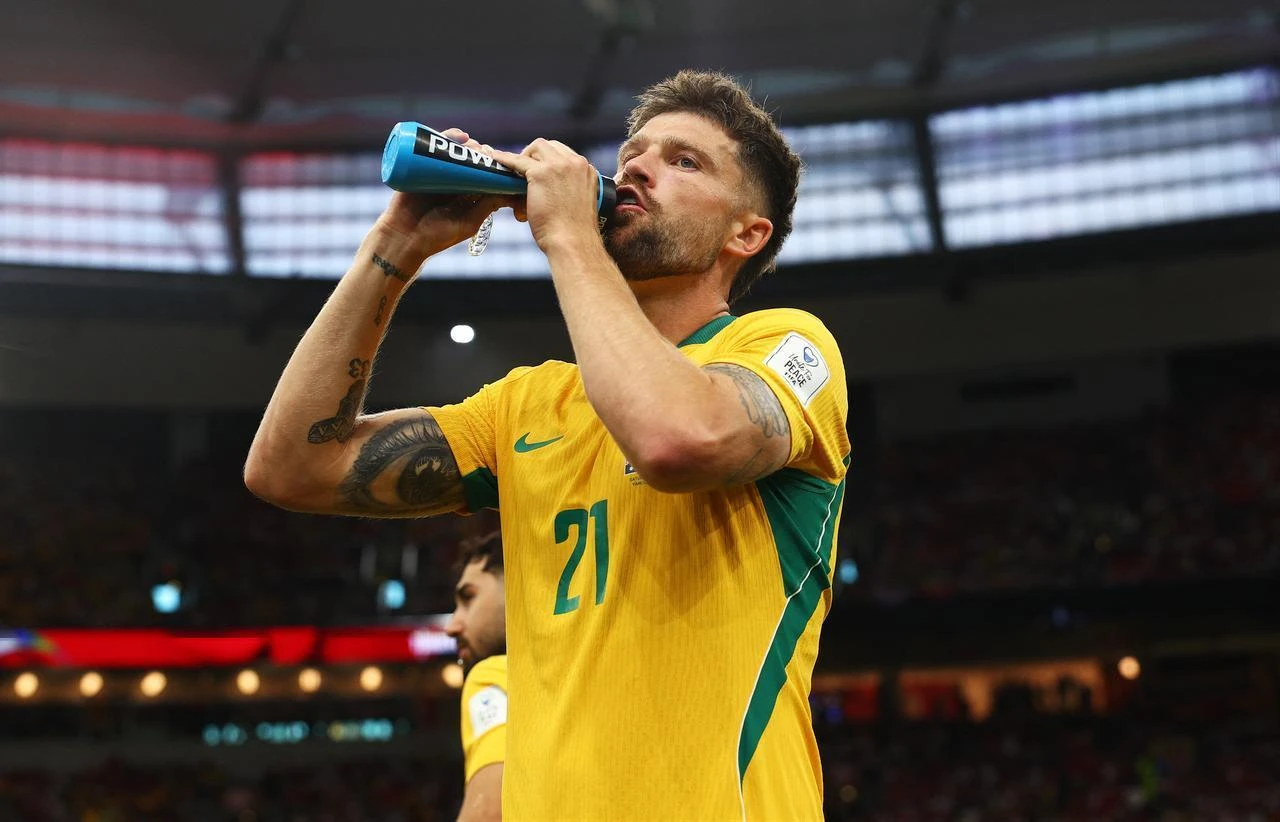
Every match now includes a three-minute hydration break in each half, whether the stadium is open-air or air-conditioned. Netherlands captain Virgil van Dijk questioned why the breaks are always used. "If it's really hot, it makes sense, but you have to look at each game separately," he said.
These breaks have clearly affected the flow of games. Germany was tied 1-1 with Curacao at halftime but went on to win 7-1. Norway scored soon after both breaks in their 4-1 win over Iraq. Australia scored both goals in their 2-0 win over Türkiye right after hydration time-outs.
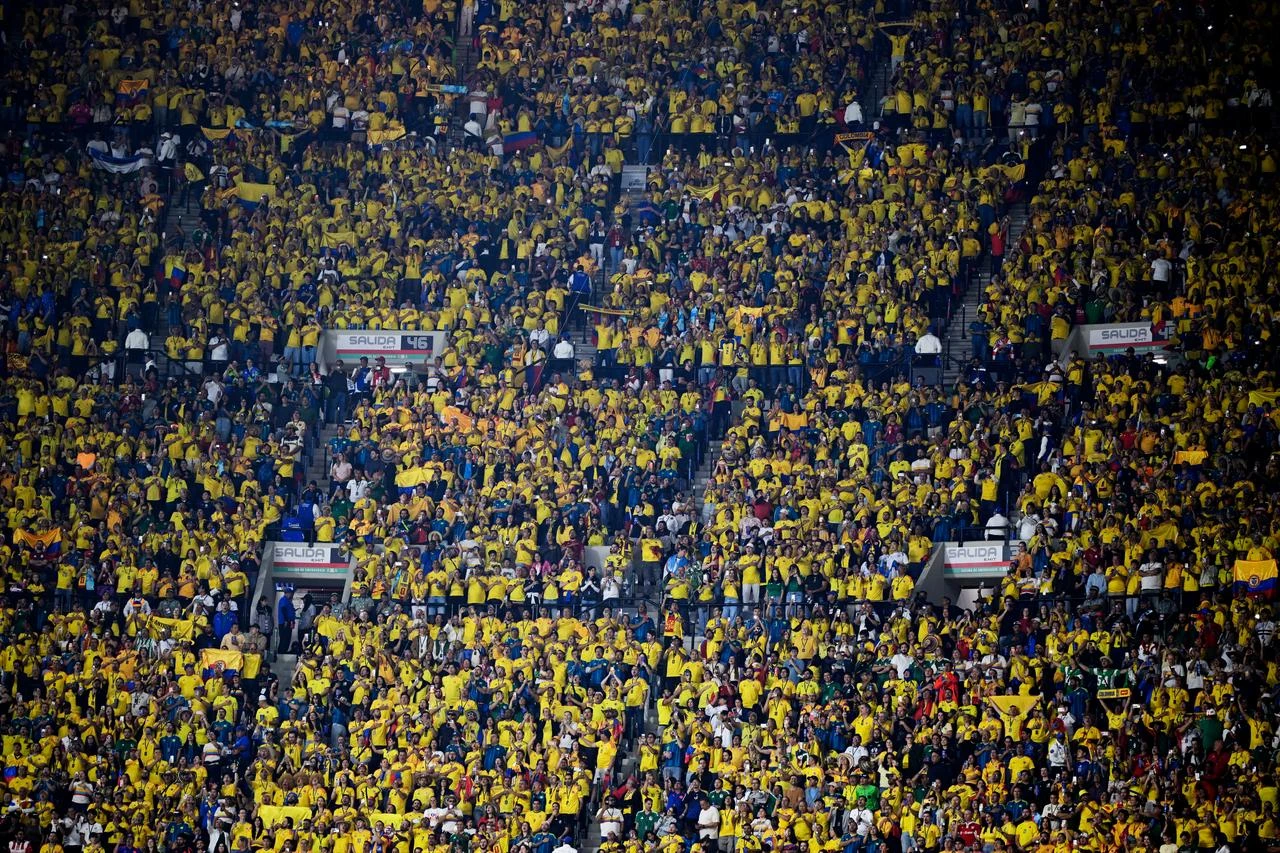
Worries that high ticket prices would lead to empty seats seem to be unfounded. Levi's Stadium in Santa Clara, which hosted the Super Bowl earlier this year, was nearly full for Austria vs Jordan on Tuesday, even though it was not a high-profile match.
FIFA said that 68,527 people attended the game, and a total of 281,223 fans attended matches across all venues on Tuesday. This broke the previous single-day World Cup attendance record of 277,070, set on June 28, 1994.
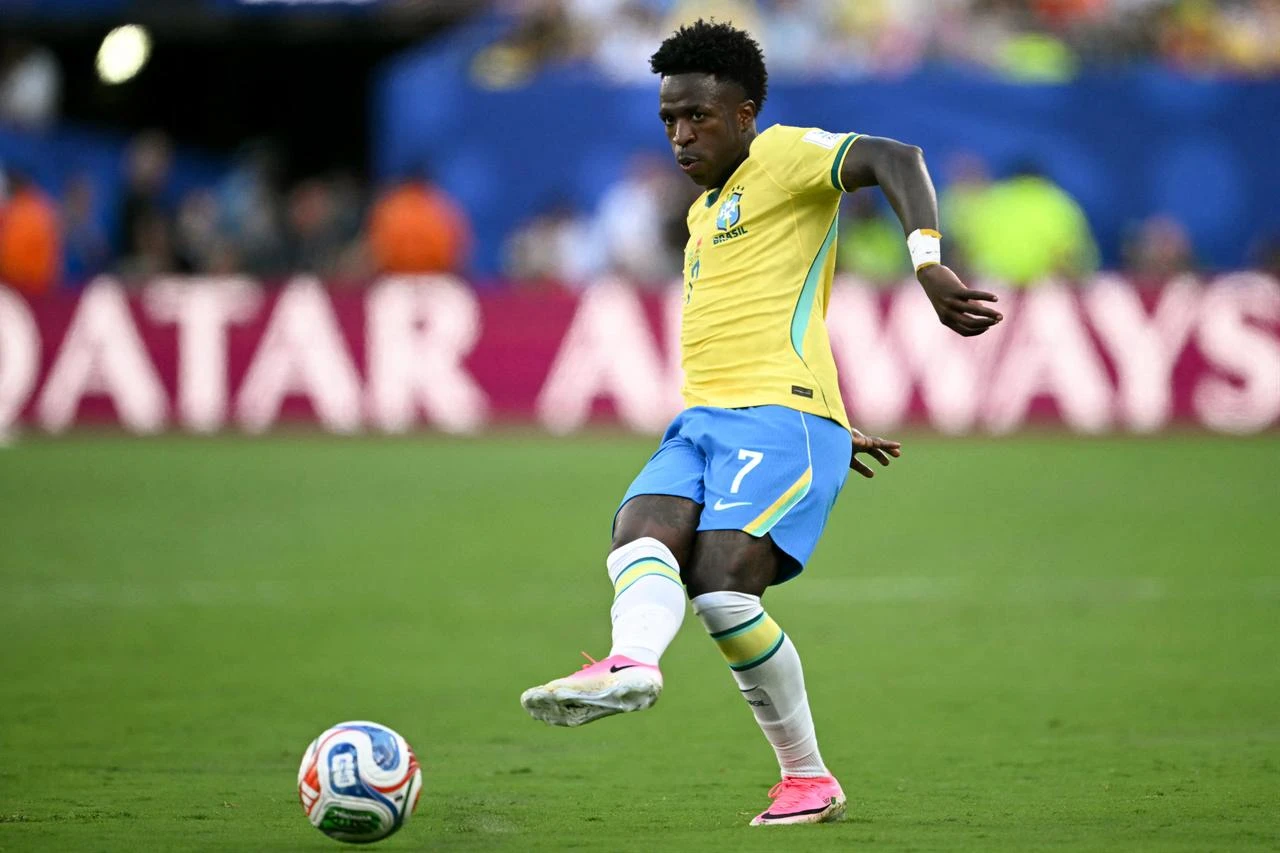
The field at MetLife Stadium in New Jersey, which will host the final on July 19, has already faced criticism after just two matches. The 78,576-seat stadium usually has artificial turf for NFL games, but a temporary grass pitch was put in for the tournament.
France midfielder Adrien Rabiot did not hold back after his team's 3-1 win over Senegal. 'The pitch… I don't even know if you can call it that. It felt more like an artificial surface, quite hard and quite rigid,' he said.
Brazil's Vinicius Junior also pointed out problems after their 1-1 draw with Morocco, saying the pitch dries out quickly in the heat and affects the flow of play.
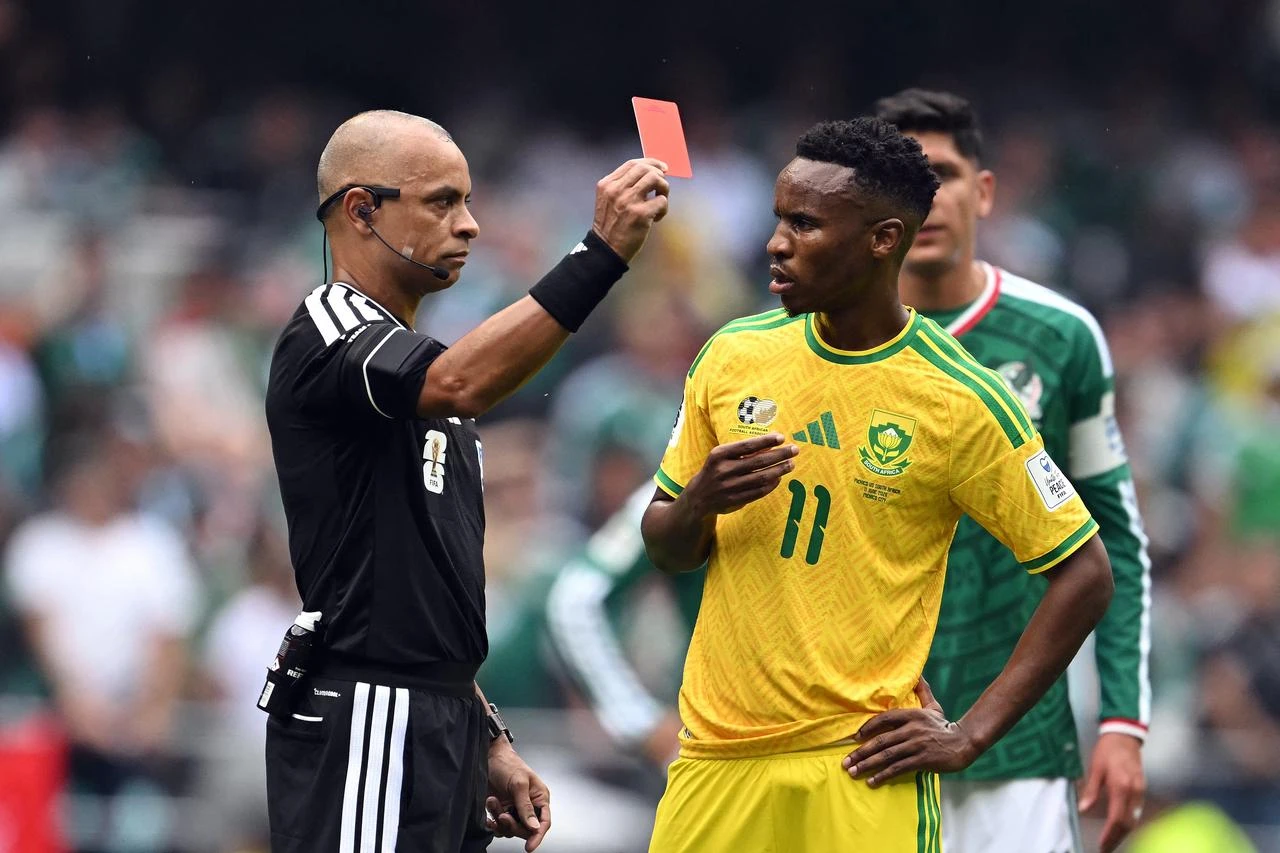
The first match of the tournament, where co-hosts Mexico beat nine-man South Africa 2-0 and three players were sent off, made it seem like there would be lots of red cards. But that has not happened.
No red cards were given in the next 23 games, as FIFA reportedly told referees to be more measured after the opener.
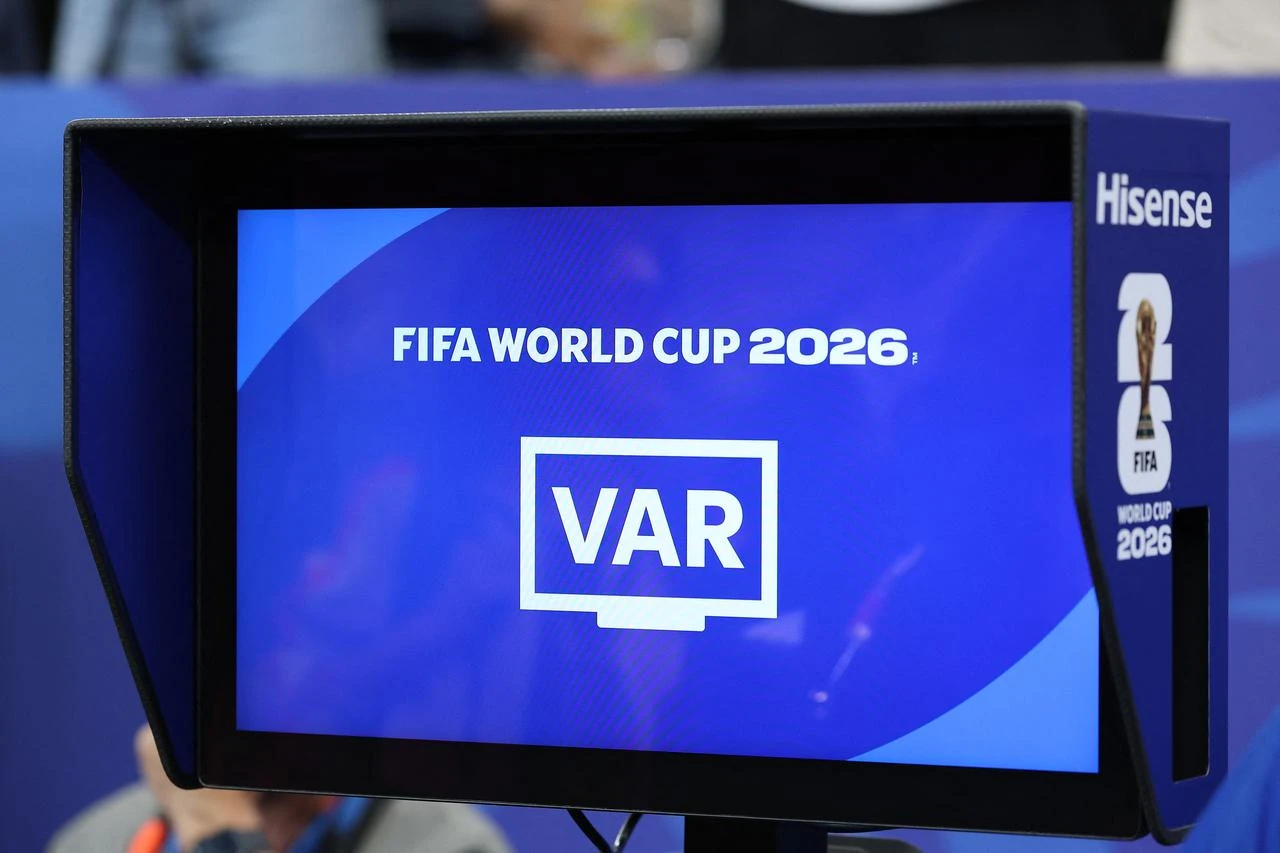
Sweden's fourth goal in their 5-1 win over Tunisia was given after a VAR review used ball-tracking technology, known as "Snicko," to confirm that Alexander Isak had touched the ball before it reached substitute Mattias Svanberg, who was onside.
The Adidas Trionda match ball has a microchip that records every touch and sends data instantly to VAR officials. This technology was also used at the 2022 World Cup and Euro 2024.


 Set as preferred source
 Set as preferred source


 2 min read