

 Newsletters


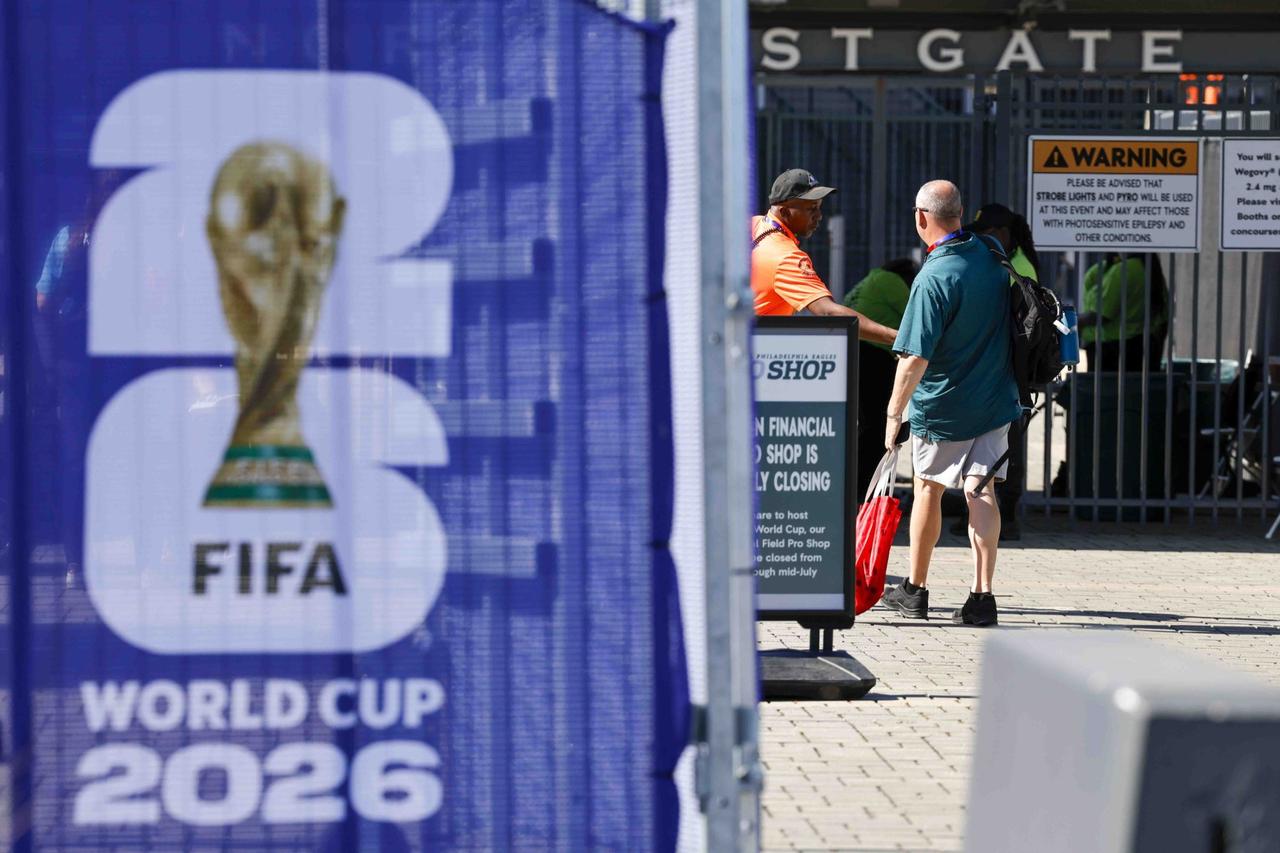


Millions of football fans heading to the 2026 FIFA World Cup are facing steep costs across nearly every part of the tournament experience, from match tickets and flights to hotels, transport and even basic food and drink inside stadiums.
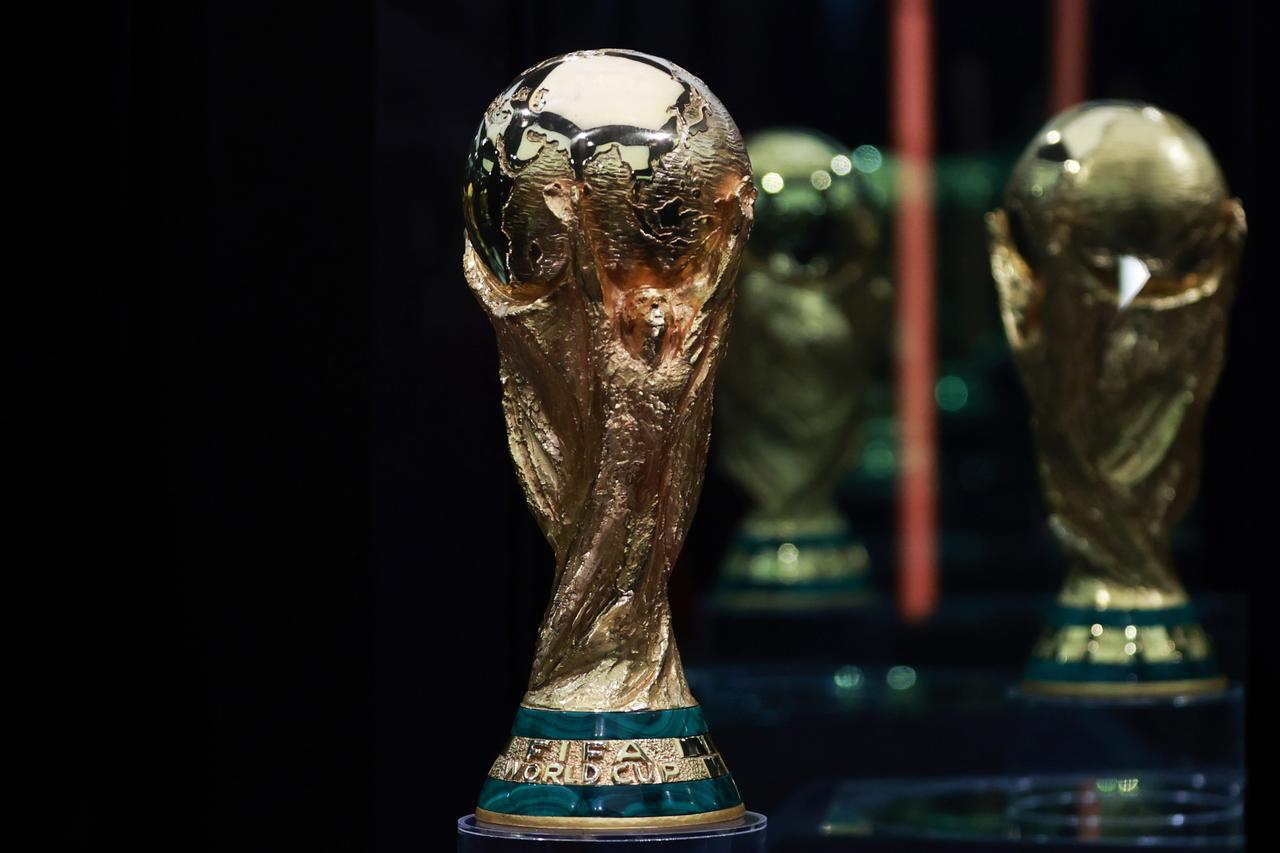
The tournament, hosted by the United States, Canada and Mexico, is the largest World Cup in history, bringing together 48 teams for 104 matches. More than 5 million fans are expected to attend, while FIFA is looking to bring in up to $11 billion in revenue from the expanded format.
Ticket prices have become one of the biggest pressure points for supporters. According to an analysis by TicketData.com, the average resale-market “get in” price for group-stage matches stood at $636 per seat as of June 9.
That figure is around three times higher than the top group-stage ticket category at the 2022 World Cup in Qatar, where Category 1 tickets were priced at roughly $220, according to Statista data cited in the report.
FIFA has also used a dynamic pricing model for this year’s tournament, meaning ticket prices can rise in stages depending on demand and availability. The Athletic reported that prices sold directly to fans rose gradually by 34% between October and April, based on an independent analysis. In one case, a high-end ticket first listed at $6,730 was sold for nearly $11,000 in April.
FIFA President Gianni Infantino defended the pricing approach at a news conference in Mexico City, saying demand had reached “unprecedented” levels.
He said FIFA had sold more than 6 million tickets and recently released another 130,000 tickets starting at $60. Infantino argued that lower official prices would have pushed more tickets into the resale market, where they could have been sold for much higher amounts.
“If you sell it at a lower price point, it would have gone—which is perfectly legal in this country—in secondary markets at much, much, much higher prices,” he said.
He also said World Cup revenue is put back into football development worldwide, adding: “Every dollar that comes in goes back to the development of football.”
For fans traveling to or around North America, air travel has also become more expensive. The report links higher flight costs to the U.S.-Israeli war on Iran, which has driven up global energy prices, including jet fuel.
The International Air Transport Association, which represents more than 370 airlines, said Sunday that a 70% rise in jet fuel prices had cut expected airline revenues in half. The group said some of the added costs were being passed on through airline pricing, meaning passengers are also feeling the impact.
Once fans arrive in host cities, accommodation prices are also climbing. The Athletic found that hotel rooms in host cities are about 50% more expensive on match nights than on other summer nights.
In the New York area, where the final will be played at MetLife Stadium in neighboring New Jersey, a budget hotel room on the night of the final is expected to cost about $430. That is more than double the average price for a similar room one day later.
Transport costs are also rising around some venues. Al Jazeera reported that a rail ticket from New York’s Penn Station to MetLife Stadium will cost $98 when Brazil plays Morocco on Saturday, compared with a normal price of about $13. In Boston, train tickets to Gillette Stadium on match days are expected to cost $80, four times the usual $20 price.
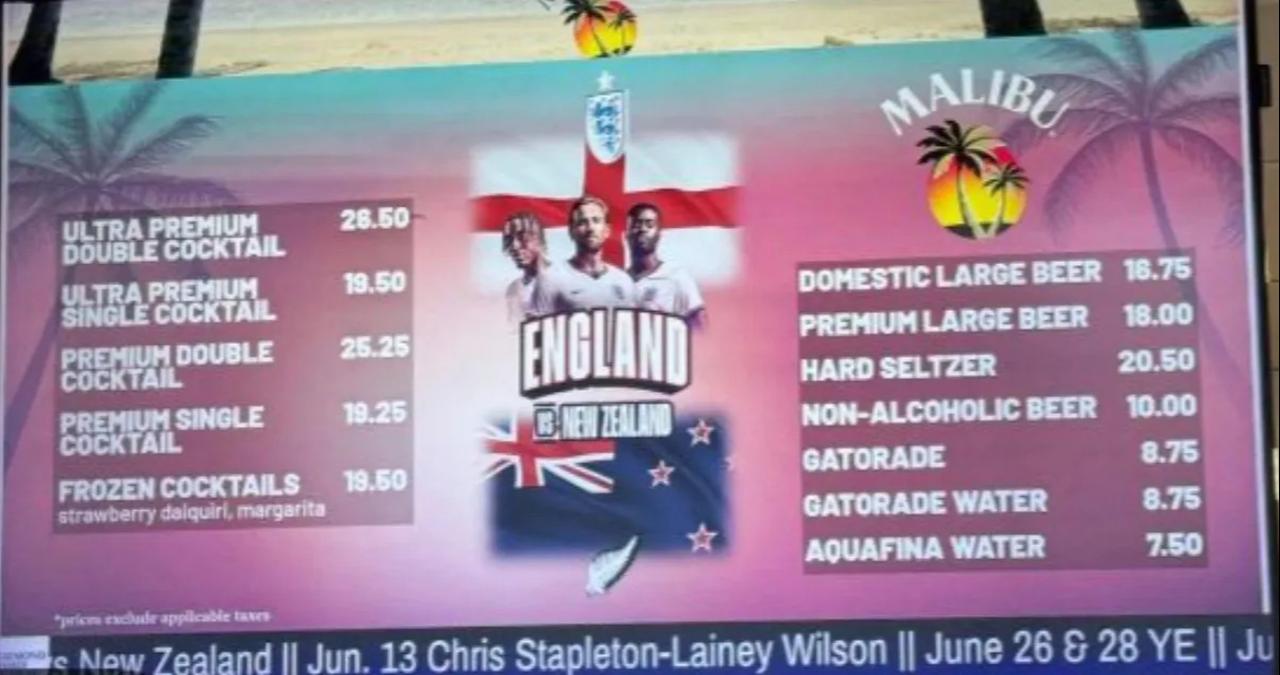

Inside and around stadiums, food and drink costs are adding another layer of pressure. At a warm-up match between England and New Zealand in Tampa, Florida, The Sun reported that large premium beers cost $18, double cocktails nearly $27 and a bottle of water $7.50.
Water prices have drawn particular attention because high temperatures are expected in many host cities. After public criticism, FIFA said on June 5 that fans would be allowed to bring one soft, factory-sealed 20-ounce water bottle into stadiums.
Food and drink prices are expected to vary widely by country and venue. According to FootballGroundGuide, U.S. stadiums are likely to be the most expensive, with Levi’s Stadium in California, MetLife Stadium in New Jersey and SoFi Stadium in Los Angeles ranking at the top.
By contrast, Mexico’s stadiums are expected to offer the cheapest food and drink options, with Estadio Akron, Estadio Azteca and Estadio BBVA listed as the three lowest-cost venues in the analysis.
For supporters already facing high ticket prices, expensive travel and inflated hotel rates, even match-day basics are becoming part of the World Cup’s wider cost shock.


 Set as preferred source
 Set as preferred source


 2 min read

 1 min read


