Newsletters




This summer, the United States will open its arms to the world. Millions of football fans will stream into American cities for the 2026 FIFA World Cup, the largest sporting event in history.
Hundreds of additional consular officers will be deployed to embassies around the globe to fast-track tourist visas. America's hospitality industry is bracing for a historic boom.
For roughly 25,000 university students enrolled in the U.S. Department of State's own cultural exchange program, the very people who will staff those resorts, national parks, and boardwalk businesses that World Cup tourists will visit, the door is closing.
Their visa interview slots have been slashed by as much as 90% at embassies across more than a dozen countries. The reason, industry insiders and congressional advocates confirm, is that consular bandwidth is being redirected toward World Cup fans.
Türkiye is one of the countries hit hardest. Approximately 4,000 Turkish university students who have registered, paid thousands of dollars in program fees and secured American job placements are now unable to access a visa appointment before the summer season begins.
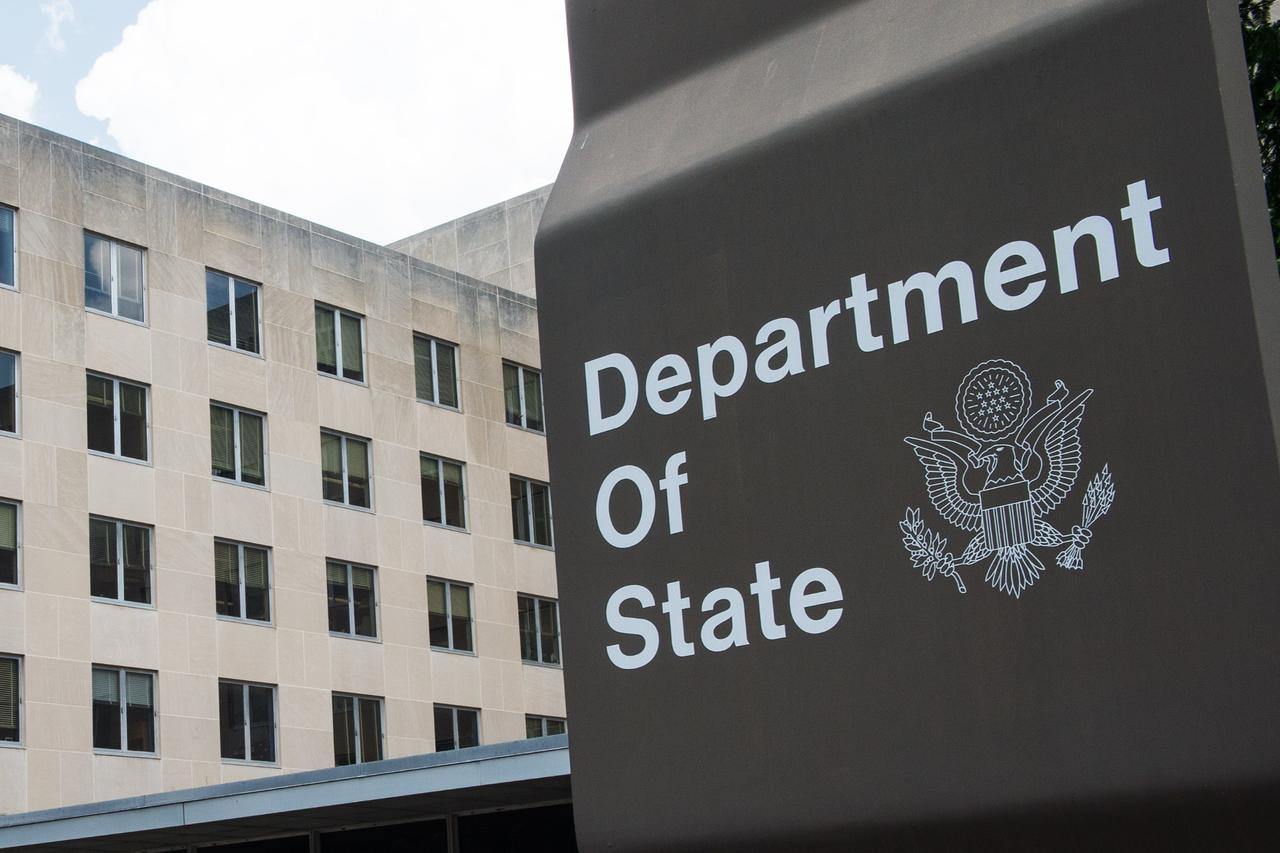
The roots of the crisis trace back to late 2025, when the U.S. State Department issued an internal cable instructing embassies to fully prioritize B1/B2 tourist visas, the category used by World Cup fans, while de-emphasizing the issuance of J-1 exchange visitor visas. The directive came as the State Department simultaneously announced it would deploy hundreds of additional consular officers to designated countries to handle anticipated World Cup demand.
The result was a cascade. U.S. embassies in Kazakhstan, Mongolia, Poland, Serbia, Slovakia, Thailand, and Türkiye, all major sending countries for the BridgeUSA exchange program,announced reductions in J-1 visa interview capacity of 50 to 90%.
The Alliance for International Exchange, the primary U.S. industry body representing J-1 stakeholders, has identified 11 countries, including Australia, China, Colombia, Jamaica, Kazakhstan, Mexico, Mongolia, Serbia, Spain, Türkiye and the United Kingdom, as facing acute appointment shortages, with a collective need of approximately 13,590 additional interview slots.
Compounding the problem is a second, parallel policy shift: mandatory social media vetting now applied to virtually all non-immigrant visa categories. This requires consular officers to manually review applicants' online presence, adding significant processing time per interview and further squeezing already-constrained appointment capacity.
Mark Overmann, executive director of the Alliance for International Exchange, said the combined effect has created "a significant bottleneck regarding appointment availability" that is threatening to unravel the summer season for thousands of participants.
The J-1 BridgeUSA Summer Work and Travel program is not a government expenditure. As a bipartisan letter signed by 17 members of Congress and addressed to Secretary of State Marco Rubio on March 19 makes clear, BridgeUSA programs "do not rely on federal funding from the American taxpayer, as they are privately funded and receive no federal appropriations."
International students in the program fill seasonal job vacancies at resorts, national parks, amusement parks, restaurants and summer camps across the United States. They pay their own program fees, flights, visa costs and SEVIS fees, an average of nearly $5,000 per participant, and spend their wages in local American communities.
According to the Alliance for International Exchange, the shortfall in appointments this year could result in a $46 million loss in economic contributions to U.S. communities and leave thousands of seasonal positions unfilled, in the very tourist destinations that World Cup visitors will be frequenting.
The same seasonal businesses that depend on J-1 workers to serve American and international tourists this summer are at risk of being understaffed precisely because their workforce pipeline has been deprioritized to accommodate those tourists' visa applications.
Türkiye stands among the most acutely affected countries. Around 4,000 registered participants are currently unable to secure visa interview appointments in time for the 2026 summer season.
Collectively, they represent tens of millions of dollars in program investments already committed, with job placements confirmed, flights researched and English-language interviews completed.
Emin Inancli, a consultant with nearly 12 years of experience in the work and travel industry in Türkiye, who spoke to Türkiye Today for this report, said the situation is unlike anything seen in recent memory, including during the pandemic years.
The number of appointments opened this season has remained nearly half of the actual number of registered participants, he said, despite the absence of any pandemic-related restrictions that justified similar shortfalls in previous years.
He added that no advance warning was given to students or agencies before the capacity cuts were implemented, leaving participants who had already registered, paid fees and secured placements with no time to adjust their plans.
Students describe the psychological toll as significant. A returning participant who completed the program last year and wished to apply again said that investing in the program only to find that no appointment was available caused serious financial and emotional stress. This stress is further amplified by the fact that each student has already committed approximately $5,000 in program-related expenses.
A first-time applicant, a second-year medical student, said the bottleneck was a "challenging hurdle" for the roughly 4,000 students in Türkiye who are eager to contribute to the U.S. economy and gain professional experience.
A third participant, who had obtained a visa the previous year but was unable to travel due to a health issue and had spent the intervening year preparing for a second attempt, said the appointment problem offers no recourse even for students who have already proven their commitment to the program.
Even after completing all required procedures, she said, participants risk losing their chance due to the impossibility of securing an interview slot.
Beyond the raw shortage of slots, industry professionals point to a quieter secondary problem: rejection rates within the limited interviews that are available have increased compared to prior years.
The 12-year industry consultant told Türkiye Today that this appears to reflect an evaluation framework that has not kept pace with post-pandemic realities.
He said the number of students overstaying in the U.S. after completing the program has fallen steadily since the pandemic and is now, by his account, negligible. Yet applicants continue to be assessed against assumptions formed during a period when the problem was more widespread, he said, creating what he described as an unfair burden for students with entirely legitimate intentions.
The Alliance for International Exchange has echoed this concern at the institutional level, calling on the Bureau of Consular Affairs to provide additional staffing specifically for back-end online presence screening of J-1 applicants, a step that would free consular officers to conduct more interviews without compromising the vetting process.


 Set as preferred source
 Set as preferred source


 4 min read