Newsletters





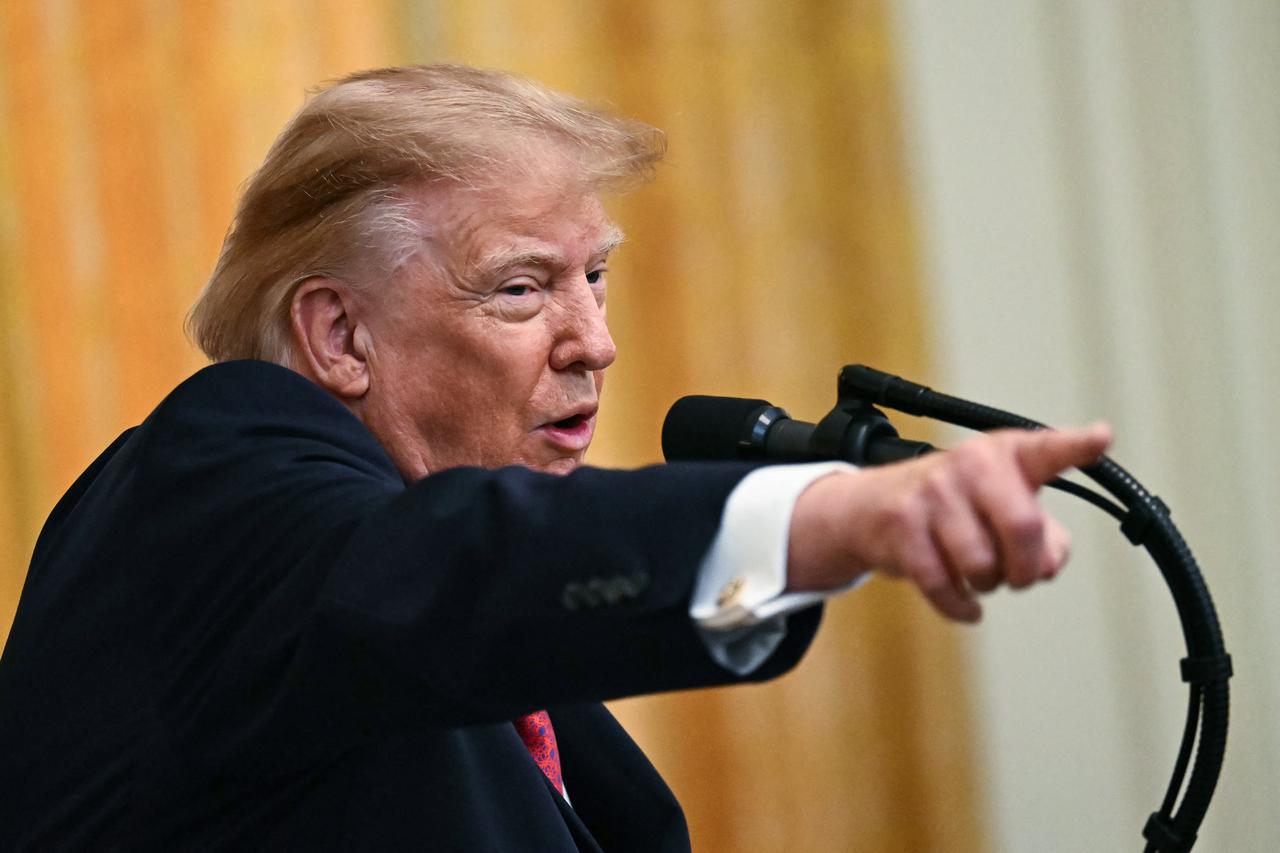
The U.S. Senate voted 50-49 on Wednesday to reject a resolution that would have curtailed President Donald Trump's authority to continue military operations against Iran, marking the seventh time Democrats have failed to rein in the administration's war powers since hostilities began more than 10 weeks ago.
The measure, introduced by Sen. Jeff Merkley of Oregon, came after a legally significant threshold passed without White House action: under the War Powers Act, the administration had until May 1 to secure formal congressional authorization for the conflict, following Trump's notification to lawmakers of strikes against Iran in early March.
Democrats argue the president is now in clear violation of the 1973 law, which was enacted in the wake of the Vietnam War to constrain executive military authority. The administration has pushed back on that reading, asserting that a ceasefire declared more than a month ago effectively paused the 60-day clock.
Despite the defeat, Democrats pointed to a slowly shifting dynamic on the Republican side. Three GOP senators crossed party lines to support the resolution, one more than in the previous vote in April, leaving Trump with the slimmest of winning margins.
Merkley, acknowledging before the vote that the ceasefire had "complicated" the legal picture, suggested that political discomfort, rather than conviction, was holding some of his colleagues back. "I think many of our colleagues are uncomfortable with where they stand," he told reporters, "but they're also uncomfortable with being on the wrong side of Trump."
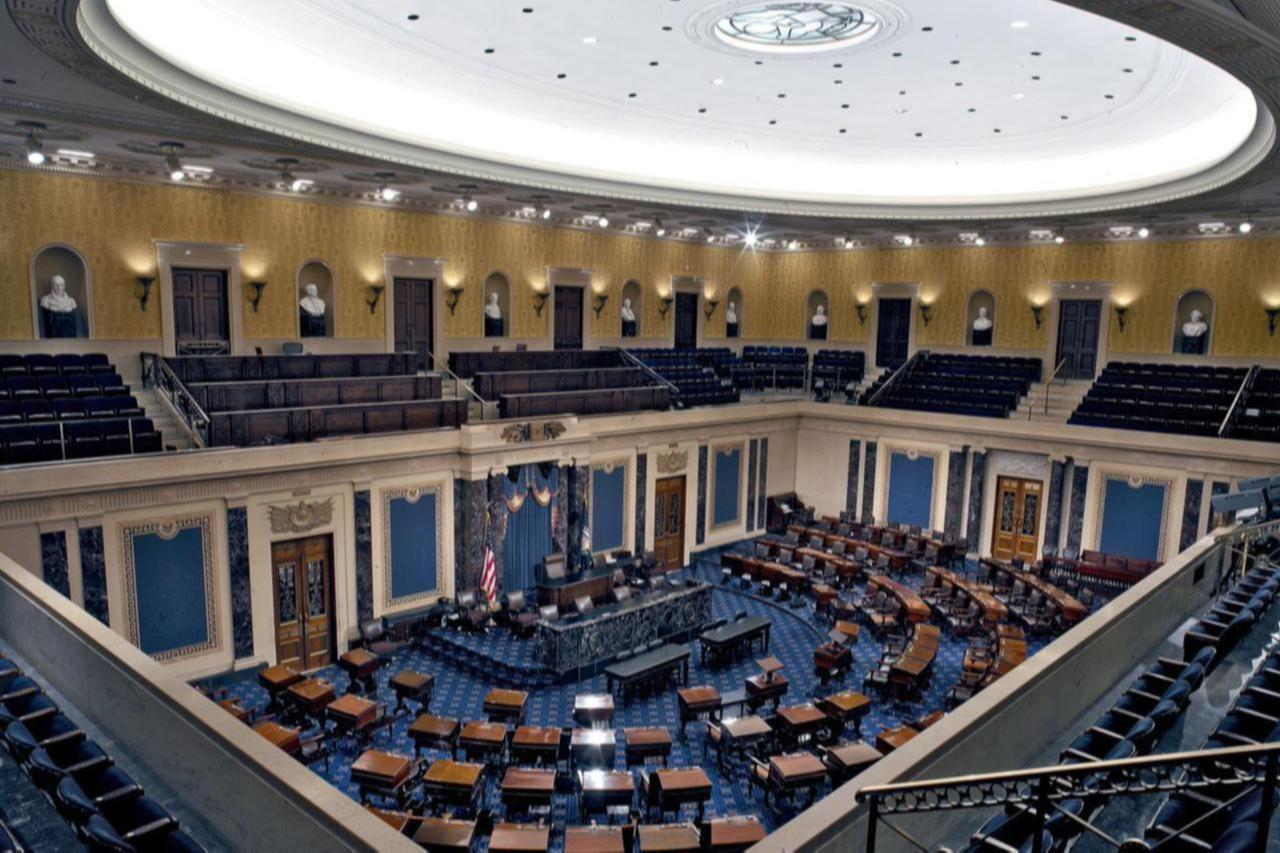

Sen. Tim Kaine of Virginia, one of the most vocal critics of the administration's handling of the conflict, served notice that the pressure campaign would continue regardless of the outcome. "We're going to force this vote every week until the Senate says we shouldn't be at war," he told reporters. "And I do believe that day is coming."
The conflict has now reached its 75th day, a milestone that has coincided with rising costs and widening concern over U.S. military readiness.
The War Powers Act has historically been difficult to enforce, with federal courts consistently reluctant to referee disputes between Congress and the executive branch over the use of military force. Even a Senate majority for such a resolution would face formidable obstacles: the Republican-controlled House would need to concur, and Trump would almost certainly veto any measure that reached his desk.
Still, Democrats argue that the repeated votes serve a purpose beyond the procedural, forcing members of both parties to go on record on a conflict now entering its third month with no formal authorization from Congress.


 Set as preferred source
 Set as preferred source


 1 min read



 1 min read