Newsletters


Nearly four in five Americans expect the U.S. war with Iran to drag on for an extended period, according to a Reuters/Ipsos poll conducted as fighting escalated and U.S. President Donald Trump declared a renewed blockade of Iranian shipping in the Gulf.
The three-day poll, completed Sunday, found that 79% of respondents think U.S. military involvement in Iran will "go on for an extended period of time," up from 65% in late March.
Only 18% said they think the war would "end pretty quickly in a matter of weeks."
The poll surveyed 1,019 U.S. adults nationwide and had a margin of error of about 4 percentage points.
Broken down by party, 69% of Republicans said they expect a prolonged war, compared with 91% of Democrats and 84% of independents, according to the poll data.
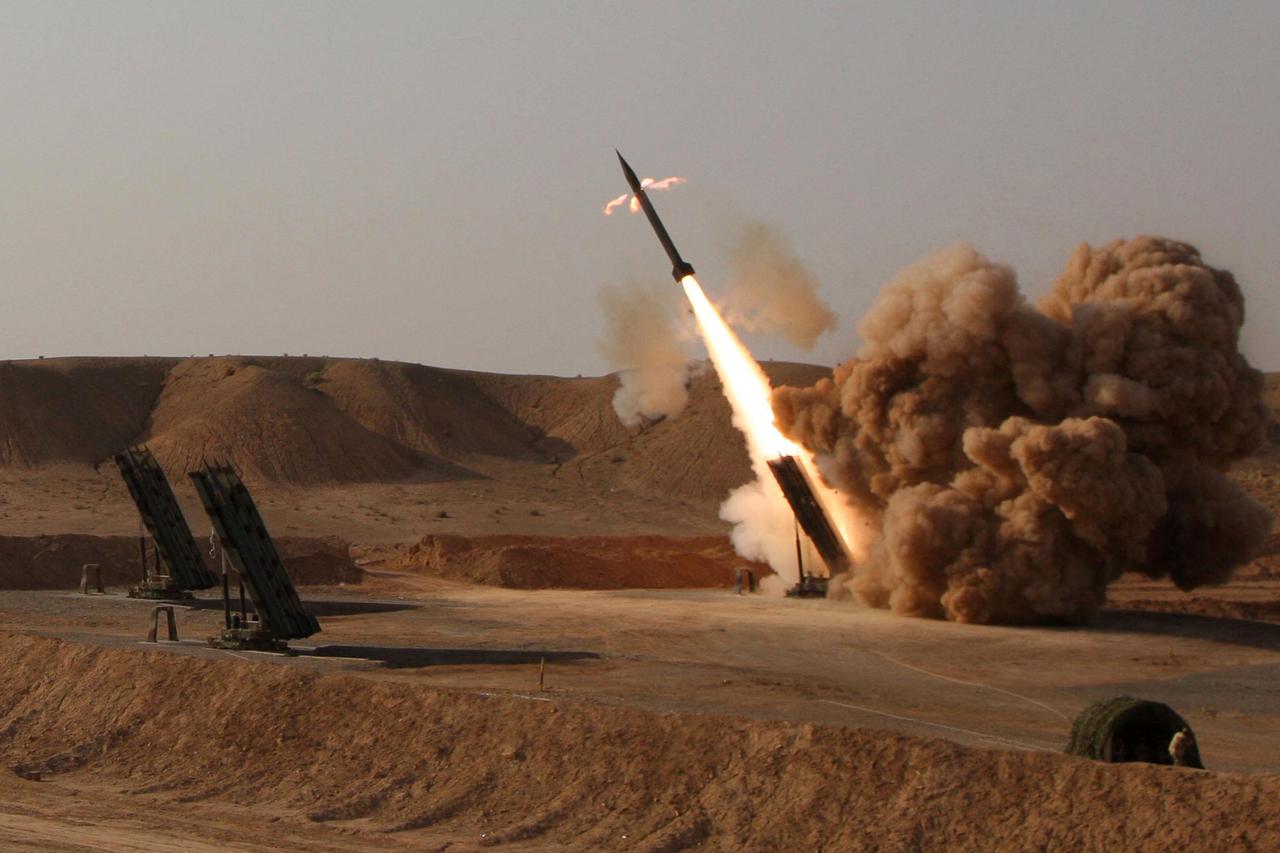
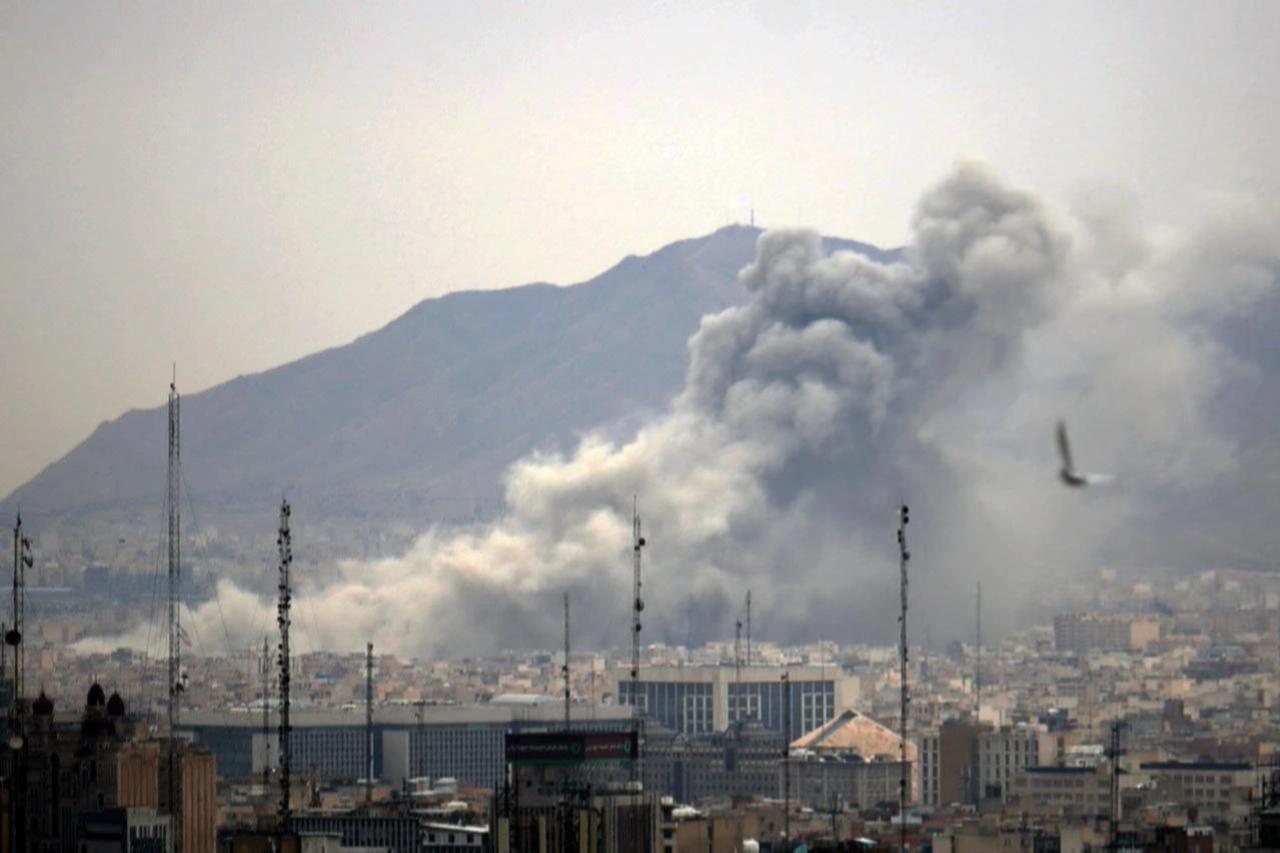
Some 37% of respondents approved of U.S. military strikes against Iran, which Washington resumed on June 26 in response to what it said were Iranian attacks on commercial shipping in the Strait of Hormuz, while 58% said they disapprove of the war overall.
Asked whether U.S. military action in Iran had been worth it, 51% said it was not worth it, versus 24% who said it was, with 23% unsure.
Some 60% of respondents said they expected gasoline prices to worsen over the next year as a result of the war.

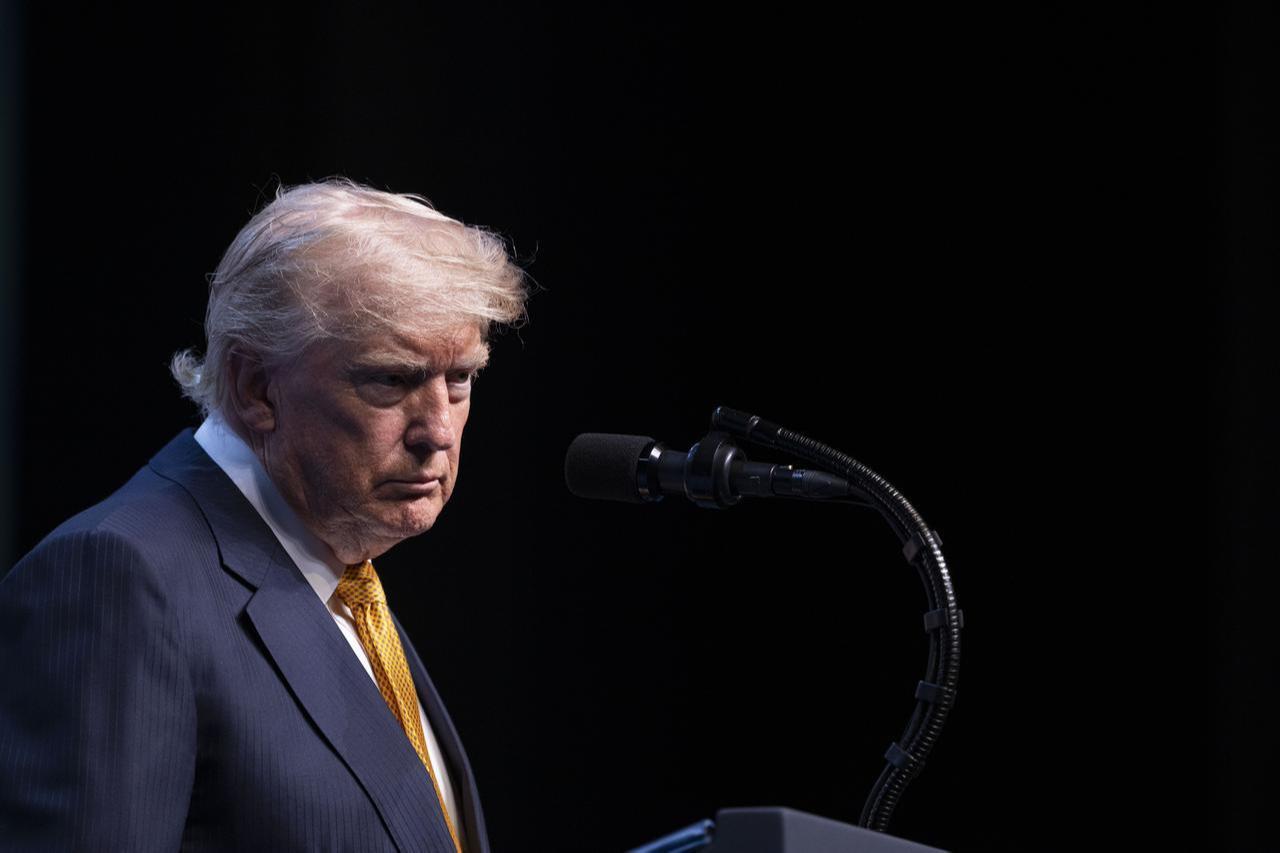
Trump's approval rating has hovered near the lowest levels of his political career since the conflict began, according to Reuters, with Republican strategists warning that rising living costs have neutralized the political benefits of his tax cuts.
Higher gas prices and cost-of-living concerns pose a political risk to Trump's Republican Party ahead of November's midterm elections, in which it risks losing its House majority and possibly the Senate, according to Reuters' reporting.
Separately, Trump sent Congress a formal notification that hostilities against Iran resumed on July 7, in a letter dated July 10 that his administration views as opening a new 60-day window to use the military in the region without congressional approval, according to Reuters.
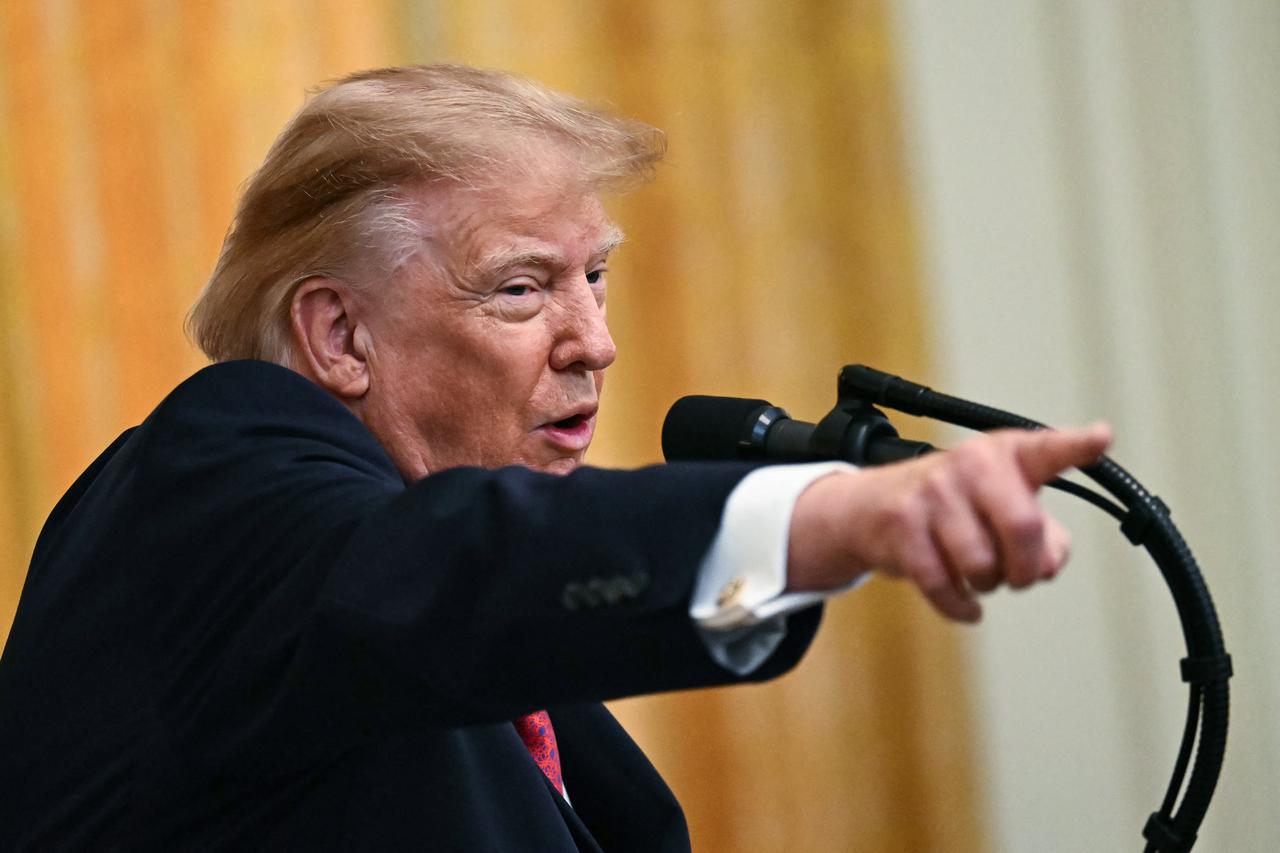
"I directed this military action consistent with my responsibility to protect Americans and United States' national security and foreign policy interests," Trump wrote in the letter, which also described his April 7 order of a two-week ceasefire, later extended, and the administration's diplomatic efforts.
The U.S. began strikes on Iran on Feb. 28, alongside Israel.
In the letter, Trump described the memorandum of understanding (MoU) he signed with Iran on June 17 and said Iran had violated it by attacking commercial vessels transiting the Strait of Hormuz, prompting him to order renewed strikes.
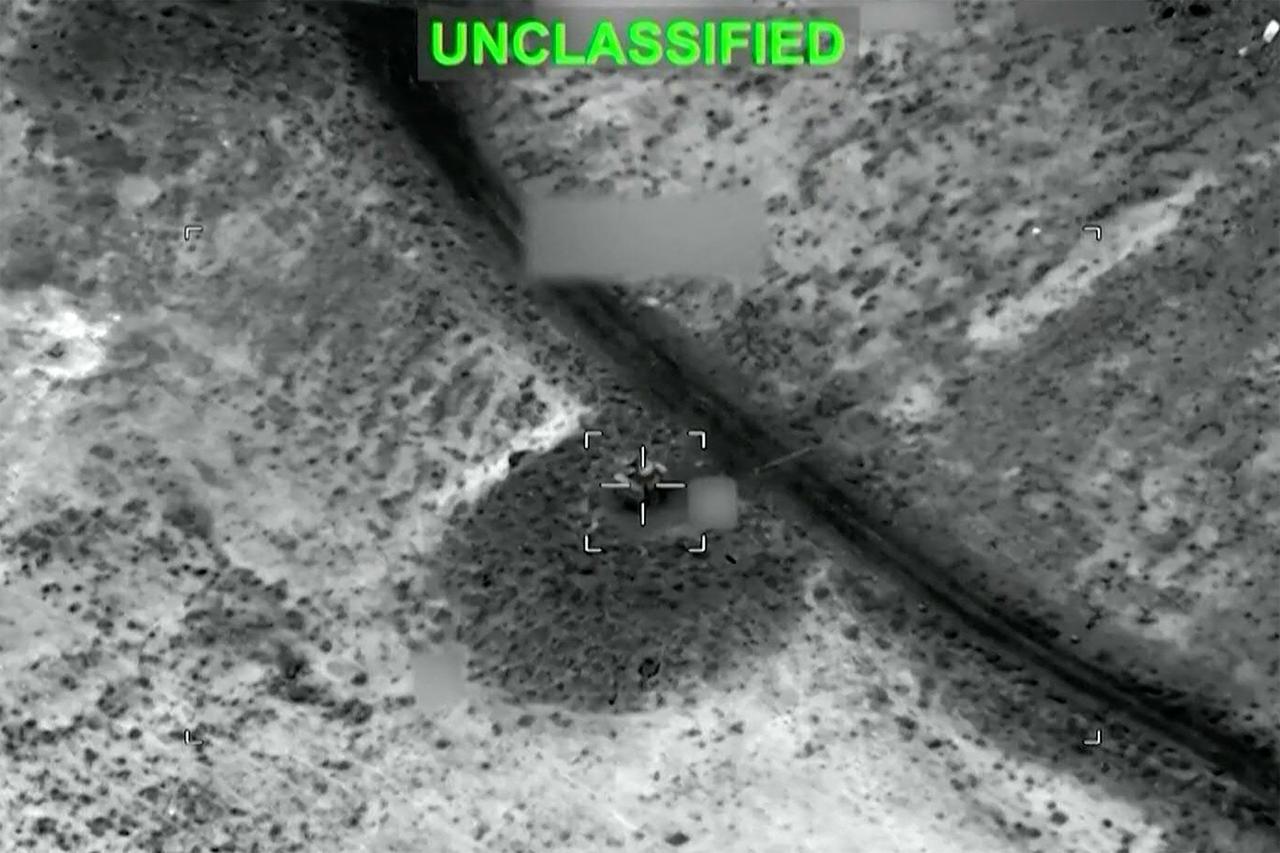
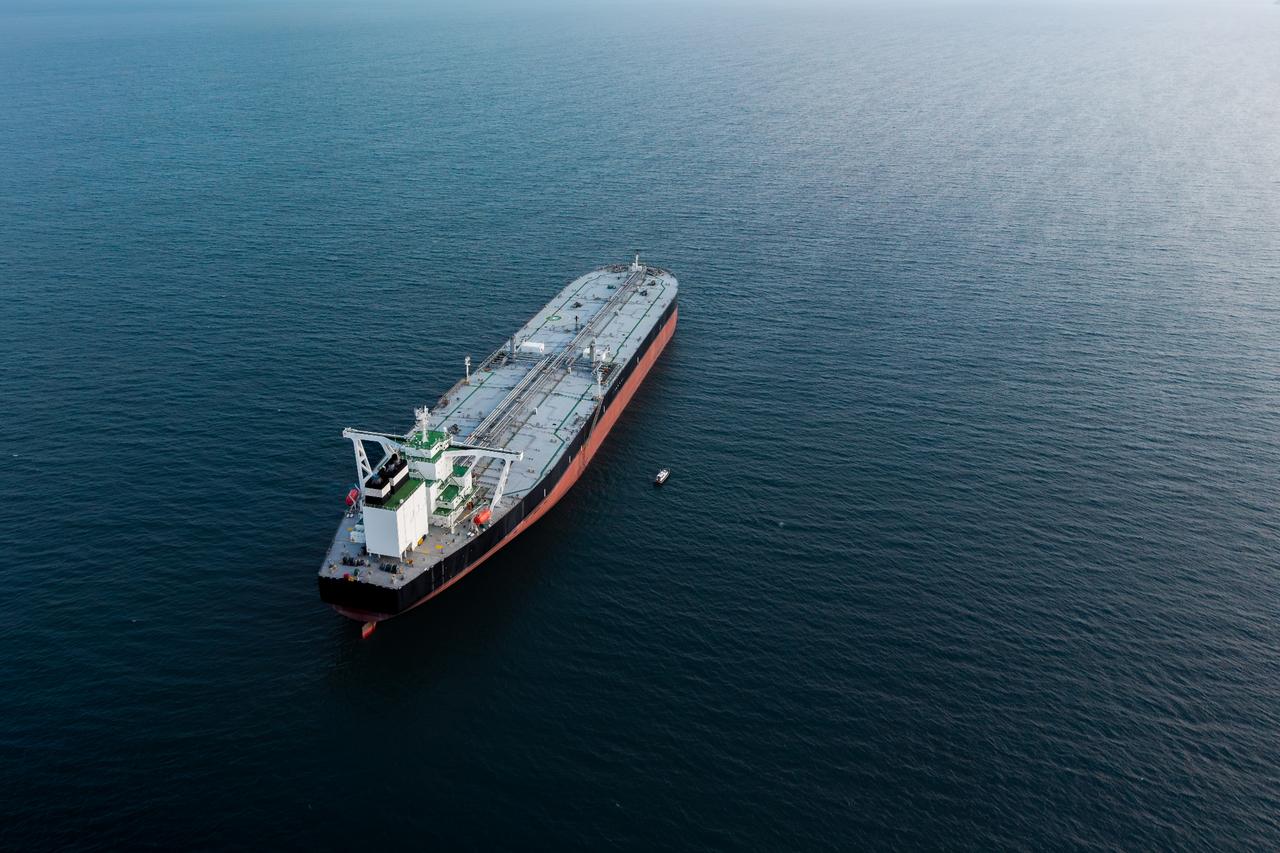
Trump said Monday the U.S. was reinstating its blockade of Iranian shipping in the Gulf and would work to keep the Strait of Hormuz open.
The U.S. Constitution grants only Congress the power to declare war, though presidents have long claimed authority to order shorter military engagements without congressional approval, according to Reuters.
The War Powers Act requires the president to inform Congress within 48 hours of initiating hostilities and mandates that military action begun without congressional approval be terminated within 60 days.
Reuters reported that the first 60-day deadline in the Iran conflict fell on May 1, but Trump said it did not apply because he had declared hostilities terminated by the ceasefire, even as attacks continued and U.S. forces maintained a blockade of Iranian ports.
Democrats and Republican opponents of the continued conflict have said the administration is misinterpreting the law.
"The president can't just wish away months of war he said would last only four to six weeks," a senior House Democratic aide told Reuters on condition of anonymity.
Reuters also reported that both the Senate and House passed a resolution last month directing Trump to withdraw U.S. forces from hostilities with Iran, despite Republicans' narrow majorities in both chambers, reflecting growing congressional concern about the months-long conflict.
Trump criticized lawmakers who voted for the resolution, accusing them of providing "comfort" to Iran and making his job "more difficult."


 Set as preferred source
 Set as preferred source


 1 min read
 1 min read