Newsletters


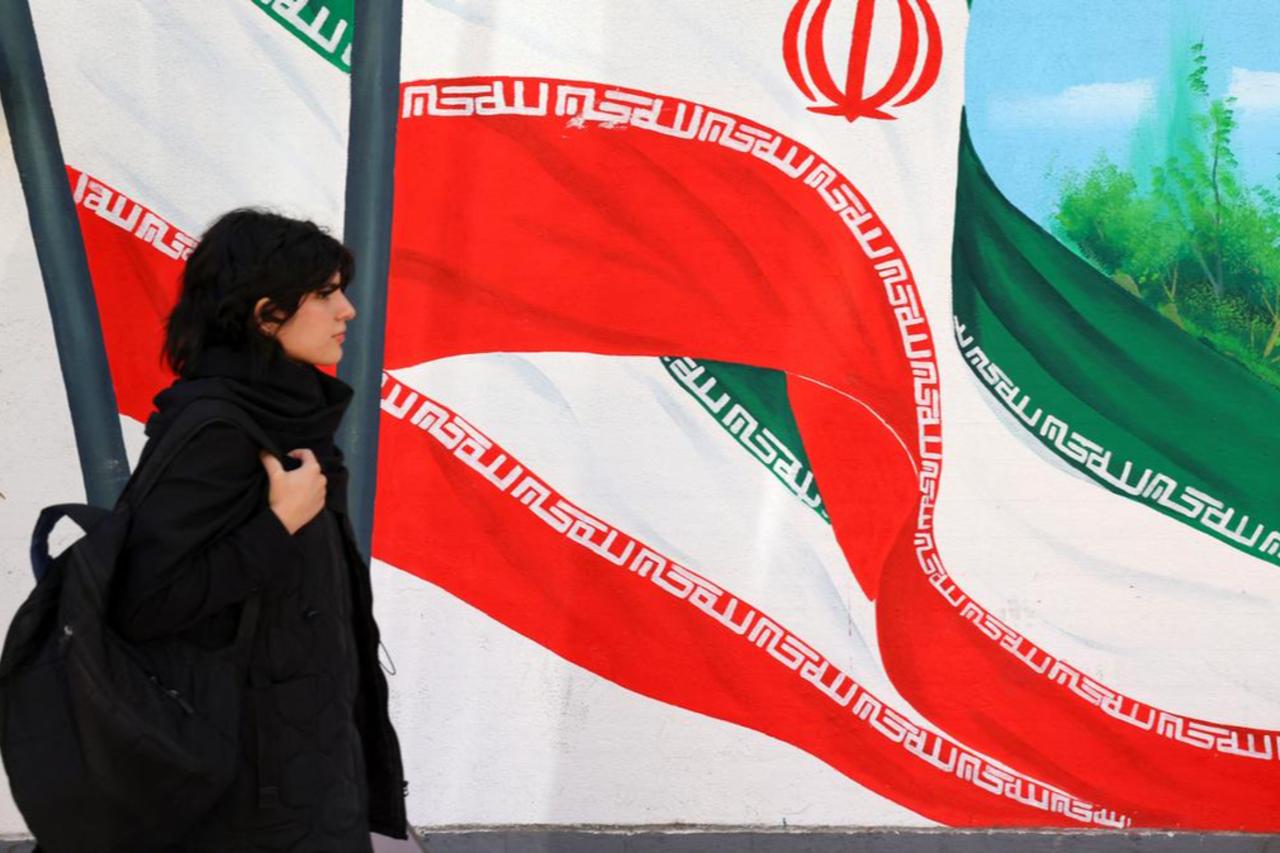


As of 2025, Iran continues to exist as a society caught between authoritarian control and the pursuit of freedom. One of the most widely discussed recent incidents on social media involved leaked footage allegedly showing the wedding of Ali Shamkhani, senior adviser to Supreme Leader Ali Khamenei.
The video, reportedly filmed in May 2024, shows Shamkhani walking his daughter down the aisle, with the bride’s elaborate gown, the ceremony’s opulence, and the groom’s bow tie drawing particular attention.
Yet the most controversial aspect on social media was the appearance of several unveiled women at the event, reigniting public debate over Iran’s mandatory dress codes and state-enforced moral oversight.
Shamkhani served as secretary of the Supreme National Security Council between 2013 and 2023 and currently remains an adviser to Khamenei.
During his tenure, he showed no reformist inclination regarding women’s rights or civil liberties; on the contrary, he had publicly described the mandatory hijab laws as the “foundation of social order.”
In a 2022 statement, he said that “preserving moral values is a fundamental duty of the state,” openly reinforcing the regime’s ideology that places women’s bodies at the center of public control.
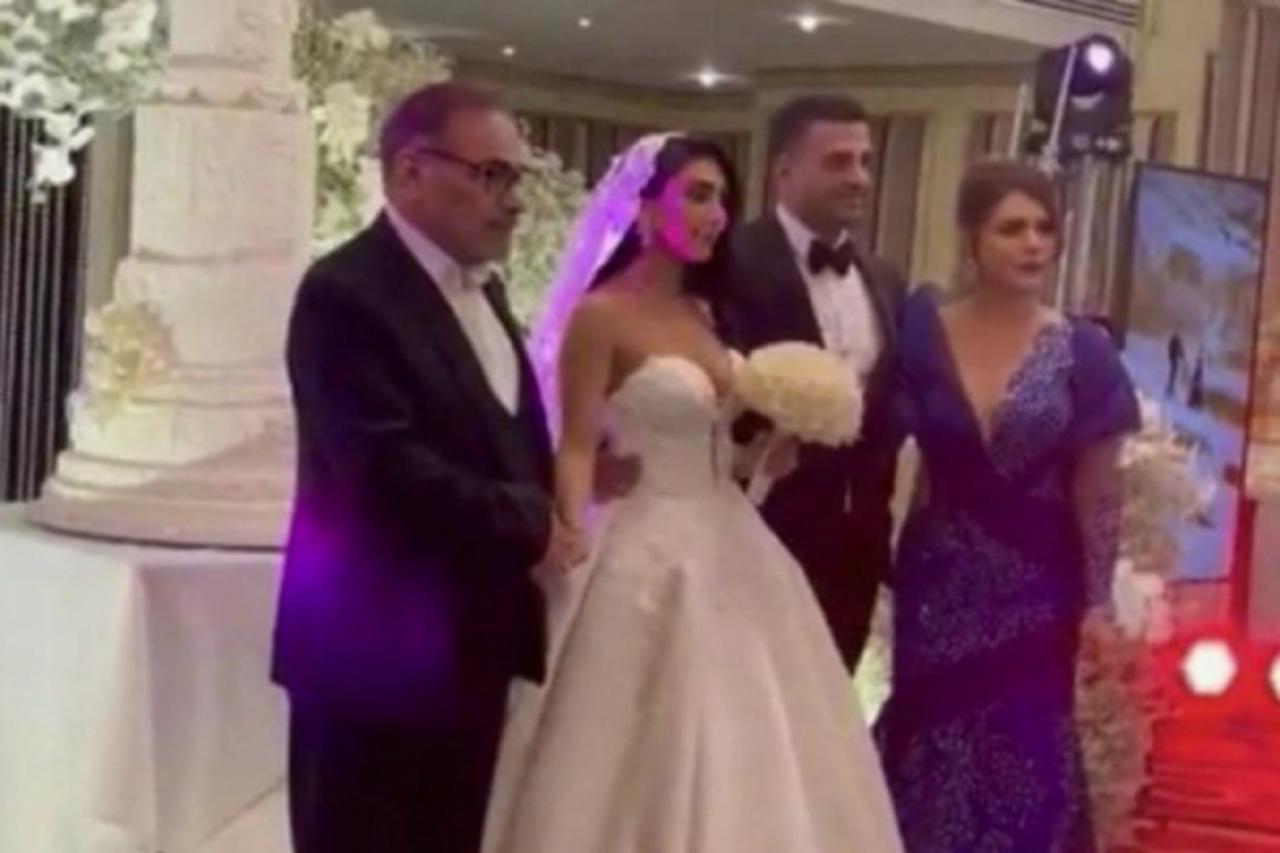

Following the video’s circulation, Iranian authorities reacted harshly. Khamenei accused Israel of being behind the leak. According to Iran International, Shamkhani himself claimed that “invading people’s private lives has become Israel’s new method of assassination.”
Figures within the regime also rushed to his defense. Former minister Ezzatollah Zarghami argued that Shamkhani “leads a low-profile life” and that “the wedding was a women-only ceremony where some guests were veiled and others were close relatives.”
Such statements, however, only underscored the deep hypocrisy within Iran’s ruling elite—a class that enforces strict moral codes on ordinary citizens while freely exempting itself from the same restrictions.
The controversy emerges amid the lasting echoes of the 2022 “Woman, Life, Freedom” (Zan, Zendegi, Azadi – WLF) movement that shook Iran’s streets.
Many observers and academics were caught off guard by the intensity of the uprising. Millennials and members of Generation Z appeared with an unexpected revolutionary energy—not only in defense of women’s rights or the right to choose but also in solidarity with ethnic minorities and queer communities whose long-suppressed struggles suddenly became visible.
The movement opened a new analytical window into Iran’s deep social inequalities and the centralizing nature of its political system.
Academic and diasporic feminist scholarship on Iran has often focused narrowly on the “history of Iranian women” or “Iranian feminism,” while overlooking the lived experiences of Kurdish, Arab, Baluch, and queer communities.
Yalda Hamidi of Minnesota State University has criticized this gap, calling for a radical democratic and anti-racist framework that centers the perspectives of marginalized groups. According to her, only by doing so can scholars and activists gain a truly inclusive understanding of both Iran’s past and its current social movements.
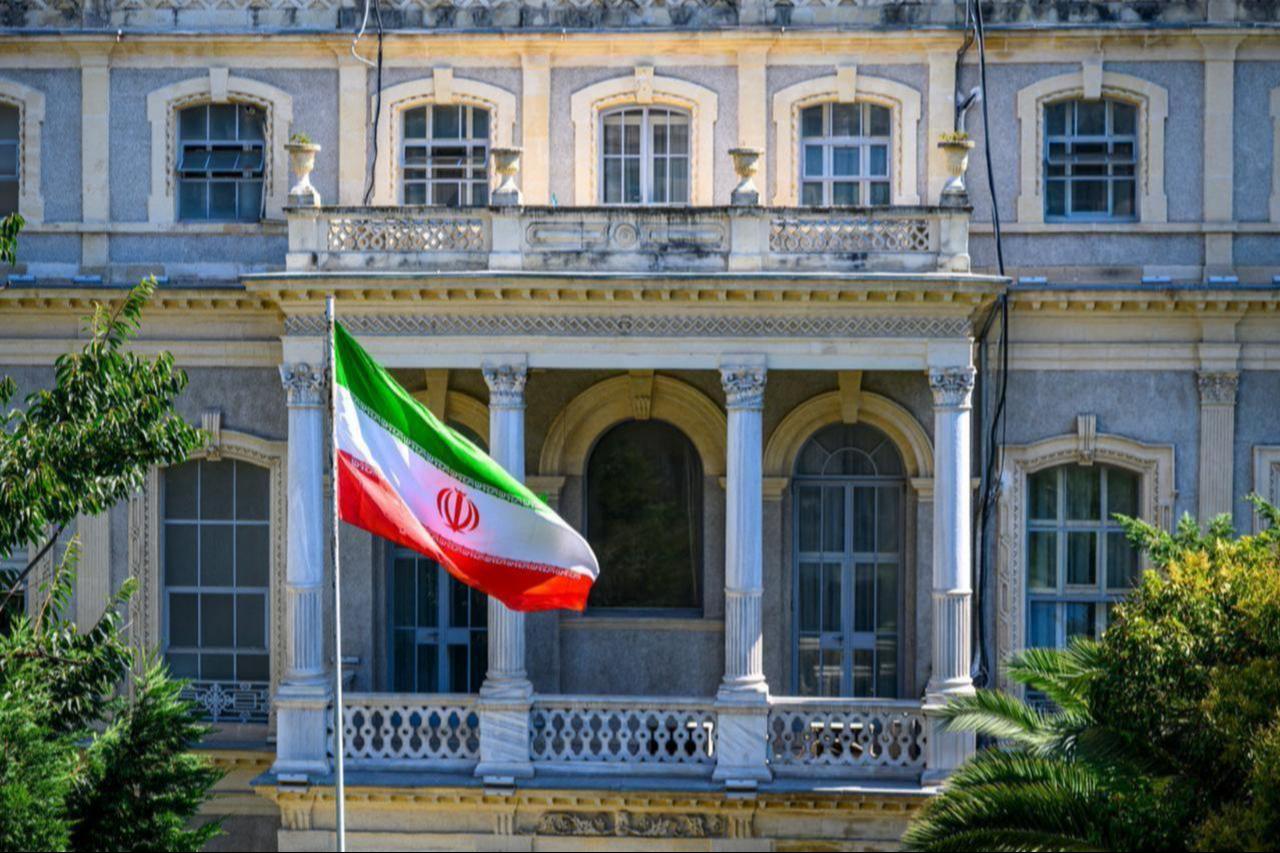
Historical examples reinforce this argument. The police assault and death of Mahsa (Zhina) Amini over alleged hijab violations exposed not only state violence against women but also the fragile relationship between the government and Kurdish-Sunni minorities.
Similarly, the arrest and torture of Baluch activist Khodanour Lajaei in Zahedan became a tragic emblem of Iran’s militarized repression of ethnic minorities. Years earlier, leaked audio from Arab women activists in Mahshahr revealed how state-directed diversion of water resources along ethnic lines devastated local communities—a stark reflection of the centralizing and quasi-colonial logic of the modern Iranian state.
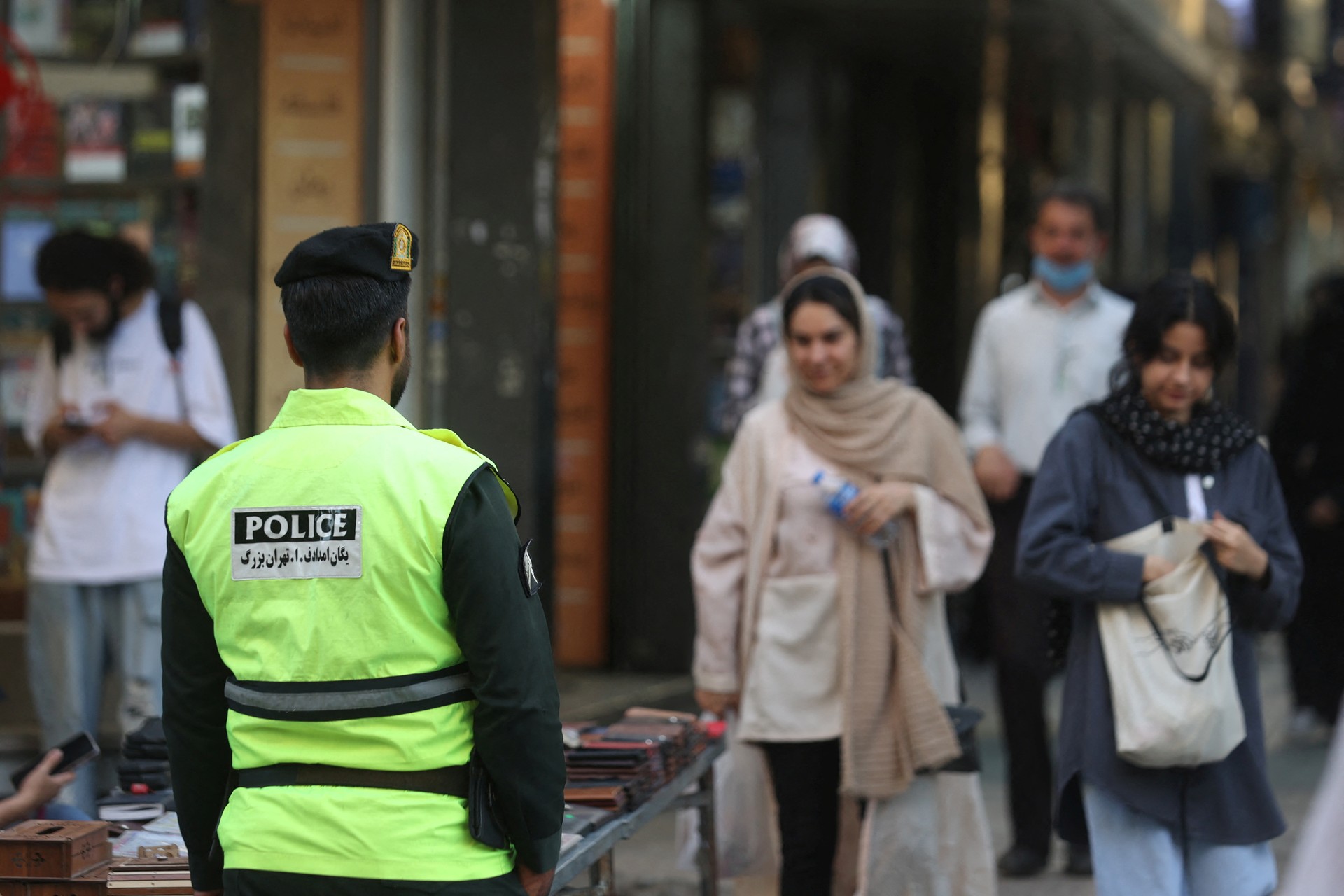
Mandatory dress codes and the operations of the so-called “morality police” function under a veneer of religious legitimacy but, in practice, serve as tools of political control that systematically restrict women’s freedoms in public life.
These mechanisms intensified under former president Ebrahim Raisi through initiatives like “Plan Noor,” designed to strengthen social surveillance. Yet Iranian women—both within and beyond the country’s borders—have become enduring symbols of defiance.
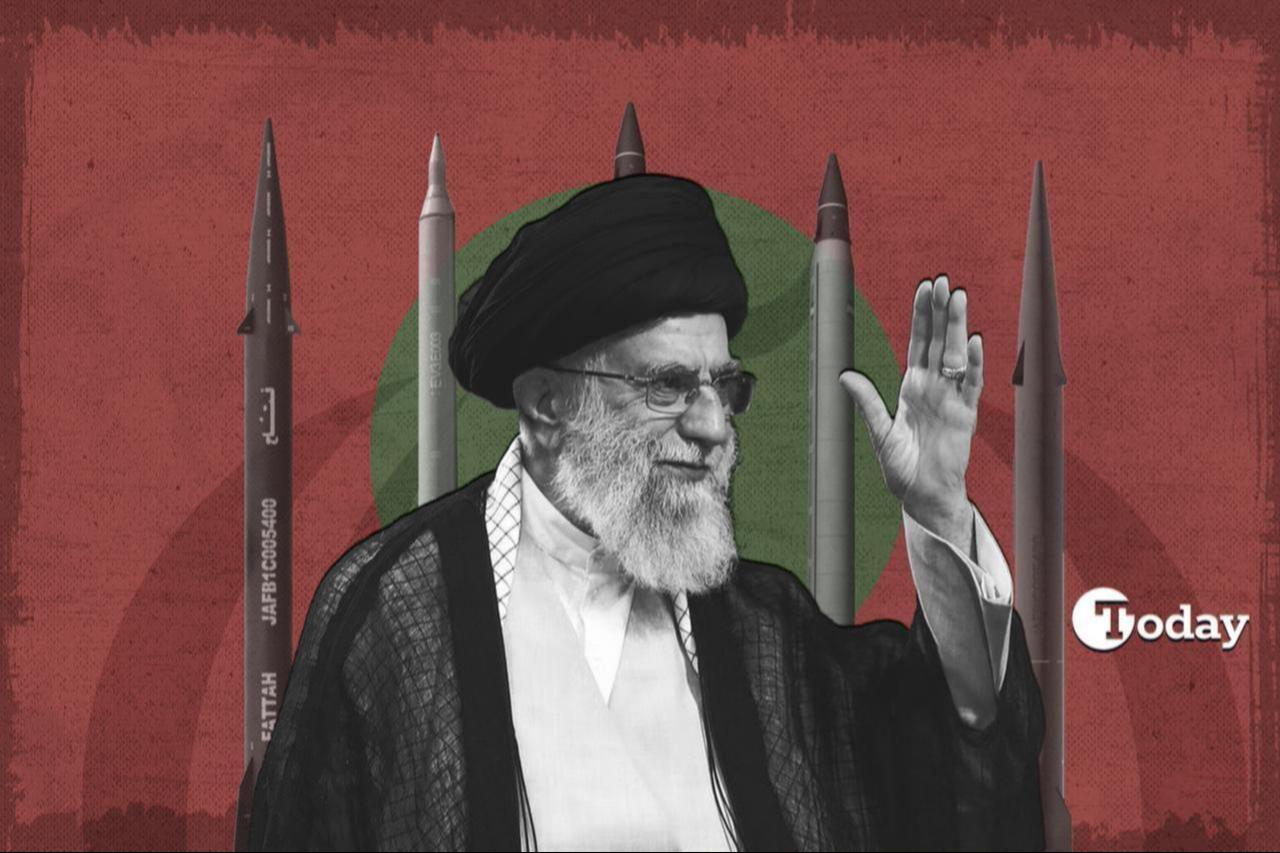
From a gender perspective, the WLF movement represents the continuation of a historical struggle. The Iranian state’s modernization and Islamization projects have long tied women’s social roles to national interests, legitimized under notions such as “Patriotic Womanhood” or “Motherhood of the Nation.”
The new generation of Iranian women’s voices, echoing through streets and online platforms, is radically redefining the demand for bodily and social autonomy. In parallel, the visibility of queer communities waving rainbow flags in defiance of heteronormative and nationalist expectations marks a collective assertion of existence.
To understand Iran’s women’s movement today, liberal or multicultural frameworks alone no longer suffice. The struggle is deeper and more layered than such categories allow.
Iran’s complex social fabric—interwoven through religion, ethnicity, class, and gender—makes it impossible to capture women’s resistance within a single ideological lens.
To read the current movement accurately means to see it as part of both a long historical continuum and a global freedom struggle.
Past events lay bare this reality: the torture and death of Baluch activist Khodanour Lajaei, Mahsa Amini’s targeting as a Kurdish-Sunni woman, and the 2019 protests led by Arab women in Mahshahr against discriminatory water policies all demonstrate that inequality in Iran is not limited to gender.
It intersects with ethnicity, class, and geography, exposing the state’s quasi-colonial governance in certain regions through resource allocation, environmental control, and selective citizenship rights.
Within this climate, the queer community’s pursuit of visibility has advanced in parallel with women’s activism. In religious centers like Qom, the act of carrying rainbow flags now symbolizes a collective demand for existence itself. Meanwhile, queer Iranians in the diaspora have carried this struggle onto the global stage through social media campaigns and cultural activism.
The protests following Mahsa Amini’s death revealed that the call for women’s freedom in Iran is not merely symbolic but fundamentally political.
Figures such as Narges Mohammadi continue the fight from prison, preserving the movement’s collective memory, while activists abroad—including Kiana Malek and others—amplify these voices internationally.
Today, the feminist struggle in Iran faces two primary tasks: to expose the domestic structures that sustain inequality and to transform this struggle into a transnational network of solidarity.
The slogan “Woman, Life, Freedom” thus encapsulates not only resistance but also the will to reconstruct Iran itself.
The voices of women, ethnic minorities, and queer communities form the foundation of a new social contract. The Iranian struggle for freedom has transcended borders, identities, and ideologies—emerging as a universal call for human dignity.


 Set as preferred source
 Set as preferred source


 1 min read
 1 min read