Newsletters


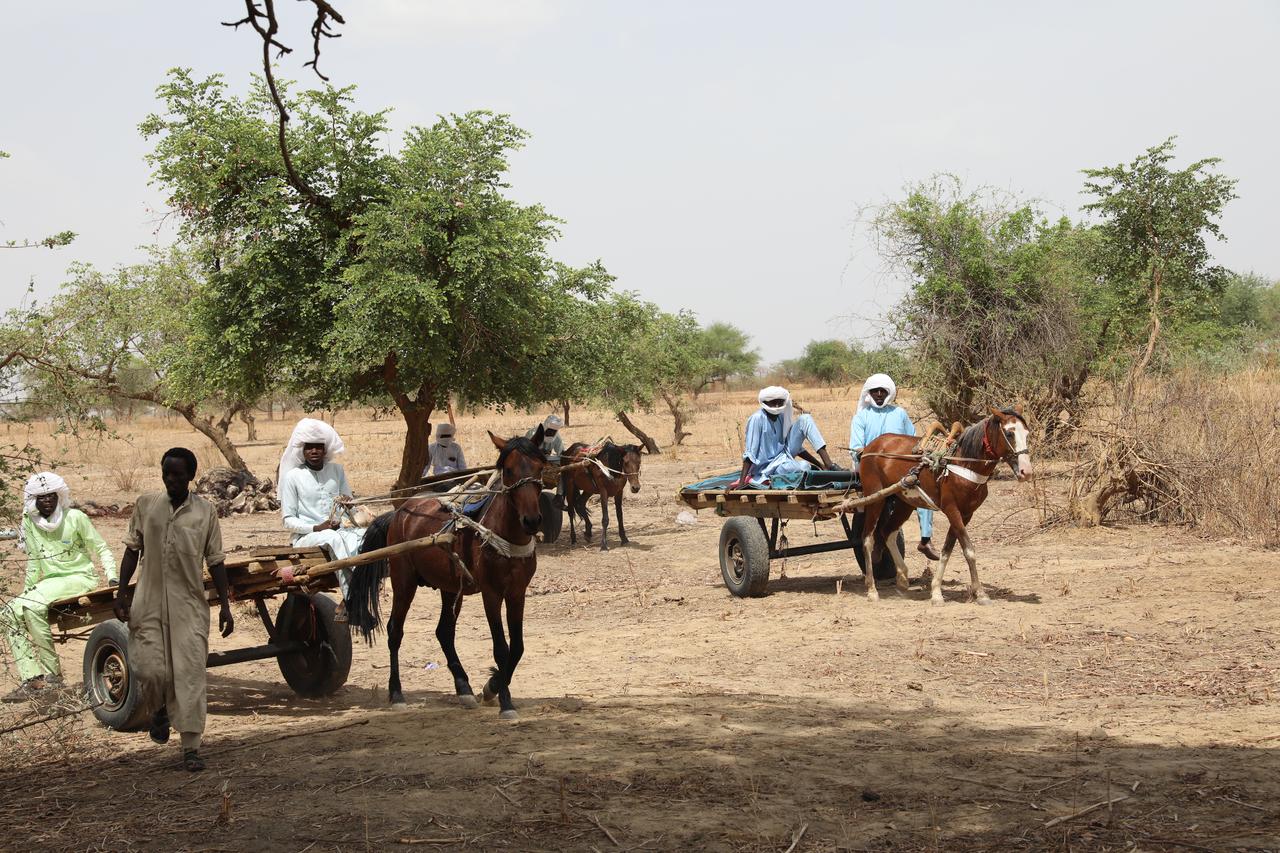


Several African countries are resisting new U.S. aid agreements that reportedly require access to sensitive health data and, in some cases, preferential access to critical minerals in exchange for funding to combat diseases such as HIV/AIDS, tuberculosis and malaria.
According to a report published by The Wall Street Journal on Saturday, Zimbabwe, Ghana and Zambia have either rejected or delayed negotiations over aid packages proposed by U.S. President Donald Trump’s administration, citing concerns over sovereignty, privacy and economic interests.
The administration’s new approach reportedly links foreign assistance more directly to U.S. strategic and economic objectives under its “America First” agenda, replacing traditional aid programs with bilateral government-to-government agreements.
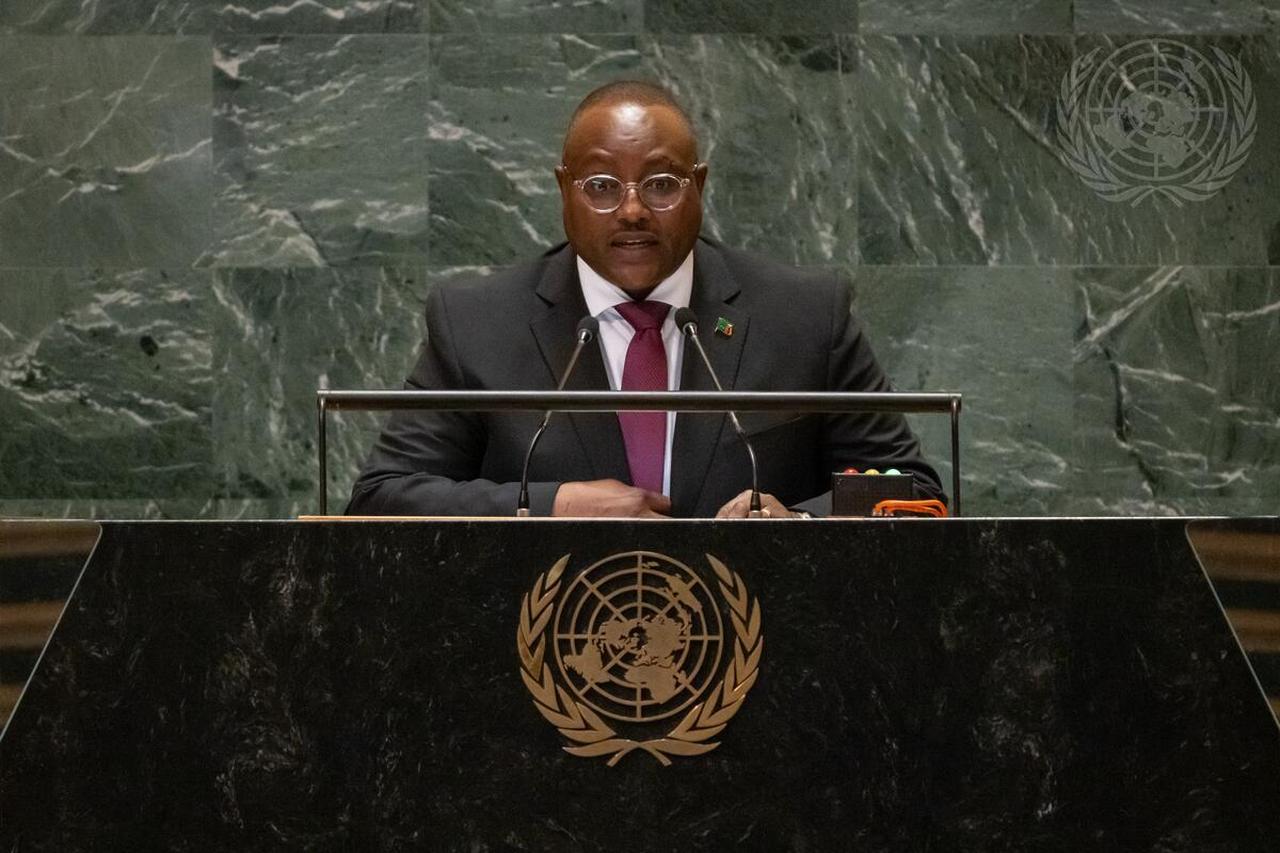

Zambia has emerged as one of the most vocal critics of the proposed terms.
The Wall Street Journal reported that negotiations over a potential $2 billion aid package stalled after Lusaka objected to U.S. demands related to critical minerals, preferential treatment for American companies and access to private health data.
“Zambia has a duty to protect its people’s interests, just as the U.S. protects its citizens,” Zambian Foreign Minister Mulambo Haimbe said earlier this month, according to the report.
The newspaper said nearly two dozen countries in sub-Saharan Africa have accepted similar agreements, including the Democratic Republic of Congo, which reportedly signed a five-year, $900 million health aid deal after concluding a separate minerals agreement with Washington.
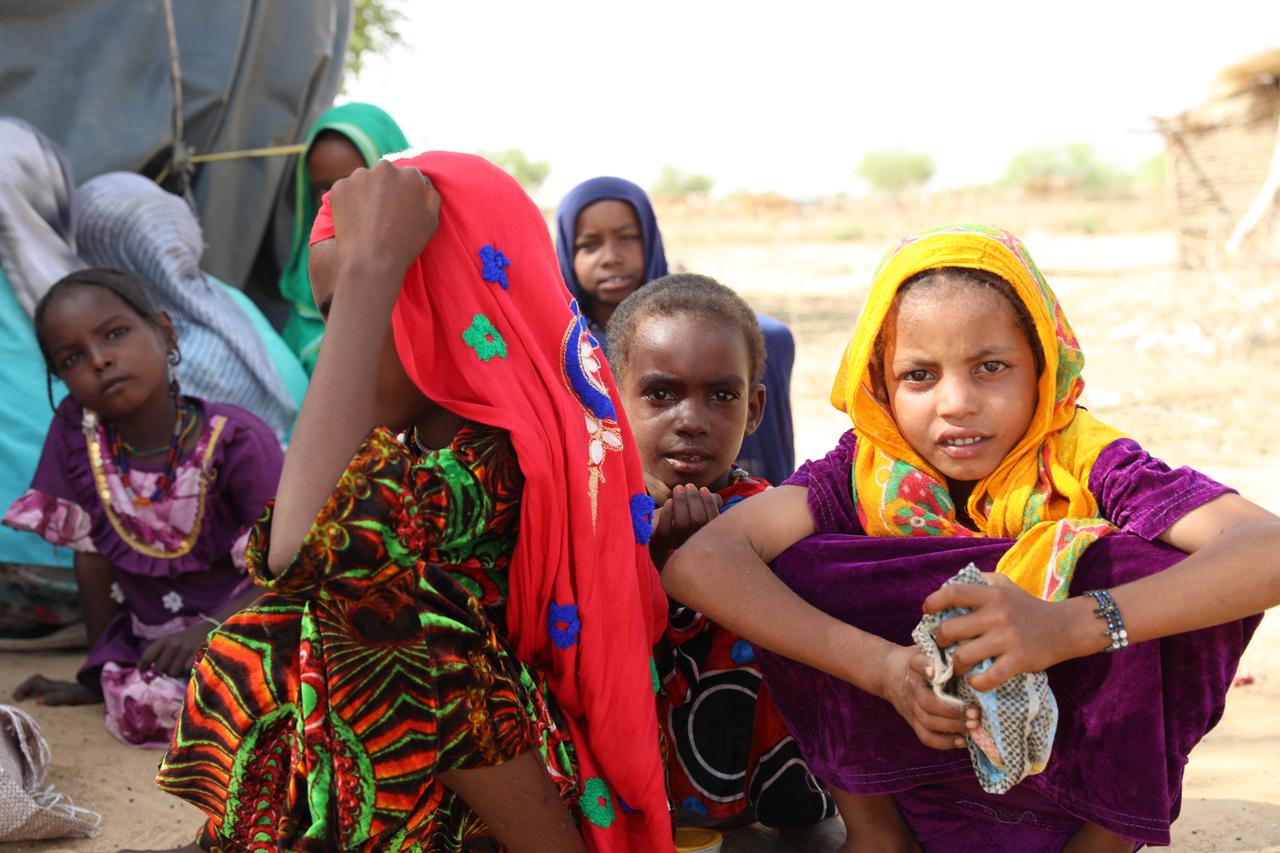
The Trump administration has defended the new policy, arguing that recipient countries should assume greater responsibility for financing their own healthcare systems and reduce long-term dependence on U.S. assistance.
A State Department spokesperson told The Wall Street Journal that the previous model of global health assistance amounted to an open-ended subsidy with limited accountability and that the new agreements encourage countries to invest more of their own resources in healthcare.
According to the report, agreements signed so far could provide nearly $13 billion in U.S. funding over the next five years while requiring participating countries to contribute billions of dollars of their own funds alongside American assistance.
The policy has also drawn criticism from lawmakers and advocacy groups.
According to The Wall Street Journal, Democratic senators urged Secretary of State Marco Rubio to reject proposals that could link lifesaving HIV treatment programs to U.S. access to Zambia’s copper sector.
Concerns have also emerged over reported U.S. requests for health and pathogen data.
Critics argue that such provisions could weaken African countries’ control over sensitive medical information and reduce their leverage in future negotiations involving vaccines, treatments and public health cooperation.


 Set as preferred source
 Set as preferred source


 1 min read
 1 min read