Newsletters




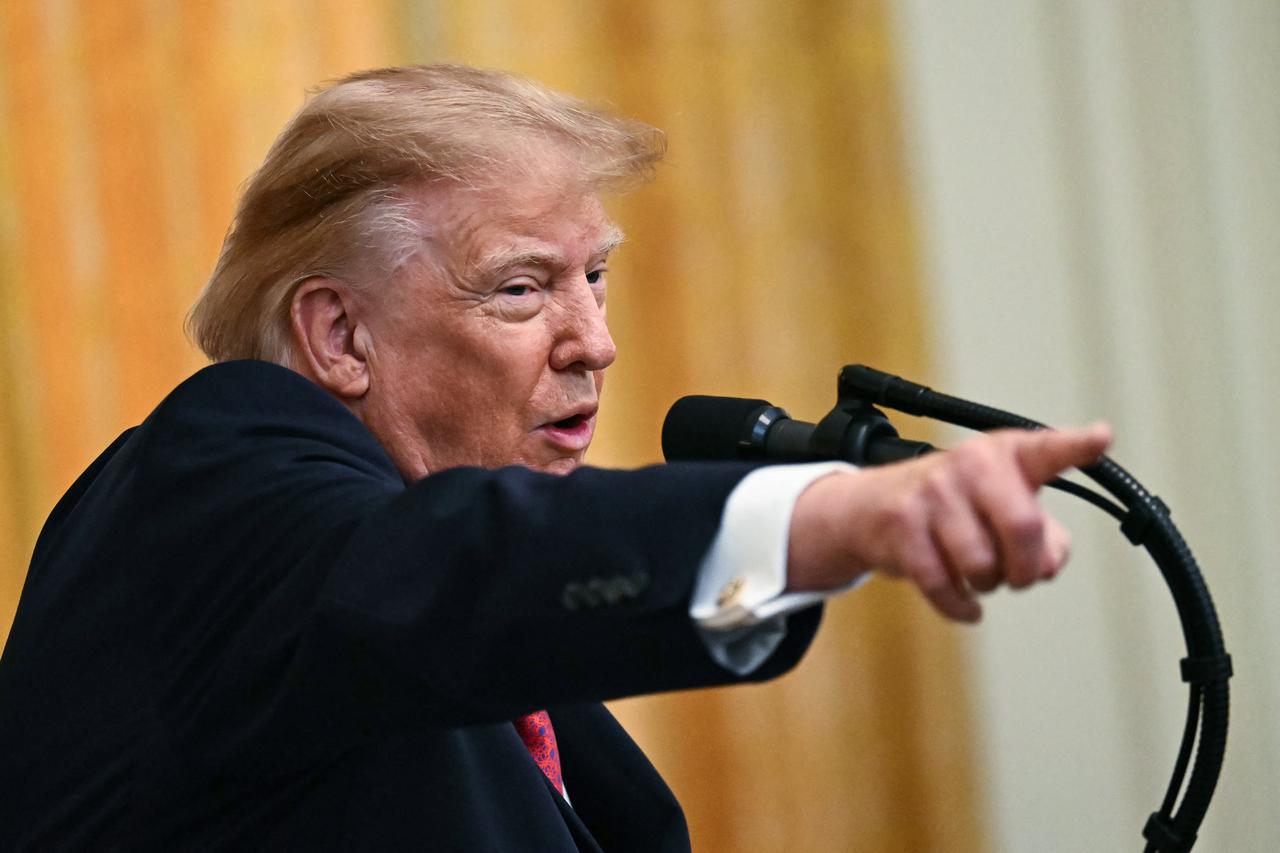
Germany’s Deputy Defense Minister Nils Schmid said that this week's Ankara summit will prove to U.S. President Donald Trump that European allies are taking on a larger share of NATO's defense burden.
"Trump can be sure that burden shifting is not just a slogan, it's in action, and we've seen this not only in Germany, but among other European member states," Schmid told Anadolu Agency (AA).
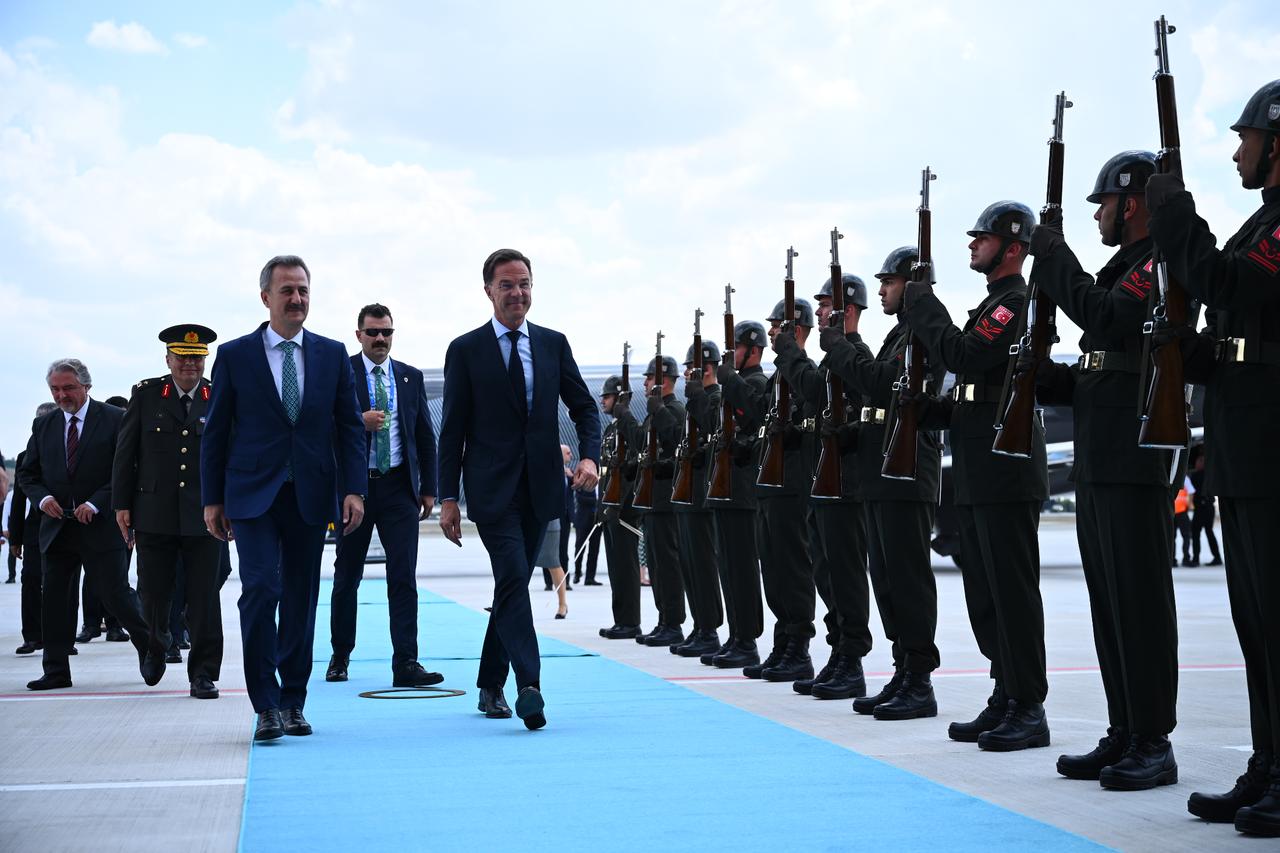
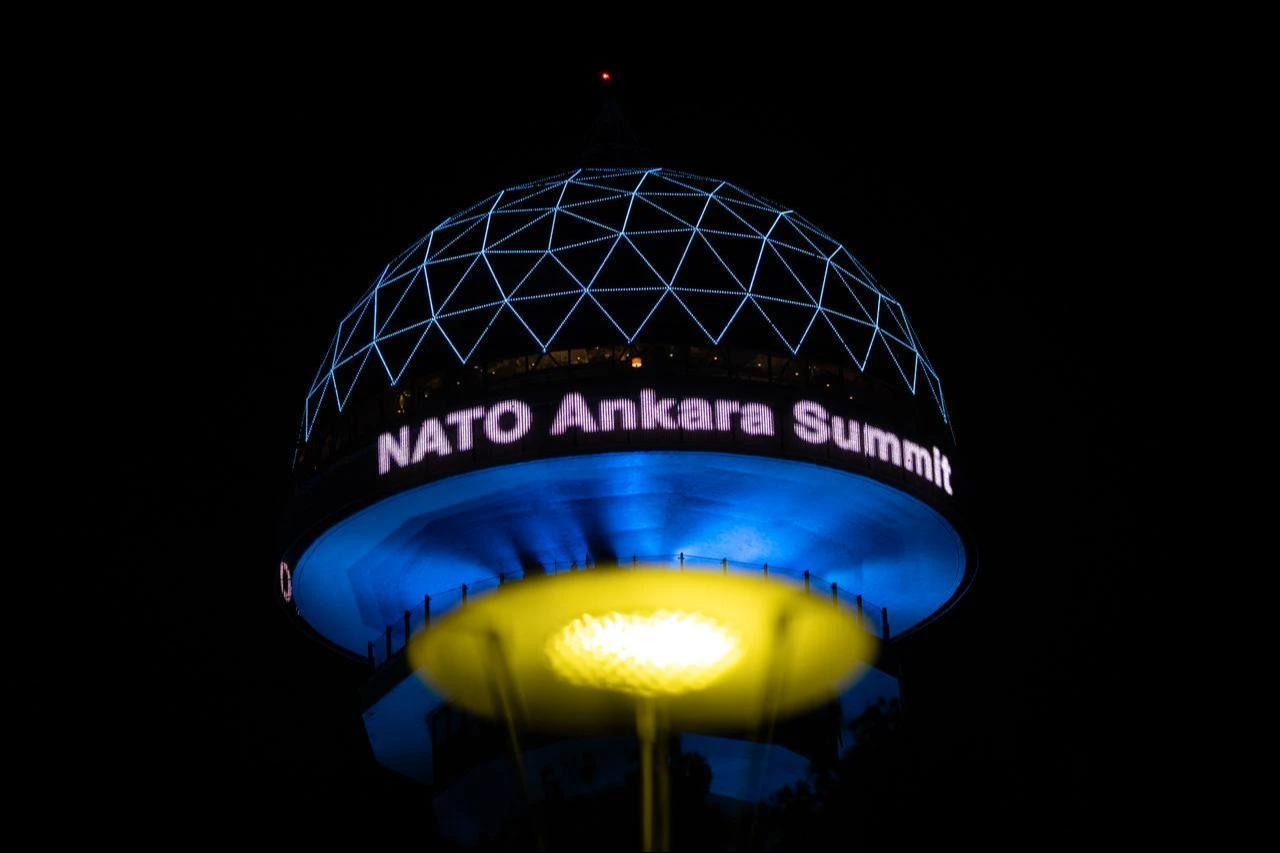
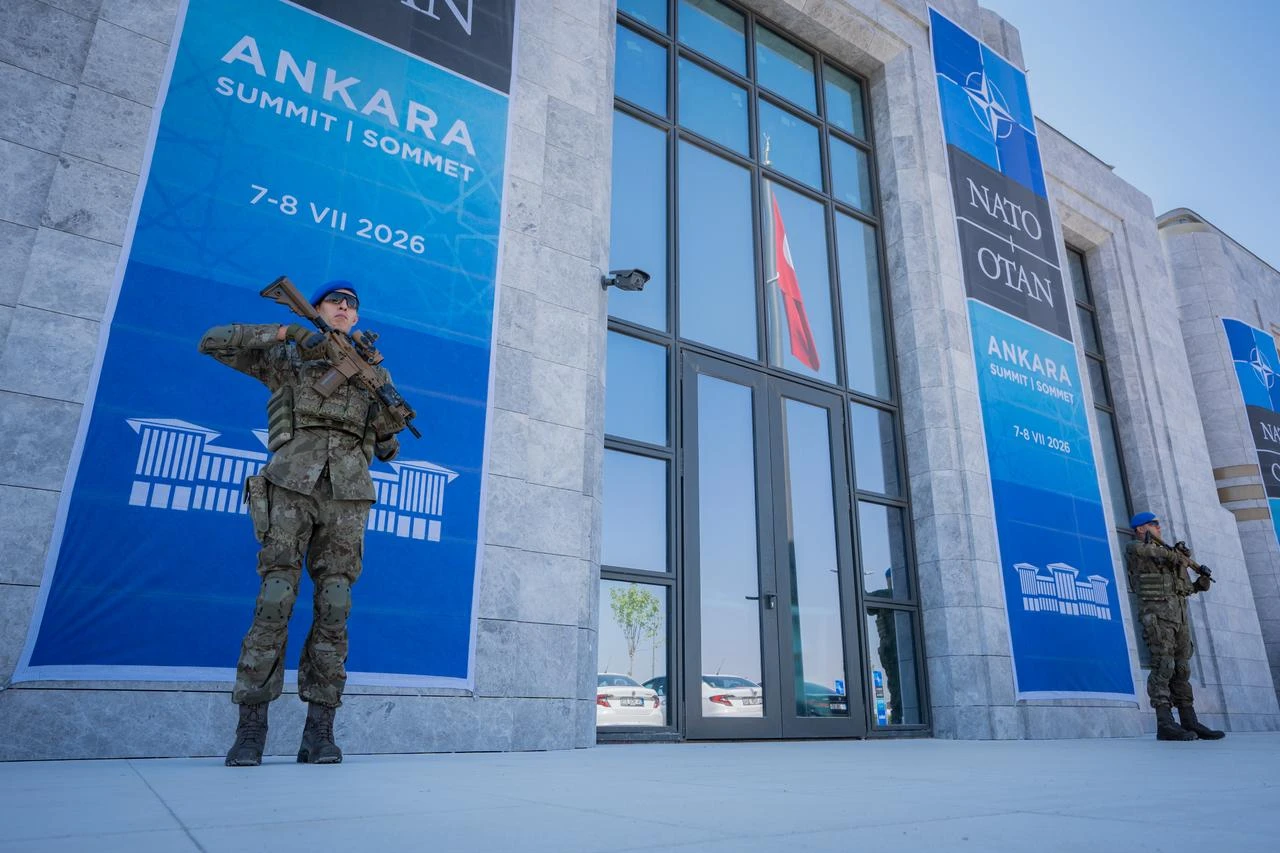
The July 7-8 summit in Türkiye's capital will bring together leaders from all NATO members, along with top military commanders and defense and foreign ministers. Trump is expected to attend after months of strained relations with European allies.
Schmid said Germany expects the summit to send "a clear signal of unity," strengthen the transatlantic bond and show that NATO remains the central institution for collective defense.
Responding to Trump's criticism that European allies are not contributing enough to NATO, Schmid said members have already started increasing defense budgets and moving toward targets set at NATO's 2025 Hague summit.
Leaders at the Hague agreed to raise the benchmark for core defense spending to at least 3.5% of gross domestic product, up from 2%.
"I would like to note that all European allies now pass the threshold of the 2% spending target, which was set for the last period in NATO, and now more and more of the European allies are well on the way to bring their military expenditure up to 3.5% of GDP," Schmid said.
He said Germany, NATO's second-largest economy after the U.S., is set to meet the 3.5% target by 2029, ahead of the 2035 deadline.
At the Ankara summit, allies are expected to review progress on spending targets and seek clarity on strategic issues, including the future of U.S. security guarantees for Europe, possible changes in American troop levels on the continent and whether Washington will maintain key military capabilities to support European defense.

The discussions come after U.S. Defense Secretary Pete Hegseth announced a Pentagon "NATO 3.0 review" of America's military footprint in Europe. He said the review would accelerate a "fast and irreversible" shift toward greater European self-reliance and free U.S. forces for broader global priorities.
Schmid said the Trump administration's plan to reduce troop levels in Europe did not come as a surprise, noting that previous U.S. administrations had also signaled a shift as Washington's strategic focus moved from Europe to the Indo-Pacific.
European allies are preparing to address any gaps in personnel and capabilities, he said, but added that any drawdown must be carefully coordinated.
"In terms of capabilities, we are very confident that Europeans can work together to fill gaps that may arise over the coming years," Schmid said.
"The important thing is that we are doing this in a coordinated manner among allies, meaning that there should be a roadmap for us, NATO members in Europe, if and when American key elements, military elements, will be withdrawn."
Schmid said Germany is working with European NATO allies and European Union partners to adapt to the new phase by strengthening military capabilities, expanding defense industry cooperation and accelerating the development of advanced weapons.
"We need NATO to become more European so it can remain a strong transatlantic bond," he said.
He said new EU defense initiatives should complement NATO structures rather than duplicate them, and that cooperation should include non-EU NATO partners.
"For us, it's important to have venues of cooperation with NATO partners which are not members of the EU. And I'm confident that partner countries like Great Britain, Norway, but also Türkiye can be very helpful in that," Schmid said.
Schmid noted that cooperation with non-EU NATO members is crucial as the alliance prepares for 2029. European politicians and alliance military assessments frequently cite that year as the point when Russia could pose a more direct threat and potentially attack a member state in Eastern Europe.
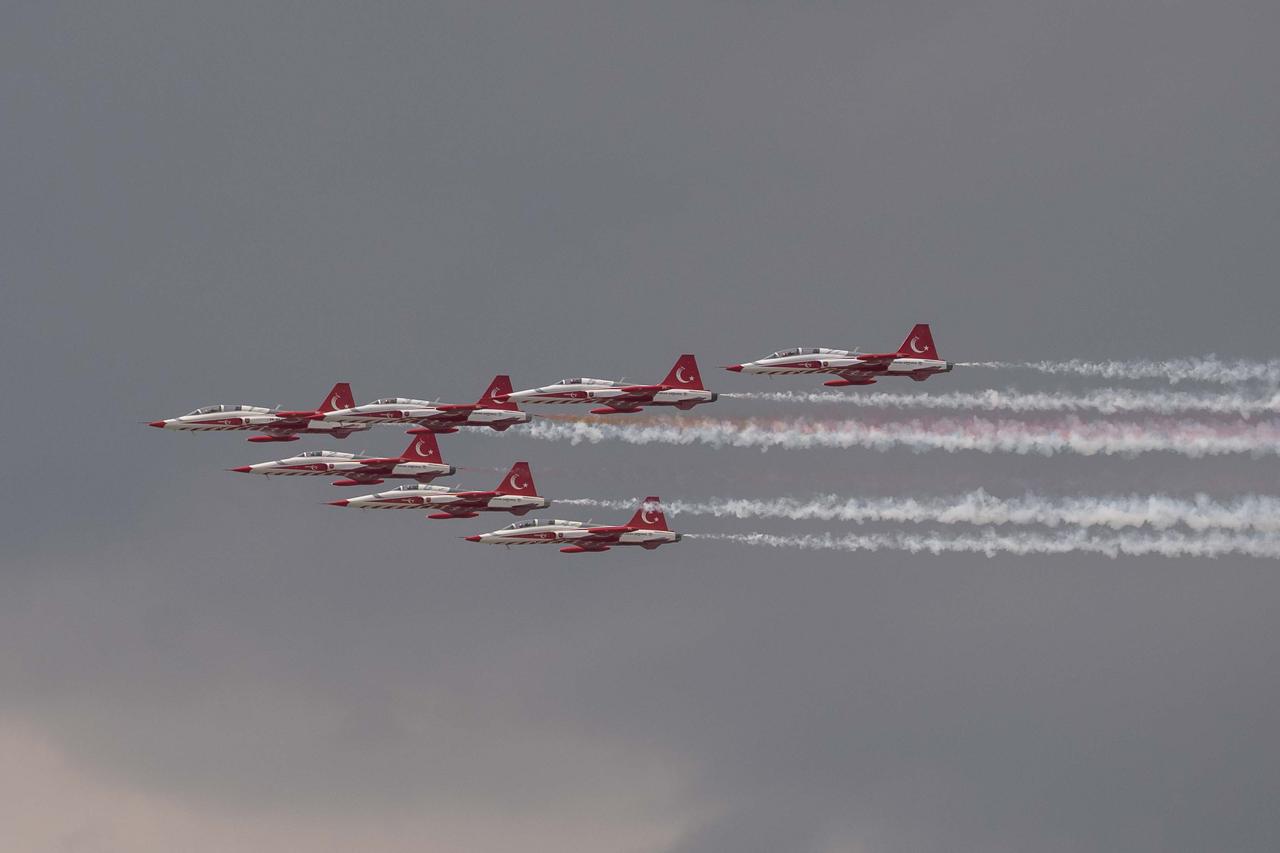
Schmid said the Ankara summit will also demonstrate Türkiye's growing role in NATO and European security.
"Türkiye plays a vital role in NATO and for European security. And this has been demonstrated over the course of the last few years," he said.
He pointed to Russia's war against Ukraine and conflicts in the Middle East as issues that have underscored Türkiye's importance for European allies.
"Security in the Black Sea, stability at the southern flank of NATO can only be provided through Türkiye and its armed forces. So Türkiye has always been an essential element of the NATO defense posture and will remain so," Schmid said.
He added that Türkiye's importance is also clear concerning the Middle East.
"And that's why the Ankara summit is a good demonstration of Türkiye's essential role inside NATO now," he said.
Schmid said Germany is exploring closer defense industry cooperation with Türkiye as European allies work to take more responsibility for Europe's defense and security.
He said the Defense Industry Forum, to be held on the sidelines of the NATO summit in Ankara, will provide a major opportunity for talks between European, German and Turkish defense companies.
"We see that Türkiye's defense industry has grown over the last few years. And we've seen that new technologies are evolving in the field of drones, but also deep precision strikes. And so, we are exploring different possibilities," Schmid said.
He named long-range missiles as one possible area of cooperation to help close gaps in Europe's long-range missile capabilities.
"We are looking at different options for long-range missiles. And as Defense Minister Boris Pistorius said, of course, we are also looking at ideas coming from Türkiye," Schmid said, referring to the German defense minister.
He said Germany's main principle is to fill capability gaps as quickly as possible and that different technological options may help meet capability targets.
"We have learned to have a wider look at potential cooperation partners. And in this context, of course, as Minister Pistorius said, we are also looking at Turkish products," Schmid said.
His remarks confirmed earlier media reports of German interest in Yildirimhan and Tayfun missiles, which are currently under development.


 Set as preferred source
 Set as preferred source


 2 min read
 1 min read