Newsletters


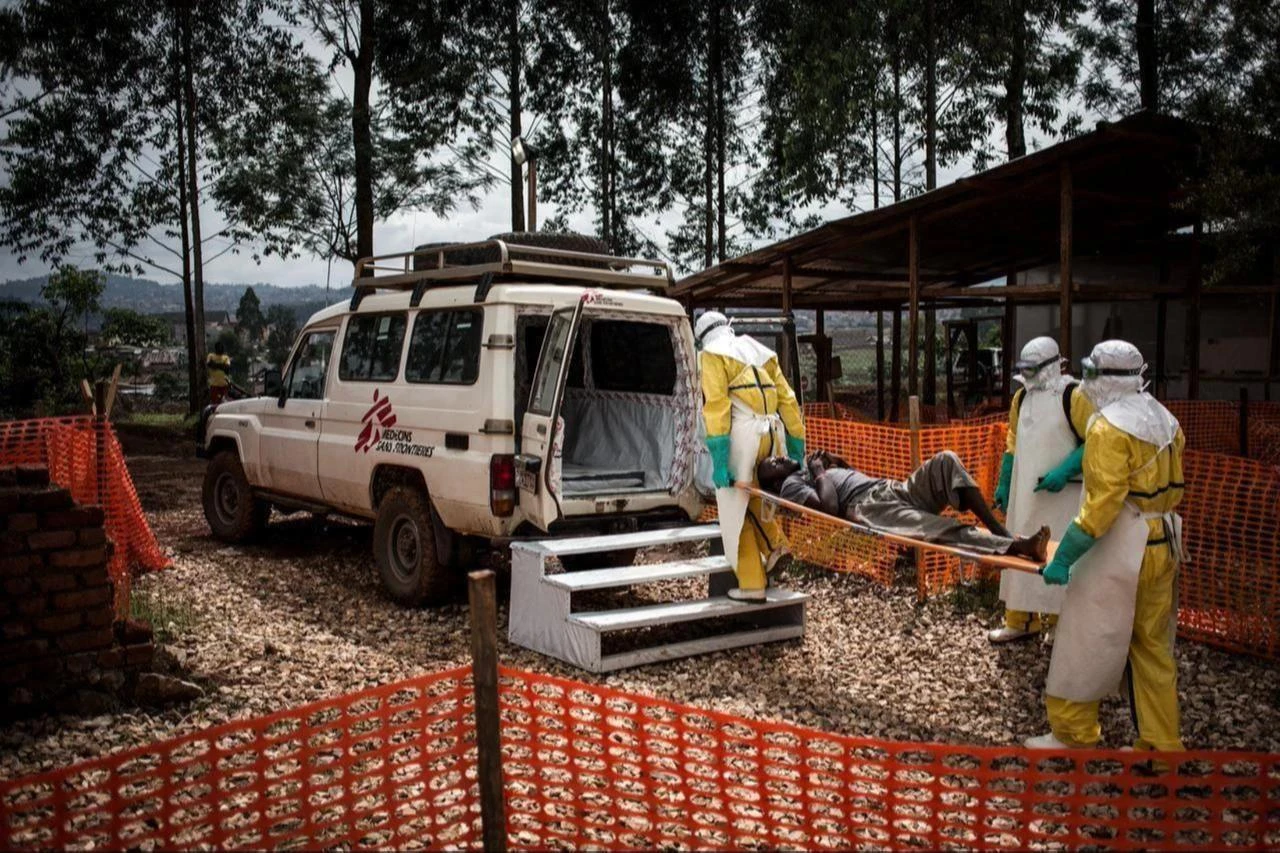


More than 2,000 people have died from the Ebola virus in the Democratic Republic of Congo since the outbreak began in mid-May, health authorities said Tuesday, as infections rapidly spread.
A Health Ministry situation update showed confirmed cases have reached 4,381, including 2,011 deaths. The overall case fatality rate stands at 45.9%.
The epidemic has affected 53 health zones across five provinces: Haut-Uele, Ituri, North Kivu, South Kivu and Tshopo, located in the northeastern and eastern regions of the country.
Ituri, a province bordering Uganda, remains the epicenter of the outbreak, which is caused by the Bundibugyo virus strain and continues to show sustained transmission.
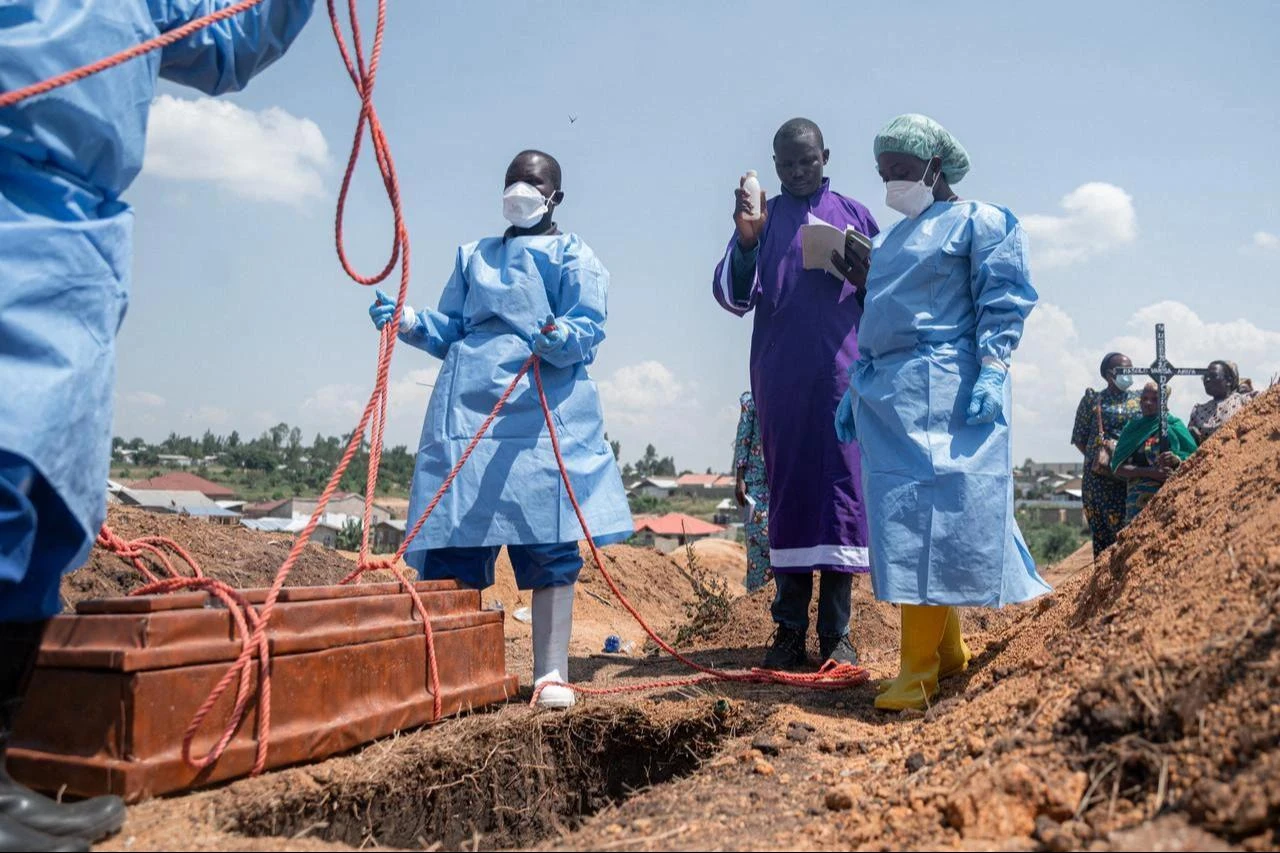

Speaking to reporters in Bunia, the provincial capital of Ituri, on Monday, World Health Organization (WHO) Regional Director for Africa Mohamed Yakub Janabi said between 60% and 70% of deaths are being reported outside treatment centers.
Janabi said the virus is spreading faster than initially anticipated.
"We are chasing the virus. The virus is ahead of us," he said.
The WHO has noted that the virus could have been circulating for months before the outbreak was detected, based on genetic sequencing data.
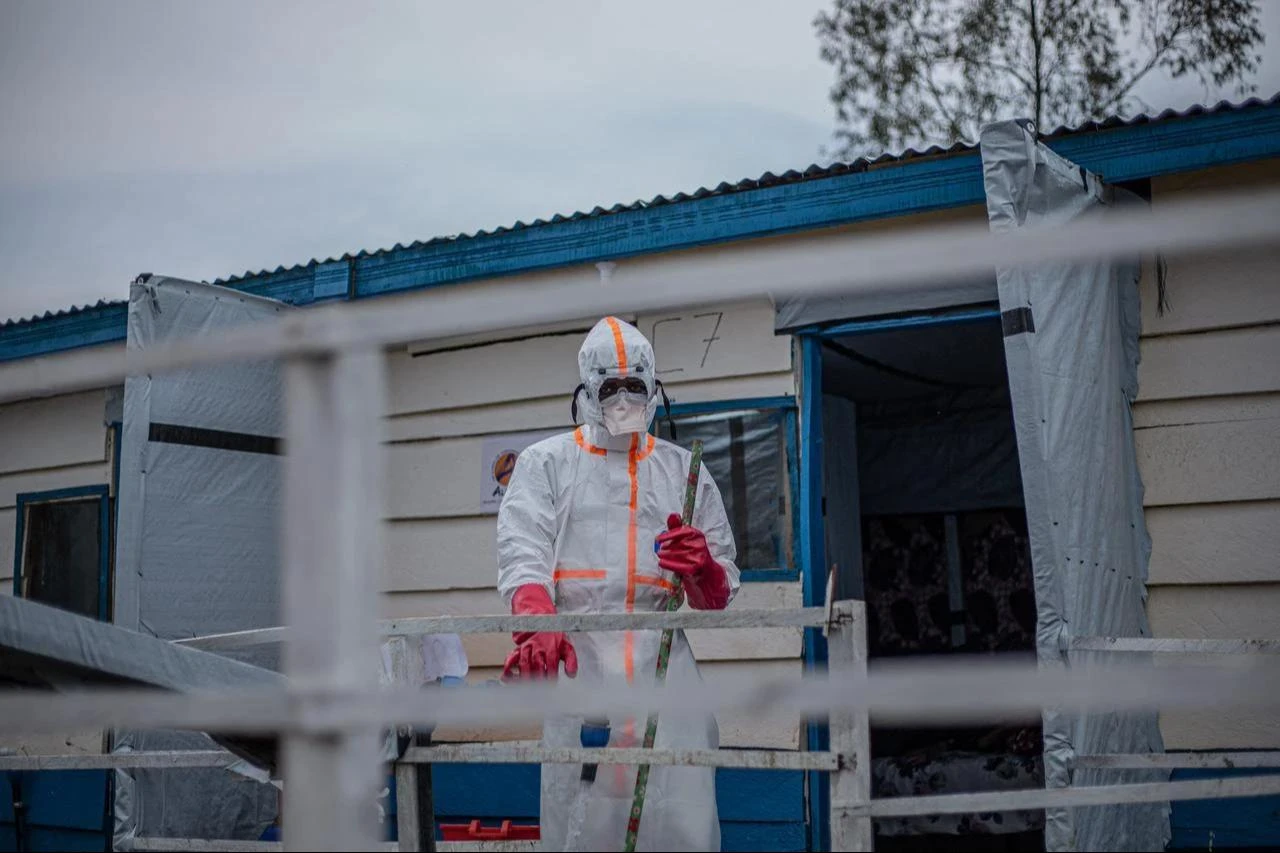
No vaccine or specific treatment has been approved to date for the Bundibugyo virus strain.
However, a WHO technical advisory group has recommended that the Ervebo vaccine be prioritized for inclusion in a randomized clinical trial in the context of the ongoing outbreak.
The recommendation follows a review of new data on Ervebo, currently the only licensed vaccine for Ebola virus disease.


 Set as preferred source
 Set as preferred source




 3 min read