Newsletters



Europe's climate monitor announced Thursday that August was the hottest month ever recorded around the world and cautioned that conditions could still worsen, as an unprecedented El Nino pattern grows stronger.
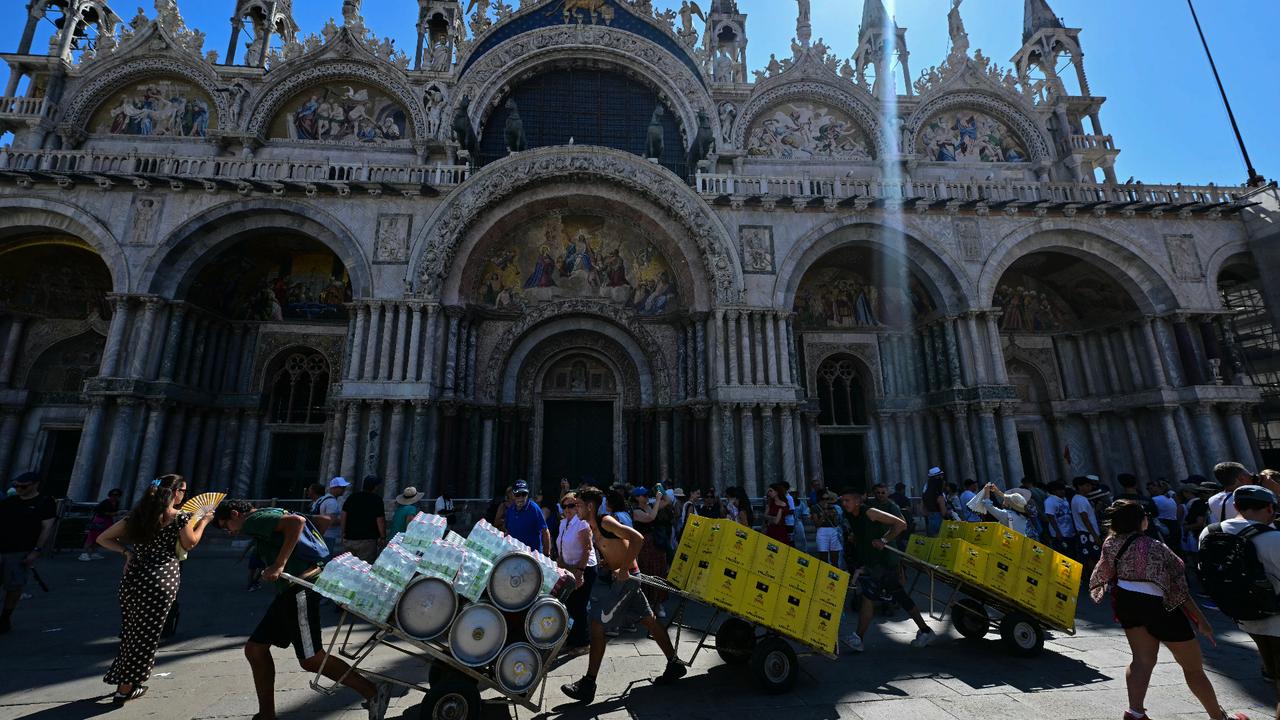
Global temperatures over land and sea climbed to all-time highs in August, closing out an extreme summer of heatwaves and wildfires that ranked among the hottest on record for western Europe and the contiguous United States.

The Copernicus Climate Change Service put global average air temperatures in August at 16.96 degrees Celsius, surpassing by 0.01°C the previous record for a single month set in July 2023.
Given the narrow margin, the EU monitor treated the two months as tied for the top spot.

Copernicus records extend back to 1940, though data drawn from ice cores, tree rings and coral skeletons frame today's climate within a much starker historical context.

"Humans haven't seen temperatures as hot as today for, arguably, at least the last 100,000 years," Samantha Burgess from the European Centre for Medium-Range Weather Forecasts, which oversees Copernicus, told Agence France-Presse (AFP).

U.N. climate chief Simon Stiell said the "evidence is irrefutable: this is the spiralling price of humanity's fossil fuel addiction".
The exceptional summer also drove ocean temperatures to record highs for a third consecutive month, said Simon van Gennip from Mercator Ocean International on Thursday.
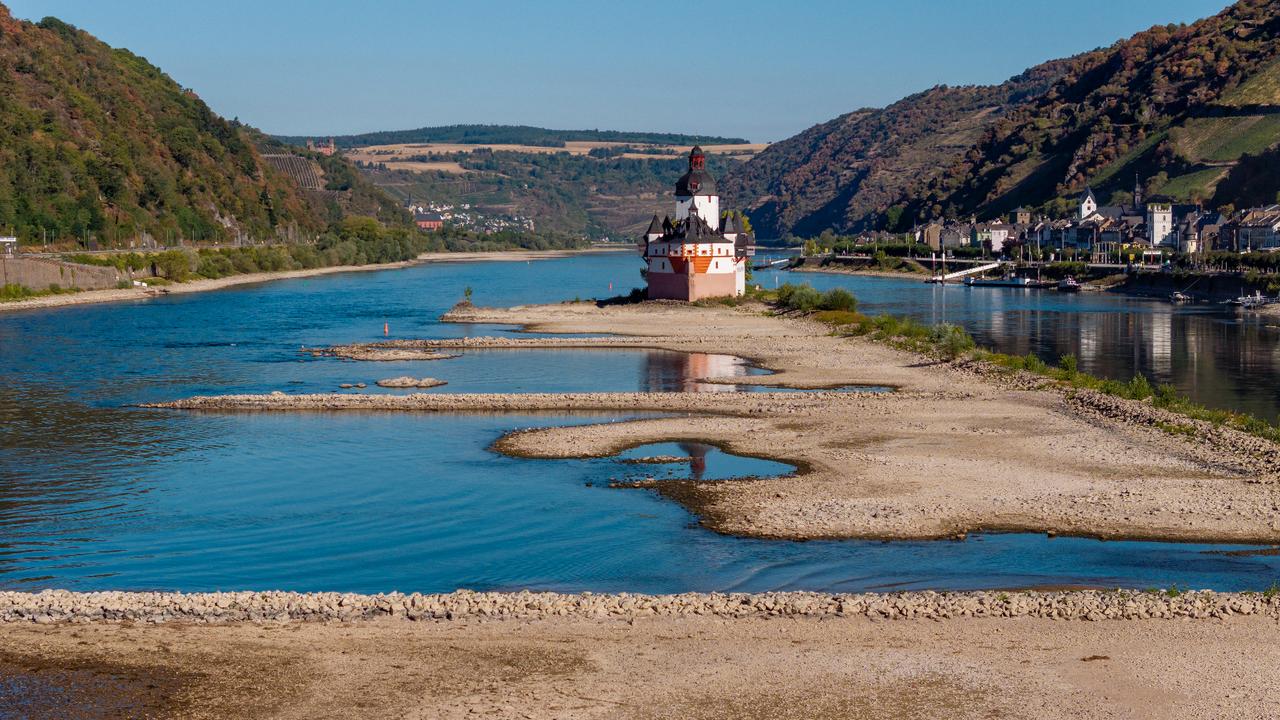
Some overheated ocean basins saw marine heatwaves last more than 60 days, "highlighting just how unusual and persistent" the situation was, he said.
Global sea surface temperatures reached a new all-time daily high in August, matching the hottest month for oceans ever recorded.
Copernicus pointed to global heating from burning coal, oil, and gas as the primary cause, alongside sharply rising temperatures in the Pacific, where a historic El Nino continues building strength.

El Nino episodes are characterised by unusually warm Pacific waters but trigger major global changes in rainfall and winds, raising the odds of wild weather thousands of miles away.

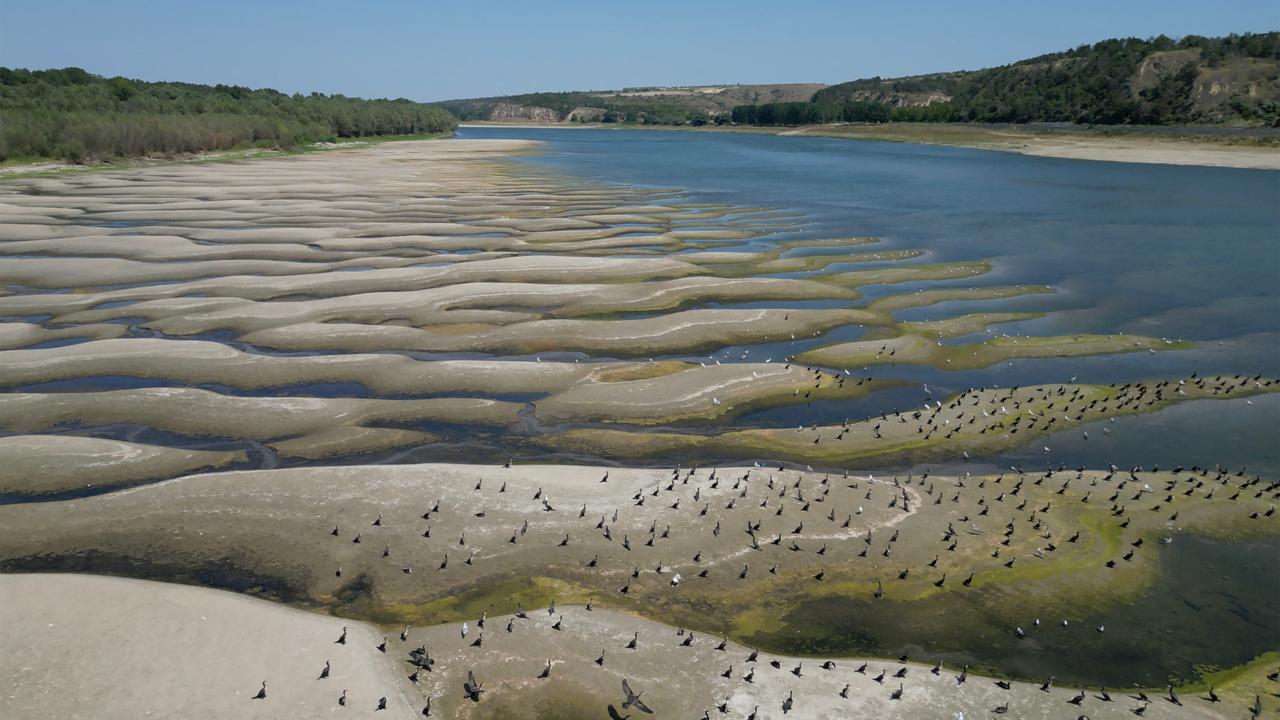
Forecasters around the world predict this year's event will peak later this year at an intensity never observed in the modern era. The season brought severe, back-to-back heatwaves that closed schools, dried rivers, and left land primed for devastating wildfires.
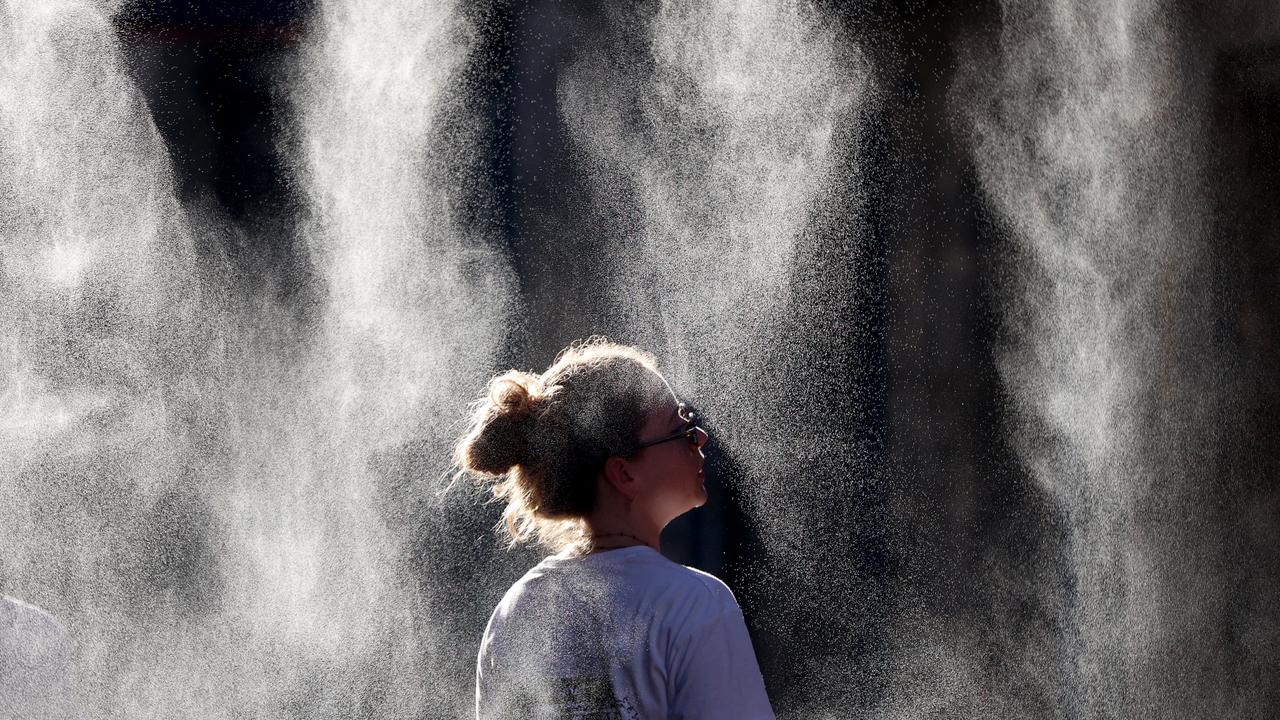
Europe's EuroMomo monitoring platform estimated more than 32,000 excess deaths across the continent between mid-July and mid-August. Extreme heat wasn't confined to Europe, either—Copernicus noted the June-to-August period tied with 2024 as the warmest globally on record.

An AFP analysis of Copernicus data found that roughly 900 million people lived through the hottest July ever observed. NOAA, the U.S. National Oceanic and Atmospheric Administration, said Wednesday that the contiguous United States recorded its hottest summer on record.

Burgess described the summer as "exceptional," but warned the climate would "continue to get more extreme unless we turn off the tap to global emissions."


 Set as preferred source


 1 min read