Newsletters


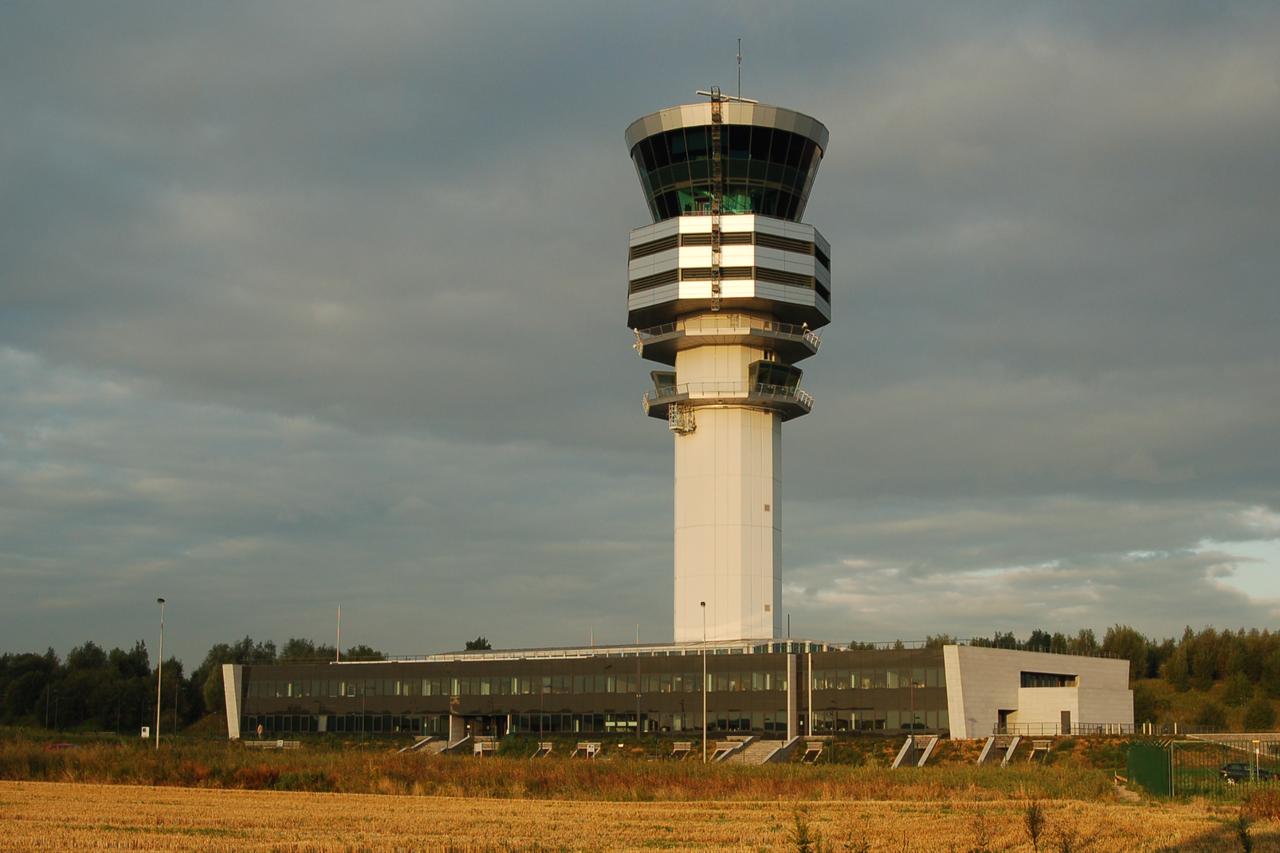


Labor strikes forced the cancellation of nearly 2,400 flights at Brussels Airport this year, disrupting travel for more than 330,000 passengers and dealing a significant blow to Belgium's economy, according to reports in Belgian media.
The airport experienced seven separate work stoppages throughout 2025, resulting in 2,395 canceled flights. The disruptions are estimated to have cost the Belgian economy approximately 175 million euros.
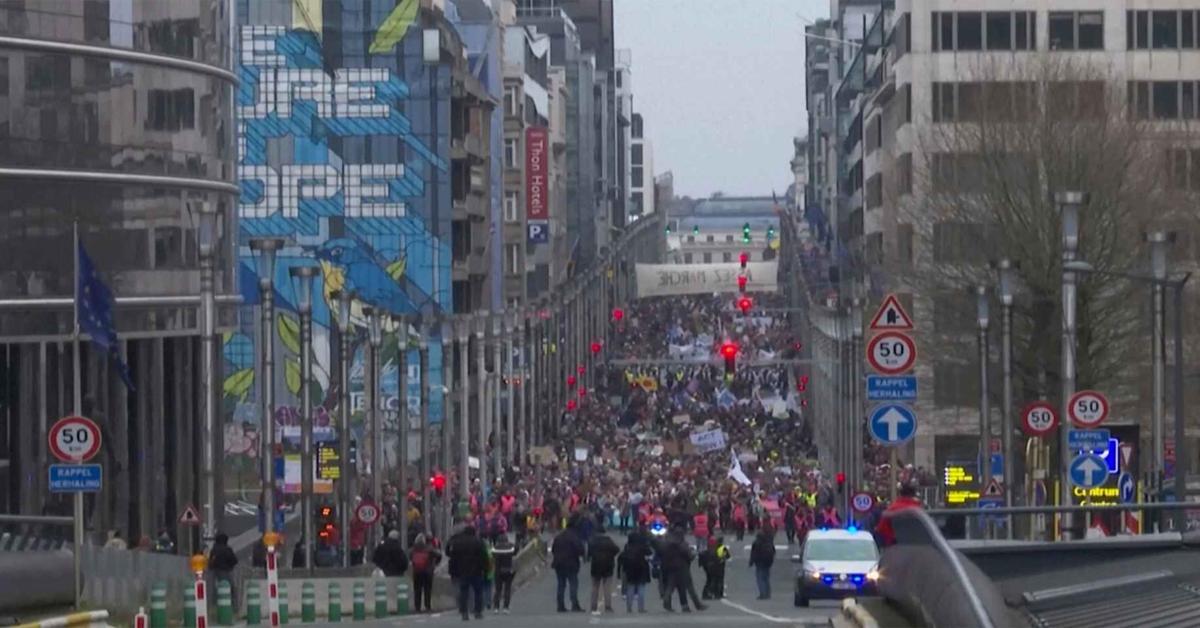
The wave of strikes reflects growing tensions between labor unions and the Belgian government over proposed cuts to social spending and planned austerity measures. Union leaders have sharply criticized the government's fiscal policies, leading to widespread industrial action across multiple sectors.
The airport strikes formed part of a broader pattern of labor unrest throughout Belgium in 2025. Workers in various industries staged multiple walkouts during the year, with some actions bringing normal life in the country to a near standstill.
Brussels Airport serves as a major hub for both European and international travel, making it particularly vulnerable to operational disruptions. The frequency of the strikes — averaging more than one every two months — created ongoing uncertainty for airlines and travelers using the facility.
 1 min read
The 175 million euro economic impact encompasses lost revenue from canceled flights, compensation costs, and broader effects on tourism and business travel. More than 330,000 passengers faced canceled trips or were forced to make alternative travel arrangements.
The confrontation between unions and the government over austerity policies shows little sign of resolution, raising questions about whether similar disruptions could continue into 2025. Belgian authorities have not announced major changes to their proposed spending cuts despite the sustained labor opposition.


 Set as preferred source
 Set as preferred source


 1 min read