Newsletters


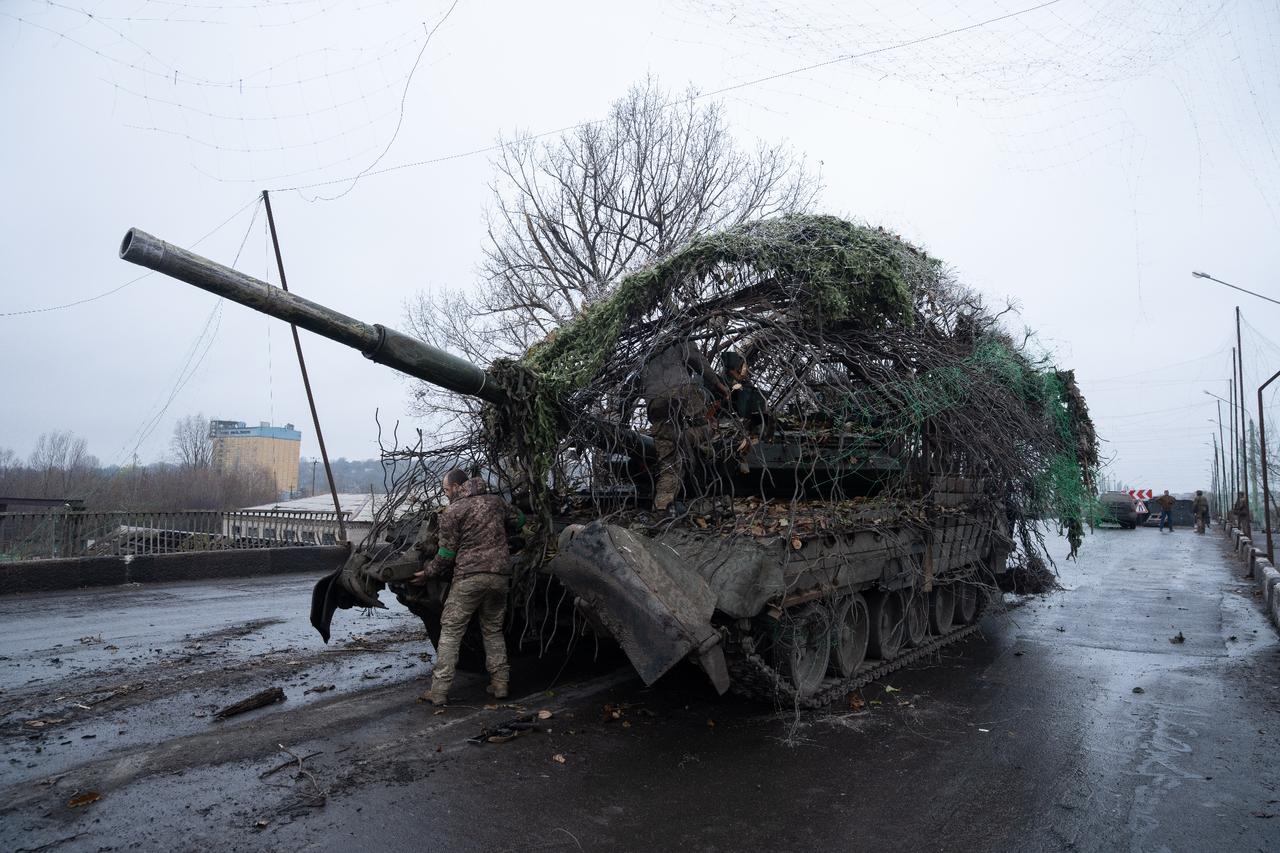


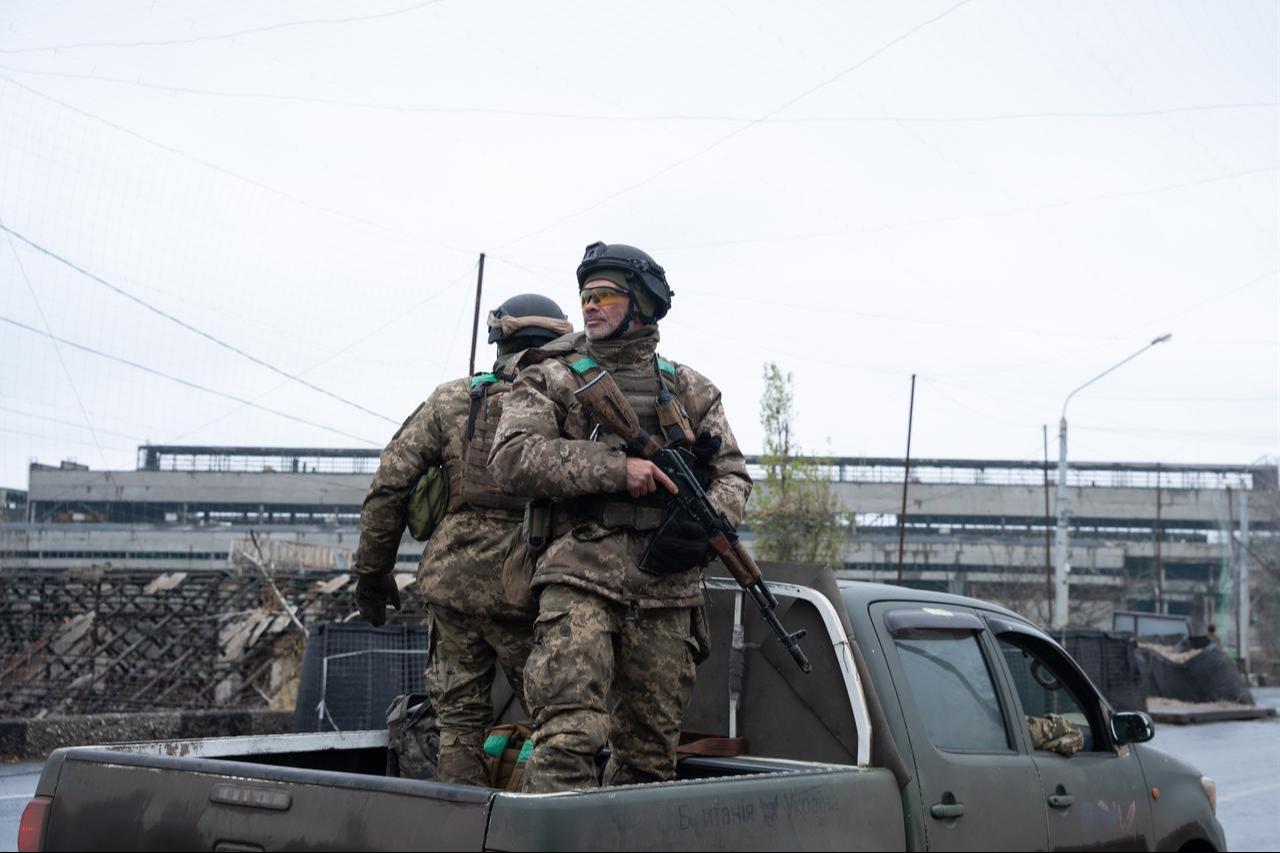
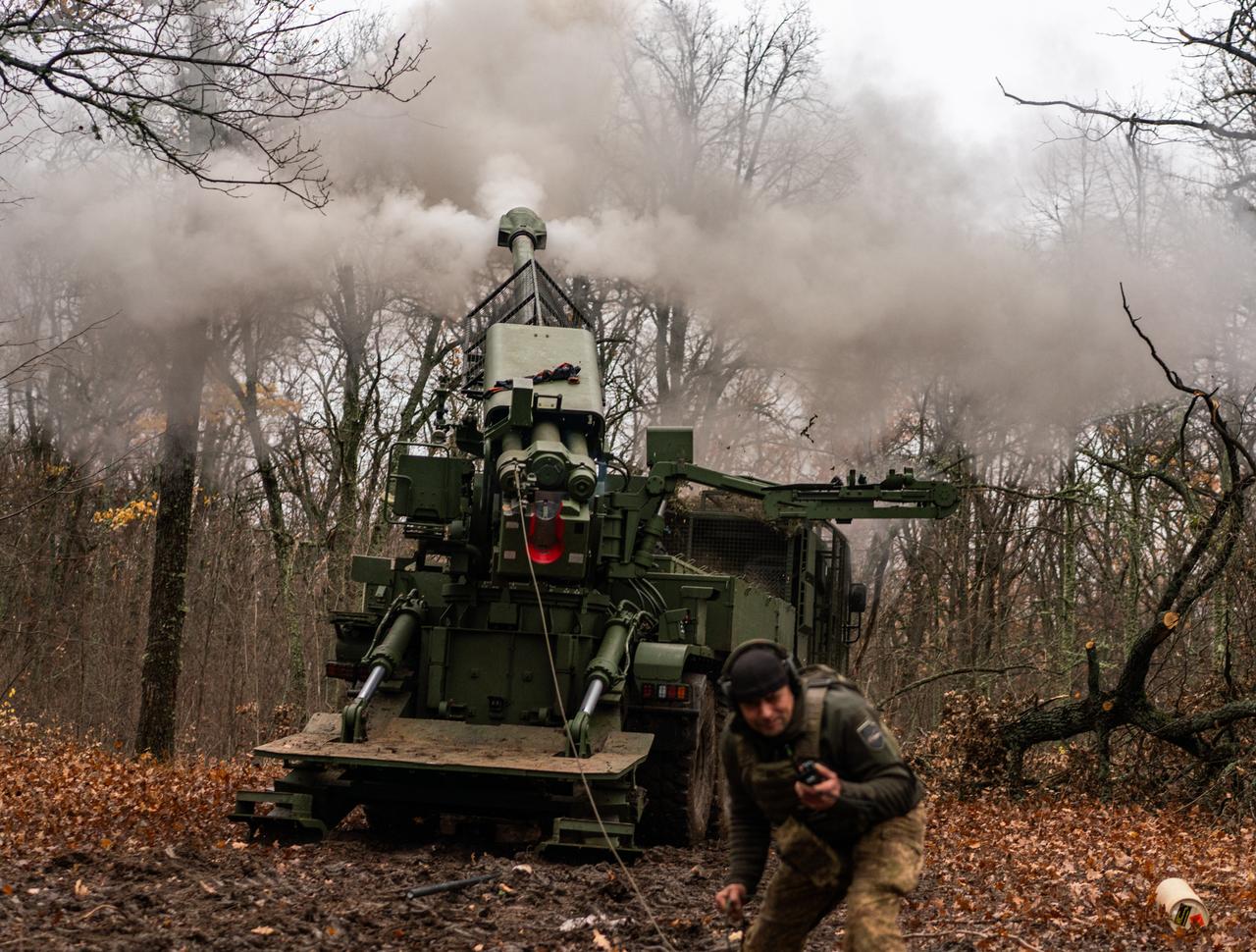
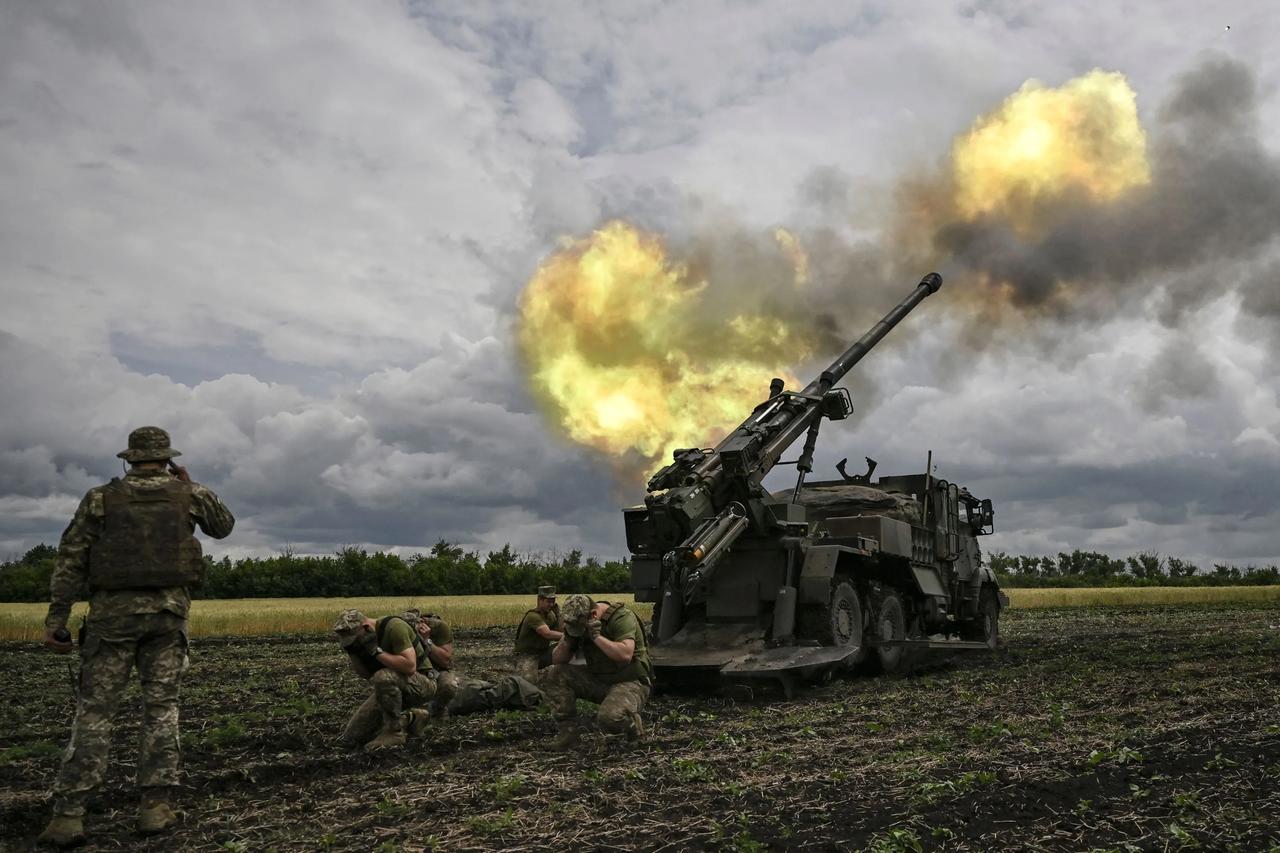
Bulgaria will no longer supply Ukraine with weapons and ammunition from its army stocks and will not contribute to a new round of European financing for Kyiv, Prime Minister Rumen Radev said, citing budget constraints and depleted reserves.
"We no longer provide weapons and ammunition from the Bulgarian army’s depots," Radev told reporters at the European Political Community summit in Dublin, according to Bulgarian outlet Debati.bg.
"Regarding financial aid, we ourselves are in an excessive deficit procedure, and Ms. Ursula von der Leyen has repeatedly asked us to reduce the deficit below the 3% limit," he said.

Radev said Bulgaria would not block other EU member states from providing financial aid, using "constructive abstention" rather than a veto.
Leaders discussed Ukraine’s 2027 financing amid a proposed new €70 billion ($77.15 billion) European package, and German Chancellor Friedrich Merz and von der Leyen urged reluctant states, including Bulgaria, Hungary and Slovakia, to contribute.
Bulgaria is ready to discuss mechanisms ensuring funds are used for humanitarian activities, electricity supply and medical aid rather than weapons, Radev said. If Bulgaria acts as a guarantor, he insisted on mechanisms to channel funds directly to the Bulgarian community concentrated in several regions of Ukraine.
Bulgarian defense companies exported very large volumes in 2022 and 2023, but exports have progressively declined because the war has changed, Radev said: early on there was huge demand for Bulgarian-made ammunition, while drones are now needed.
Defense Minister Dimitar Stoyanov earlier clarified that the ban applies only to free donations from army reserves and that Bulgaria’s defense industry can continue selling ammunition and equipment commercially.
Bulgaria also continues exporting electricity to Ukraine, helping rebuild energy and rail infrastructure and offering to repair damaged Ukrainian military equipment.
Radev said Bulgaria supports all peace efforts but that he personally does not accept the approach of "peace from a position of strength," which he said leads to more casualties, destruction and an escalation that creates risks for the whole world.
Bulgaria has the largest historical community in Ukraine of any EU member, and Bulgarians continue to die in the war, he said.
The government’s task is to help them live in peace as soon as possible and, until then, have access to education, health care, electricity and heating.
"This will not be solved by investing in military means," he said.


 Set as preferred source
 Set as preferred source


 5 min read