Newsletters


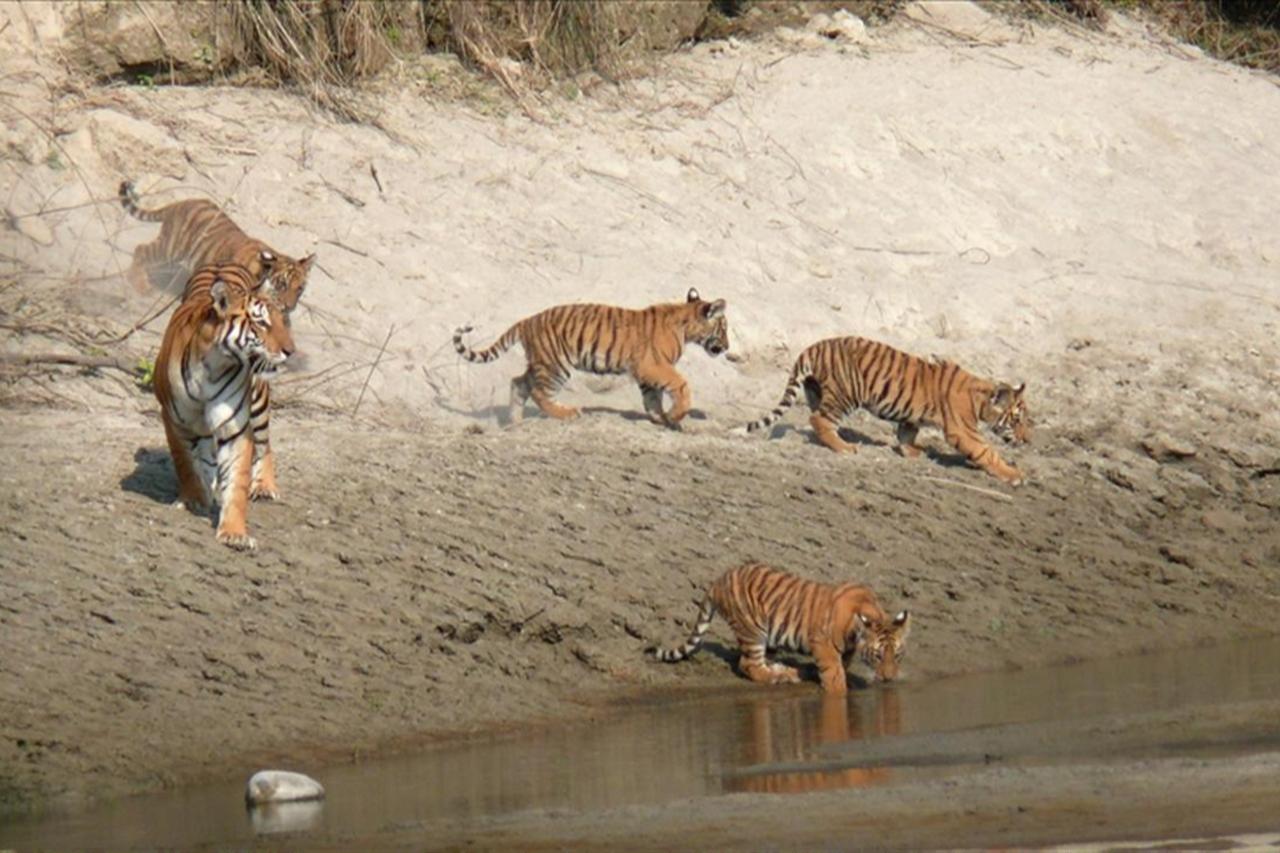


Cambodia's last confirmed tiger sighting came from camera trap footage in 2007, and the species was declared functionally extinct in the country roughly a decade ago.
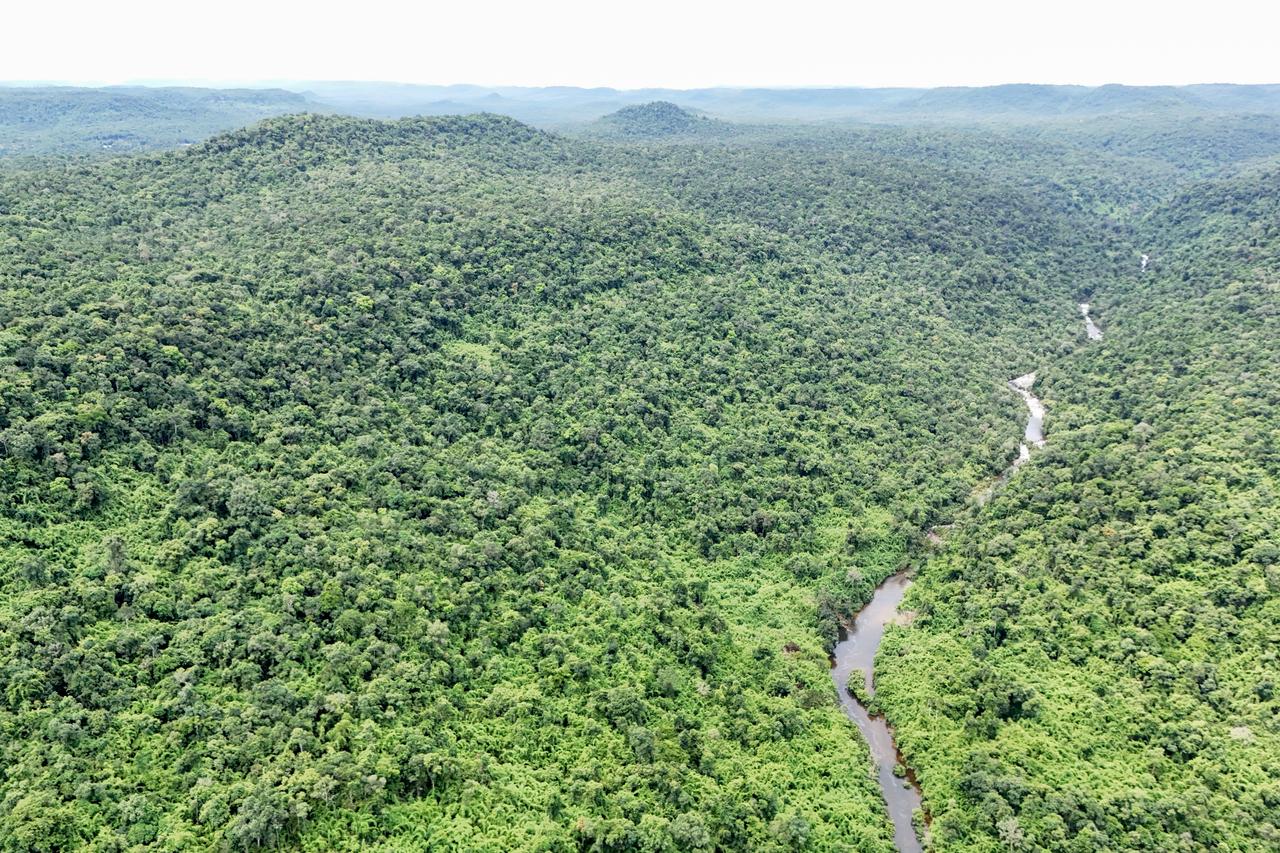
Conservationists now state that a historic reintroduction project could soon move forward, with India expected to translocate several tigers from its population of more than 3,600 to the Cardamom Mountains, a protected rainforest covering over a million hectares in southwest Cambodia.
Jimmy Borah, a consultant to Cambodia's government on the project from Indian environmental group Aaranyak, explained that the initiative aims to strengthen regional landscape protections, restore a vital apex predator, and boost local tourism. He characterized the project as a global signal that complex carnivore reintroductions are highly achievable.
Although the tigers were initially scheduled to arrive in 2024, concerns regarding habitat readiness and the sudden suspension of a critical carbon-credit funding source delayed the timeline. The Cambodian environment ministry approved a revised roadmap in May, rescheduling the first tiger arrivals for next year, though final project funding remains unconfirmed.
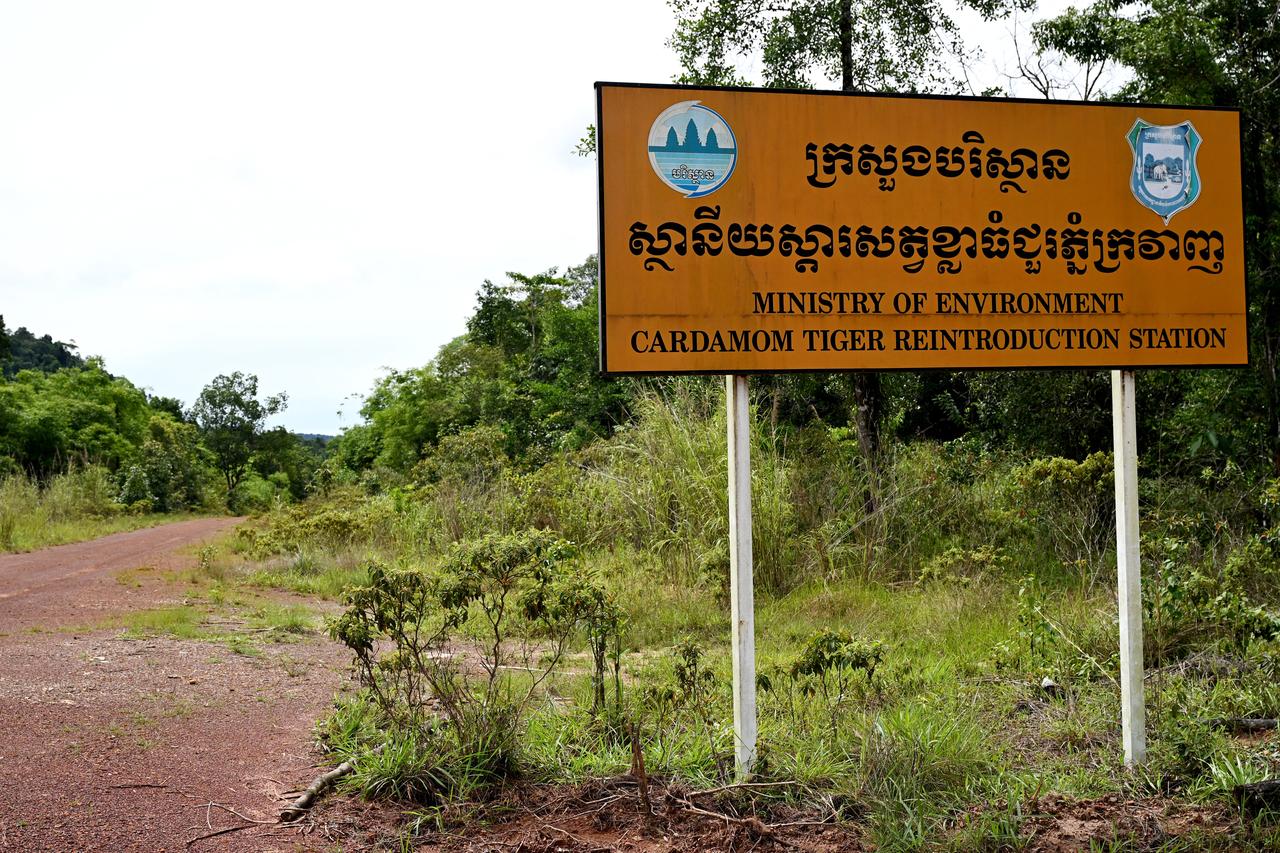

Indian tiger biologist Ullas Karanth, who previously led surveys of Cambodia's tiger population, said prey levels have not sufficiently recovered to sustain the animals, warning they could starve.
He said past efforts to introduce tigers into areas with heavy hunting pressure were unlikely to succeed. Borah countered that camera trap data show enough prey for an initial release and argued the conservation message matters more at this stage than prey concerns alone.
Deforestation, driven in part by dam projects, continues to reduce the tigers' proposed habitat. Tom Gray of WWF's Global Tiger Program said the initiative could help slow unsustainable development in the Cardamoms, describing its contribution to global tiger numbers as limited but valuable for preserving the landscape.
Axel Moehrenschlager of Panthera noted that translocated tigers tend to roam widely in search of prey, territory and mates, meaning tracking systems will be needed given nearby villages, roads, and dams.
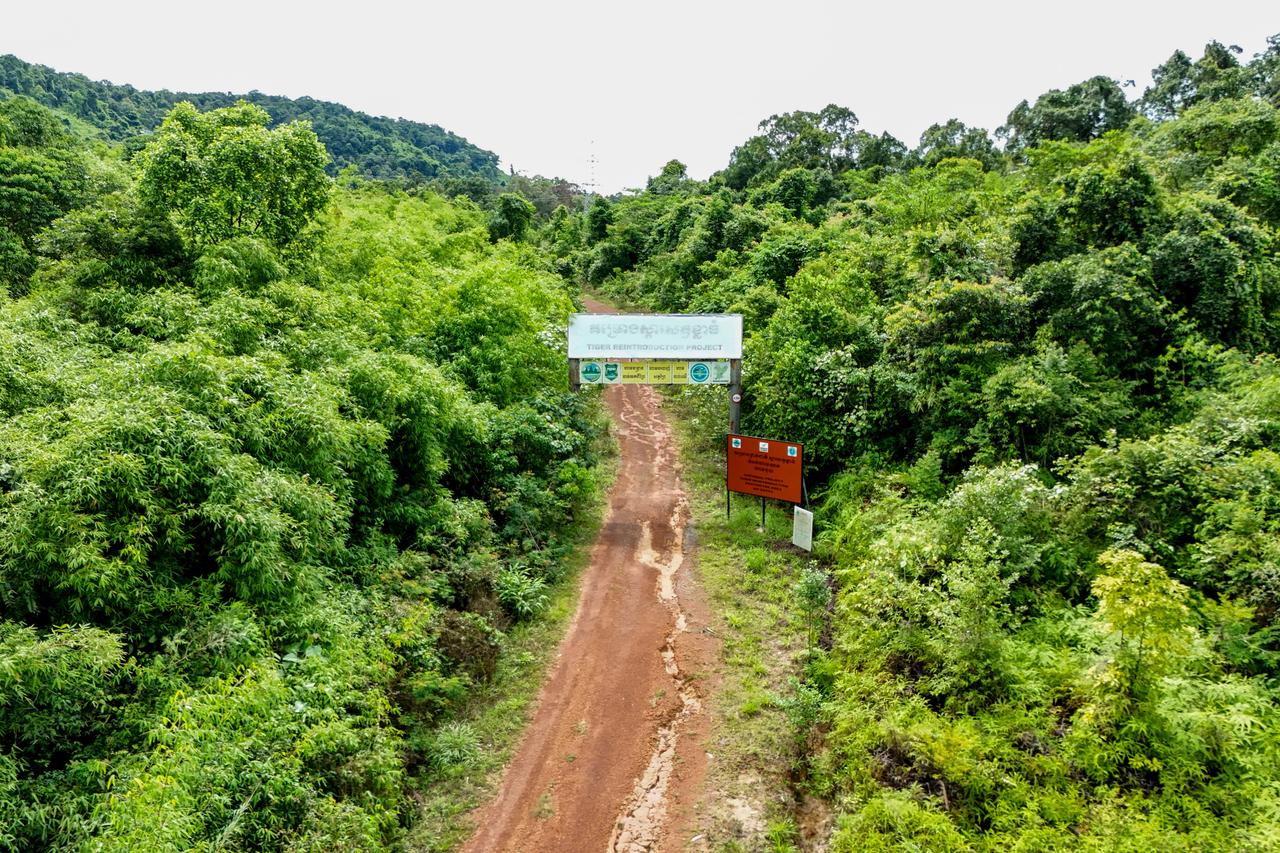
Residents near the proposed release site expressed mixed views.
Lin Meng Ma, 49, who lives close to the planned enclosure, said she only learned of the plan after overhearing discussions among rangers. She raised concerns over its roughly $43 million cost through 2030.
Another resident, Pan Sok, recalled a relative being killed by a tiger decades ago and said he opposes the reintroduction.
Most residents told Agence France-Presse (AFP) they held mixed views on the plan, and many believed tigers would remain permanently enclosed, though officials say the animals will be released into the wild after an acclimatisation period.
A recent study also found that dense rainforest cover makes tourism-driven "safari-style" sightings unlikely.
Despite the risks, several conservationists said restoring the species could still be worthwhile. Phillip Kuvawoga of the International Fund for Animal Welfare said conservation efforts sometimes require small successes to build broader momentum.
Officials say prey shortages could be addressed through additional releases, a method used in neighboring Thailand.


 Set as preferred source
 Set as preferred source



 4 min read