Newsletters


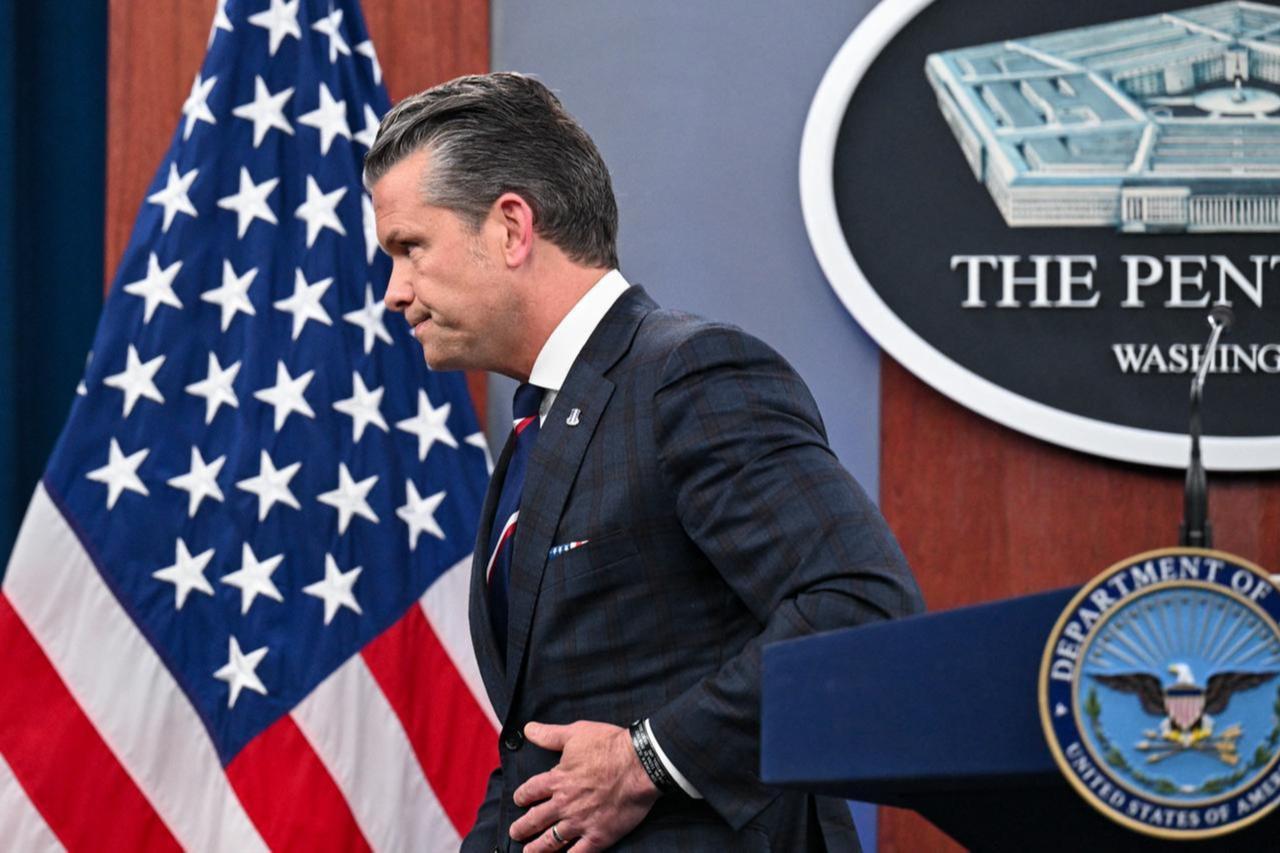


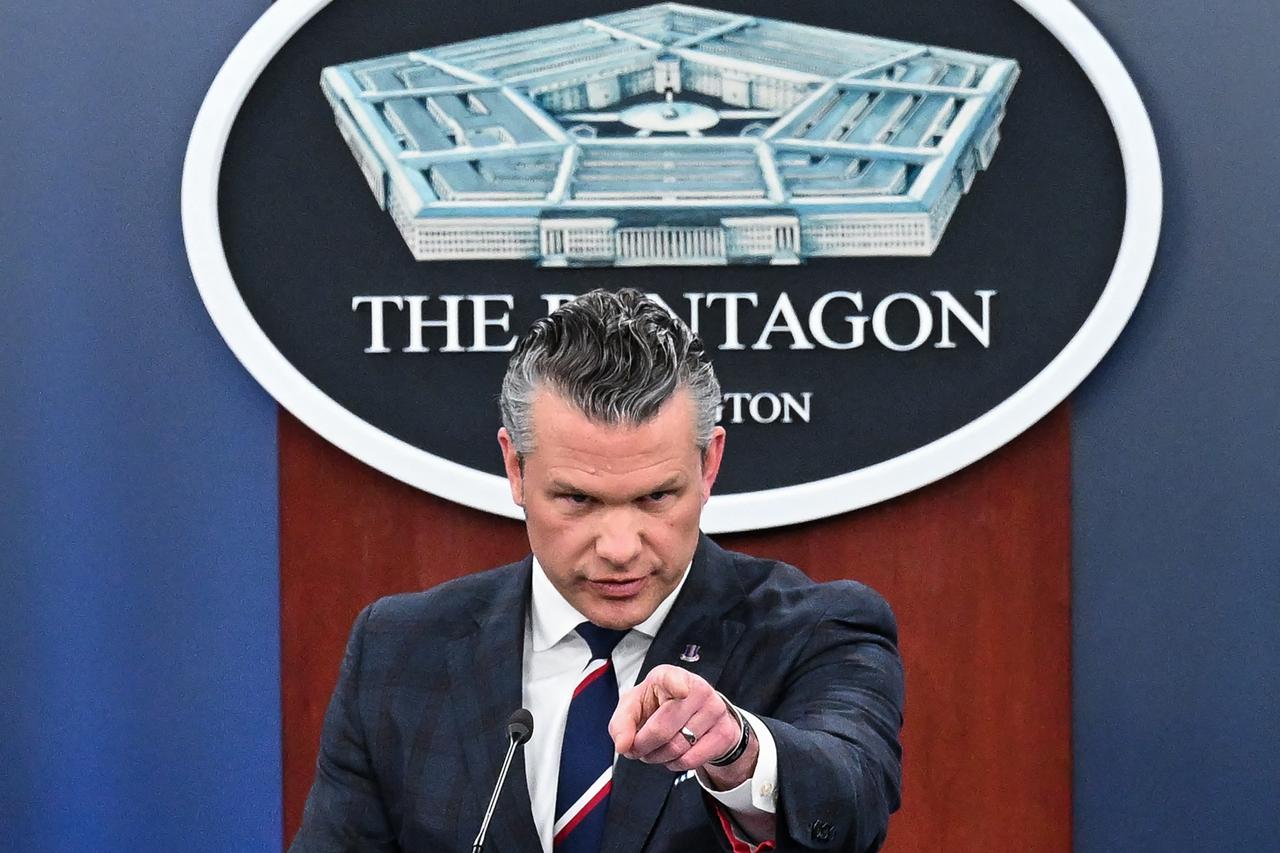
Before Washington woke up in the early hours of the morning, I watched Secretary of War Pete Hegseth step up to the lectern for his first news conference in six months, arriving in the immediate wake of bruising midterm elections and impeachment talk swirling on Capitol Hill.
He offered the room little more than a quick salute before launching straight into a preemptive defense against the articles of impeachment leveled at him, until he started accepting further questions about his impeachment.
He called the effort against him “a farce” and said he would carry out the same operations again tomorrow. Rep. Thomas Massie had dared him a day earlier to “make the argument from a podium.” Hegseth was at the podium.
He noted that talk of impeachment against the Secretary of War influences the troops who are at war with Iran. But can impeachment talk slow a war now in its ninth month?
The same day brought a report that the United States had moved refueling aircraft out of Britain amid a reported Iran threat. On the mechanics, the answer is no: impeachment brings charges and issues no orders. The politics are harder to read.
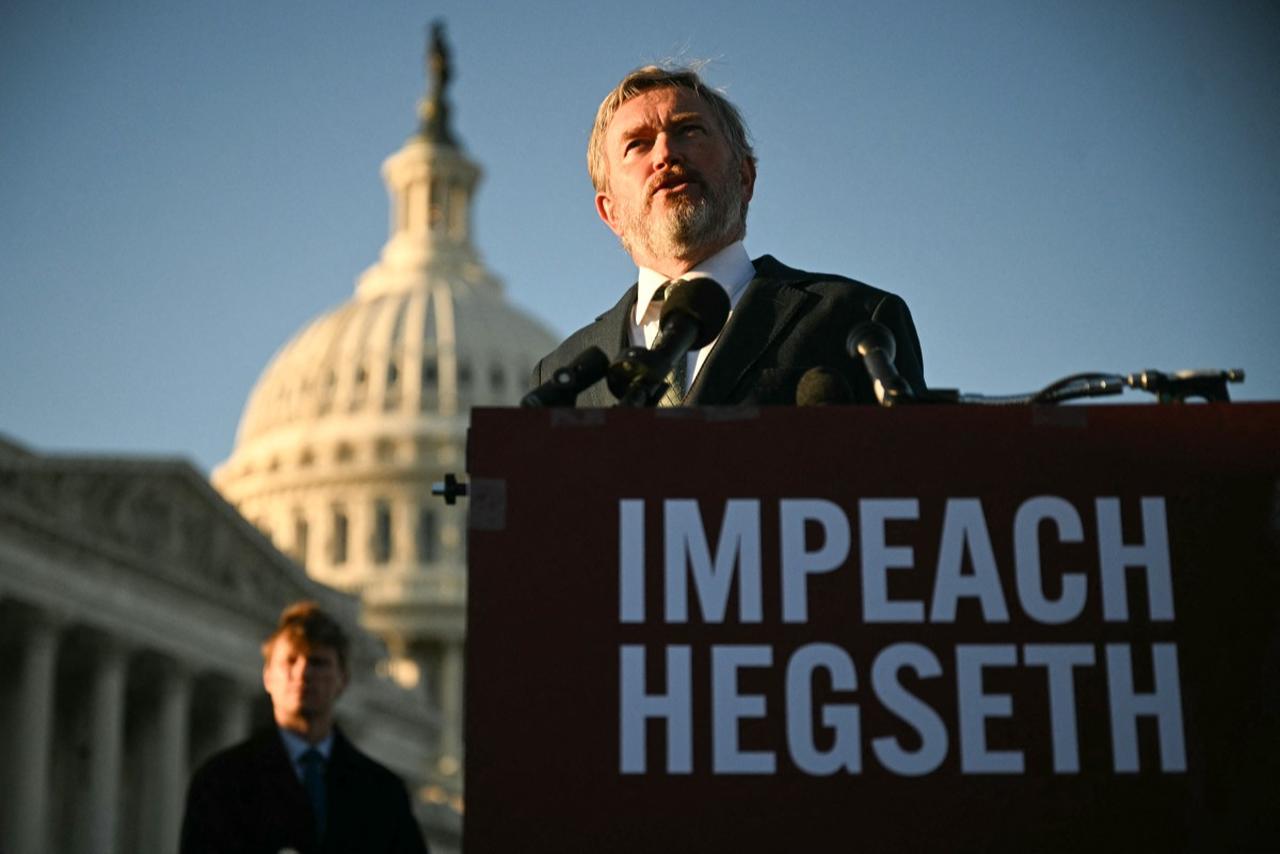

Last evening the House voted 211 to 204, though not on impeachment, rather to kill it, at least for a while. Eleven Democrats and seven Republicans missed the vote, and the Democrats alone exceeded the seven-vote margin.
Republicans who think poorly of Hegseth did not cross over. Representative Don Bacon of Nebraska, who is retiring in January, said Monday he does not think Hegseth has been a good secretary but wonders whether that justifies impeachment. Speaker Mike Johnson told CBS that impeaching a Cabinet secretary in the middle of hostilities would look terrible.
Massie will not try again. His September attempt stalled when Johnson adjourned the House early ahead of the midterms. This time he said Monday he would not bring another resolution, and he is leaving Congress in January after losing his primary. The next attempt belongs to the Democrats. Their leader, Hakeem Jeffries, is on track to become speaker and has said they will “run Pete Hegseth out of town.”
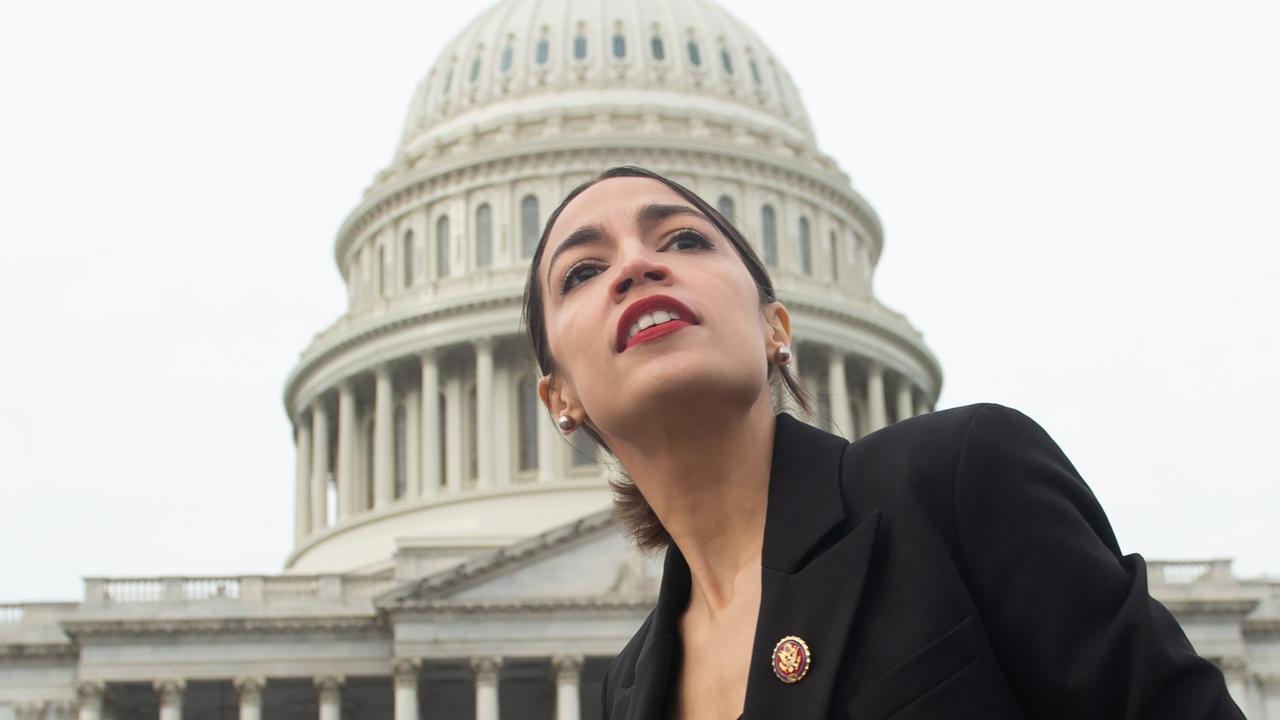
In June, a war powers resolution cleared both chambers for the first time: the House voted 215 to 208 on June 3, and the Senate 50 to 48 on June 23. It directs the president to remove U.S. forces from hostilities with Iran.
As a concurrent resolution, it needs no signature and cannot be vetoed. The administration’s answer was that U.S. forces were not in hostilities with Iran, and some officials called the War Powers Resolution unconstitutional. Trump called the Senate vote “poorly timed and meaningless.”
Three of Massie’s articles charge that Hegseth kept fighting after both chambers had voted. In late July, a renewed U.S. military campaign torpedoed the interim deal signed in June.
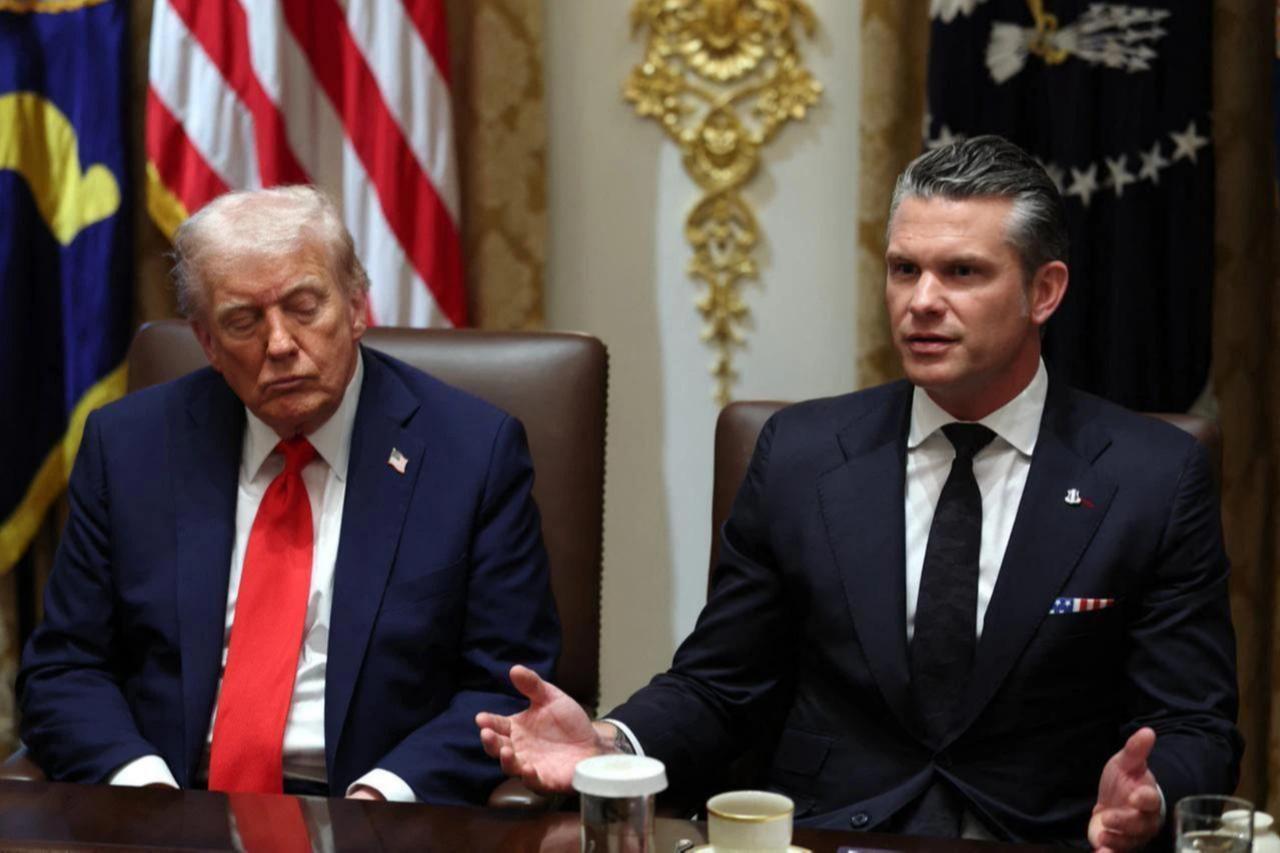
The Wizard of Oz taught a generation to look behind the curtain for the lever. Here nobody has to look far. Hegseth told the briefing that the operations in Massie’s articles were “lawfully ordered by the commander-in-chief, then ordered by myself.”
Trump, who watched, graded it an A-plus with extra pluses on Truth Social. Remove the man at the podium and the person who gave the first order is still there. Trump said Monday he would stand by Hegseth if he is impeached.
Removal is a separate climb. The House brings charges and the Senate decides, with conviction requiring a two-thirds majority. Democrats will hold at least 54 Senate seats, so convicting Hegseth would take more than a dozen Republicans.
Only two Cabinet secretaries have ever been impeached. The Senate acquitted William Belknap in 1876 and dismissed the charges against Alejandro Mayorkas in 2024.
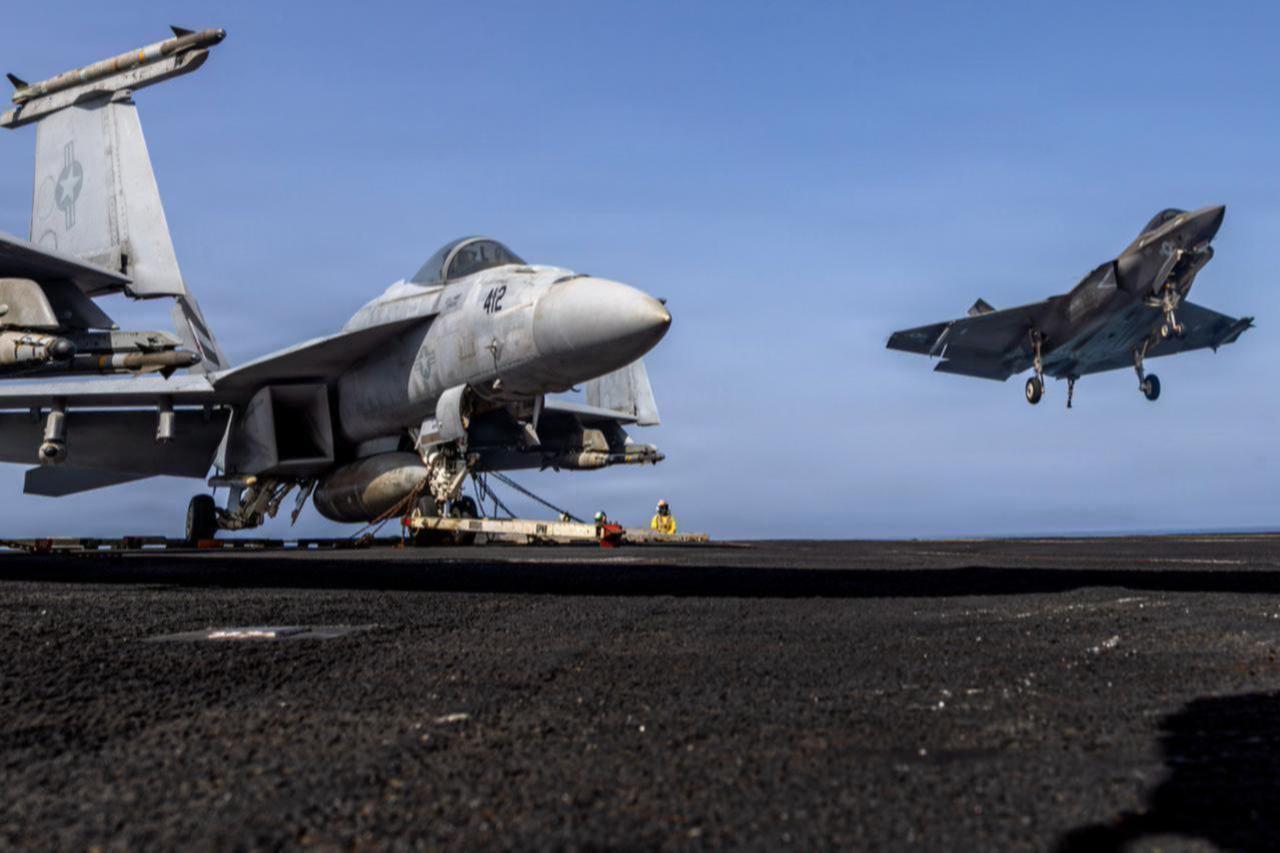
The administration has stepped up assurances that it will not resume combat, a message that appears to be partly aimed at heading off the impeachment push. Secretary of State Marco Rubio told reporters in Paris on Tuesday that the blockade and sanctions are hurting Iran enough that major combat is no longer needed.
Trump said Monday he sees no reason to use force. Yet the statements come with two cautions: Trump has made such promises before and then ordered strikes, and the shift also follows Republican concern that the war cost the party the midterms.
The administration is not conceding that point. Trump told 60 Minutes on Sunday that he regrets nothing and considers the war won. Vice President JD Vance has argued that the war cost Republicans the election, while Hegseth told the briefing it was a necessary undertaking.
Iran’s Mohsen Rezaei, secretary of its Supreme National Security Council, dismissed reported talks with Washington as imaginary on Monday.
After the midterms, Democrats are on pace for their largest House majority since 2008 and will hold at least 54 Senate seats. They can hold hearings and bring Hegseth’s impeachment to the floor.
Hegseth asked lawmakers last week to pass a funding request to help pay for the Iran war, and after January, Democrats will chair the committees that write those bills. A joint resolution ending the war, or a spending bill cutting its funds, still needs the president’s signature, and overriding a veto takes two-thirds of both chambers: 290 votes in the House and 67 in the Senate if everyone votes. To this day, no war powers resolution has ever overcome a veto.
The officers in Washington were just about to enter their offices when the briefing wrapped up. But over at the Department of War, Pete Hegseth’s team was not punching out; they were treating the averted impeachment showdown, scheduled right before Congress flips in January, like a total blowout win.
So whether it slows down the war is anyone’s guess, but it certainly seems to have succeeded in occupying space in the secretary's head.


 Set as preferred source
 Set as preferred source


 4 min read