Newsletters


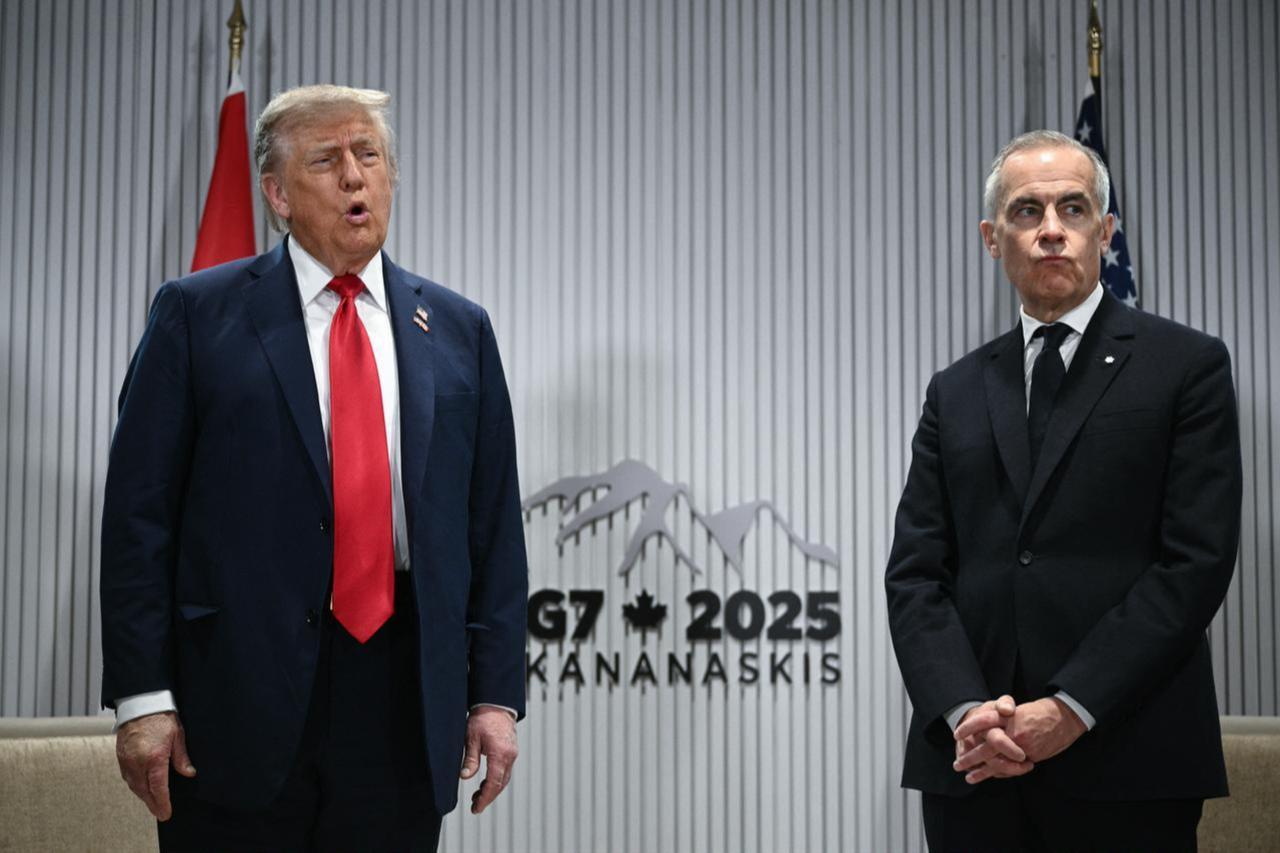


Canadian Prime Minister Mark Carney declared Sunday that decades of close economic integration with the United States have become a strategic liability, unveiling a sweeping national plan to reduce dependence on Washington and rearm the country's military at a scale not seen since the Cold War.
"The US has fundamentally changed its approach to trade, raising its tariffs to levels last seen during the Great Depression," Carney said in a video address titled "Forward Guidance." "Many of our former strengths, based on our close ties to America, have become our weaknesses."
The remarks marked one of the most direct acknowledgments yet by a Canadian leader that the bilateral relationship, long considered one of the world's most stable, has been fundamentally and perhaps permanently altered.
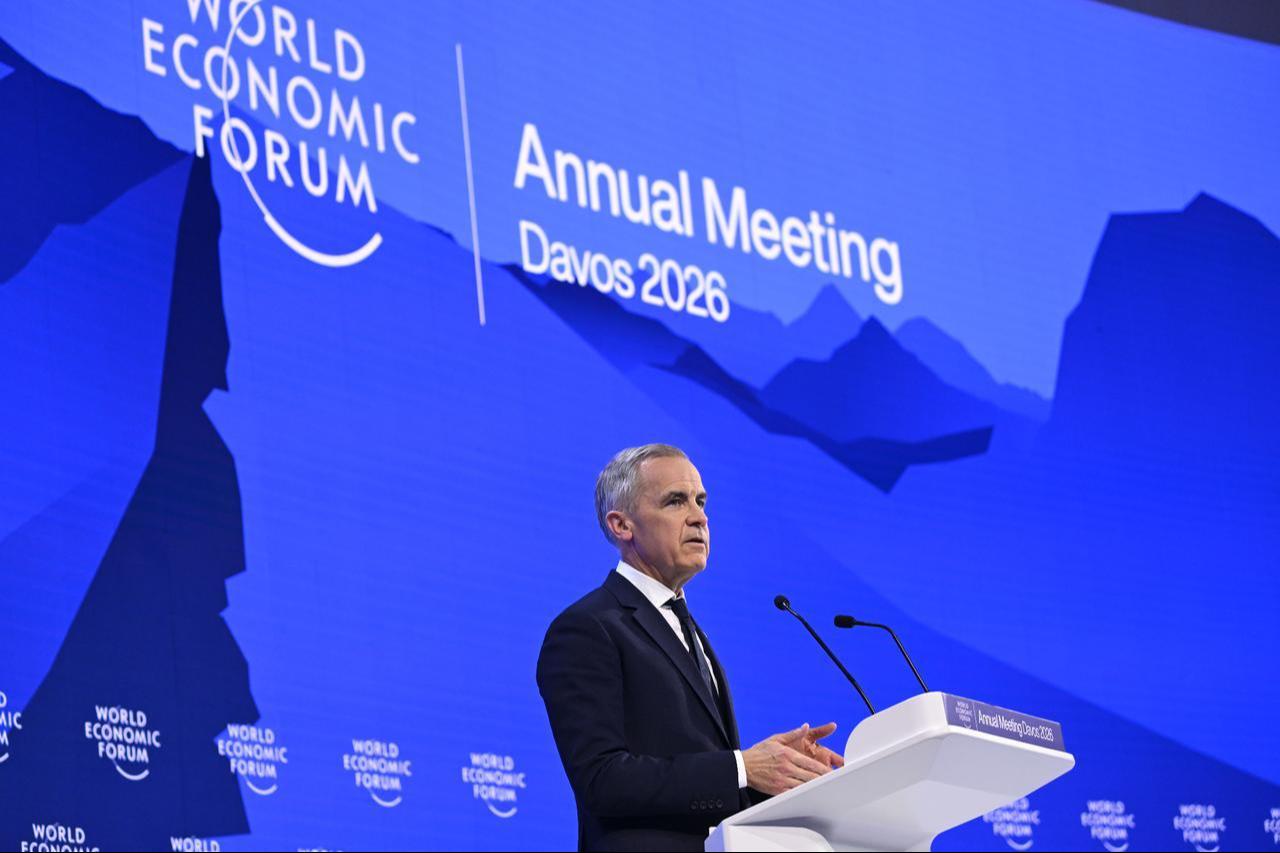

Carney was unsparing in his assessment of what a post-Trump realignment means for Canadian policy. Dismissing any expectation that Washington might revert to its previous trade posture, he warned against sentimentality as a substitute for strategy.
"Hope isn't a plan, and nostalgia is not a strategy," he said, adding that Canada could not afford to wait for American disruptions to subside on their own.
The framing was a notable departure from the more cautious diplomatic language Canadian leaders have historically used toward Washington, and it signals an urgency in Ottawa that reflects the depth of the rift between the two neighbors.
At the center of Carney's address was an economic program he called "Canada Strong," an ambitious blueprint aimed at catalyzing $1 trillion in investment and restructuring the country's economic architecture from the ground up. The plan would unify Canada's 13 provincial economies into a single internal market, a long-discussed but persistently elusive goal, while also building new trade and energy corridors and doubling the country's clean energy capacity.
Carney said Canada has already signed 20 new trade deals across four continents in under a year, a pace he characterized as evidence that the country holds assets the world wants to access. The diversification push reflects a broader strategic calculation: that Canada must build alternative economic relationships fast enough to absorb the shock of a diminished partnership with its largest trading partner, which has historically absorbed the vast majority of Canadian exports.
Carney also announced what he described as the most significant increase in Canadian defense investment in generations, pledging to rebuild and rearm the Canadian Armed Forces. He said it would mark the first time since the end of the Cold War that Canada would reach the defense spending benchmarks expected by its allies.
The announcement follows remarks Carney made at the Liberal Party's national convention in Montreal, where he told delegates that "the days of our military sending 70 cents of every dollar to the United States are over," signaling a shift not only in spending levels but in the direction of that spending.
Canada is a member of NATO, whose members have long faced pressure, most recently and forcefully from Washington, to meet the alliance's target of spending at least two percent of gross domestic product on defense. For years, Canada has fallen well short of that benchmark, making the pledge a significant political and fiscal commitment.
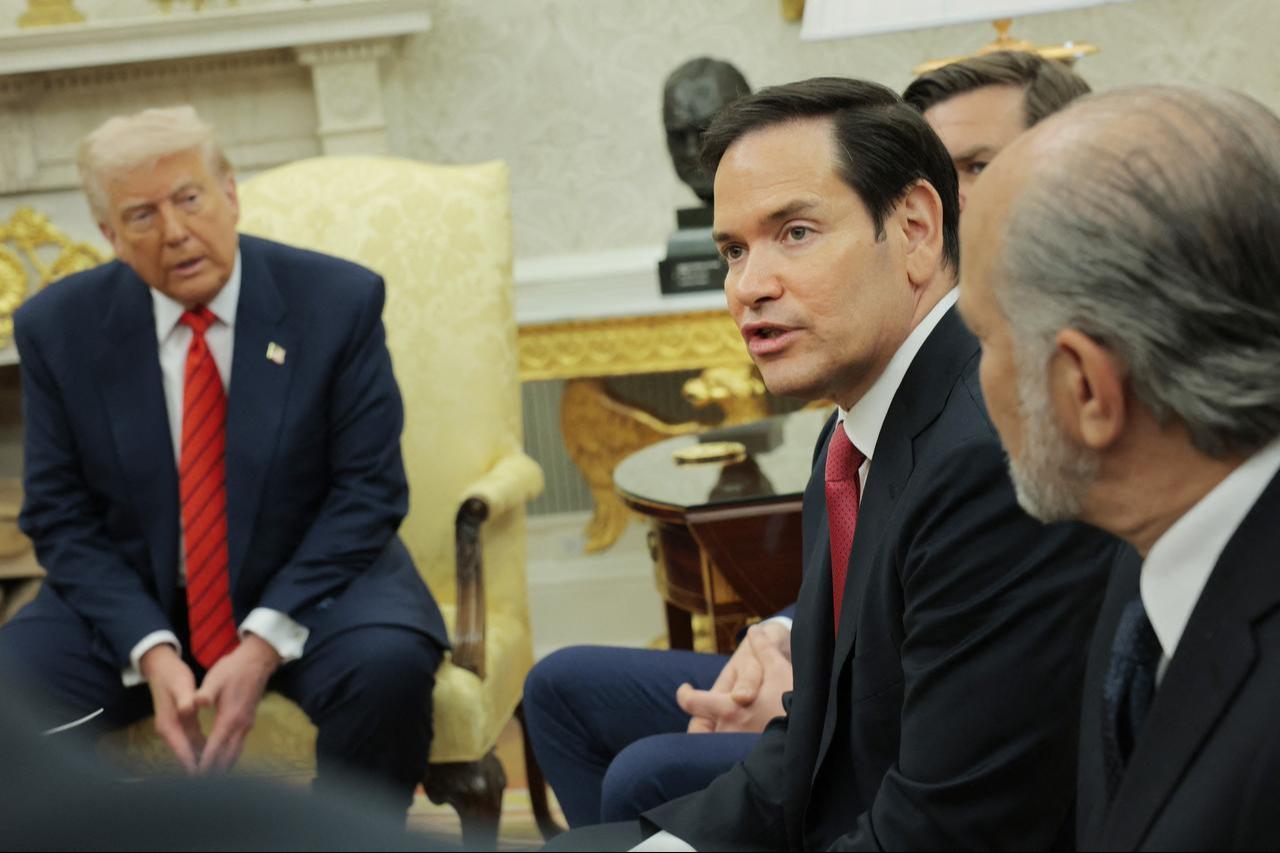
Relations between the two countries have deteriorated sharply since President Donald Trump returned to office, driven by sweeping US tariffs on Canadian goods and Trump's repeated public suggestions that Canada should become the 51st American state. The combination of economic pressure and what Ottawa has characterized as a challenge to Canadian sovereignty has pushed bilateral ties to their most strained point in modern memory.


 Set as preferred source
 Set as preferred source


 1 min read

 1 min read