Newsletters


Canadian Prime Minister Mark Carney said Saturday that trade negotiations with the United States had made progress but remained short of an agreement, stressing that Ottawa would reject any deal that failed to protect the long-term viability of Canada's automotive industry.
Speaking to reporters in Manila, Philippines, Carney said he had discussed the negotiations with U.S. President Donald Trump before departing for the Southeast Asian country, according to The Hill.
He said he had also spoken with U.S. Trade Representative Jamieson Greer and other officials, adding that a bilateral agreement remained possible but negotiations had not yet reached that stage.
Carney identified the automotive sector as one of the most difficult issues in the talks, emphasizing that Canada's industry must remain economically viable under any potential agreement.
He also pointed to the close integration of Canadian and American automobile manufacturing, noting that the U.S. automotive industry depends on production links with Canada.
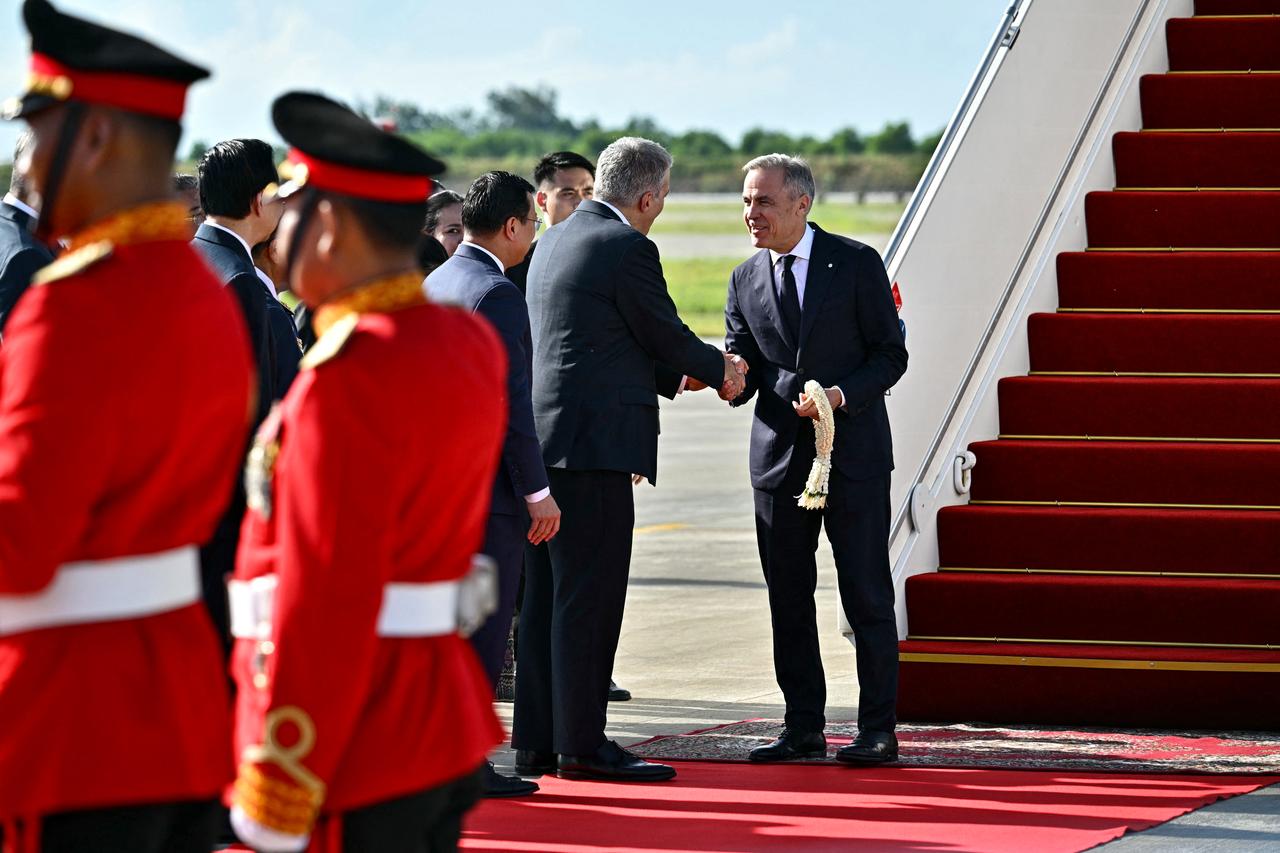

Meanwhile, Carney announced that Canada had completed negotiations on a free trade agreement with the Philippines and would accelerate efforts to bring it into force next year, according to a statement from the Canadian Prime Minister's Office.
He also highlighted progress in trade negotiations with the Association of Southeast Asian Nations (ASEAN), describing the discussions as "substantially concluded."
A prospective agreement with ASEAN is expected to increase Canadian exports to the region by more than $2 billion, contribute over $1.5 billion to Canada's economy and create approximately 14,000 jobs, Carney said.
The prime minister described the agreements as "part of a strategy of developing a dense web of reliable partners to create more opportunities ... and reducing our relative reliance on the United States."
Carney said Canada was making faster-than-expected progress toward its goal of doubling exports to markets outside the United States by 2035.
Approximately one-third of Canada's export revenue now comes from markets outside the United States, he added.
Canada has signed seven new trade and investment agreements this year and opened negotiations for seven more, according to Carney.
He also said he planned to discuss expanding trade relations with China and aimed to sign a new free trade agreement with India by the end of 2026.
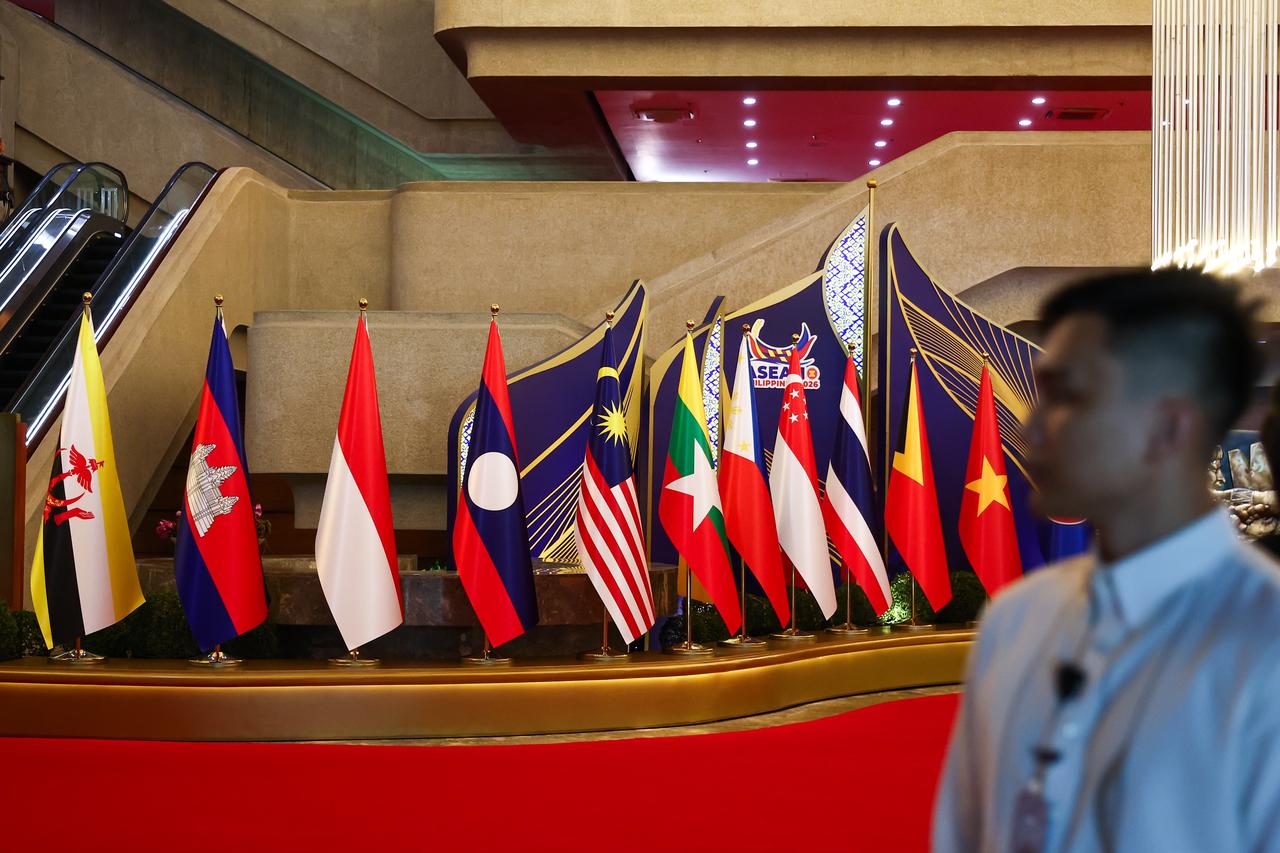
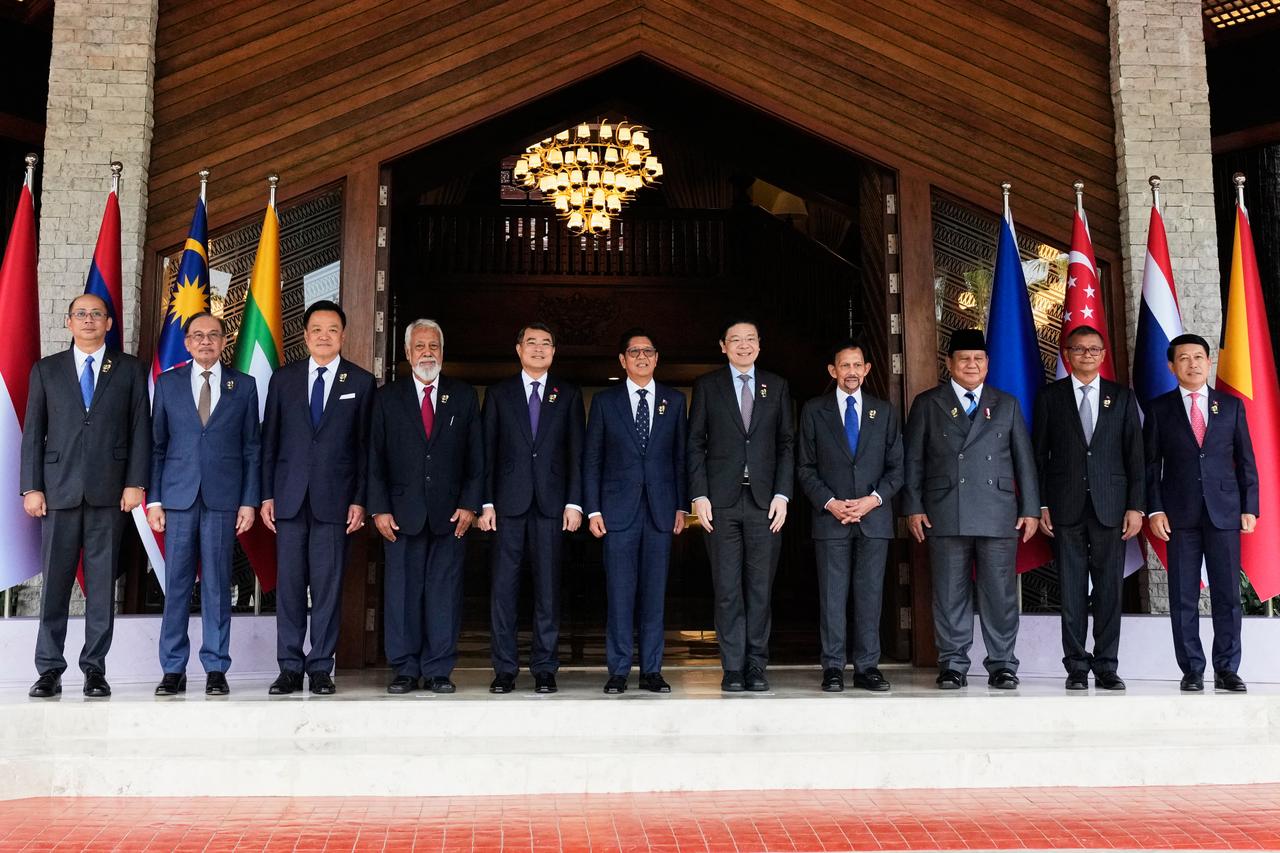
Carney's remarks came as Southeast Asian leaders gathered in Manila for the ASEAN summit, where international trade tensions and the consequences of Trump's tariff policies featured prominently.
Brazilian President Luiz Inacio Lula da Silva, speaking to reporters Sunday, said U.S. tariffs had encouraged his country to seek alternative trading partners.
"Instead of weeping or begging the US government ... to have pity on us, we decided to look for other partners for us to sell and for us to buy from," Lula said.
He noted that Brazil's trade with Indonesia and Vietnam had increased by 15% and 13%, respectively.
Lula also said he had met Carney on the sidelines of the summit, invited him to visit Brazil and hoped to double bilateral trade with Canada.
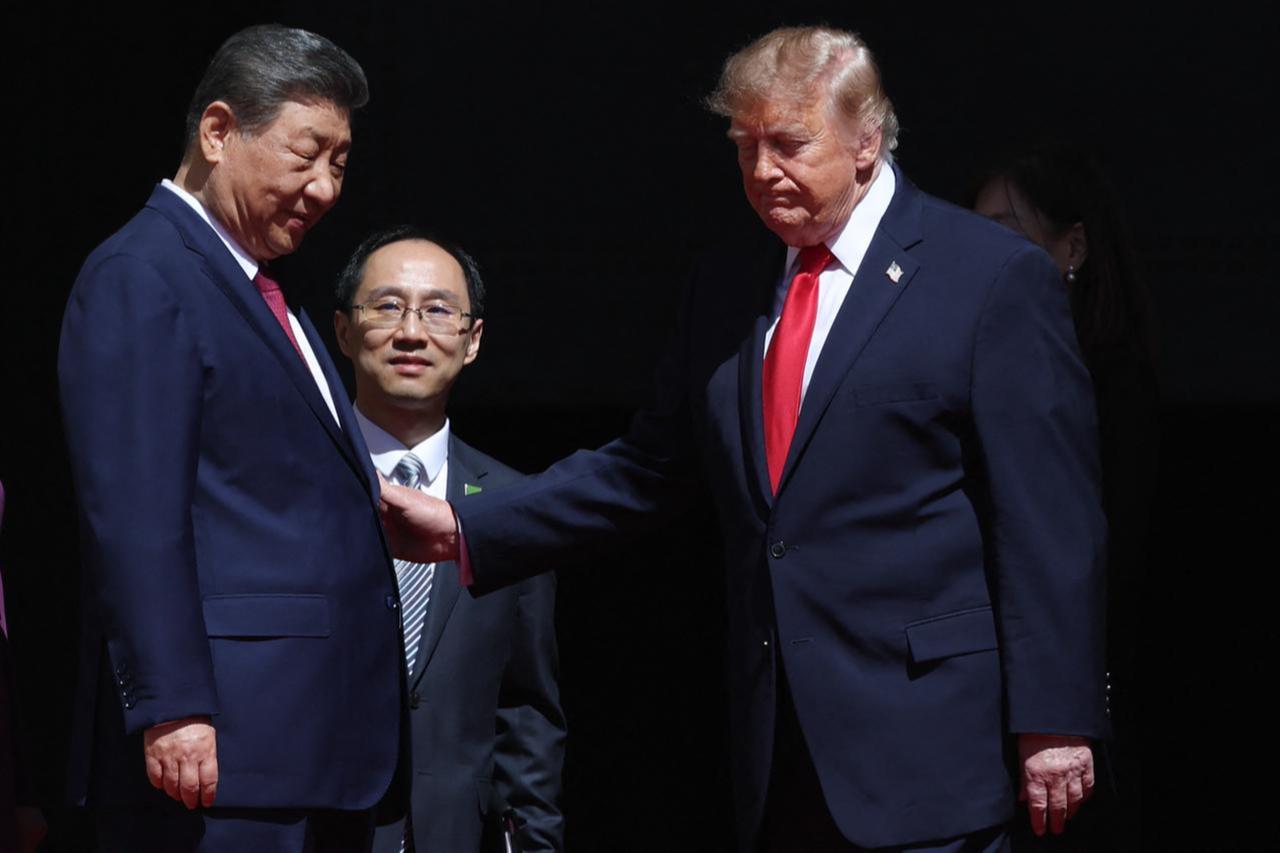
Trump is scheduled to arrive in Manila on Tuesday, near the conclusion of the summit, for talks with regional leaders.
His visit is also expected to include a meeting with the leaders of the Quad grouping, which brings together the United States, India, Japan and Australia.
For Canada, the diplomatic engagements come as Ottawa seeks to maintain negotiations with Washington while expanding its access to markets beyond its largest trading partner.


 Set as preferred source
 Set as preferred source


 1 min read
 1 min read