Newsletters


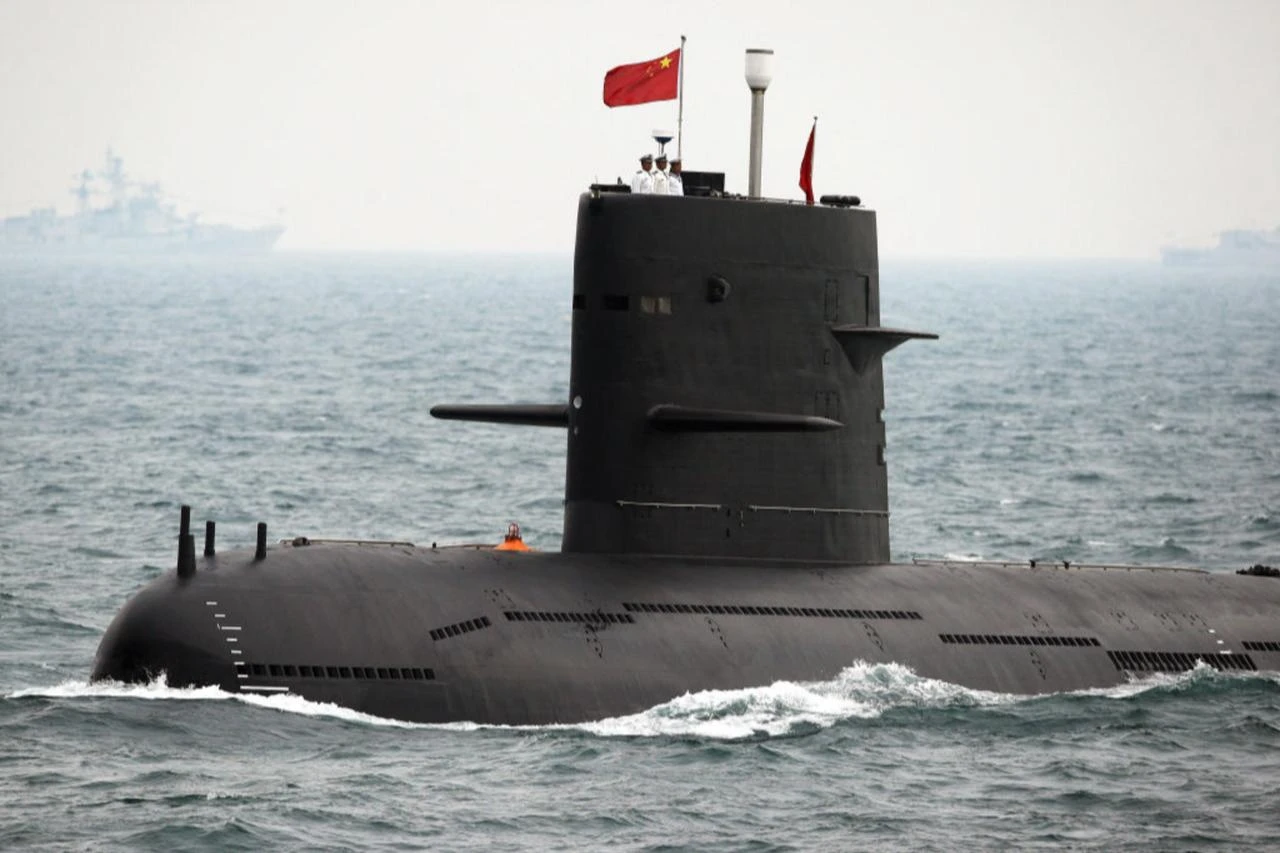


China's People's Liberation Army Navy (PLAN) successfully launched a strategic missile from a nuclear submarine into the Pacific Ocean on Monday, triggering sharp responses from Japan, New Zealand and Australia, who warned the test threatened regional stability.
"At 12:01 pm on July 6, a strategic nuclear submarine of China's People's Liberation Army Navy successfully launched a … strategic missile carrying a training simulation warhead into the relevant high seas of the Pacific Ocean, accurately landing in the designated sea area," navy spokesperson Wang Xuemeng said in a statement posted on a WeChat account.
Wang said the test was a standard part of China's annual military training cycle.
"This missile test launch is a routine arrangement of China's annual military training, and relevant countries were informed in advance," Wang said.
State-run Xinhua News confirmed China had "successfully conducted the test launch of a strategic missile by a submarine."
The launch came the same day China and Russia were due to begin annual joint naval exercises off Qingdao, a major military port in eastern China. It was not immediately clear whether the missile test was part of those drills.
Papua New Guinea Foreign Minister Justin Tkatchenko confirmed his country received advance notice from Beijing.
"Yes, China has briefed me. I was personally called by the Chinese ambassador," Tkatchenko said when asked if he had been warned.
A New Zealand government source also told Agence France-Presse (AFP) that China had alerted Wellington about an upcoming intercontinental ballistic missile test, without specifying where the missile was expected to land.
Japan said it had strongly urged China to reconsider the test before it took place.
"We strongly called for a rethink of the ballistic missile test-firing, so that it won't pose a threat to Japan's security, such as by passing through Japan's airspace," according to a joint Japanese government statement issued prior to the launch.
New Zealand Foreign Minister Winston Peters expressed serious concern after the test was confirmed.
"The Pacific is an Ocean of Peace and we are deeply concerned by China's testing of nuclear-capable weapons into the South Pacific," Peters said, adding that the launch "is not consistent with regional stability."
Australia's foreign minister described the test as risking "destabilizing" the South Pacific, according to AFP.
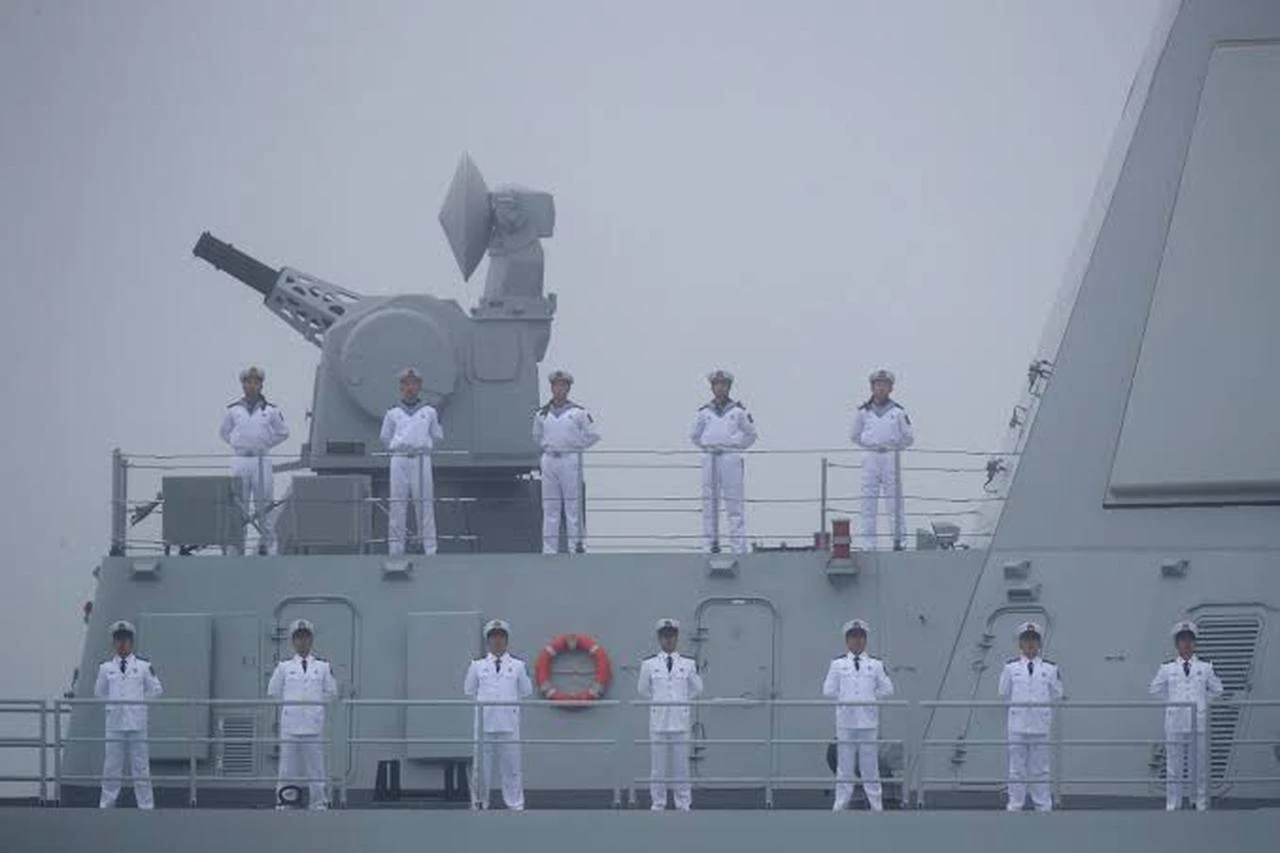

The launch marks China's second strategic missile test since Beijing fired an intercontinental ballistic missile into the Pacific Ocean on Sept. 25, 2024, the first such test since 1980.
In the 2024 test, China's elite Rocket Force fired a dummy warhead into the sea near French Polynesia. Analysts said at the time the missile appeared to be one of China's advanced Dong Feng-31 missiles, capable of delivering a thermonuclear warhead.
The 2024 test landing zone fell within an area designated a nuclear-free zone under an international treaty.
Maritime intelligence company Starboard published images showing that China currently has two satellite-tracking vessels in the Pacific region, which the Australian Broadcasting Corporation said would be used to monitor a test ballistic missile launch.
New Zealand's Defense Force had privately warned that Beijing's naval forays and ballistic missile tests would become a "persistent" feature of the Pacific, according to an internal document obtained by AFP.


 Set as preferred source
 Set as preferred source


 2 min read

 1 min read