Newsletters


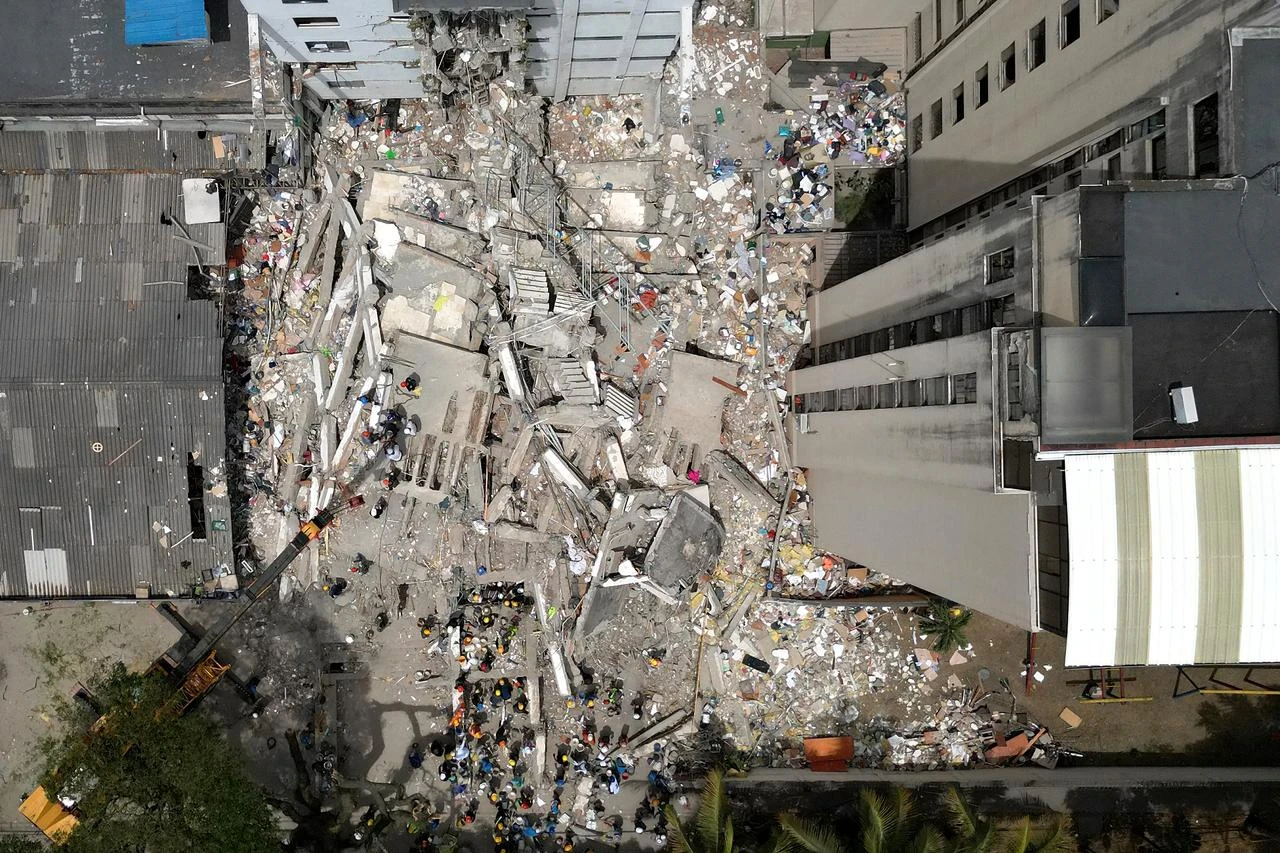


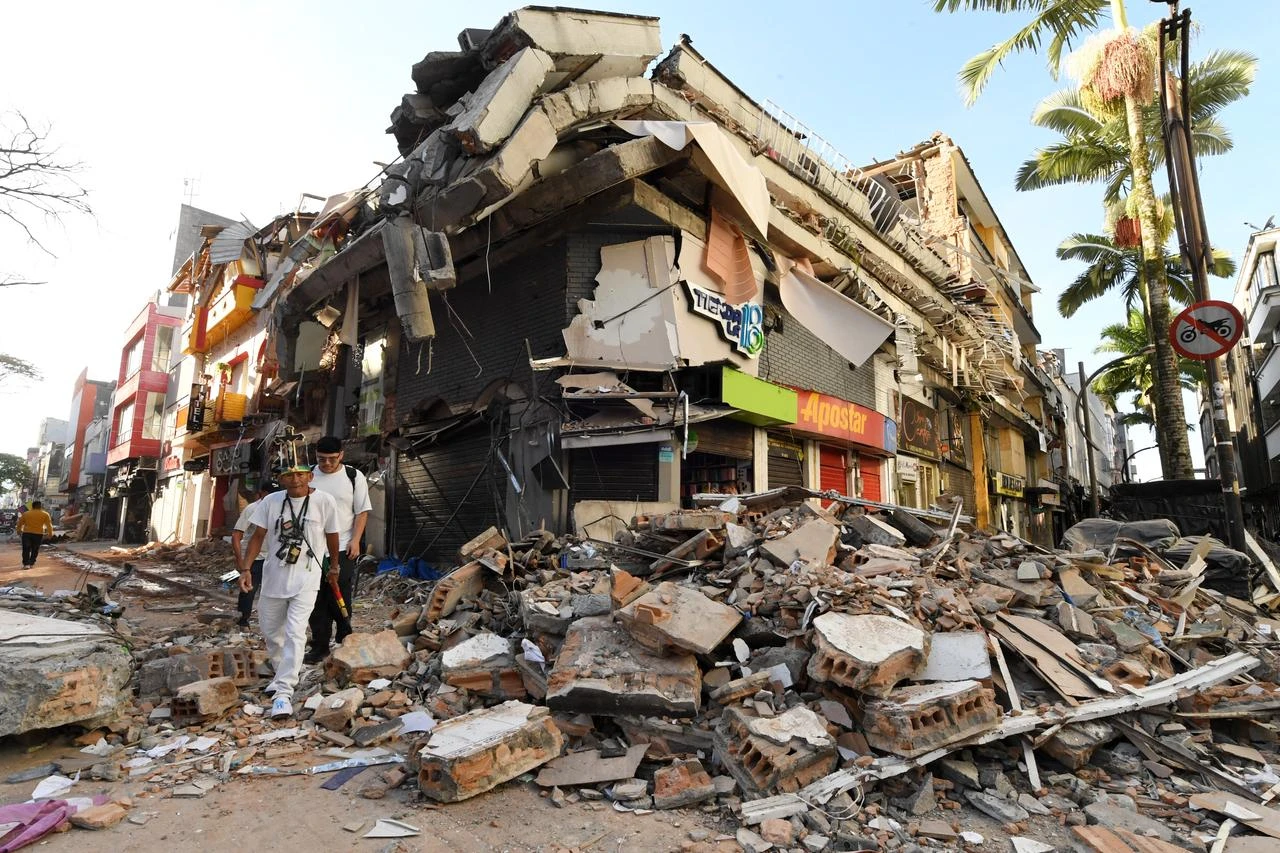
Colombia's new hard-right government on Wednesday rejected accusations that it turned away earthquake assistance for ideological reasons, after officials confirmed that rescue teams from only four countries, Ecuador, El Salvador, the United States and Israel, had been formally accepted to help in the aftermath of a 7.4-magnitude quake that has killed at least 239 people.
The disaster has become an early test for President Abelardo de la Espriella, who was sworn in last Friday and now finds his administration accused of allowing politics to shape a humanitarian response.
Foreign Minister Omar Bula said Wednesday that the government had been working continuously to sort through the international offers of help pouring in since the quake struck. "We have been working around the clock to coordinate offers of humanitarian aid," he said, adding that Colombia bore responsibility for organizing that assistance rather than accepting it indiscriminately.
Bula pointed to concrete examples of aid already moving into the country, including a 100-tonne shipment from El Salvador and a separate flight from Mexico carrying 58.5 tonnes bound for the hardest-hit areas. "We have not excluded any country," he said.
Despite the arrival of Mexican government aid, some of the country's renowned volunteer rescuers, known as "topos," or moles, a term that dates to their work sifting through the rubble of Mexico City's devastating 1985 earthquake, were reportedly prevented from taking part in search-and-rescue operations on the ground.
David Tamayo, head of Colombia's disaster relief agency, defended the restriction as a matter of qualification rather than politics.
 1 min read
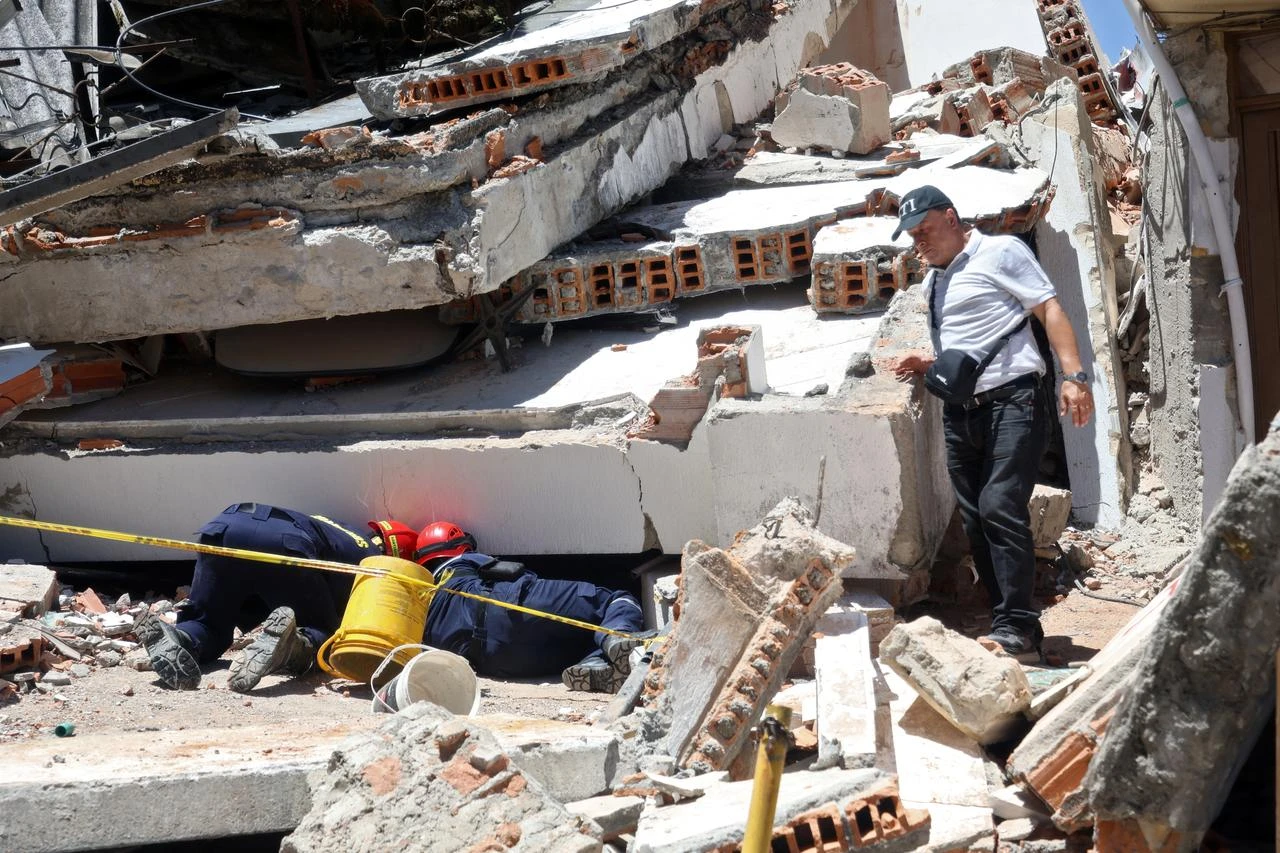
"We will only be accepting support from these countries, which can guarantee search-and-rescue teams that are recognized both by the international system and by their own governments as qualified for this work," he said.
He added that the approved teams were being deployed as self-sufficient units.
"These teams are entirely self-sufficient," Tamayo said. "They will not require additional resources from municipal authorities. They are arriving with their own equipment, food supplies fully provided." He said Colombia's domestic search-and-rescue teams had not yet been overwhelmed by the scale of the disaster.
Hector Mendez, 80, a senior topo and president of the volunteer group Topos Azteca, told AFP that 60 of his colleagues were already in Colombia and appealed directly to authorities to let them join the search. "So many people want to help, want to give everything they have to try to rescue those trapped," he said.
Mendez urged officials to set aside political considerations. "I ask you, I beg you, let's work together and try to recover our brothers and sisters buried in different locations," he said. "If we start trying to politicize this, then we're on the wrong track."


 Set as preferred source
 Set as preferred source


 1 min read