Newsletters




Thirty Democratic members of the U.S. House of Representatives have written to Secretary of State Marco Rubio demanding that the Trump administration publicly acknowledge Israel's undeclared nuclear weapons program.
The letters says the "risks of miscalculation, escalation, and nuclear use in this environment are not theoretical," the Washington Post reported.
The lawmakers say that Washington's silence on the issue is "indefensible" amid the ongoing war against Iran.
"Congress has a constitutional responsibility to be fully informed about the nuclear balance in the Middle East, the risk of escalation by any party to this conflict, and the administration's planning and contingencies for such scenarios," the lawmakers said.
"We do not believe we have received that information," they added.

The push for transparency comes as U.S. officials speaking anonymously to The Washington Post described growing internal anxiety about Israel's nuclear posture.
"There is a low boil of unease about Israel's nuclear program and what could compel them to use nuclear weapons short of facing a WMD attack," one administration official told the paper.
A scenario under fresh scrutiny involves Israel's air defenses being overwhelmed by missile or rocket fire. Whether Israel would consider a nuclear response when facing an unusually high civilian death toll has been discussed "frequently," the official said.
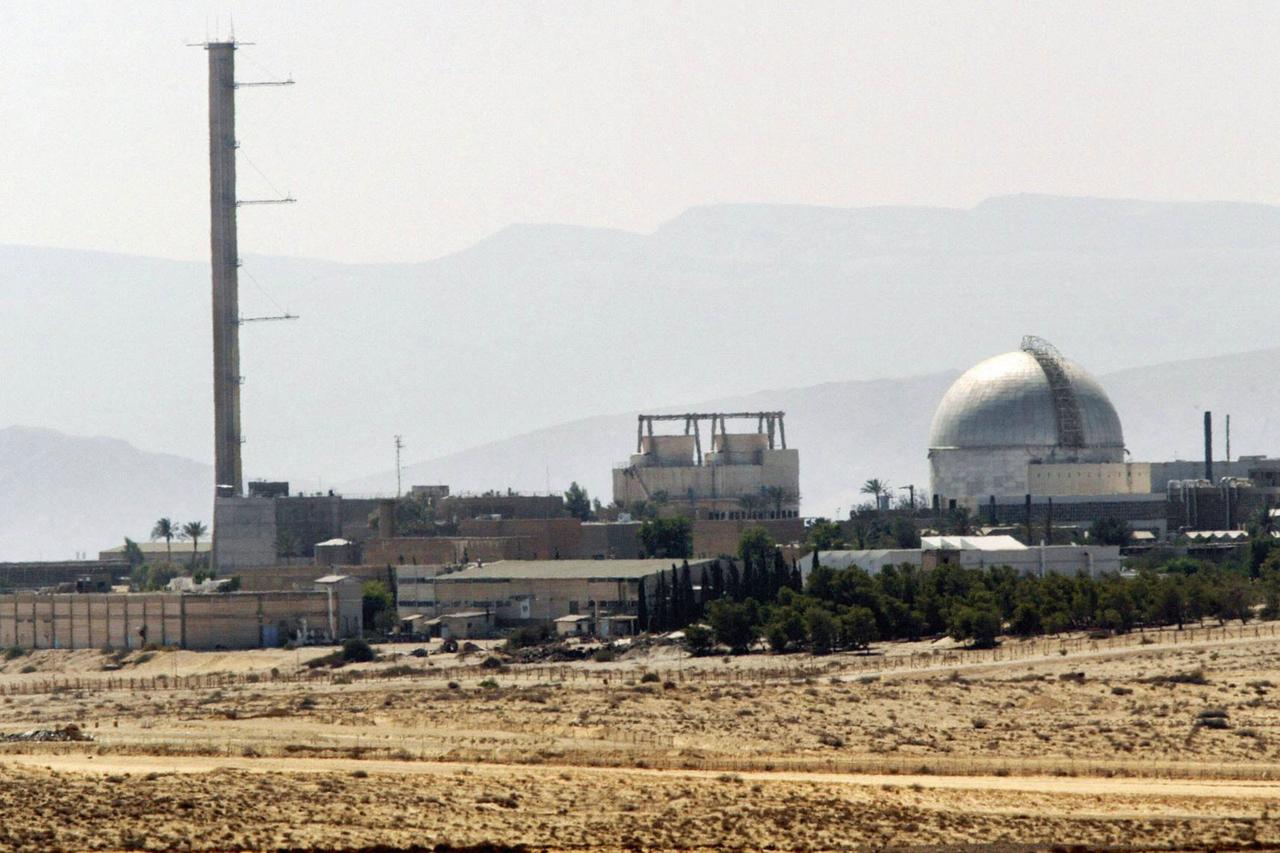
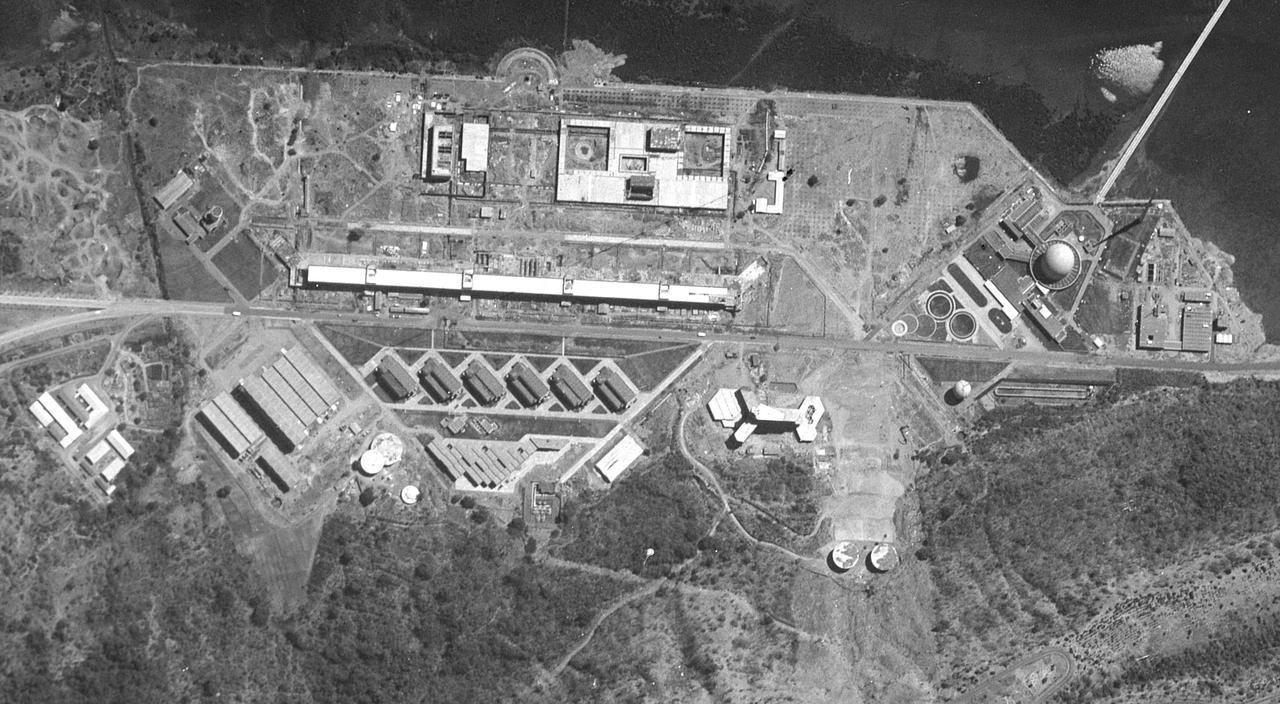
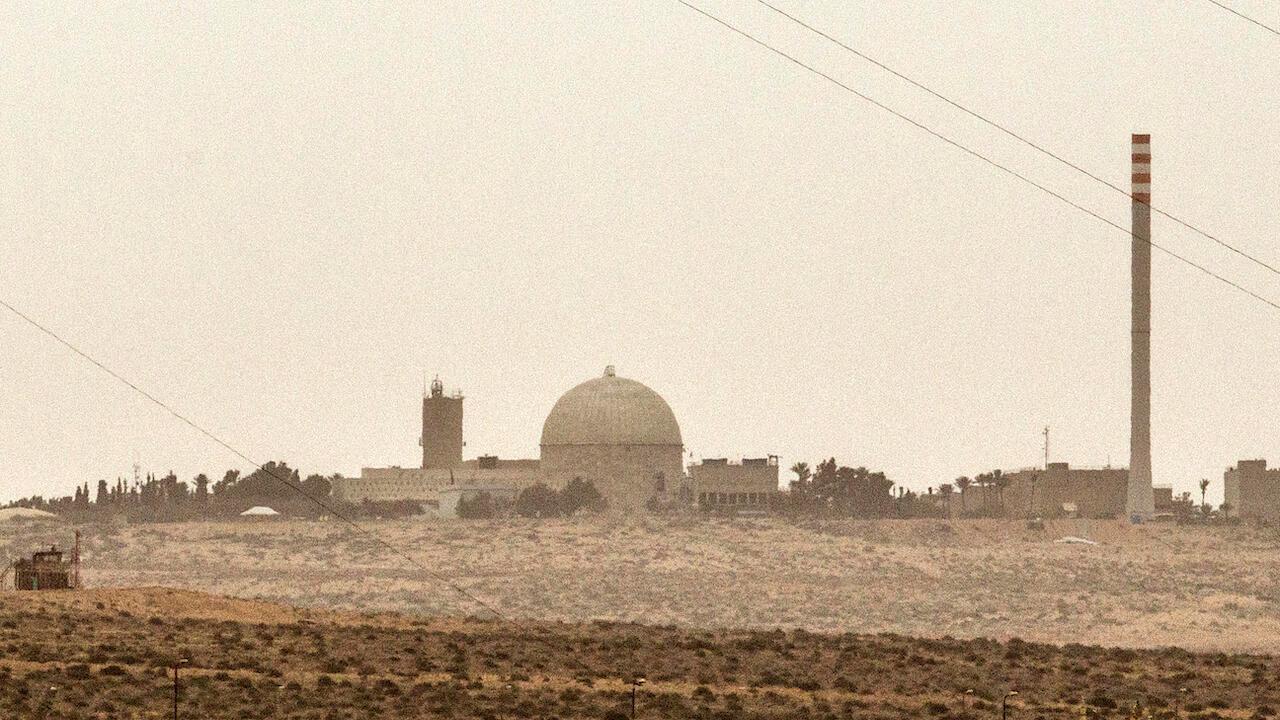
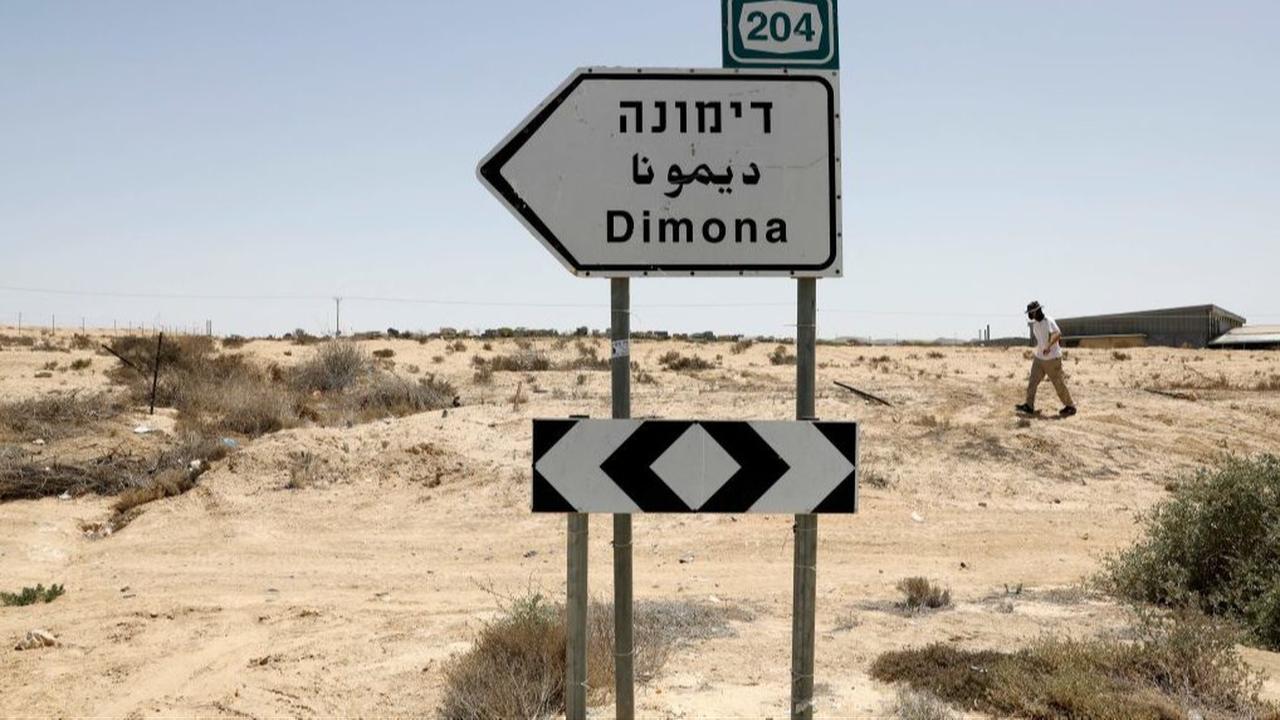
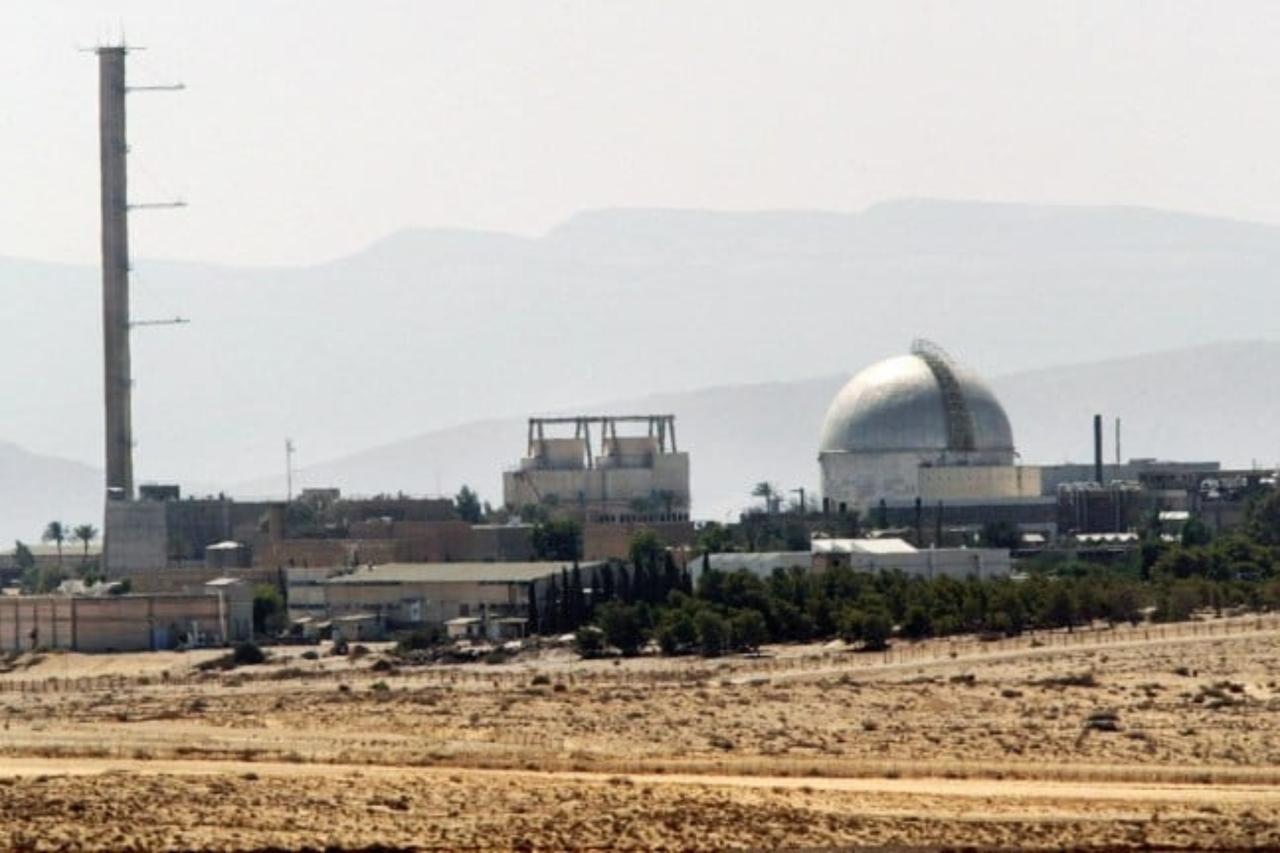
In March, Iranian missiles struck the cities of Dimona and Arad, near Israel's main nuclear research facilities, following U.S. and Israeli strikes on Iran's nuclear program. The strikes did not cause a radioactive incident but exposed gaps in Israeli air defenses, according to the report.
The Democrats' letter asks Rubio to disclose Israel's level of uranium enrichment capability, where its fissile material is produced and whether Israel has communicated to Washington its red lines for nuclear weapons use in the current conflict.
Congressman Joaquin Castro told The Washington Post he plans to make the administration's response public, and said the question of whether Israel has nuclear weapons "is not something that should be kept secret from the world."
In March, Castro had asked the State Department's top arms control official, Thomas DiNanno, to describe Israel's nuclear capability at a public hearing. DiNanno declined, saying: "I can't comment on that specific question."
Avner Cohen, a leading historian on Israel's nuclear program and professor at the Middlebury Institute of International Studies, told The Washington Post the letter represents an unprecedented break with bipartisan practice.
"This is something that people did not dare do before. Even raising these questions publicly is a departure from a bipartisan norm," he said.
Cohen traced the origin of U.S. silence to the 1969 Nixon-Meir agreement, saying: "Israel alone could not have maintained this policy over decades without the United States."
The lawmakers argued Washington's silence now actively undermines U.S. credibility on nonproliferation. "We cannot develop a coherent nonproliferation policy for the Middle East while maintaining a policy of official silence about the nuclear weapons capabilities of one party central to the ongoing conflict," they wrote, pointing to the contradiction of pressing Iran, Saudi Arabia and the UAE on nuclear activities while refusing to acknowledge Israel's arsenal.
Daryl Kimball, executive director of the Arms Control Association, told the newspaper that Israel's position is "strongly against changing the status quo," arguing that non-recognition allows Israel to redirect attention to other regional states.
Israel has never officially confirmed or denied possessing nuclear weapons, maintaining a policy of deliberate ambiguity since the program began in the late 1950s with French assistance.
The Stockholm International Peace Research Institute (SIPRI) included Israel in its list of nuclear-armed states in June 2025, estimating it possesses more than 80 nuclear warheads, approximately 30 air-deliverable gravity bombs compatible with F-15 and F-16 aircraft, and around 50 warheads for delivery by Jericho-2 ballistic missiles.
SIPRI also assessed that Israel has stored fissile material sufficient to produce up to 200 nuclear warheads.
The Democrats' letter reflects a broader shift within the party. According to the Pew Research Center, 80% of Democrats now view Israel unfavorably, up from 53% in 2022. Last month, a record 40 Senate Democrats voted to block weapons transfers to Israel.
"Many, perhaps most Democrats at this point want to see fundamental changes in the U.S.-Israeli relationship," former Obama administration official Jeremy Shapiro told The Washington Post.


 Set as preferred source
 Set as preferred source


 2 min read

 1 min read