

 Newsletters


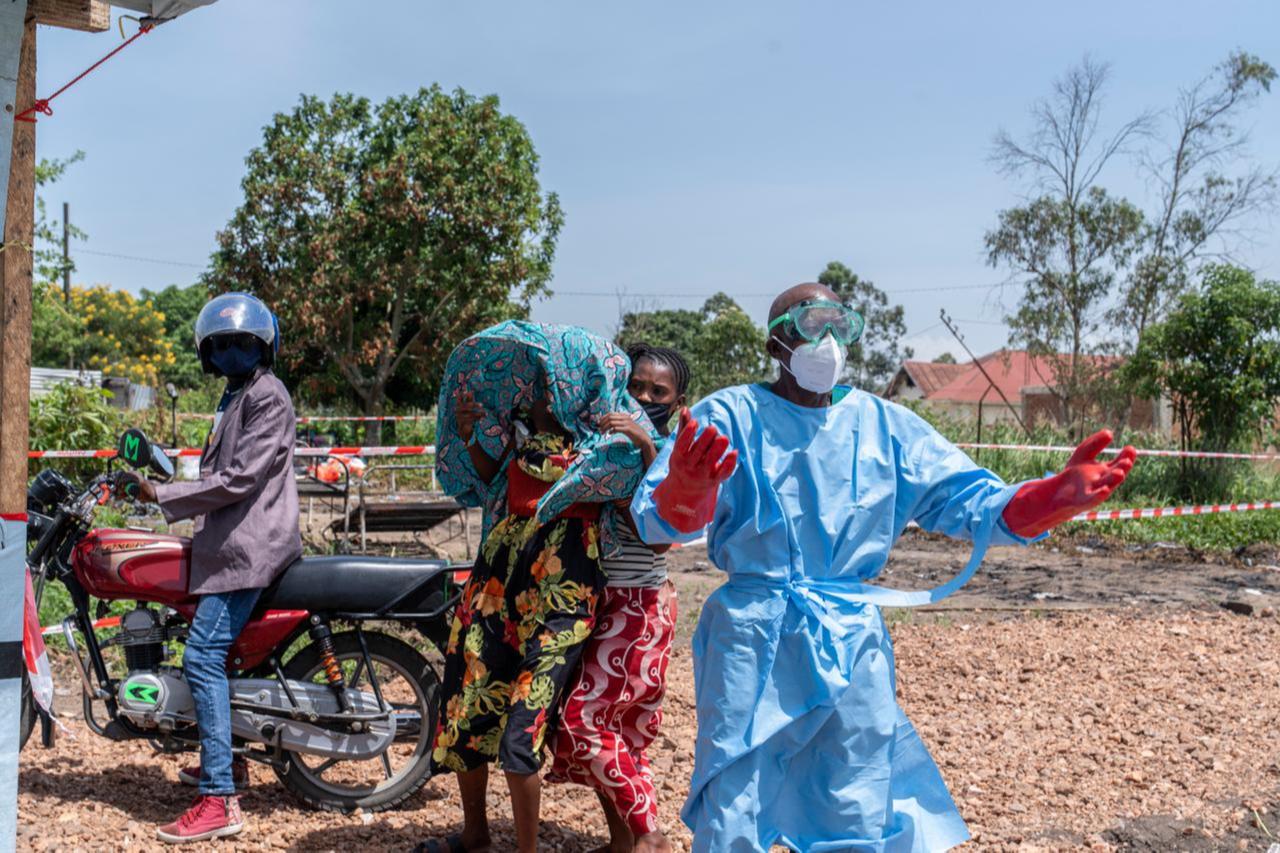


The Chinese government has decided to provide emergency humanitarian assistance to the DR Congo, specifically sending medical expert teams to deliver essential medical services and support, Chinese Foreign Ministry spokesman Lin Jian told reporters in Beijing on Monday.
Expressing solidarity with the DRC over the latest outbreak, Lin added that China is also extending assistance to the African Union Commission and the Africa Centres for Disease Control and Prevention to help counter the virus.
According to Lin, Chinese medical teams are already on the ground working shoulder-to-shoulder with local populations to fight the disease, noting that more than 45 Chinese medical teams have visited African nations in the recent past.
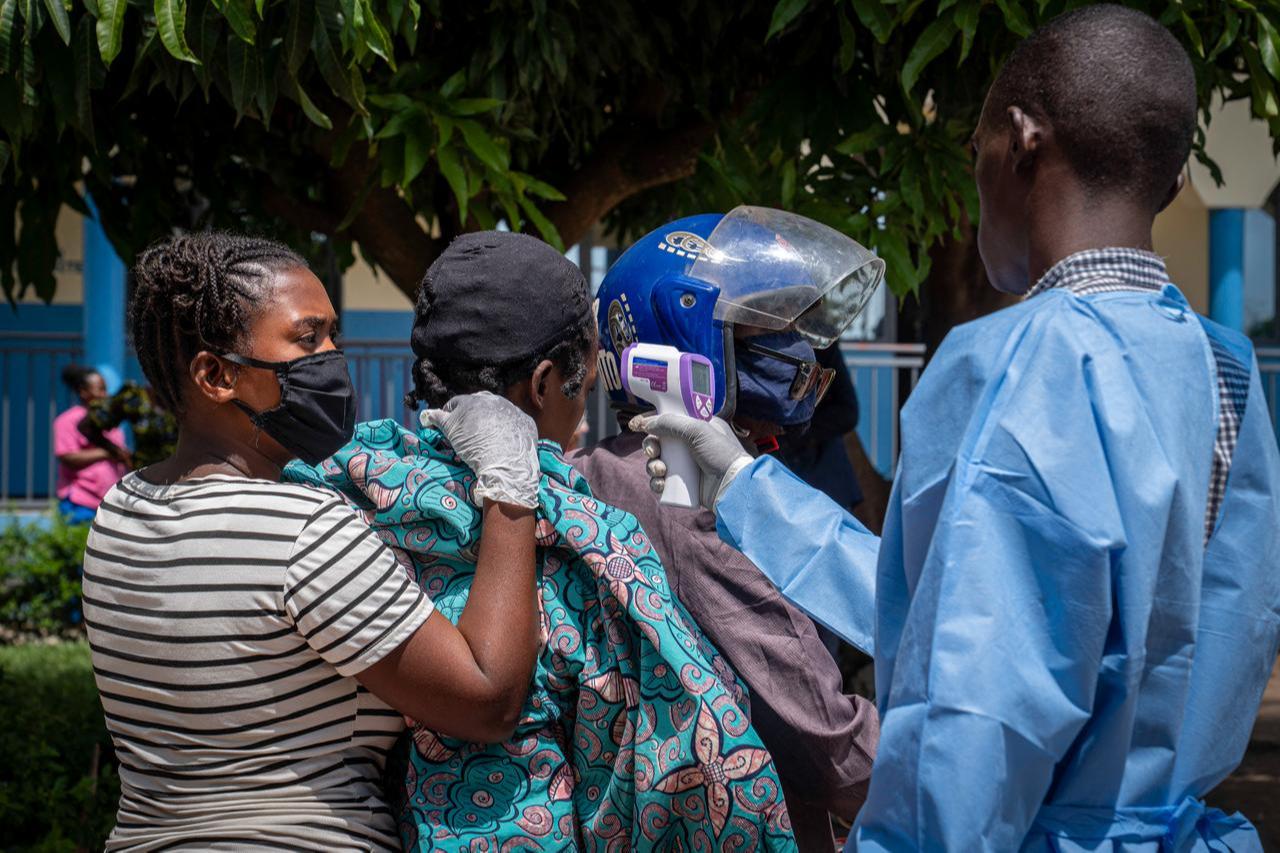

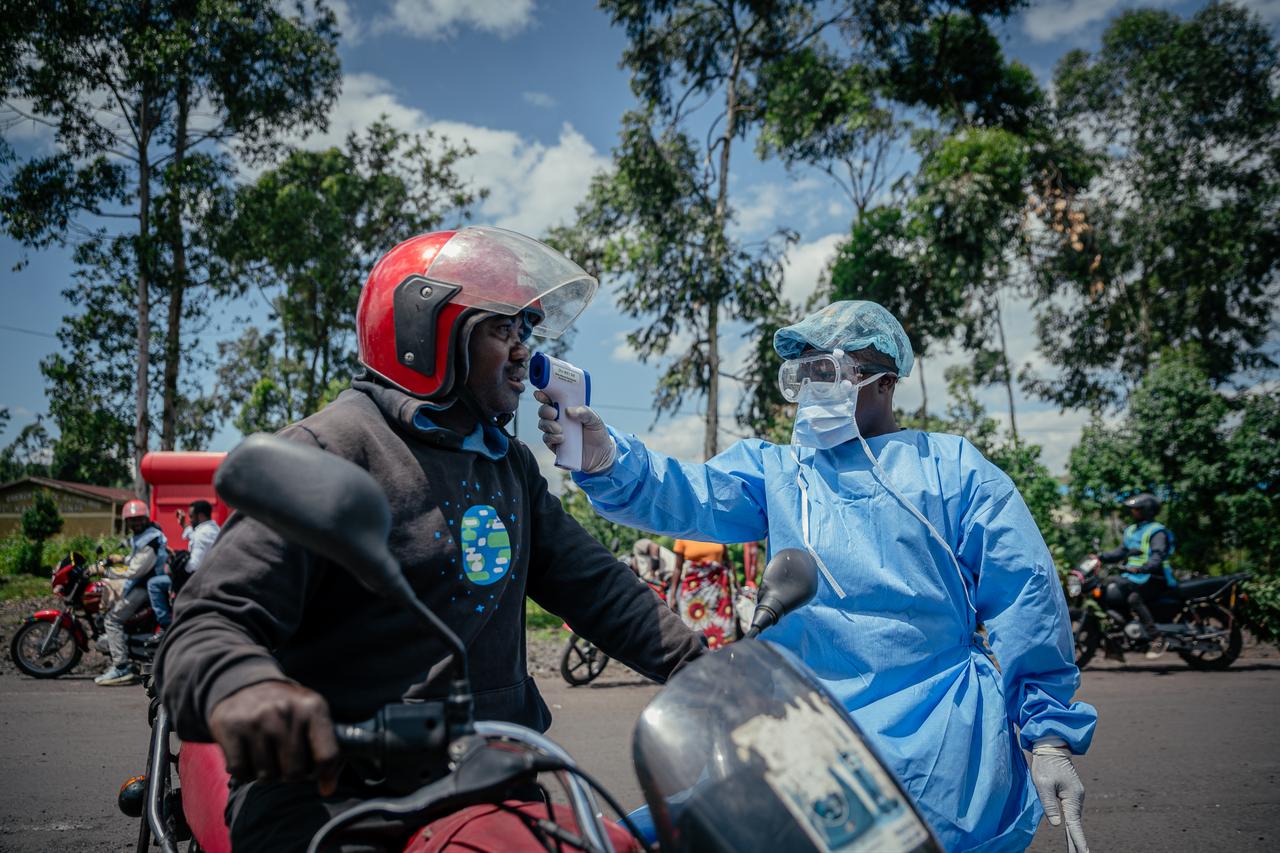
The mobilization comes as the outbreak continues to impact the region. At least 134 confirmed cases have been reported in the current outbreak across both the DRC and Uganda, according to a Friday update from the World Health Organization (WHO). Among those confirmed cases, the death toll currently stands at 18.
Congolese health authorities indicate that new suspected cases continue to be registered daily.
A cumulative total of more than 1,000 suspected cases has been recorded since the outbreak was officially declared on May 15.
The current outbreak involves the Bundibugyo strain of Ebola, which is heavily concentrated in three eastern Congolese provinces: Ituri, North Kivu, and South Kivu.
 1 min read
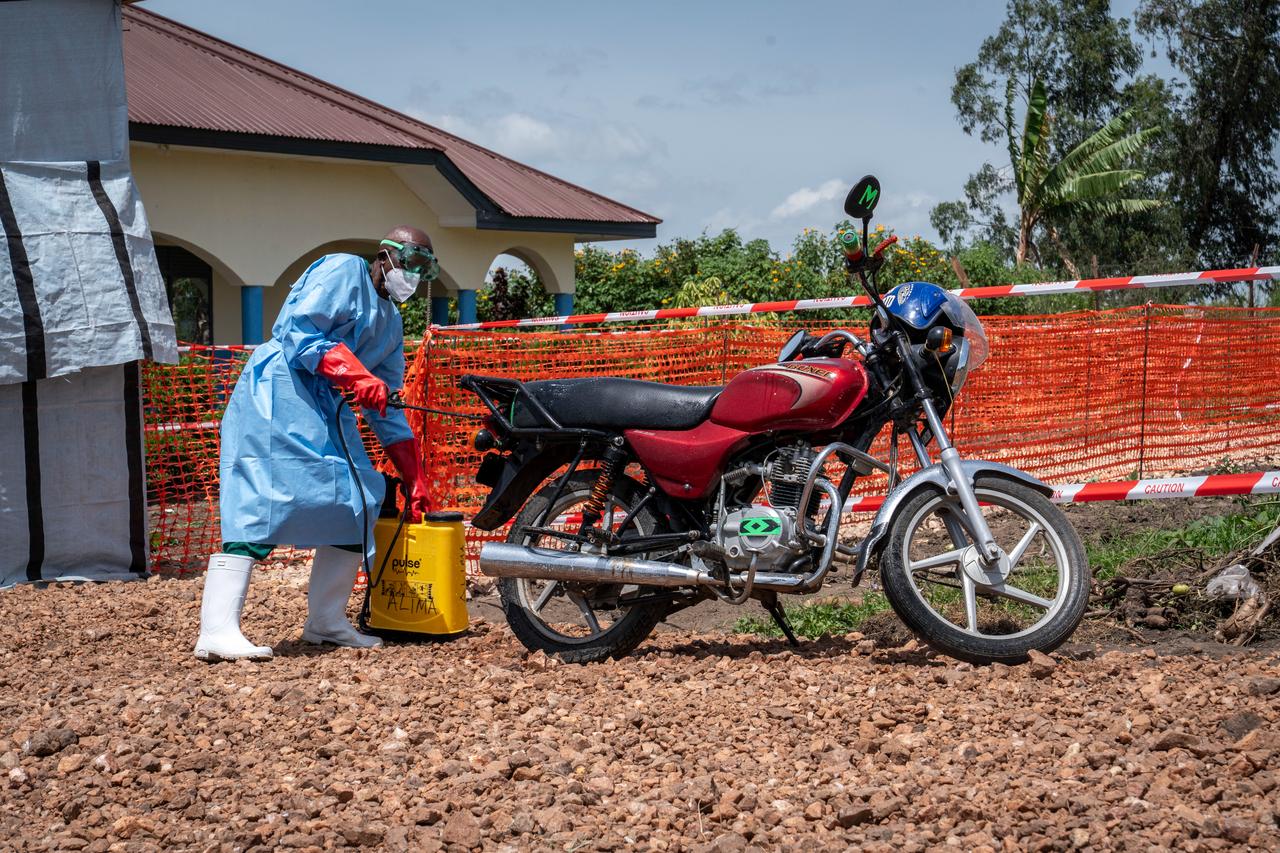
In response to the health crisis, several nations have implemented strict border controls, drawing criticism from global health officials.
Canada and the United States have imposed travel restrictions and suspended visas for residents of the DRC, Uganda, and South Sudan, citing concerns over the outbreak.
Additionally, neighboring Rwanda and Uganda have limited travel from the DRC despite sharing direct borders with the country.
WHO Director-General Tedros Adhanom Ghebreyesus has urged countries that closed their borders or imposed travel restrictions to reconsider these measures, advocating for a response that does not disrupt international travel and regional mobility.


 Set as preferred source
 Set as preferred source



 1 min read


