Newsletters


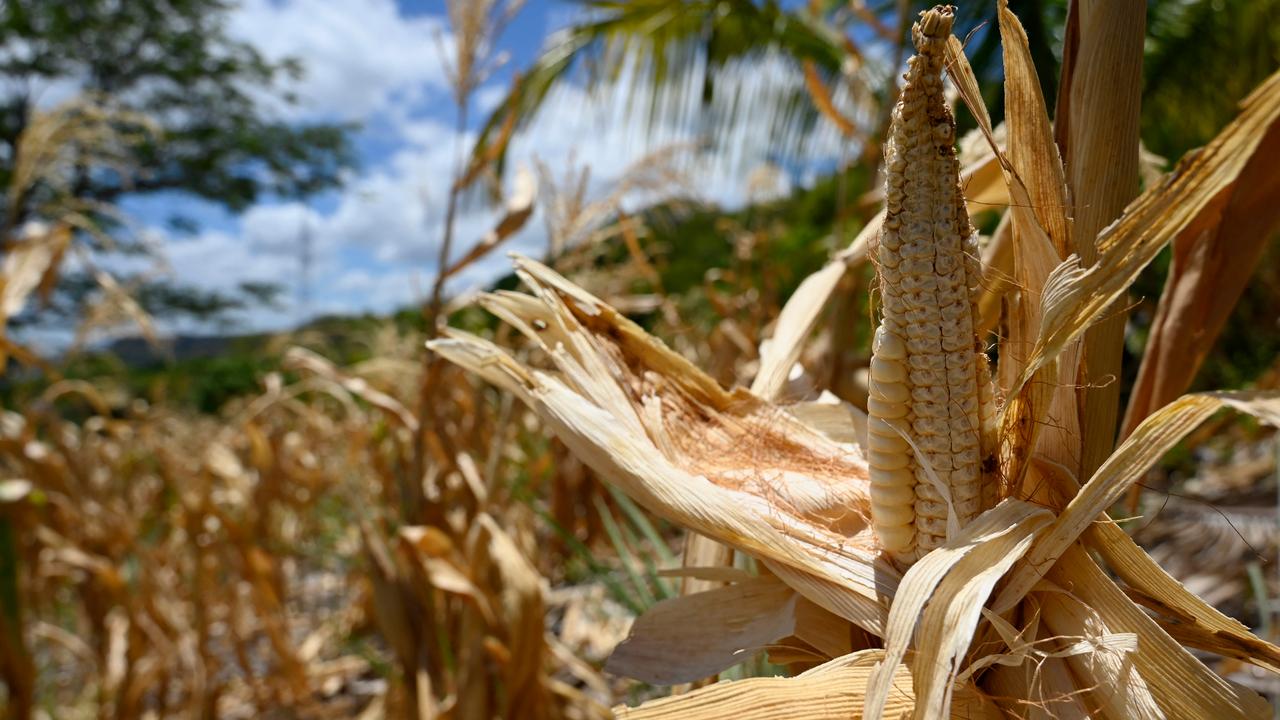
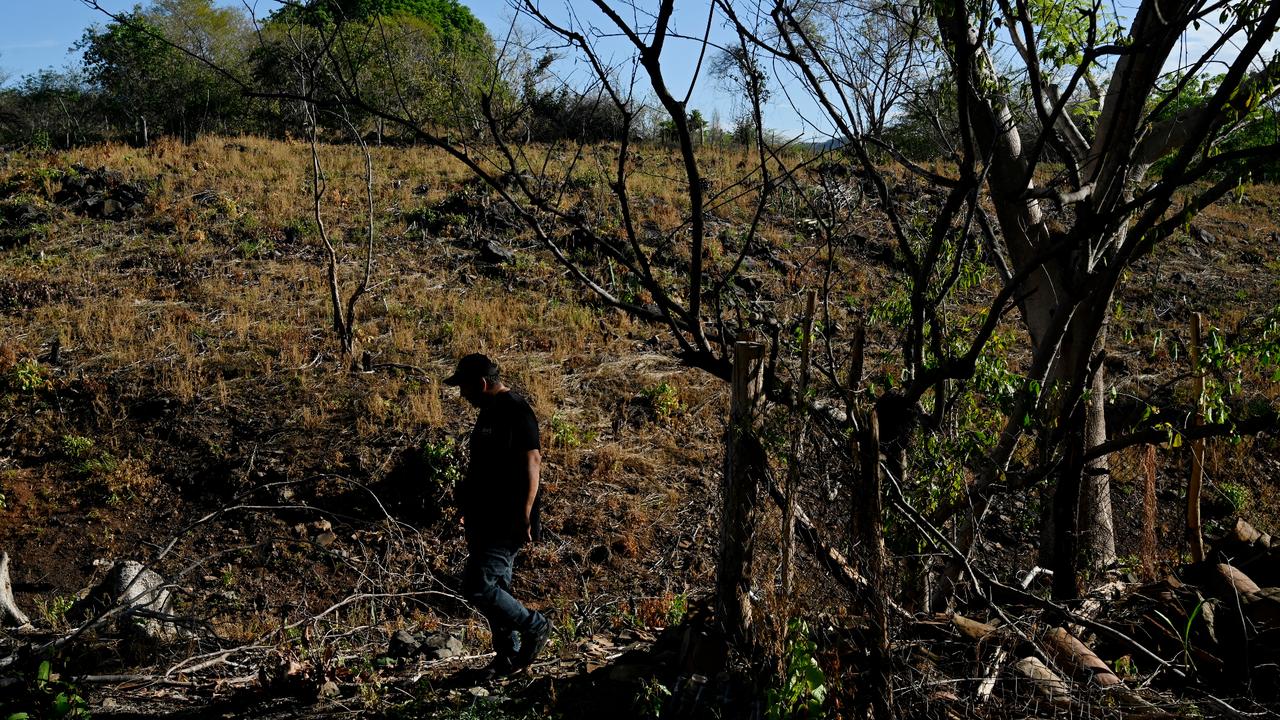
Animals are dying amid the worst drought in living memory for many Central Americans, contending with the unforgiving effects of a powerful El Nino. The same scene is repeating across the Central American Dry Corridor, spanning Honduras, Guatemala, El Salvador, Nicaragua and Costa Rica.
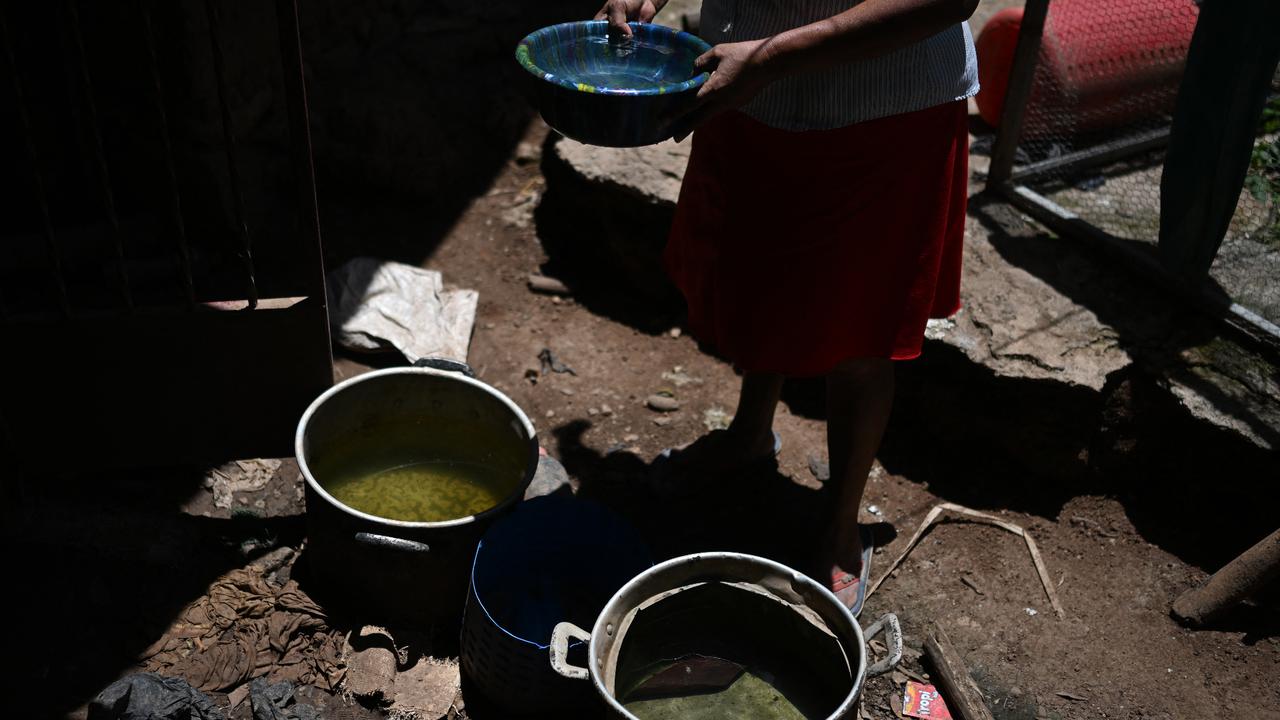
More than 10 million people live here, and 80% of small-scale producers in the corridor live in poverty, United Nations figures show.
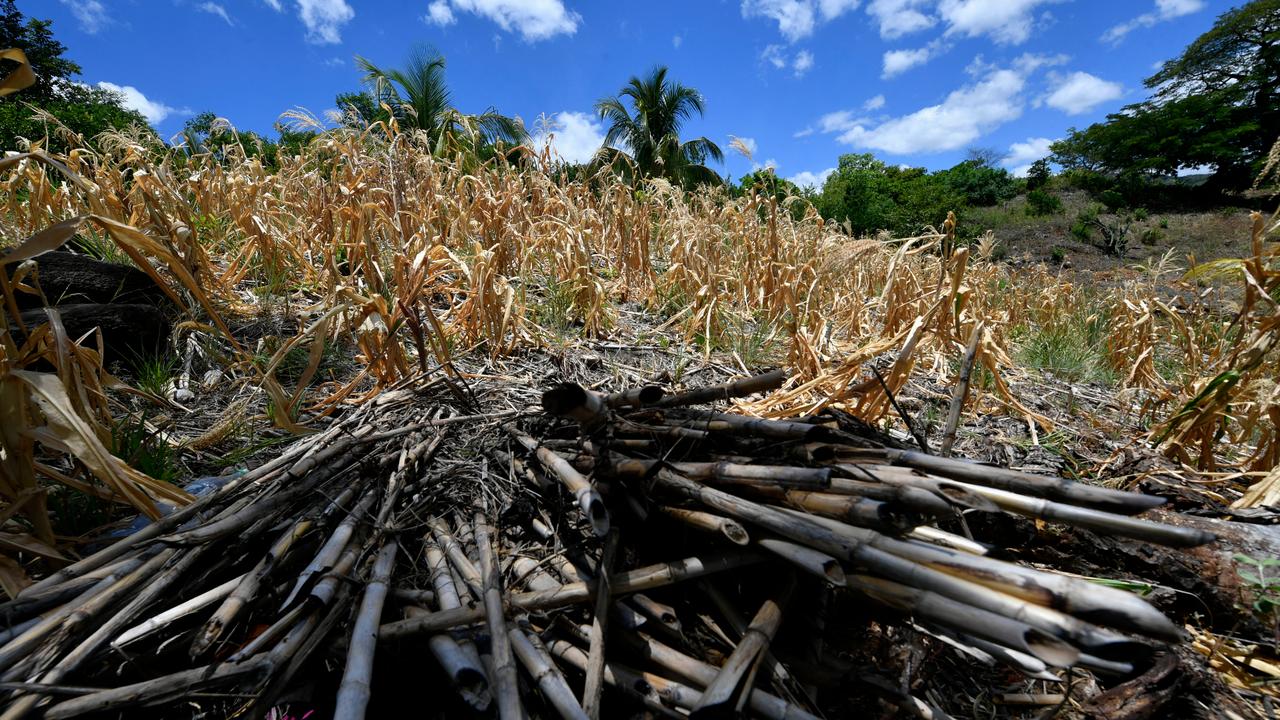
Extreme weather is nothing new here, but this year's El Nino, expected to be the strongest since comparable records began four decades ago, has bewildered locals. At this time of year, corn should be flourishing on the plot belonging to resident Francisco Molina. But the field sits empty, surrounded by livestock carcasses decaying under the boiling heat.
The same disaster is playing out in El Salvador. Maria de la Paz Portillo oversees an increasingly thirsty water tank that supplies the northeastern El Matazano community, where temperatures have hit a record-breaking 107.6 degrees Fahrenheit (42 degrees Celsius). "This is the first year that we've seen this shortage and this need for water," the 31-year-old said.
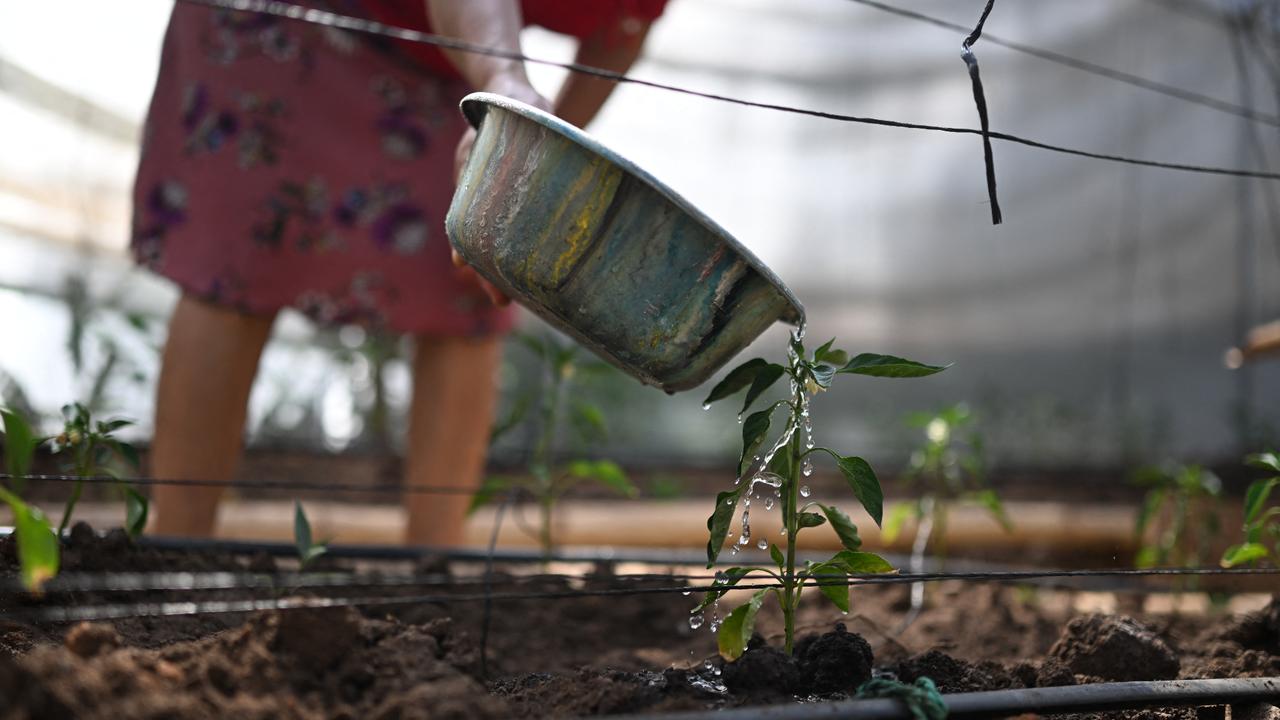
El Nino raises surface temperatures in the central and eastern equatorial Pacific Ocean and triggers global changes in winds and rainfall as well as erratic weather. Farmers, unable to rely on excess crops to feed themselves, are cutting down on how much they eat.
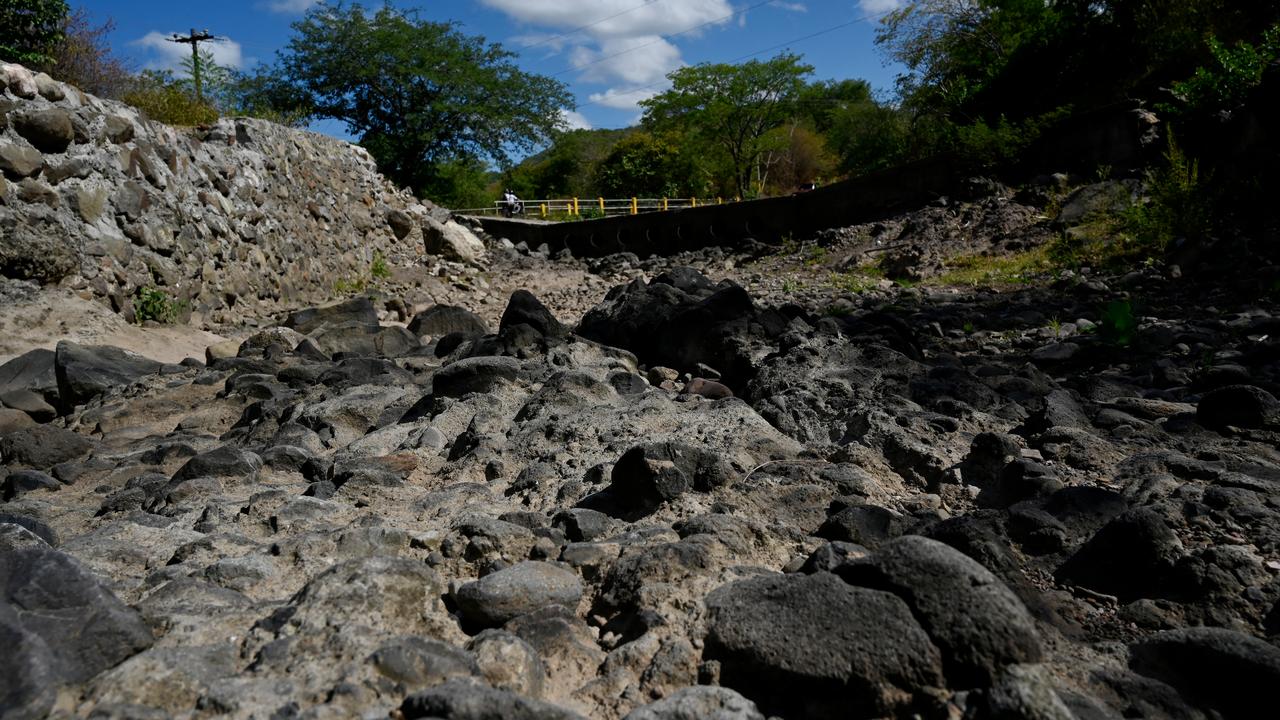
Governments have declared national emergencies but are facing accusations of abandoning affected communities, with many depending on NGOs for help.
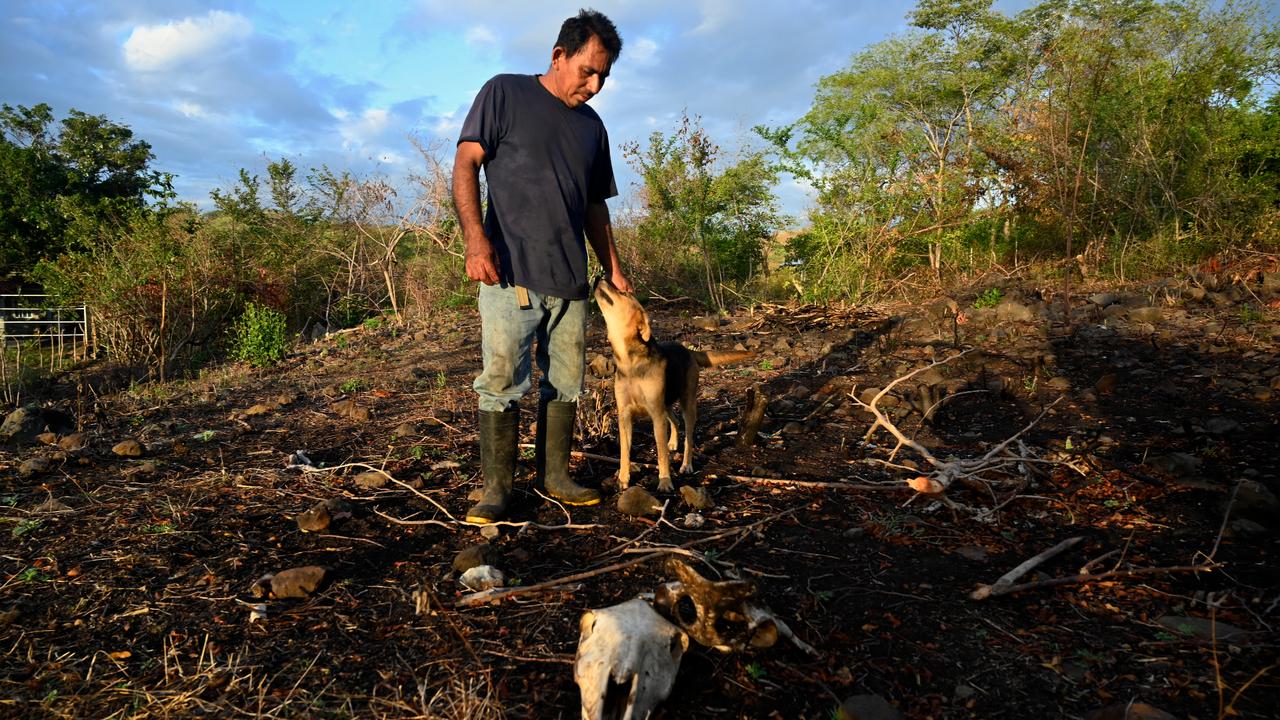
"All the corn harvests are going to be lost," said Indigenous leader Elvira Pasa from a remote village in the municipality of Cunen, northern Guatemala. Guatemala already suffers from serious child malnutrition, a problem the drought is making worse. He says some villagers are already buying corn at prices 50% higher than normal.
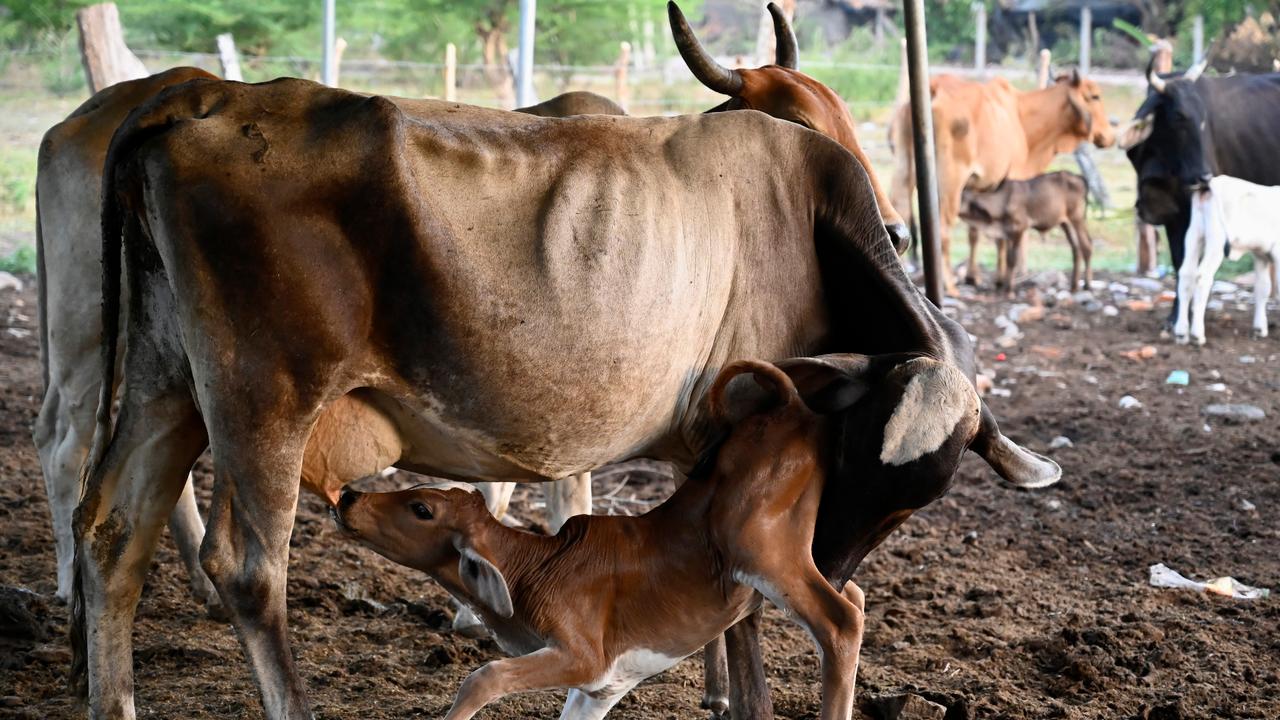
The drought is also killing off malnourished livestock, and some San Lorenzo farmers are rushing to sell their cattle before the animals die. The Honduran village has lost around 100 cows in recent months, their skeletons scattered across the parched fields as farmers milk what few scrawny animals remain.
El Nino could push 16 million people across Latin America toward food shortages, Lena Savelli, regional director of the U.N. World Food Program, told Agence France-Presse (AFP). The climate phenomenon is expected to peak by year's end, but experts warn its effects will linger well into 2027.

 5 min read


 Set as preferred source