Newsletters


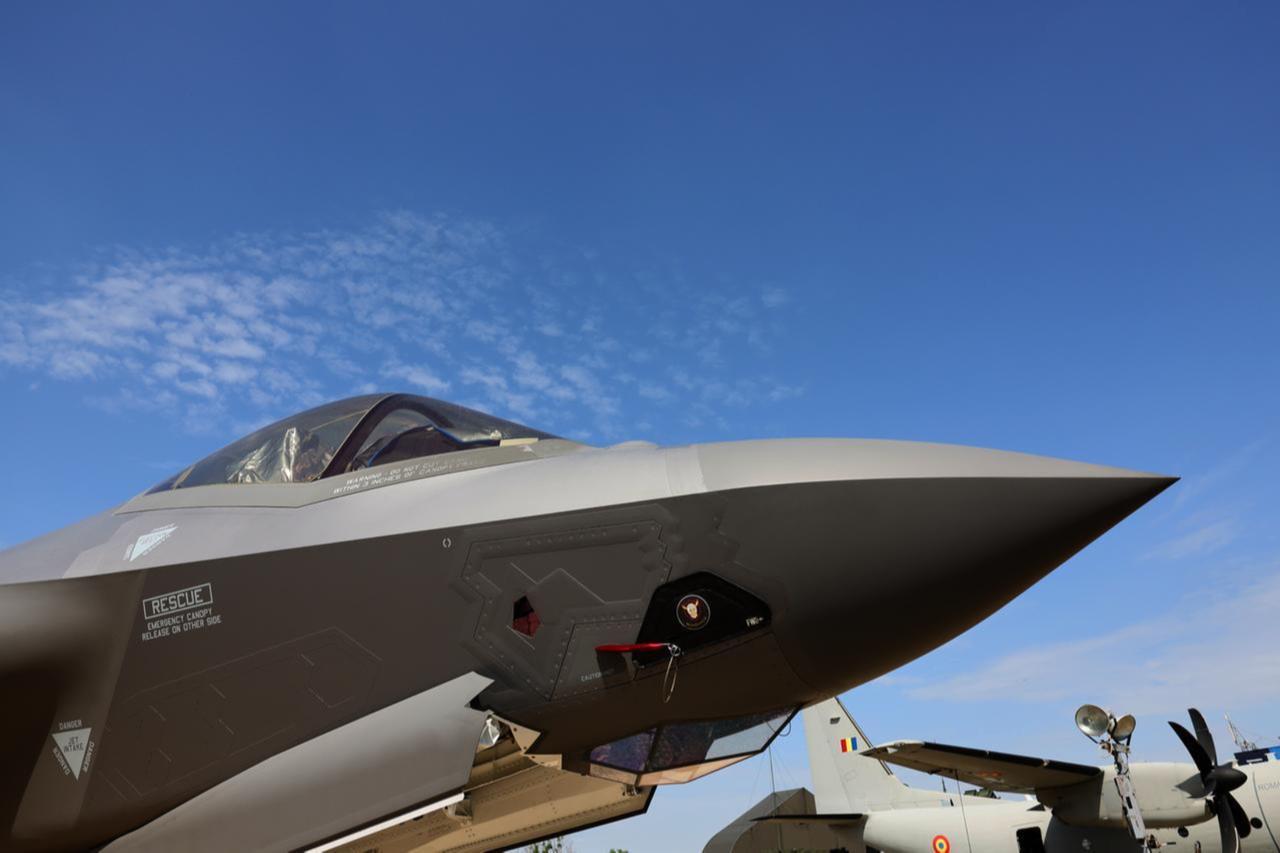


The Netherlands' caretaker State Secretary for Defense has openly suggested that European allies could bypass American control over the F-35 fighter jet's software, comparing the process to jailbreaking an iPhone, in a striking public admission that underscores growing European anxiety over dependence on US military technology.
Gijs Tuinman, a member of the BBB party serving as State Secretary for Defense in the Dutch caretaker government, made the remarks during an appearance on BNR's Boekestijn & De Wijk podcast, where he addressed a range of sensitive defense topics including European readiness against a potential large-scale Russian attack on NATO countries, the prospect of a European defense posture without American support, and the thorny issue of F-35 software dependency.
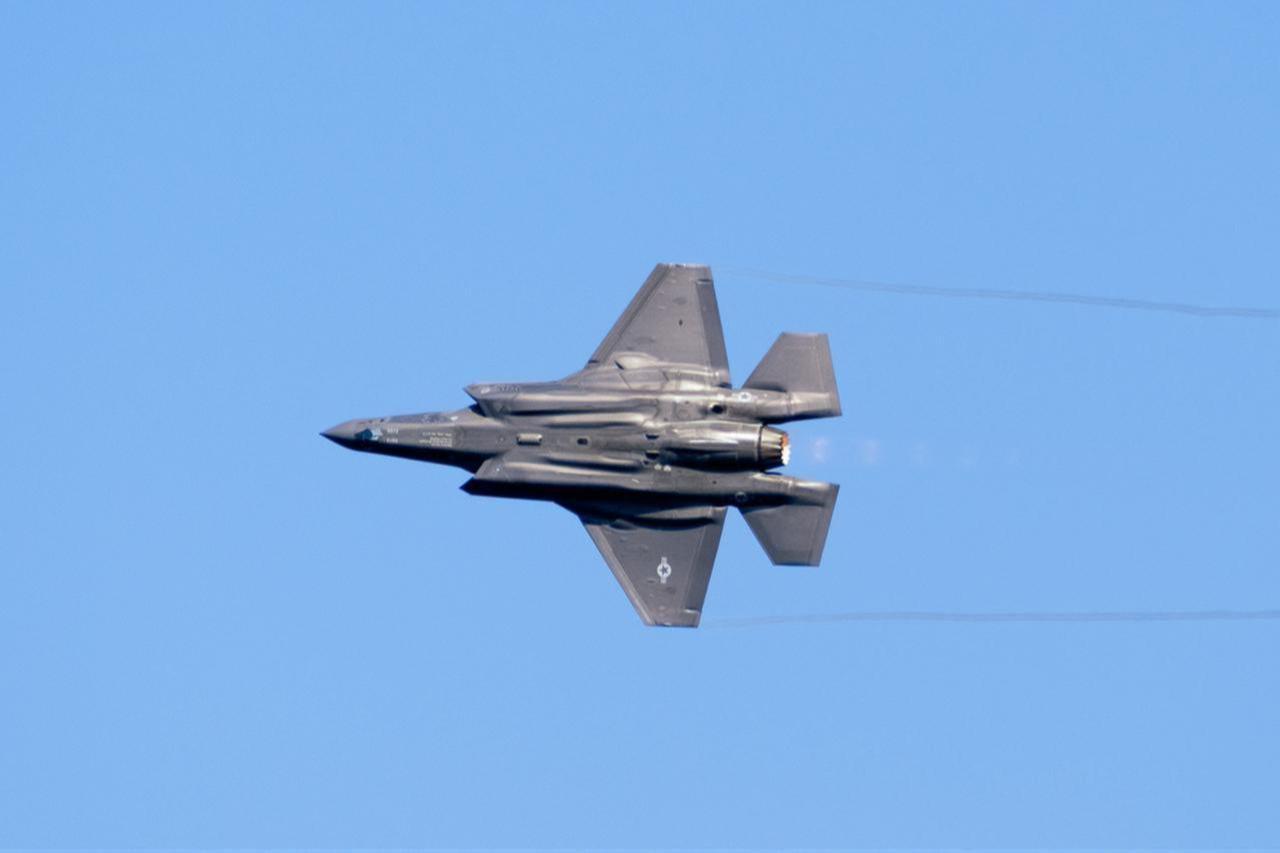

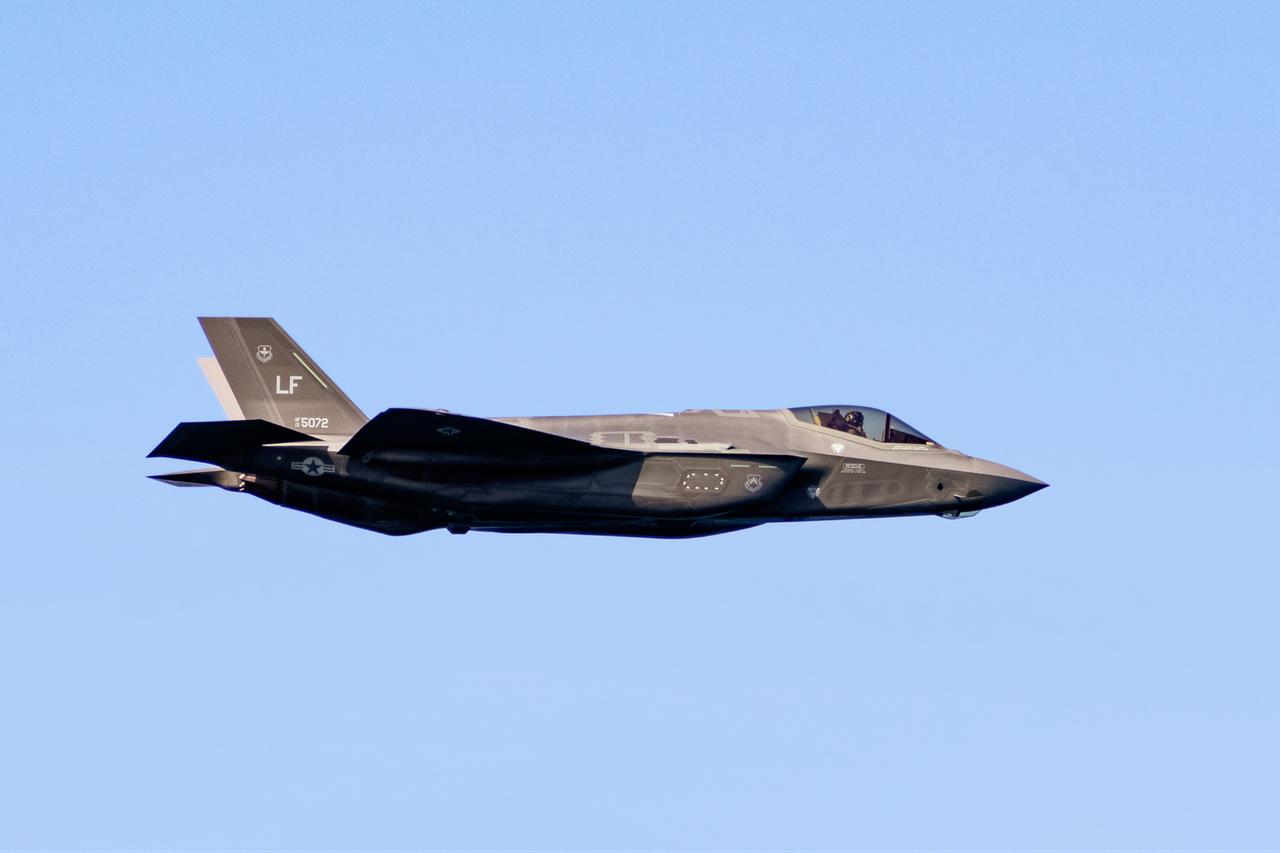
The F-35 Lightning II, produced by Lockheed Martin, is the backbone of multiple European air forces, but its software and mission systems are developed and controlled by the United States. Operational updates, maintenance codes, and capability upgrades all flow through American channels, a dependency that has long concerned allied governments but rarely been discussed so bluntly in public.
Asked whether the reliance of Dutch F-35s on US software updates would become a problem if the Americans pulled back as allies, Tuinman said the Netherlands would work closely with Norway, and soon Poland, over the next year and a half to two years to develop a European solution. "Then we will see for ourselves whether the Americans will actually clarify their position or not," he said.
When pressed on what would happen if the United States refused to cooperate on software updates or proved unwilling to do so, Tuinman offered a remarkably candid response. "I'm going to tell you something I should never say, but I'm doing it anyway. Yes, in the end you have another option. You can also crack the F-35's software. Just like an iPhone," he said, adding: "I won't say anything more about that."
The comparison to iPhone jailbreaking, a practice in which users override manufacturer restrictions to gain full access to a device's operating system, is notable for its casualness. In the context of the world's most advanced and expensive fighter jet program, worth over $1.7 trillion in lifetime costs, the suggestion that allied nations might independently reverse-engineer or circumvent US-controlled software carries significant diplomatic and technical implications.
 4 min read
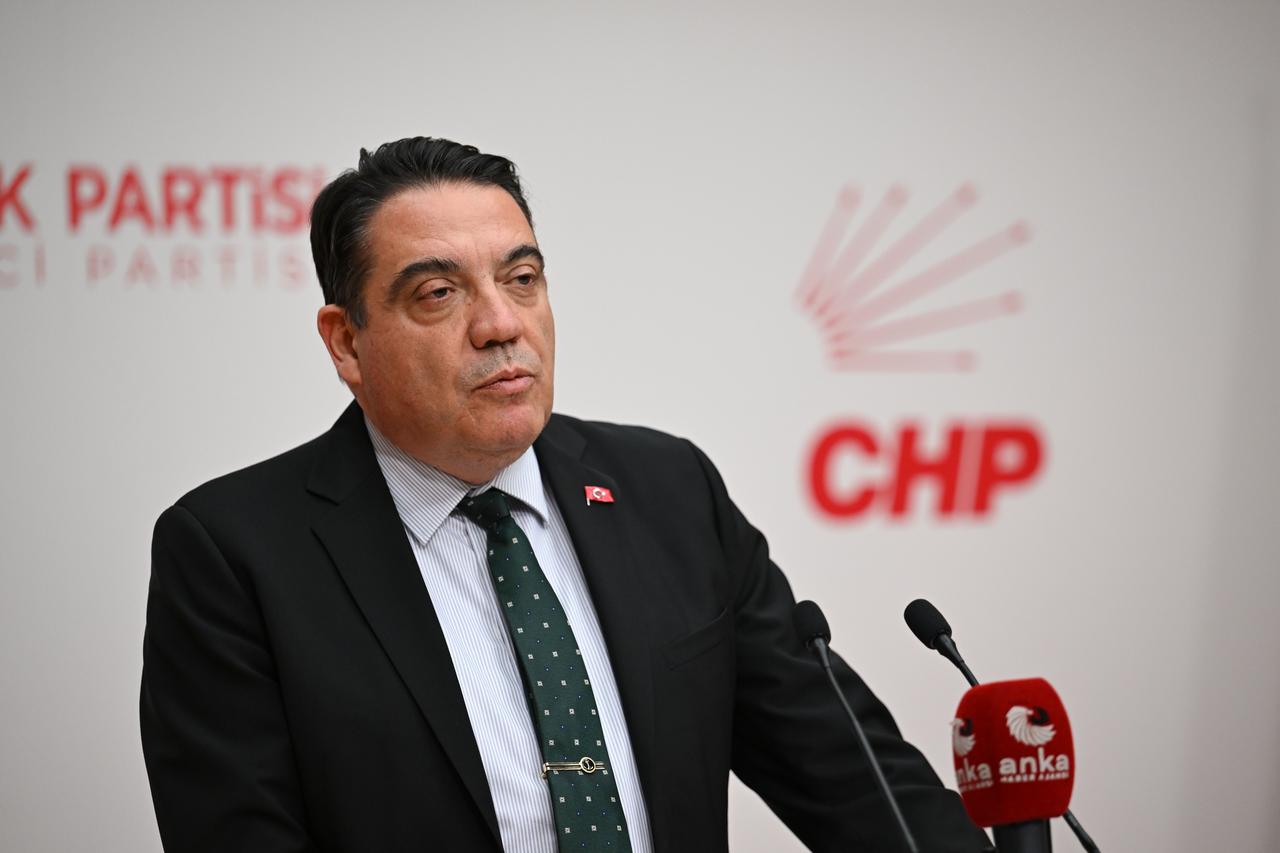
Tuinman also outlined the Netherlands' broader defense timeline, saying that by the end of 2028, everything would be in place to counter the Russian threat. He specified that tanks, additional F-35 aircraft, ordered Tomahawk cruise missiles, and artillery systems would all be delivered by that date.
The remarks come as European NATO members are reassessing the reliability of American security guarantees and accelerating efforts to build autonomous defense capabilities. The F-35 program, which involves numerous partner and customer nations across Europe and the Asia-Pacific, has long been a symbol of allied interoperability but also of asymmetric dependency, since the United States retains ultimate control over the aircraft's most sensitive technologies.
Tuinman's willingness to discuss the possibility of cracking the jet's software on a public broadcast is likely to draw attention both in Washington and across allied capitals, as it touches on one of the most sensitive fault lines in transatlantic defense cooperation.


 Set as preferred source
 Set as preferred source


 1 min read