Newsletters


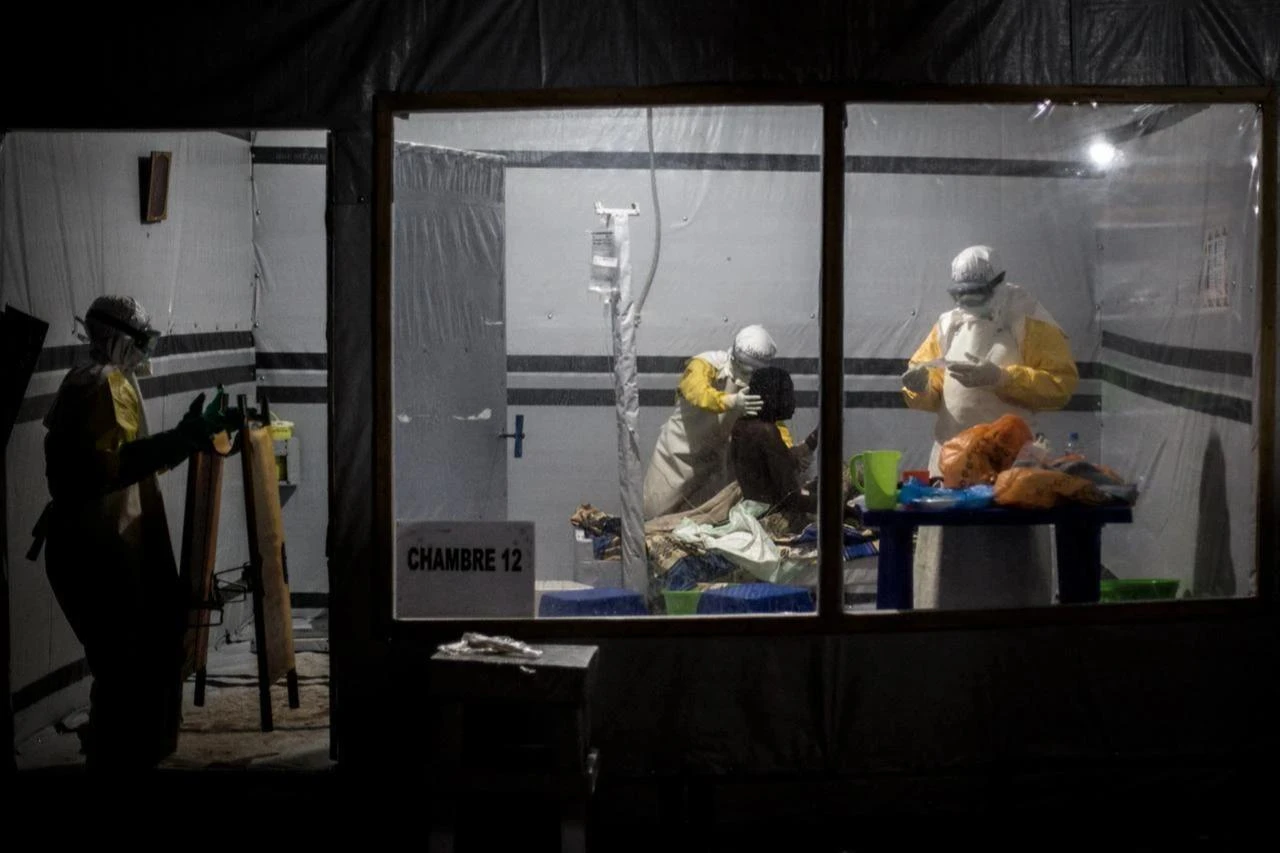


Confirmed Ebola cases in the Democratic Republic of Congo went over 1,500 on Friday after health officials reported more than 40 new infections, according to a Health Ministry update released Saturday.
The ministry said the death toll from the outbreak, first declared on May 15, has reached 473. Health officials also reported 213 recoveries, and 628 patients are still being treated.
The outbreak is mainly affecting 34 health zones in Ituri, North Kivu, and South Kivu, three provinces in eastern DRC that have struggled with instability for years. More than 11,000 people who had contact with confirmed patients are being monitored as part of the response.
The ministry said efforts to involve communities are ongoing, but some areas, especially in Ituri province, have shown resistance.
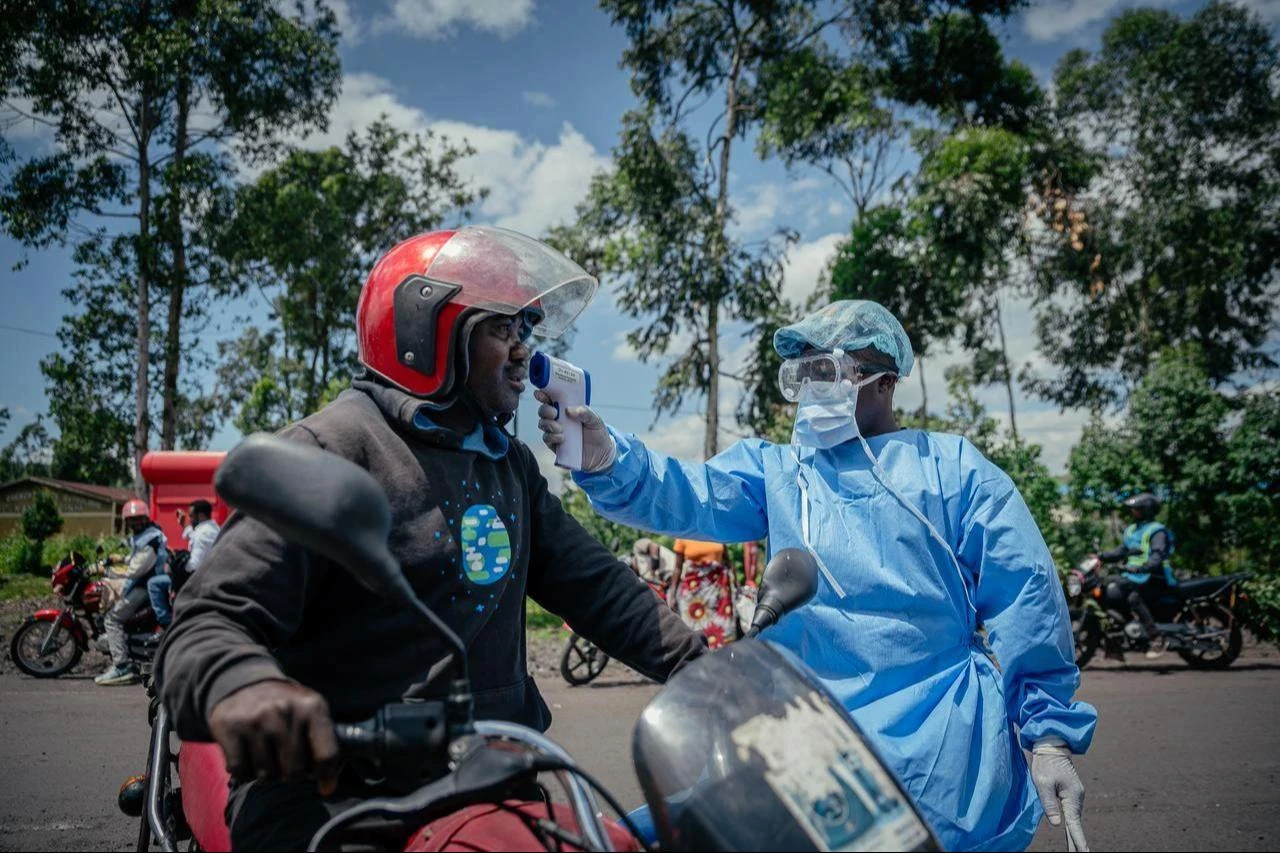

This week, the Africa Centers for Disease Control and Prevention (Africa CDC) held a high-level meeting in Kinshasa, the DRC's capital, to bring together political leaders, international partners, and resources for the response. The agency said the goal is to help Congo more quickly and prevent the virus from spreading further in the region.
At the meeting on Thursday, Congolese President Felix Tshisekedi urged African countries to work together and emphasized the importance of building stronger epidemic response systems across the continent.
Africa CDC said that donors and international partners have pledged $910 million to support Ebola response efforts in the DRC and in neighboring Uganda, where 20 cases have been reported.
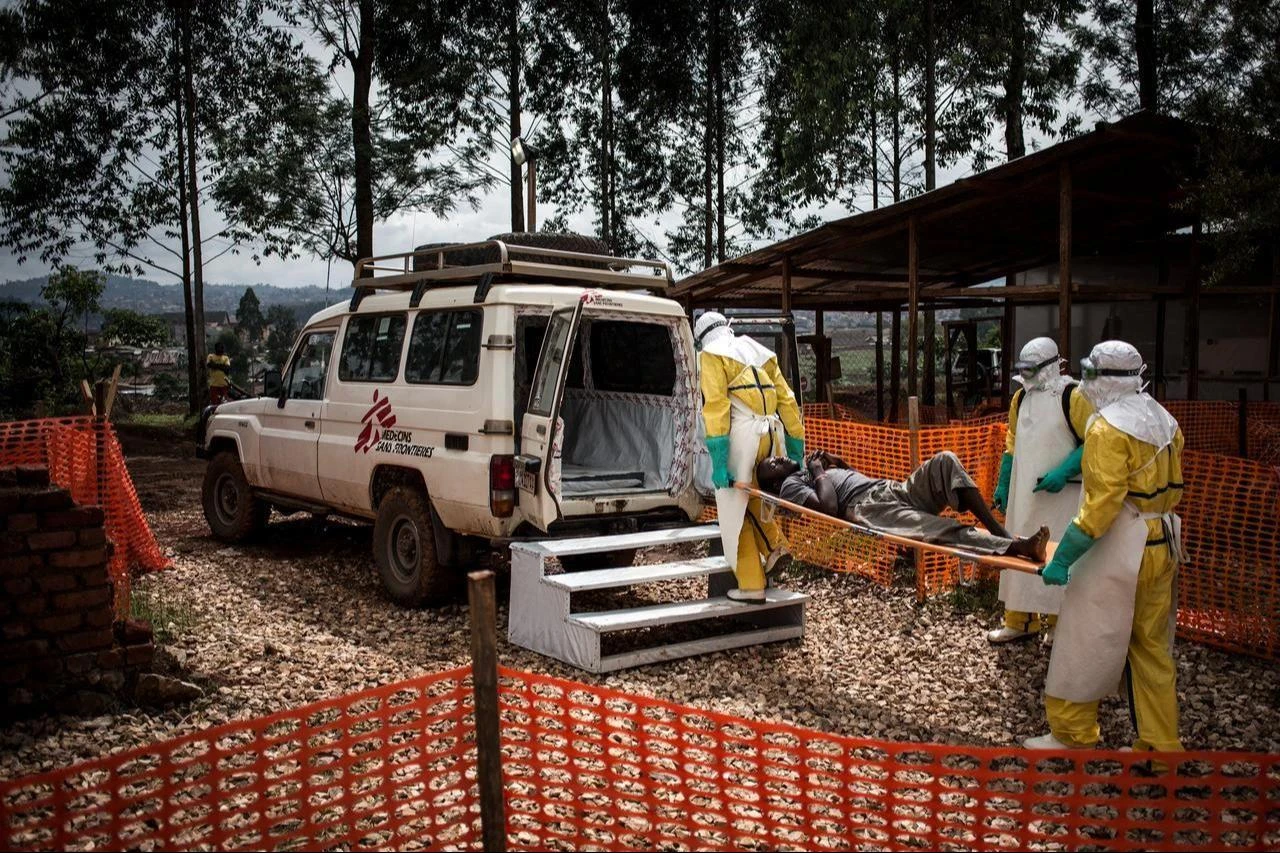
On May 17, two days after the outbreak was declared, the World Health Organization (WHO) classified the outbreak, which is caused by the Bundibugyo strain of the Ebola virus and has since spread to Uganda, as a Public Health Emergency of International Concern (PHEIC), the agency's highest level of alert.
The Bundibugyo strain is one of several known types of the Ebola virus. This virus causes severe hemorrhagic fever and has led to deadly outbreaks in Central and East Africa.
Health officials in the DRC have not said when the outbreak might end, but the ministry reported that surveillance and containment efforts are still underway in the affected provinces.


 Set as preferred source
 Set as preferred source



 4 min read