Newsletters


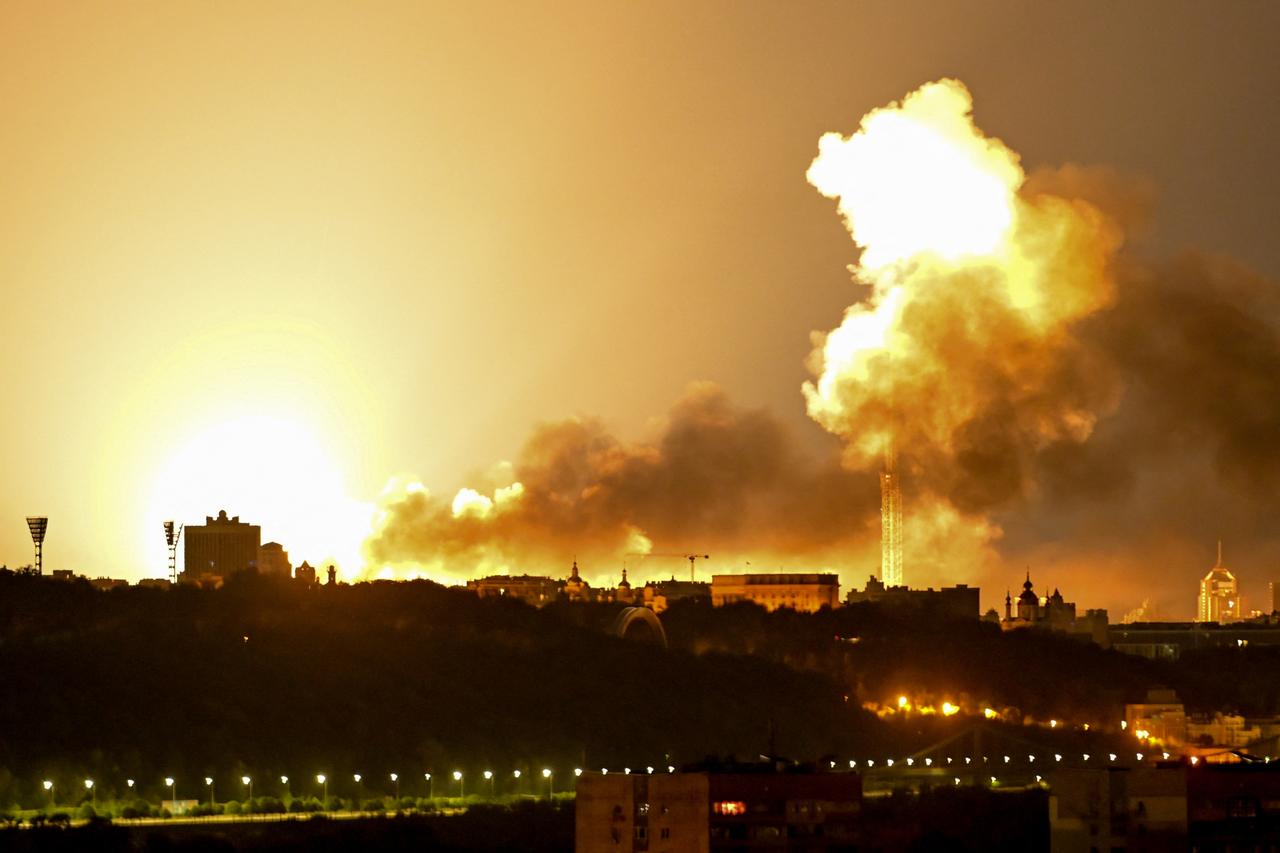
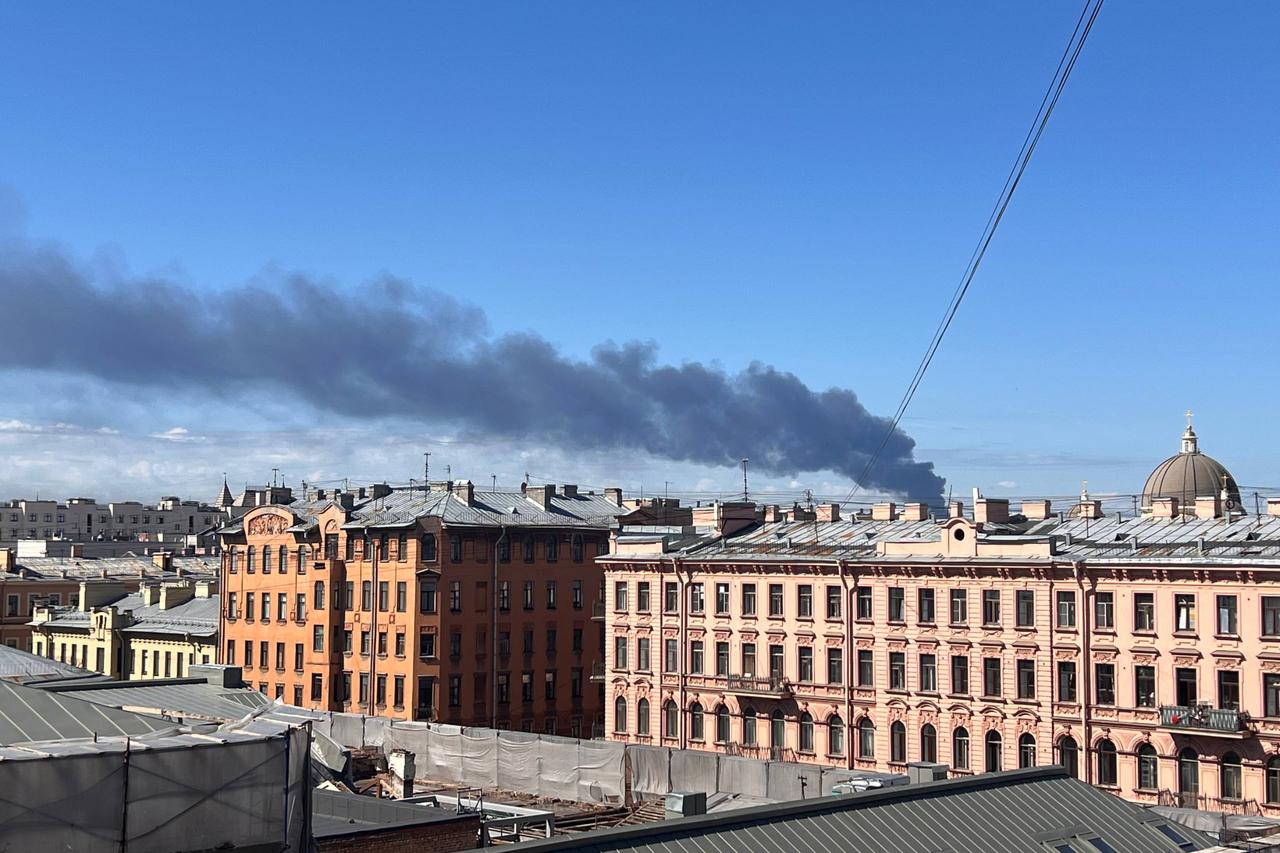
Ukrainian drones struck an oil terminal in the Russian city of St. Petersburg on Saturday, regional authorities said, adding that no deaths or injuries were reported.
St. Petersburg Gov. Alexander Beglov said air defense systems repelled what he described as a large-scale drone attack targeting the city's Kirovsky district.
"St. Petersburg is under a large-scale attack by enemy military drones. Air defense systems are active," Beglov said on Telegram.
He urged residents to remain indoors until the threat had passed and warned that mobile internet services could be disrupted.
"The strike hit the area of the oil terminal in the city's Kirovsky district. The technical consequences have been resolved. There were no casualties," he said.
Footage shared on social media appeared to show a fire at the St. Petersburg oil terminal.
Beglov said Russian air defenses shot down 72 drones during the attack.
One drone crashed in the grounds of the Peterhof palace complex, he said, adding that no casualties or damage were reported there.
Beglov said the "technical problems" caused by the strike at the oil terminal had been resolved.
The claims could not be independently verified.
Meanwhile, Ukrainian President Volodymyr Zelenskyy claimed Saturday the Kronstadt naval base in Saint Petersburg was hit in the strikes.
"Ukraine's defence forces struck port oil infrastructure that generates revenue for Russia's war, and there were also successful strikes on Kronstadt, an important military target," he said on social media.
The St. Petersburg oil terminal was also targeted by Ukrainian drones in early June, ahead of a major economic forum in the city.
Ukrainian President Volodymyr Zelenskyy said June 3 that drones had struck the oil terminal and the Kronstadt military base as part of Kyiv's campaign of what it calls "long-range sanctions."
"Ukraine's plan for long-range sanctions is being implemented exactly as needed to bring peace closer," Zelenskyy wrote on social media alongside footage showing an oil depot on fire.
The attack forced St. Petersburg's main airport to suspend operations for several hours overnight.
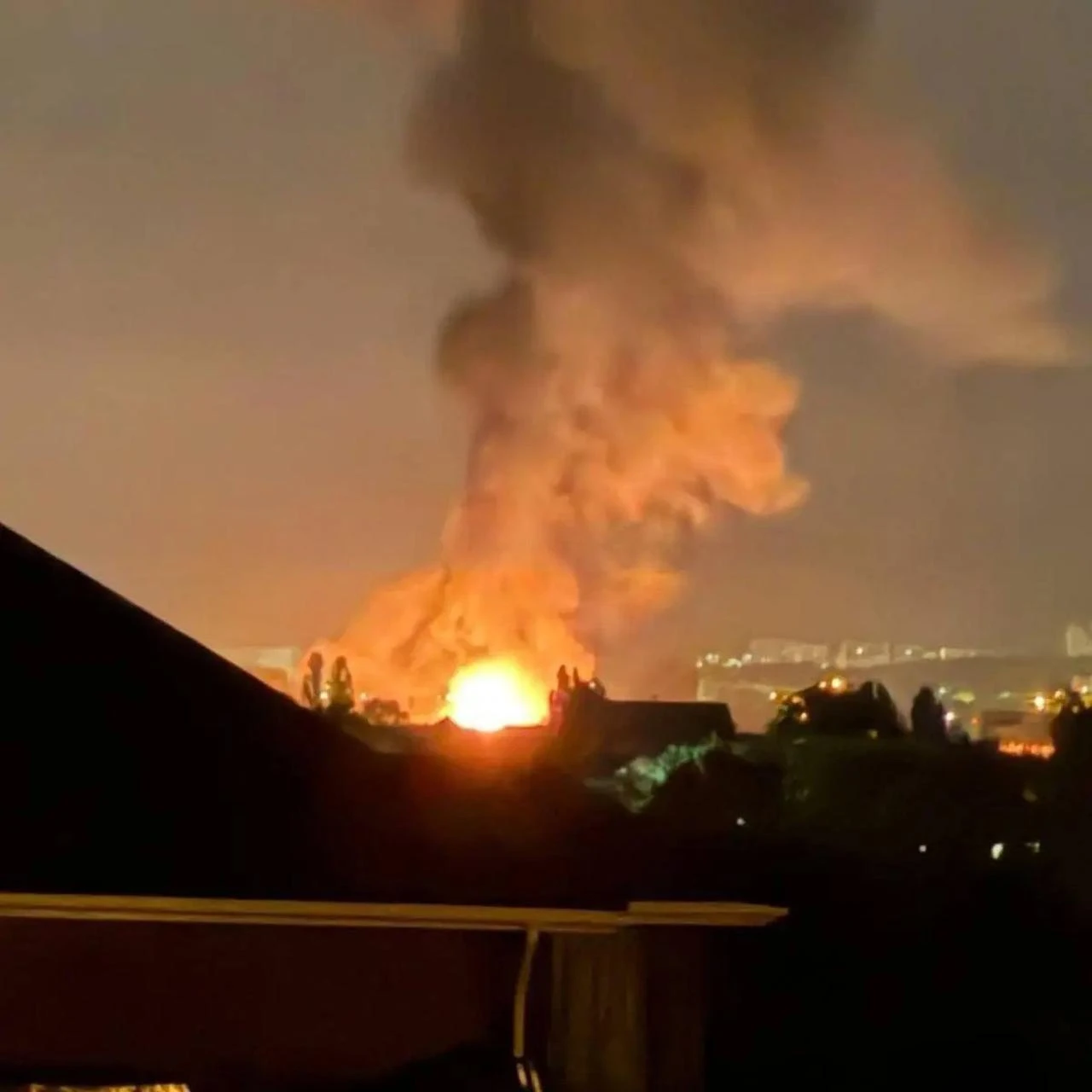

Ukraine also launched an overnight attack on the Russian city of Belgorod and the surrounding region on July 4, damaging infrastructure and causing power and water outages, according to regional authorities and local media.
Acting Gov. Alexander Shuvaev said the regional capital had faced "massive strikes."
"In Belgorod, infrastructure objects were damaged, as a result of which disruptions in the supply of electricity and water were recorded," he said.
Shuvaev said several infrastructure facilities caught fire but did not identify the sites. He added that no casualties had been reported.
Witnesses said the city may have been struck by a missile. Images shared on local Telegram channels indicated a possible attack on the Luch thermal power plant, which has previously been targeted in Ukrainian strikes.
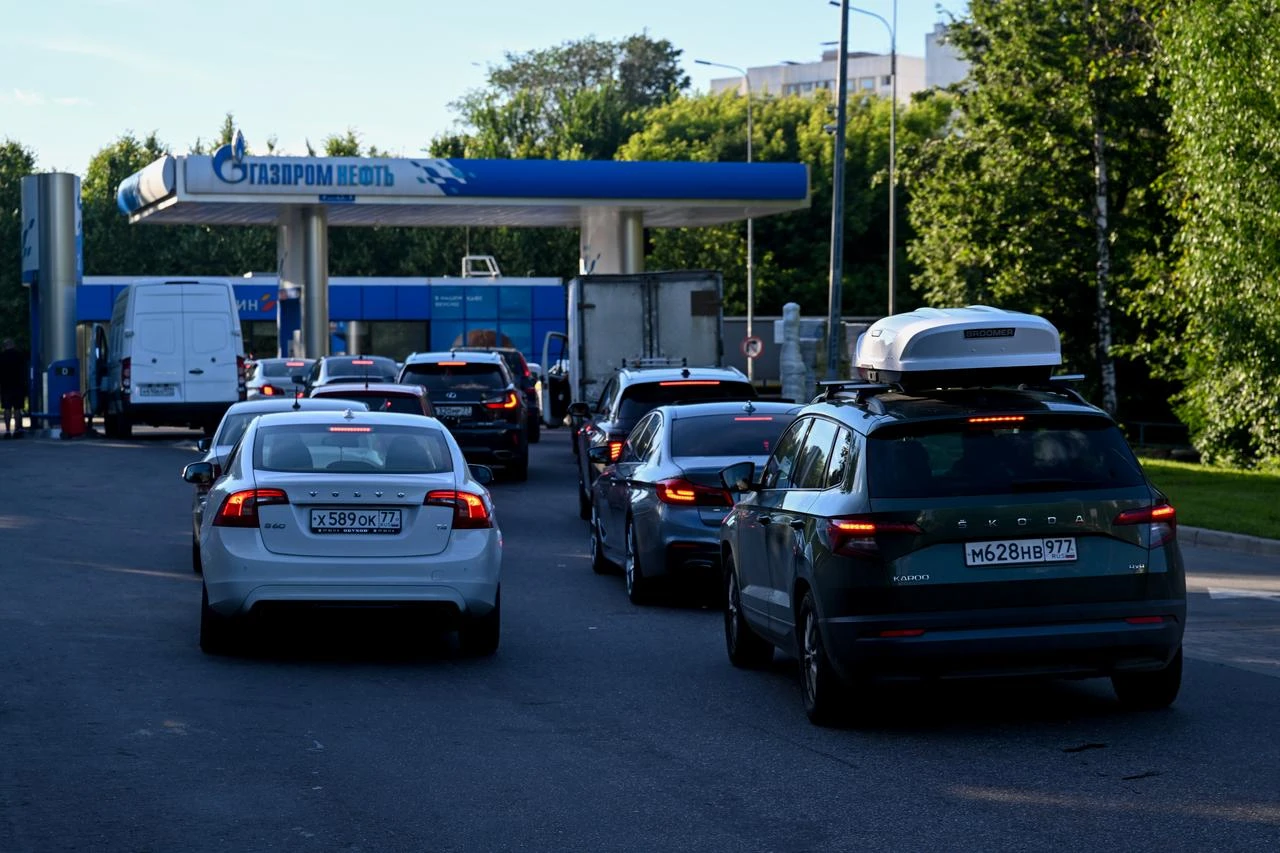
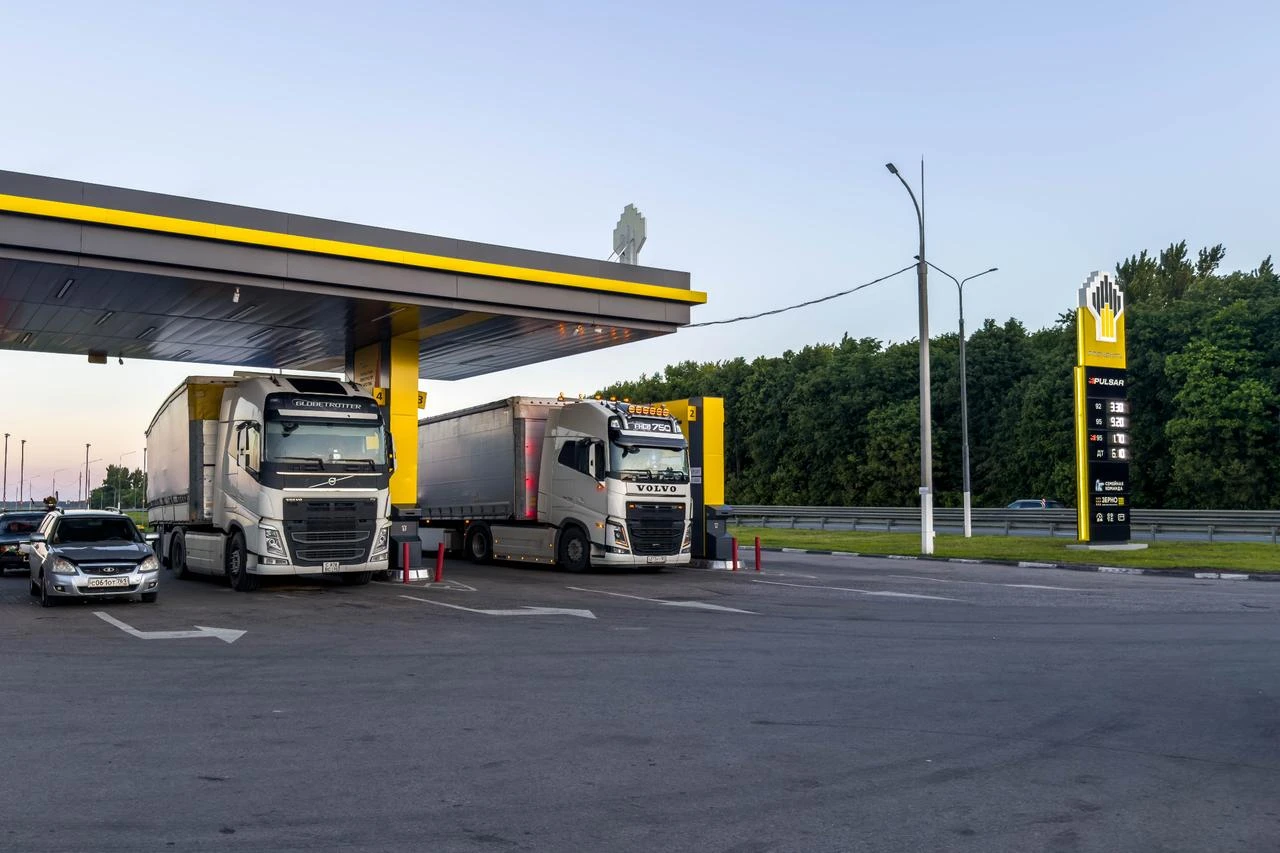
Restrictions ranging from 20 to 100 liters per vehicle have meanwhile been reported at numerous gasoline and diesel stations in St. Petersburg.
A temporary measure limiting gasoline sales to a maximum of 100 liters per vehicle was introduced at some stations beginning June 16, according to local media and regional sources.
Different limits have been reported at stations operated by Tatneft, Rosneft and Lukoil, while some locations have barred fuel sales in containers.
Local media reported that Tatneft stations were supplying 20 to 30 liters per vehicle, while limits at Rosneft and Lukoil stations were generally around 100 liters.
Taxi drivers and other motorists said many stations were unofficially limiting sales to about 20 liters per vehicle and that long lines had formed at some locations.
The St. Petersburg administration, however, said sales were continuing without significant restrictions at stations operated by three major oil companies that account for more than 70% of the city's retail fuel market.
Numerous Russian refineries have been taken offline for maintenance following Ukrainian drone attacks.
The Russian government has occasionally imposed fuel export restrictions to stabilize the domestic market.
Fuel sales limits were also recently introduced in Russia's Tver region and in Russian-annexed Crimea amid an increase in Ukrainian strikes.
Both Russia and Ukraine have increasingly targeted infrastructure and military facilities far from the front lines as the war continues into its fifth year.


 Set as preferred source
 Set as preferred source


 1 min read
 1 min read