Newsletters


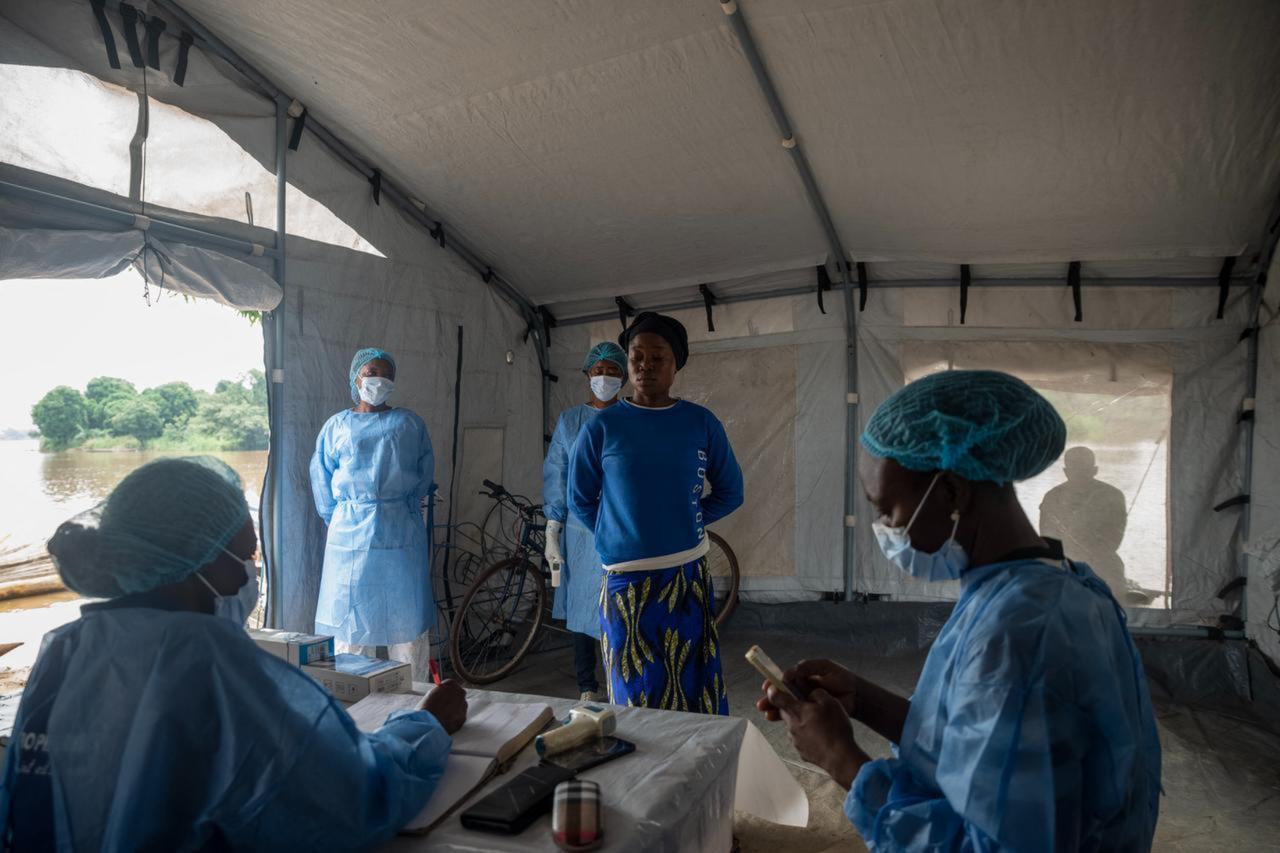


The nongovernmental organization (NGO) Doctors Without Borders (MSF) said Thursday that international funding for the Ebola response in the Democratic Republic of Congo (DRC) is not reaching the health workers who need it most.
In a statement issued from Geneva, Switzerland, the charity said the outbreak, the worst recorded in the DRC, remains out of control six months into the response.
It has killed more than 5,300 people out of more than 11,000 confirmed cases since it was first detected in mid-May in Ituri province, in the conflict-affected northeast of the country, with several months of delay.
The DRC declared the outbreak on May 15, and it is the country’s 17th since Ebola was first identified there in 1976.
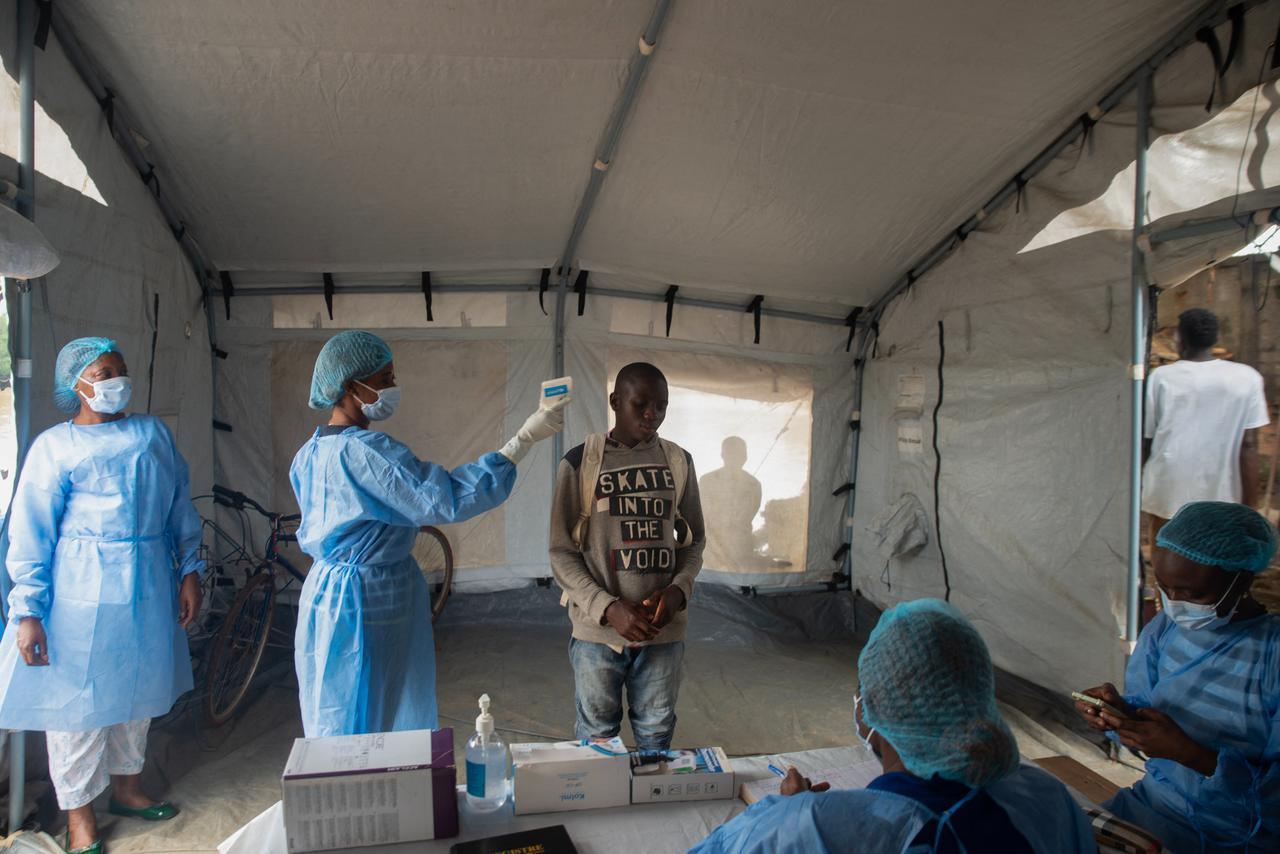

MSF cited health care workers who are not paid or trained, ambulances left without fuel and a lack of supplies and support for front-line staff. It also pointed to Ebola surveillance teams that exist on paper but are not seen on the ground.
The international community has spent hundreds of millions of dollars on the response, MSF said, but a disconnect remains between those resources and what reaches patients and communities. Many responders are trying to contain the outbreak with “empty hands and empty pockets,” said MSF International President Javid Abdelmoneim.
The charity added that efforts are overly concentrated in some parts of the country at the expense of other hot spots where needs are growing more urgent.
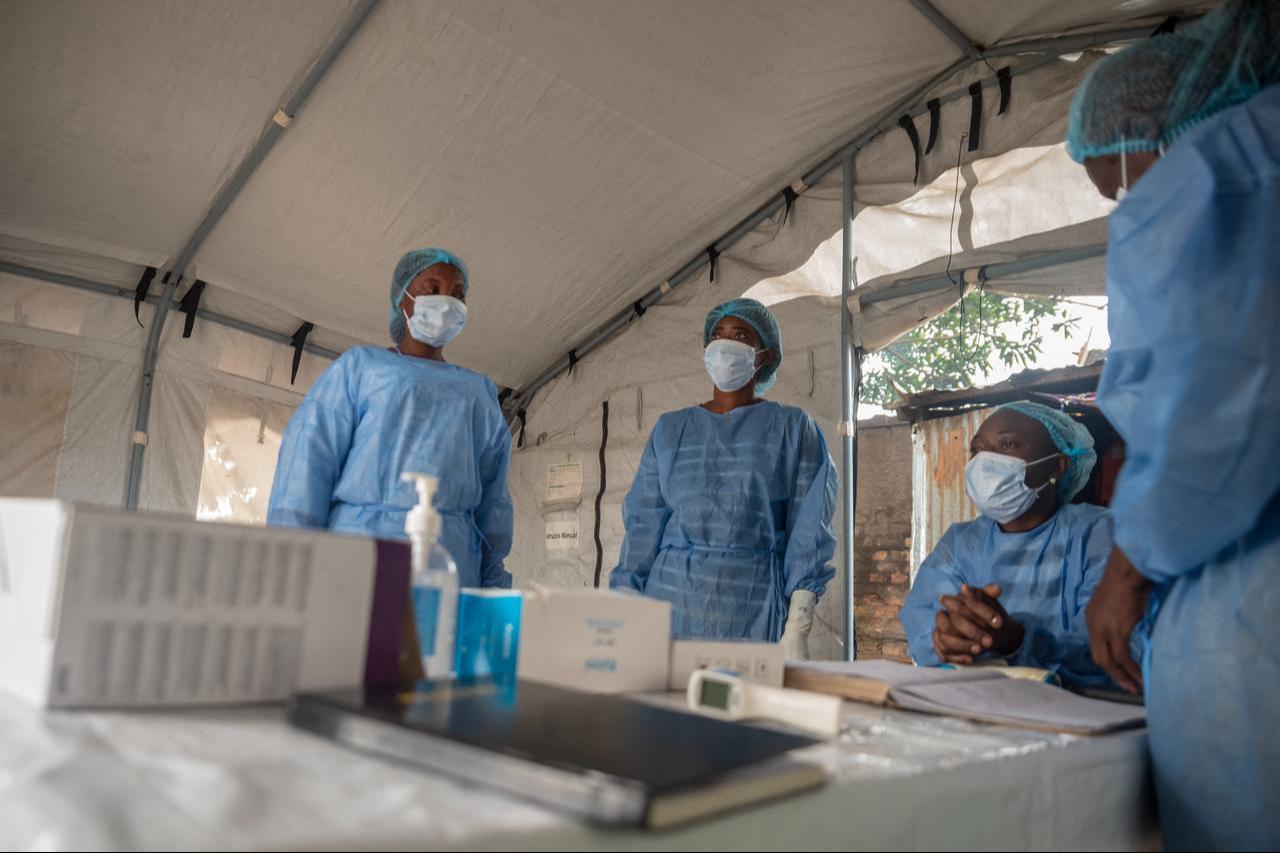
MSF warned that some hospitals have become places where the virus spreads rather than places of care. In one part of North Kivu province, in eastern DRC, close to three-quarters of Ebola patients contracted the disease in a health facility.
The organization also criticized the virus surveillance system. It acknowledged that community mistrust complicates surveillance, given the long absence of the Congolese state from many hot spots, but said urgent improvements in oversight, staffing and operational support are essential. MSF called for more transparency and accountability.
Ebola, which spreads through contact with infected bodily fluids, has crossed the DRC’s borders into Uganda, Kenya and Nigeria, according to Agence France-Presse (AFP).
The current outbreak is caused by the Bundibugyo strain, for which no approved vaccine or treatment is available. The World Health Organization (WHO) declared a public health emergency of international concern on May 17, and candidate vaccines and treatments are being assessed in clinical trials.


 Set as preferred source
 Set as preferred source


 3 min read