Newsletters


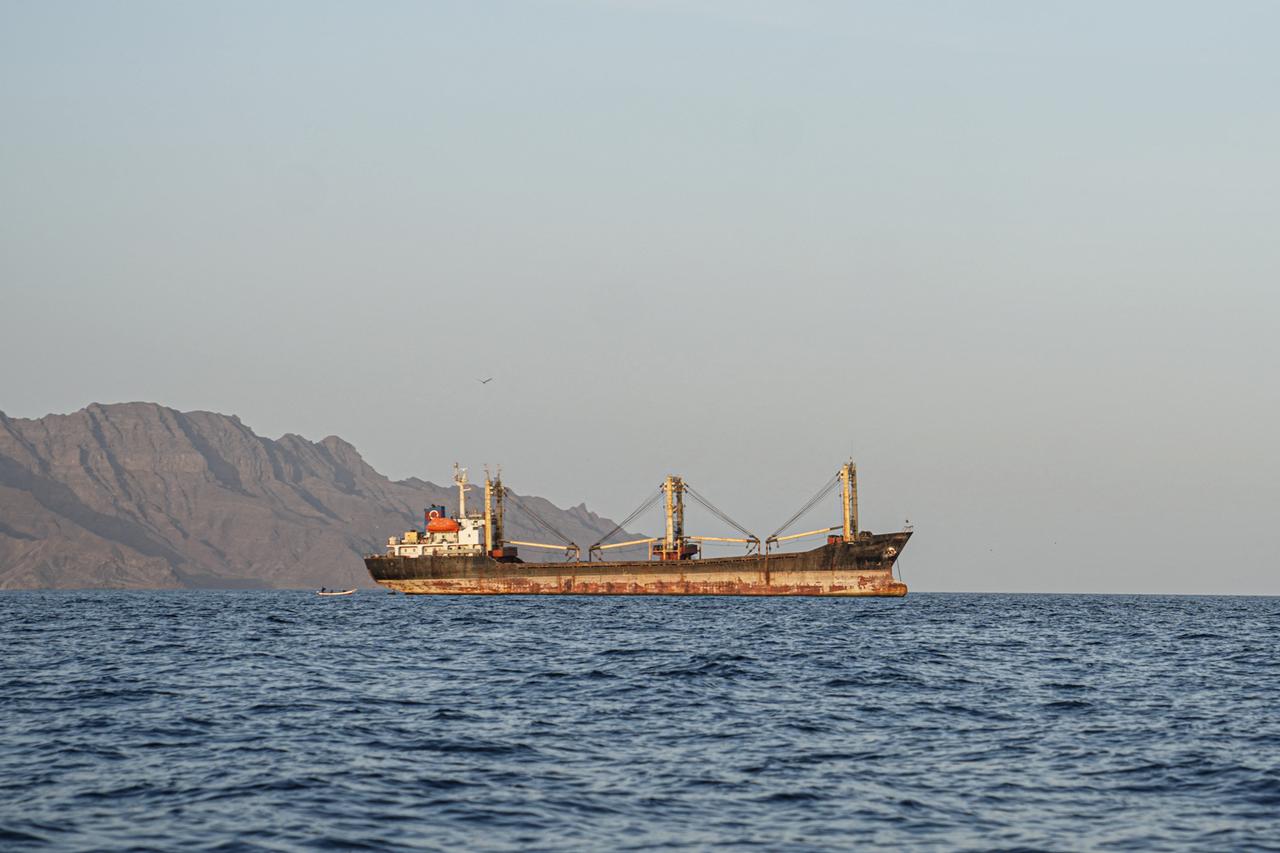


Egypt rejected a Houthi proposal for direct talks with Egyptian authorities on coordinating maritime traffic and security through the Bab el-Mandeb Strait and the Red Sea, The New Arab reported, citing Egyptian sources.
The proposal was conveyed by a Houthi official to the International Chamber of Shipping, or ICS, in London, which later contacted Egypt's maritime chamber in Alexandria over the group's request to establish new rules for navigation and vessel safety around Bab el-Mandeb.
According to the report, the Houthis sought coordination with the Suez Canal Authority and Egyptian ports after gaining control of key islands and coastal cities on the Yemeni side of the strait.
A senior Egyptian source told The New Arab that Suez Canal Authority Chairman Osama Rabie rejected the request, saying an official response could amount to implicit recognition of a group not internationally recognized as Yemen's legitimate government.
The proposal was instead referred to Egyptian security agencies to handle outside official state institutions.
The source said Cairo aims to prevent attacks on vessels, restore freedom of navigation and protect crews of all nationalities without allowing the Houthis or any other party to assert authority over Bab el-Mandeb.
Egyptian security agencies have also maintained communication with both sides of Yemen's power struggle while Egypt officially recognizes only Yemen's internationally recognized government, the report said.
A Suez Canal Authority source said the Houthis had previously sought an international conference on Bab el-Mandeb navigation after taking control of Yemeni coastal areas during exchanges of strikes with Israel in 2025. That request was also rejected.
Mohamed Shireen al-Naggar, a transport expert and board member of the Alexandria Chamber of Shipping, told The New Arab that Houthi control near the strait does not necessarily mean an immediate closure but could keep shipping risks elevated beyond the war.
He said shipping companies could divert vessels around the Cape of Good Hope because of security concerns, increasing travel times, fuel use, freight rates and insurance costs.
Although the Houthis have said they would target only Saudi-linked vessels, al-Naggar said the broader military environment still poses serious risks, particularly for oil, gas and petroleum shipments.
He added that tankers traveling from the Gulf to Europe and the Mediterranean now face risks at both the Strait of Hormuz and Bab el-Mandeb, which could sharply affect traffic through the Red Sea and Suez Canal.
Al-Naggar said Egypt has sought contacts through its security agencies with the Houthis and Iran, while maintaining official coordination with Saudi Arabia and the U.S., to protect freedom of navigation through Bab el-Mandeb.
He warned that continued instability could turn a regional maritime problem into a wider international transport and energy security crisis, particularly as European winter demand for Gulf oil and gas rises.
He also said there are no equally safe and inexpensive alternatives to the Suez Canal for moving energy and goods between East and West.
Egyptian President Abdel Fattah el-Sisi addressed the issue at the BRICS meetings that ended Sunday in New Delhi, saying, "Egypt rejects any attempts to militarize the Red Sea."
Sisi said developments in the Middle East were affecting the global economy, trade, energy and supply chains, and stressed the importance of maintaining stable and free international navigation.


 Set as preferred source
 Set as preferred source


 1 min read

 1 min read