Newsletters


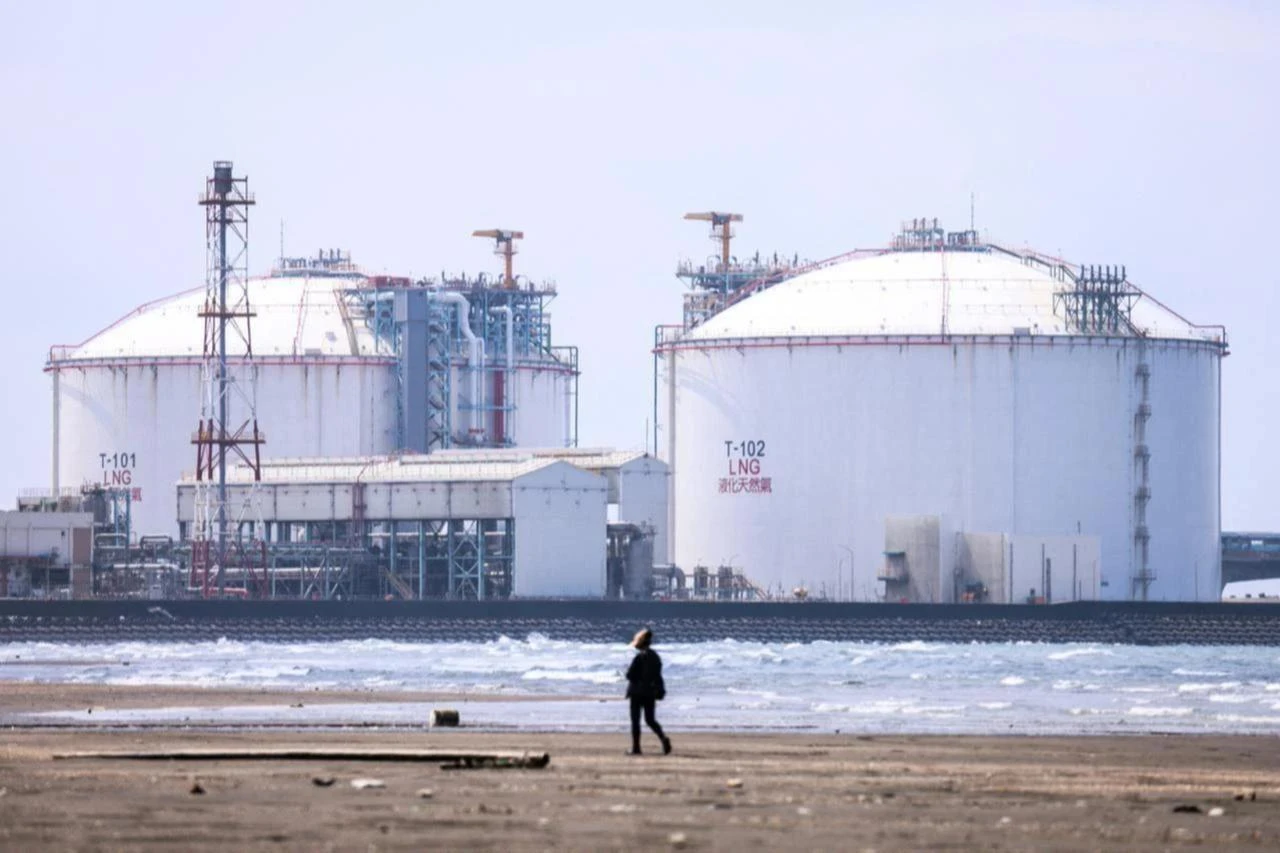


The end of Russian gas transit through Ukraine at the start of 2025 reshaped Europe’s natural gas market, creating a widening price gap between liquefied natural gas (LNG)-rich northwestern countries and markets in Central and Eastern Europe, according to the Oxford Institute for Energy Studies.
European gas prices, which had long moved at similar levels, began diverging after Russia stopped sending gas to Europe through Ukraine, the institute’s report said.
Countries close to liquefied natural gas import terminals gained access to lower-priced supplies, while prices in Central and Eastern Europe began settling at persistently higher levels.
Trading hubs in France, Belgium, the Netherlands and the United Kingdom recorded lower prices because of concentrated LNG imports. Prices began rising progressively from eastern Germany toward Central and Eastern Europe.
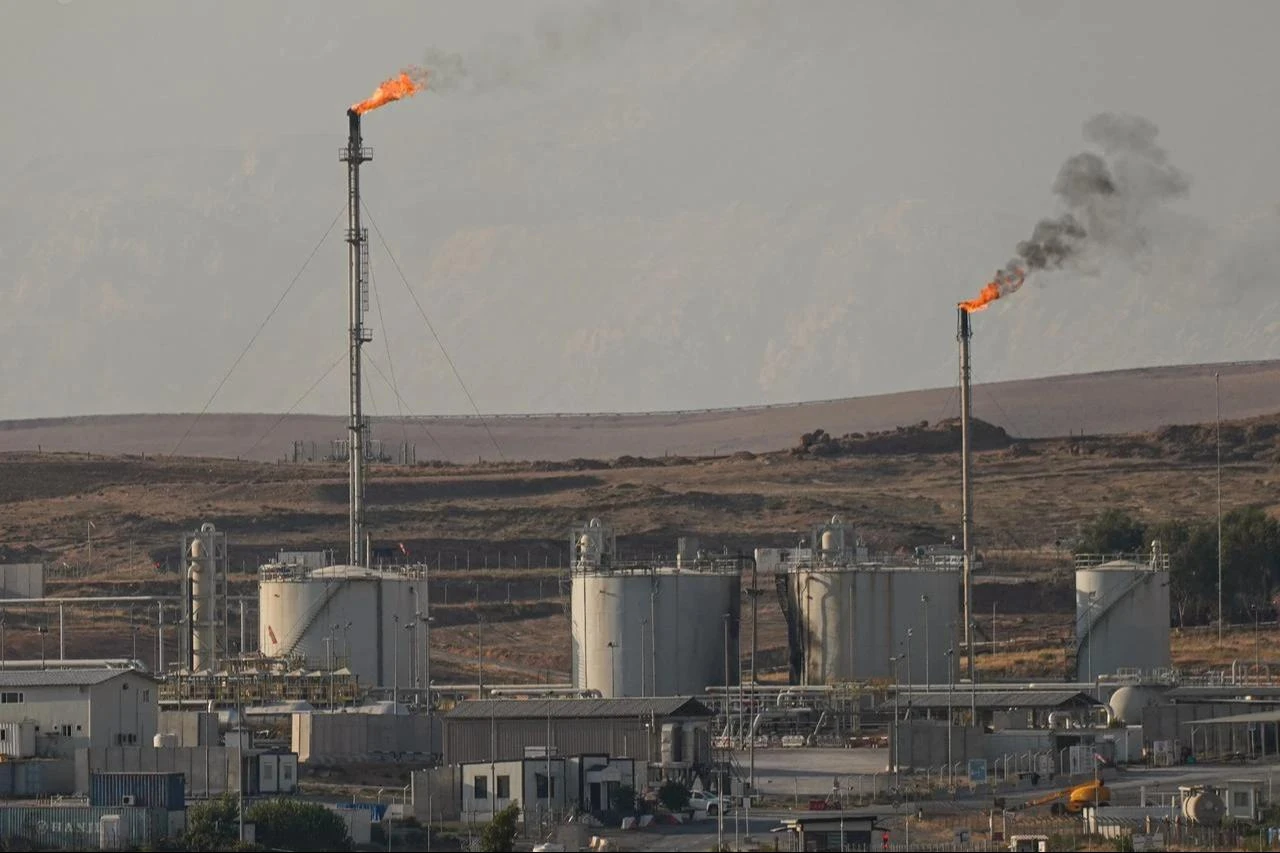

The lowest prices were recorded at France’s TRF, Belgium’s ZTP, the Netherlands’ TTF, and the United Kingdom’s NBP trading hubs.
Germany’s THE hub traded above those levels, while hubs in the Czech Republic, Austria and Slovakia recorded still higher prices.
The report attributed the pattern to LNG entering the European gas system mainly through northwestern ports before being transported eastward.
The trend continued during the first half of 2026.
Despite the loss of Russian pipeline gas, Europe’s gas market continued to expand in terms of trading activity.
The volume of natural gas traded in Europe rose 16% in 2025 from the previous year, while physical gas demand increased 8%.
Total trading volume exceeded 100,000 terawatt-hours for the first time.
“Europe’s traded natural gas markets have proven their resilience in the face of challenging conditions,” the report said, adding that the growth showed the market had adapted quickly to the new supply structure.
The Netherlands-based TTF remained Europe’s largest natural gas trading hub by a wide margin, according to the report.
Trading volume at TTF increased 14% last year and reached 4.5 times the combined volume of Europe’s eight other major gas hubs.
TTF’s volume was also about nine times that of the United Kingdom’s NBP, about 20 times Germany’s THE and more than 52 times Italy’s PSV.
About 81% of all European natural gas trades were conducted through TTF.
As LNG trading expanded, more market participants from North America and Asia began trading at TTF.
Transactions based on the price spread between TTF and the U.S. Henry Hub also became increasingly common.
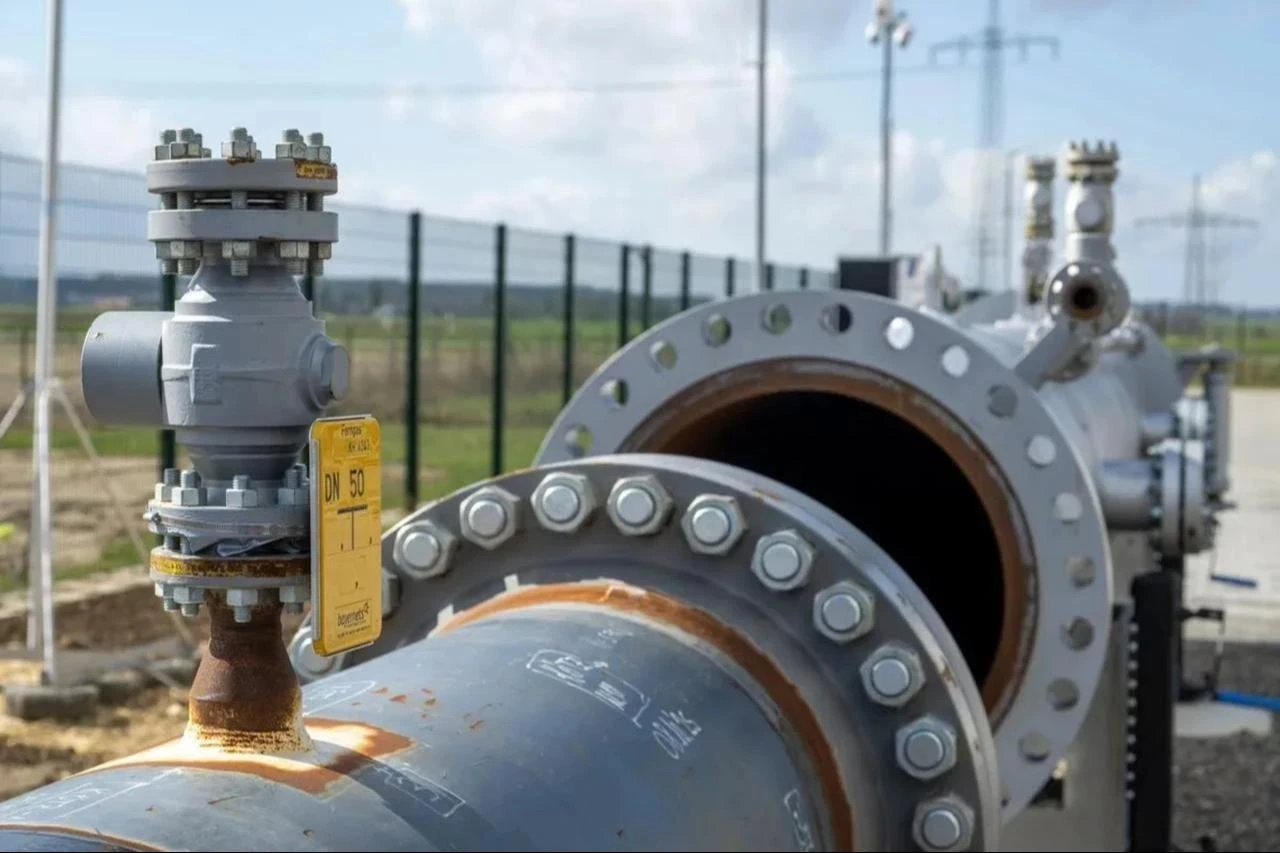
Belgium’s ZTP hub was another notable performer, with trading volume rising more than 165% in 2025.
The report linked the increase to Belgium’s growing LNG imports, eastward gas flows from the United Kingdom and France, and the country’s emergence as a major entry point into the European market.
By contrast, trading volumes declined at some Central European hubs that had been more dependent on Russian gas.
Trading volume fell 77% at Slovakia’s SVOB hub and about 18% at the Czech Republic’s VOB hub.
The report said the declines were mainly caused by changing trade routes following the end of Russian gas flows through Ukraine.


 Set as preferred source
 Set as preferred source


 1 min read
 1 min read