Newsletters


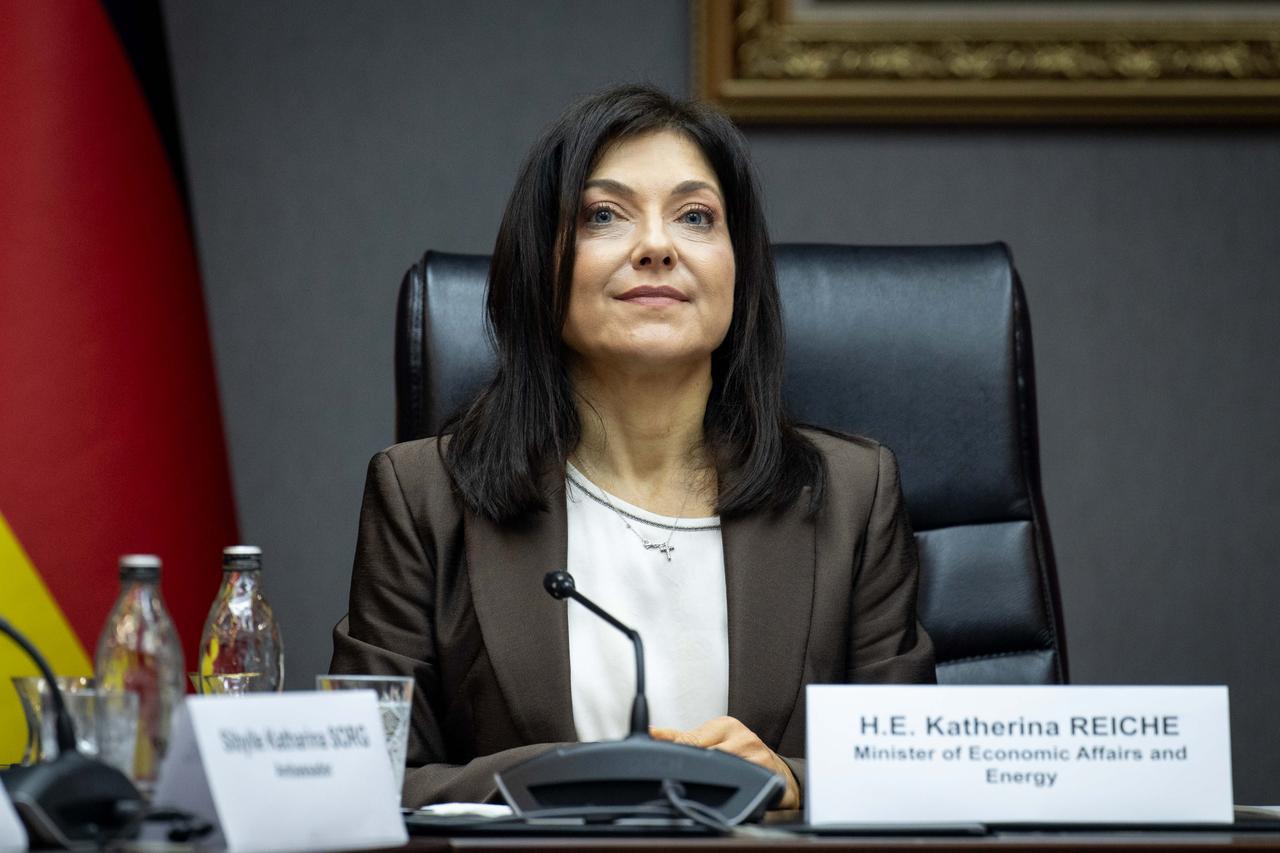


Türkiye understands and accepts the European Union's position that gas imported under future contracts with the bloc must not originate in Russia, German Economy and Energy Minister Katherina Reiche said Friday during a two-day visit to Ankara.
"Brussels will insist on non-Russian supplies in any future energy agreements involving Türkiye," Reiche said, speaking alongside a German business delegation.
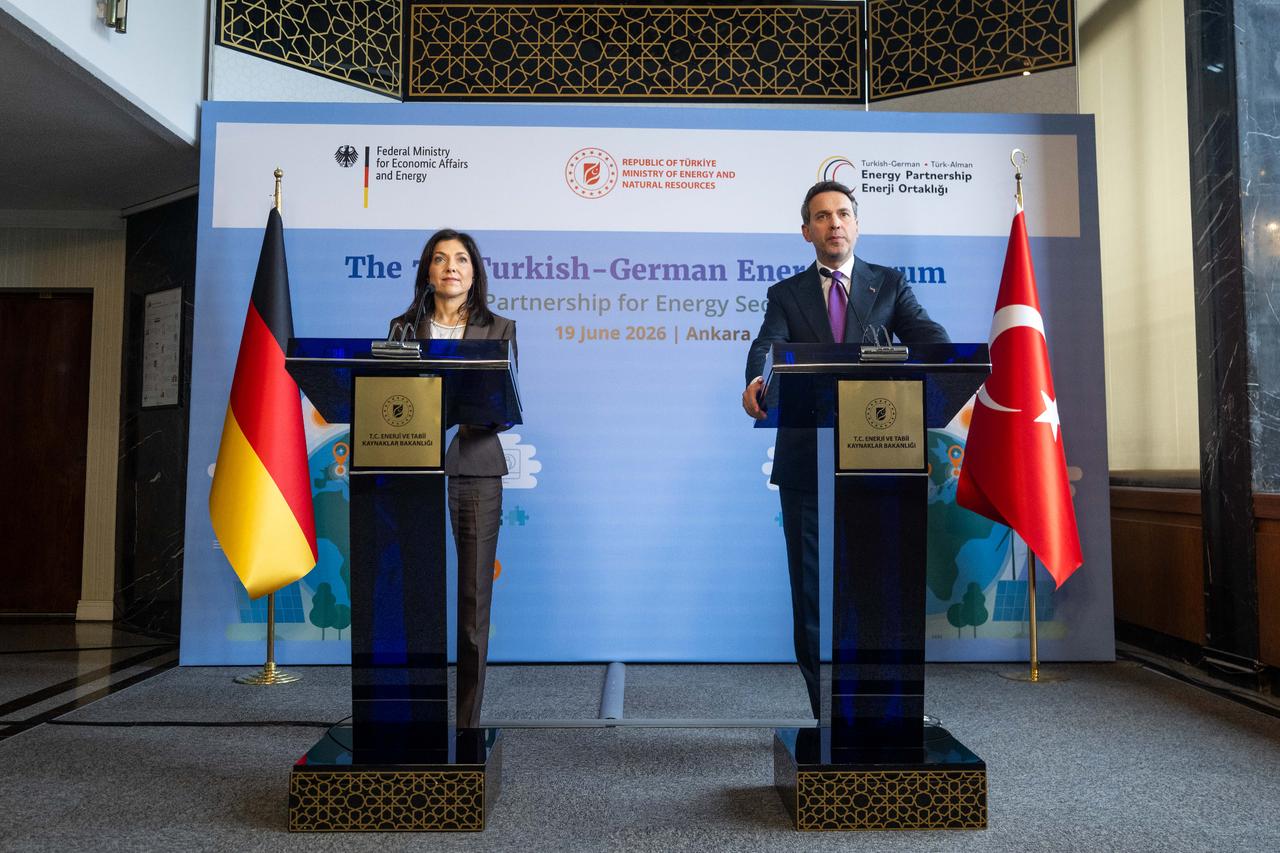
She held talks earlier in the day with Turkish Energy and Natural Resources Minister Alparslan Bayraktar.
Türkiye, the second-largest buyer of gas from Russia, is negotiating new supply agreements with Moscow as its existing contracts near expiration. At the same time, Ankara is seeking to establish itself as a regional gas hub.
Reiche said Ankara understands and accepts the EU's strong determination to end its dependence on Russian commodities. However, she said Turkish officials made clear in talks that replacing Russian gas cannot happen overnight, either economically or in terms of available resources.
Germany and Türkiye aim to further expand their economic relationship, Reiche said on the sidelines of political talks in Ankara, according to the reports.
"We need Türkiye as a reliable trading partner but also to achieve common political goals," she said, referencing Russia's war against Ukraine and the war in Iran, which she said she hopes will end permanently.
Reiche and Turkish Trade Minister Omer Bolat both assessed the development of bilateral trade positively.
"Türkiye is the EU's fifth-largest trading partner," Reiche said, noting that trade relations between the two countries are nearly balanced.
"German companies have made wide-ranging investments in Türkiye, she said, "and the same is true in reverse." German investors intend to further expand their position in the Turkish market, according to Reiche.

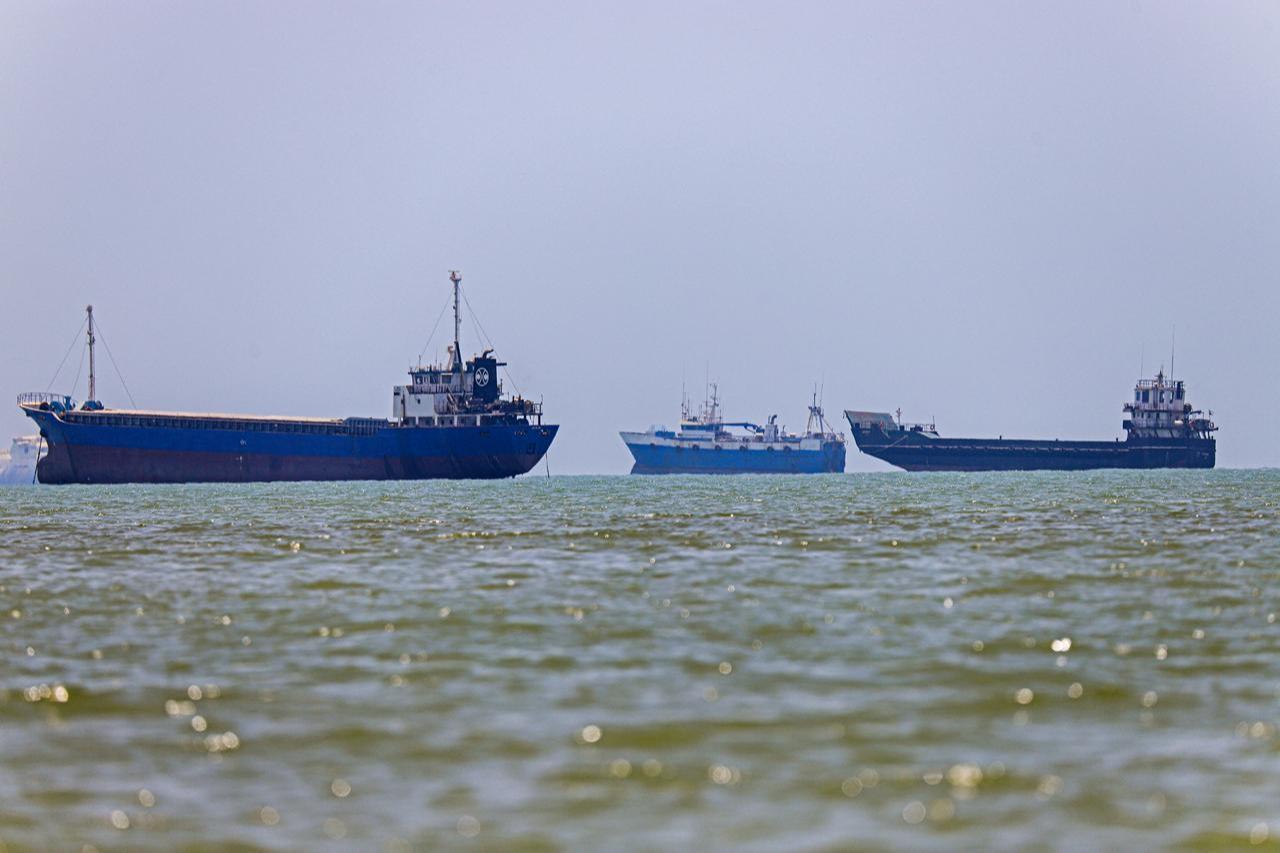
Following global disruptions caused by the closure of the Strait of Hormuz as an oil shipping route, Germany and Türkiye are seeking greater cooperation on energy and raw materials.
"We cannot just stand by and watch passively," Reiche said, adding that active measures are needed.
Both sides agreed to expand their energy partnership, established in 2012.
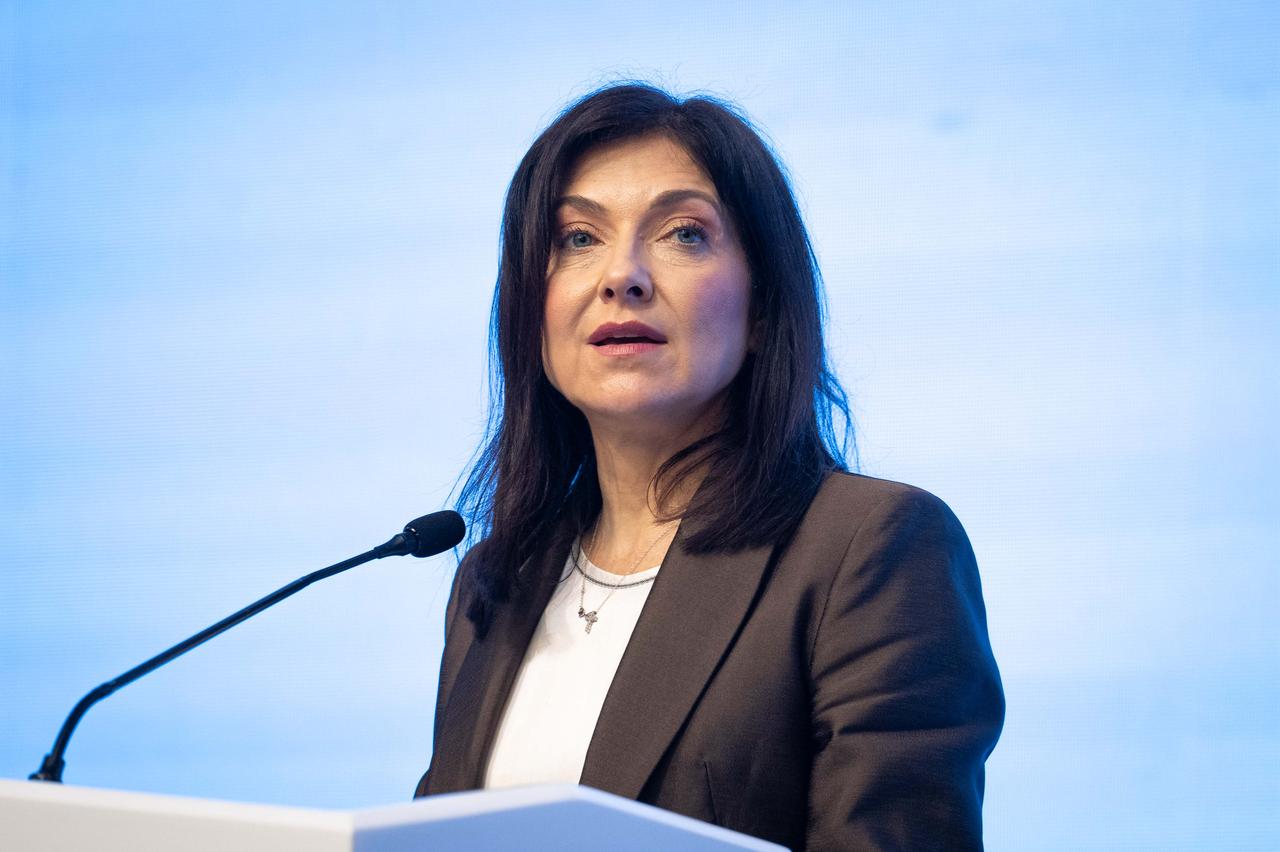
"Let us turn today's challenges into tomorrow's strength," Reiche said at the 7th Turkish-German Energy Forum.
Turkish Energy Minister Bayraktar said Türkiye intends not only to secure its own energy needs going forward but also to help ensure Europe has access to secure energy supplies.
Reiche pointed to a major gas field in the Black Sea that is expected to play a central role in Türkiye's future energy supply.
"Whoever has access to energy is less dependent," she said, adding that having access to energy also brings greater influence.
She said the response to the recent oil crisis must involve relying on multiple energy sources in parallel, and that Germany and Türkiye agree there must be openness to different technologies, "and openness to everything that companies bring to market."
Both sides recorded their energy goals in a formal protocol. The energy partnership is being expanded to include cooperation on critical minerals, rare raw materials essential to the energy transition.
"The energy transition must succeed, and it can succeed if we have joint access to critical minerals together," Reiche said.
Reiche said energy security has become not only an economic issue but a geopolitical one, describing Türkiye as playing a central role in Europe's energy supply security.
She said developments around the Strait of Hormuz once again demonstrated the importance of energy supply security and that diversifying dependencies and investing in joint infrastructure are critical to global energy security.
She pointed to the strategic value of German-Turkish cooperation on renewable energy investment, noting that Türkiye is advancing toward becoming a regional energy hub by accelerating renewable energy investments while also developing its natural gas resources.
Reiche noted that approximately 10% of the EU's natural gas imports currently pass through Türkiye.
She added that the Turkish-German Energy Partnership and the Turkish-German Energy Forum have both been renamed to formally reflect their expanded scope, which now includes critical minerals.


 Set as preferred source
 Set as preferred source


 2 min read
 1 min read