Newsletters


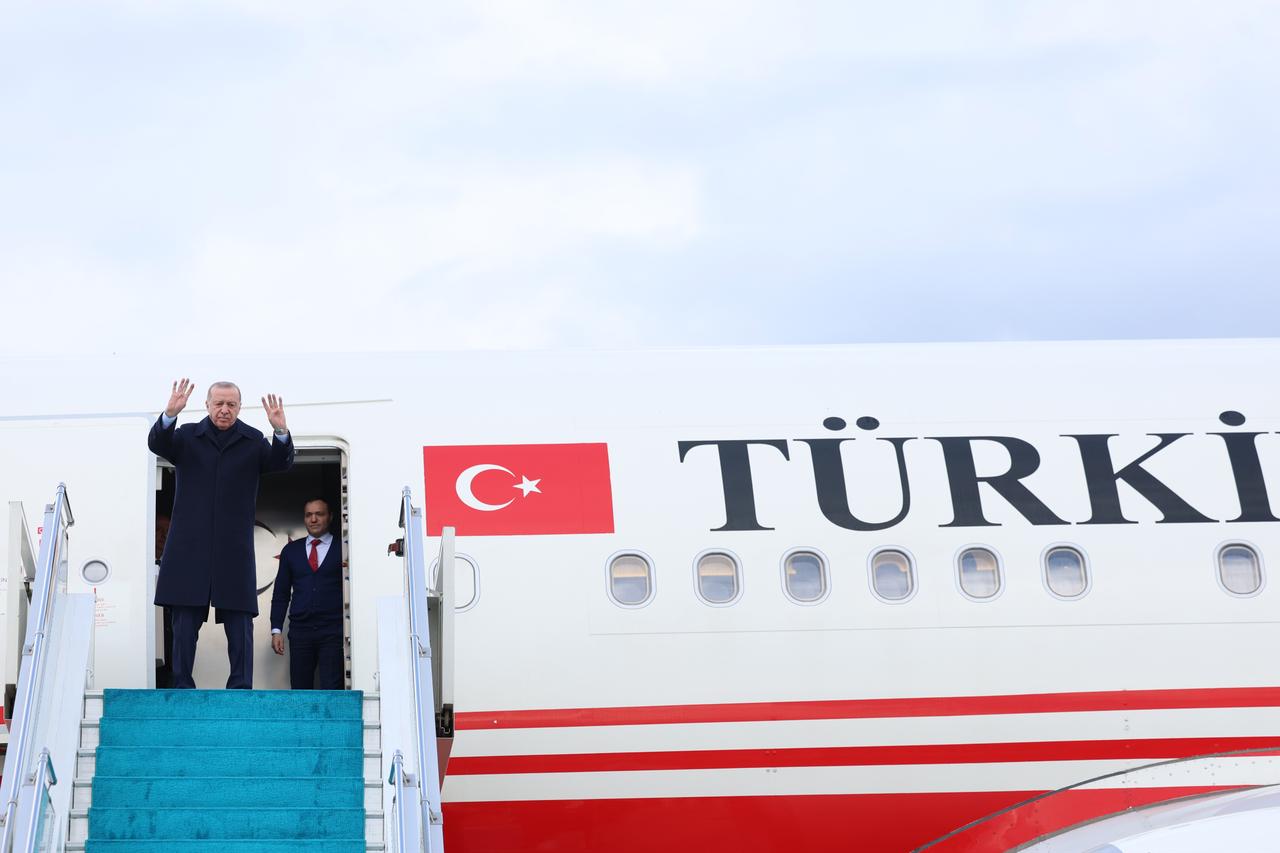


President Recep Tayyip Erdogan is set to visit Ethiopia on Tuesday at the invitation of Prime Minister Abiy Ahmed, marking his first trip to the country in more than a decade as the two nations commemorate 100 years since the opening of Türkiye’s embassy in Addis Ababa.
The visit has received wide coverage in Ethiopian media, which highlighted its diplomatic significance and the milestone in bilateral relations dating back to the 16th century.
State-run Fana Broadcasting Corporation described the trip as a step up in relations, with one headline portraying Erdogan as “the architect of the new Türkiye.”
Private outlet Addis Standard linked the visit to tensions in the Horn of Africa and Türkiye’s diplomatic engagement in the region, reporting that the two countries are expected to sign various cooperation agreements already reached at the official level.
Pulse of Africa, a pan-African digital media platform launched last October by Abiy, said Türkiye is strengthening its presence in the Red Sea and Horn of Africa as Erdogan visits Addis Ababa to expand trade, infrastructure and security ties.

Speaking at an event marking the centennial of formal ties, Türkiye’s ambassador to Ethiopia, Berk Baran, said the visit marks “the elevation of already strong ties.”
“Türkiye and Ethiopia already enjoy a strategic relationship in various aspects, including political, economic and social relations,” he said.
Emre Yasin Kekec, an independent researcher based in Türkiye, said the two countries have built a consistent open relationship without third-party mediation.
“In this ambivalent global order, Türkiye and Ethiopia have built a very consistent open relationship without third-party mediation. This should be kept and strengthened,” he told Anadolu Agency.
Ibrahim Mulushewa, a researcher and head of a think tank in Addis Ababa, said the relationship has been shaped by mutual political understanding, including during the Nile dispute and Ethiopia’s quest for sea access.
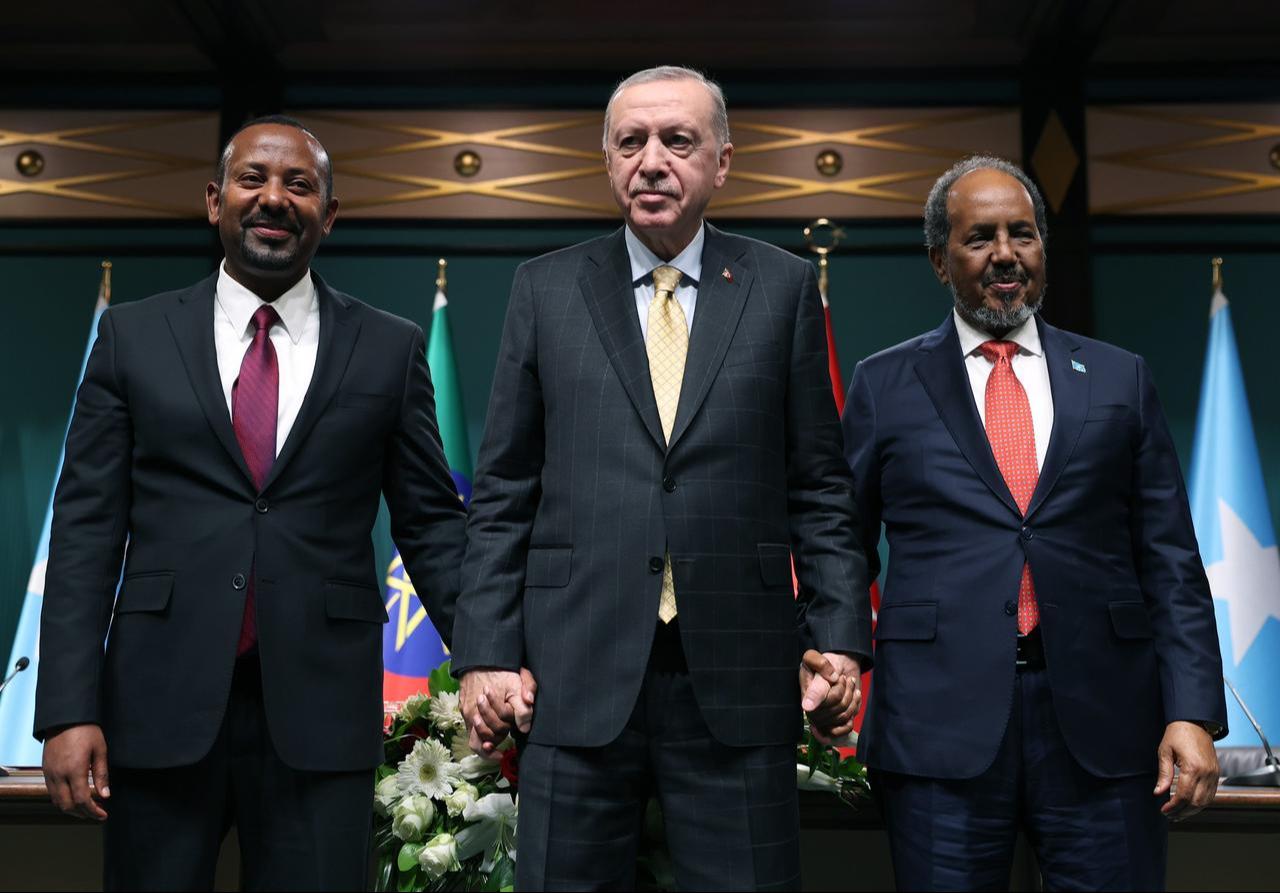
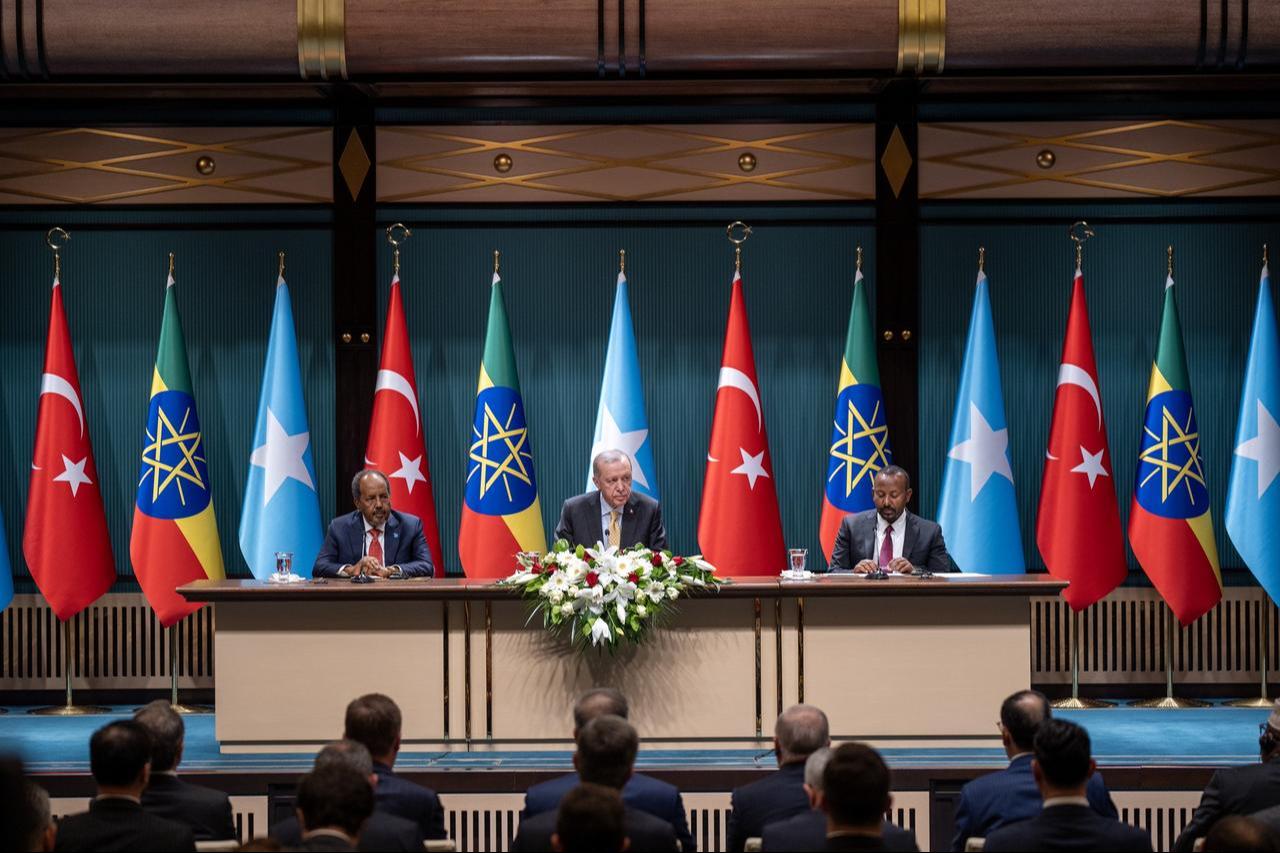
He said this shared perspective enabled direct engagement and helped Türkiye mediate sensitive regional issues, including the Ethiopia-Somalia dispute resolved through the Ankara declaration.
Baran said century-old people-to-people diplomacy has been central to bilateral relations and that Erdogan’s visit marks a new level of ties.
Analysts said societal connections have anchored the partnership as much as formal diplomacy.
“Mostly talks revolve around political diplomacy, while the real bridge is people-to-people relations,” Kekec said.
Abdulaziz Dino, a lecturer at Addis Ababa University who holds a doctorate from Ankara University, said cultural diplomacy has shaped public perceptions in Ethiopia.
He cited Turkish television series, Ethiopian students educated in Türkiye and cultural resonance as factors contributing to positive views of the country.
“In this ever-changing global order, traditional diplomacy, though it plays a vital role, would have much less impact unless it is supported by media, cultural and social capital,” he said.
Scholars said Erdogan’s visit reflects both the symbolism of a centennial milestone and efforts by both countries to reinforce ties rooted in historical familiarity, diplomatic dialogue and longstanding societal connections.


 Set as preferred source
 Set as preferred source


 1 min read
 1 min read